Montserrat: The Ultimate Travel Guide 2026
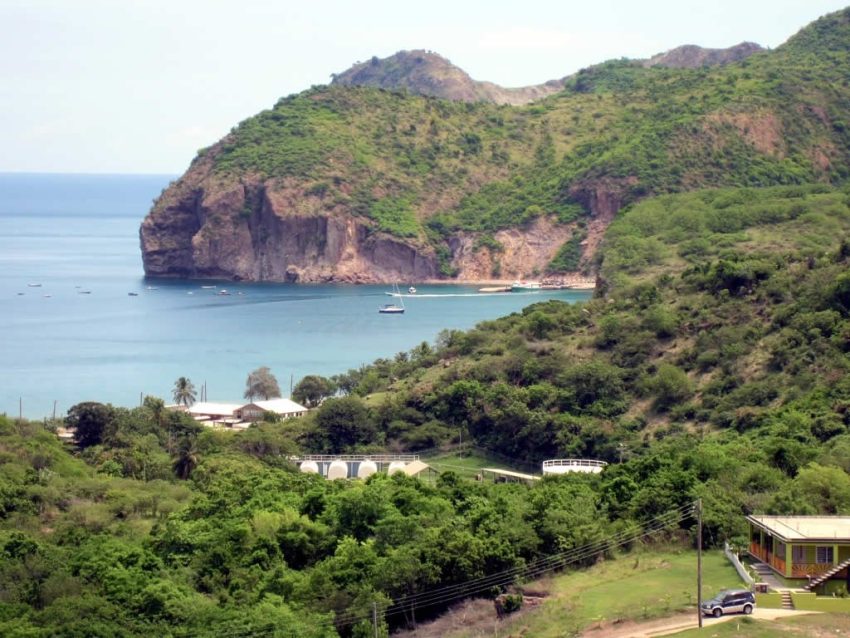
Montserrat is a small, striking island in the eastern Caribbean, known for its lush green hills, dramatic coastline, and a calm, uncrowded feel. Often called the “Emerald Isle,” it blends tropical scenery with a distinctly local character, where everyday life moves at an easy pace and nature is never far away. Whether you’re arriving by ferry or small plane, the first impression is of a place that feels intimate, welcoming, and refreshingly different from busier island destinations.
The island’s landscape is one of its biggest draws, with rainforest trails, black-sand beaches, and scenic viewpoints that open onto wide Atlantic horizons. Outdoor experiences are central here-think hiking, birdwatching, snorkeling, and simply taking in the views from quiet bays and cliffside lookouts. With fewer crowds, it’s easy to find space to explore, relax, and connect with the environment.
Montserrat also offers a warm cultural experience shaped by Caribbean rhythms and a close-knit community spirit. Visitors can enjoy local food, small festivals, and live music in a setting that feels authentic and unhurried. It’s an ideal choice for travelers looking for natural beauty, low-key adventure, and a peaceful island escape without the bustle.
History of Montserrat
Montserrat is a small, mountainous Caribbean island in the Lesser Antilles whose history has been shaped by Indigenous settlement, European colonization, slavery and emancipation, and—more recently—one of the most disruptive volcanic eruptions in modern Caribbean history. Though politically linked to Britain today, Montserrat’s identity reflects layered migrations, plantation-era legacies, and a dramatic late-20th-century transformation that reshaped its population, economy, and geography.
Before European colonization
Long before Europeans arrived, Montserrat was inhabited by Indigenous peoples of the Caribbean region. Archaeological evidence indicates successive settlements over centuries, including communities often associated with Arawakan-speaking groups and later Carib/Kalinago presence. These societies lived from fishing, farming, and inter-island trade, leaving traces in pottery, tools, and settlement sites.
European arrival and early claims
Christopher Columbus sighted the island in 1493 and named it after the Spanish monastery of Santa María de Montserrat. Spain did not establish a lasting settlement, and for much of the 16th and early 17th centuries the island remained lightly controlled, with European powers competing across the Lesser Antilles.
British settlement and plantation society (17th–18th centuries)
The English established a colony on Montserrat in 1632. Like many Caribbean colonies, its economy developed around plantation agriculture, initially with crops such as tobacco and later sugar. This plantation system depended on the forced labor of enslaved Africans, who became the majority of the population.
Montserrat also became known for a notable Irish presence in its early colonial society. Irish indentured servants and settlers arrived in significant numbers, and Irish cultural influence persisted in place names and traditions. Over time, however, the plantation economy—like elsewhere in the region—rested overwhelmingly on African enslavement, with a small European elite controlling land and political power.
The island’s strategic position made it vulnerable to conflict. Montserrat experienced raids and attacks during periods of European war, including French assaults that damaged plantations and infrastructure. These conflicts, along with hurricanes and economic fluctuations, repeatedly disrupted colonial life.
Emancipation and post-slavery transition (19th century)
Slavery was abolished in the British Empire in the 1830s, with an apprenticeship period preceding full emancipation. After emancipation, Montserrat—like other Caribbean colonies—faced the challenge of transforming an economy built on coerced labor. Many formerly enslaved people sought greater autonomy through small-scale farming and wage labor, while plantation profitability declined amid changing global sugar markets.
Social and political power remained unevenly distributed, but the post-emancipation era gradually produced new community structures, religious institutions, and local leadership. Economic opportunities were limited, prompting periodic migration to other islands and, later, to the United Kingdom and North America.
20th-century developments and migration
In the 20th century, Montserrat’s economy remained small and vulnerable, relying on agriculture, remittances, and limited tourism. Many Montserratians migrated for work and education, creating a sizable diaspora that maintained close ties to the island.
Montserrat’s political status evolved within the framework of British colonial administration and later as a British Overseas Territory. Local governance expanded over time, with elected representation and internal self-administration in many domestic matters, while the United Kingdom retained responsibility for defense and certain external affairs.
The Soufrière Hills eruption and national upheaval (1995–present)
Montserrat’s modern history is dominated by the eruption of the Soufrière Hills volcano, which began in 1995 after centuries of dormancy. The eruption escalated over the following years, producing ashfalls, pyroclastic flows, and repeated evacuations. In 1997, a major eruption caused fatalities and led to the abandonment of large parts of the south, including the capital, Plymouth, which was buried and rendered uninhabitable.
The disaster triggered a profound demographic shift: a large portion of the population left the island, relocating to the United Kingdom, neighboring Caribbean states, and elsewhere. The island was effectively divided into zones, with the southern exclusion zone remaining unsafe for permanent settlement, while the north became the center of government, housing, and economic activity.
Reconstruction required extensive support and planning. A new de facto capital area developed around Brades and nearby communities, and major infrastructure projects followed, including new roads, public buildings, and, later, a modern airport to improve access and support recovery.
Contemporary Montserrat
Today, Montserrat continues to rebuild and redefine itself. The volcano remains active, and risk management is a permanent feature of public life, shaping land use, development, and emergency planning. The island’s economy blends public-sector employment, services, construction linked to ongoing development, and tourism that often emphasizes nature, hiking, and the island’s distinctive volcanic landscape.
Montserrat’s culture reflects its African-Caribbean roots, its Irish-influenced colonial past, and the shared experience of displacement and resilience following the eruption. The island’s recent history has made it a symbol of adaptation: a community that lost its historic capital and much of its settled land, yet continues to sustain a living society and a distinct identity in the Caribbean.
Best Time to Visit Montserrat
Visiting Montserrat in Winter (Best)
Winter (December–February) is one of the best times to visit Montserrat for comfortable sightseeing and outdoor activities. Expect warm days, lower humidity, and generally pleasant conditions for hiking, exploring viewpoints, and enjoying the island’s quieter pace. It’s also a great season for travelers who prefer fewer weather disruptions and a more relaxed feel.
Visiting Montserrat in Spring
Spring (March–May) is a strong choice if you want great weather with a lively cultural calendar. A major highlight is St. Patrick’s Festival (around mid-March), Montserrat’s signature celebration featuring music, dancing, food, and events that reflect the island’s Irish and Afro-Caribbean heritage. Spring is ideal for combining festivals with beach time and scenic drives.
Visiting Montserrat in Summer
Summer (June–August) is warmer and more humid, with a higher chance of rain. It can still be a rewarding time to visit if you don’t mind occasional showers and prefer a quieter, less crowded trip. Summer is well-suited to travelers focused on laid-back beach days, local dining, and a slower itinerary with flexibility for weather.
Visiting Montserrat in Autumn
Autumn (September–November) is typically the wettest period, with a greater likelihood of heavy rain and stormy conditions. If you visit during this season, plan for indoor-friendly options and keep your schedule adaptable. The upside is a calmer island atmosphere and potential value for travelers who prioritize tranquility over peak-weather conditions.
Food and Drink from Montserrat
Montserrat’s food and drink reflect a blend of African, Irish, and wider Caribbean influences, shaped by the island’s small communities and its volcanic landscape. Meals tend to be hearty and practical, built around local produce, seafood, and slow-cooked staples that suit family gatherings and village events. You’ll find familiar Caribbean flavors—thyme, scallion, garlic, hot pepper, and citrus—alongside comforting one-pot dishes and baked goods that travel well in the tropical heat.
A signature dish is goat water, a rich, spiced stew made with goat meat simmered until tender with herbs, aromatics, and often a bit of heat. It’s commonly served at celebrations and community occasions, and it’s the kind of dish that captures Montserrat’s preference for deep, savory flavors and filling portions. Other everyday plates may feature chicken, saltfish, or pork alongside rice, provisions, and vegetables, with sauces and pepper condiments adding brightness and bite.
Seafood plays a central role, with fresh fish and shellfish prepared simply—fried, grilled, or stewed—so the flavor of the catch stands out. Sides often include plantain, breadfruit, yam, sweet potato, and rice dishes, plus salads and slaws that cut through richer mains. Tropical fruits such as mango, guava, soursop, and passion fruit show up at breakfast, in juices, and in desserts, while coconut is used in both sweet treats and savory cooking.
On the drinks side, rum is a cornerstone, appearing in punches and mixed drinks that are popular at fetes and beach gatherings. Alongside rum-based cocktails, you’ll find refreshing non-alcoholic options like fresh fruit juices and local-style lemonades, sometimes infused with ginger or other herbs. Beer and spirits are widely enjoyed as well, but the island’s most distinctive drinking culture is tied to simple, festive refreshments—cold, fruity, and made to match Montserrat’s warm weather and easygoing social life.