Montenegro: The Ultimate Travel Guide 2026
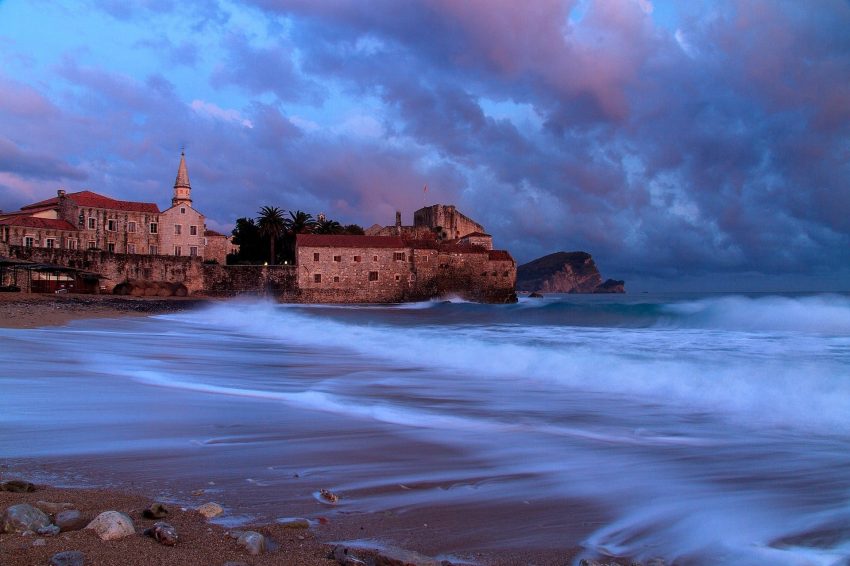
Montenegro is a small but striking country in Southeast Europe, set along the Adriatic Sea and framed by rugged mountains, deep canyons, and clear blue lakes. Its compact size makes it easy to experience dramatic changes in scenery within a short drive-from coastal towns and beaches to highland forests and alpine viewpoints. The country’s landscapes are a major draw, with places like the Bay of Kotor offering fjord-like vistas and the interior delivering some of the Balkans’ most impressive natural terrain.
Along the coast, Montenegro blends Mediterranean atmosphere with lively promenades, old stone streets, and harbors filled with boats. Inland, the pace shifts to quieter villages, national parks, and outdoor adventures such as hiking, rafting, and skiing depending on the season. Whether you’re looking for relaxed seaside days or active mountain escapes, Montenegro offers a mix of experiences that feels varied without being overwhelming.
Montenegro’s culture reflects its position at a crossroads of influences, visible in its food, music, and everyday rhythms. You’ll find strong coffee traditions, fresh seafood by the sea, hearty mountain dishes inland, and a welcoming, unhurried approach to hospitality. With a growing travel scene, good value in many areas, and a balance of nature and charm, Montenegro is an appealing destination for travelers who want both scenery and atmosphere in one place.
Table of Contents
- History of Montenegro
- Antiquity to Early Middle Ages
- Medieval Principalities
- Venetian Coast and Ottoman Pressure
- The Prince-Bishops and a Mountain Polity
- 19th Century: From Theocracy to Principality
- World War I and Unification with Serbia
- World War II and Socialist Yugoslavia
- The 1990s: Yugoslav Breakup and the Serbia-Montenegro Federation
- Independence and Contemporary Montenegro
- Best Time to Visit Montenegro
- Food and Drink from Montenegro
History of Montenegro
Montenegro’s history is shaped by its position between the Adriatic coast and the Balkan interior, where small mountain polities, maritime cities, and larger empires repeatedly competed for influence.
Antiquity to Early Middle Ages
In antiquity, the Adriatic coastline and nearby hinterland were drawn into the Roman world after earlier Illyrian polities and local communities. Roman rule brought urban centers, roads, and integration into imperial trade. After the division of the Roman Empire and the upheavals of late antiquity, the region became part of the Eastern Roman (Byzantine) sphere, though control fluctuated as Slavic groups settled across the Balkans in the early medieval period.
Medieval Principalities (Duklja/Zeta)
By the early Middle Ages, South Slavic principalities emerged. One of the most important in the area of present-day Montenegro was Duklja (also known as Dioclea), which at times achieved significant autonomy and regional prominence. Over the centuries, political centers shifted and the name Zeta became common for the medieval polity in the region. These lands were influenced by both the Latin Adriatic world and the Orthodox Slavic-Byzantine tradition, a duality that would remain characteristic.
Venetian Coast and Ottoman Pressure
From the late medieval period onward, the coastal towns—especially around the Bay of Kotor—were increasingly tied to maritime powers, most notably Venice, which left a strong architectural and cultural imprint. Inland, the rise of the Ottoman Empire transformed the balance of power in the Balkans. While the Ottomans established authority over much of the surrounding region, Montenegro’s rugged terrain and clan-based social organization helped sustain a degree of local autonomy, even as Ottoman influence and periodic campaigns remained a constant factor.
The Prince-Bishops and a Mountain Polity
From the early modern era, Montenegro developed a distinctive system in which leadership was often associated with the Orthodox metropolitan (vladika), combining religious authority with political leadership. This “prince-bishopric” model helped unify clans and coordinate resistance and diplomacy. Over time, the Petrović-Njegoš dynasty became central to Montenegrin political life, strengthening institutions, codifying customary law, and consolidating authority in a society long organized around tribes and local loyalties.
19th Century: From Theocracy to Principality
In the 19th century, Montenegro moved toward a more conventional state structure. The prince-bishop system was replaced by a secular principality, and reforms aimed to centralize governance and modernize administration. Montenegro expanded its territory in conflicts with the Ottoman Empire and gained broader international recognition. By the end of the century, it had become a kingdom, seeking to balance relations with neighboring South Slavic lands and the great powers.
World War I and Unification with Serbia
During World War I, Montenegro fought on the side of the Entente but was occupied by Austro-Hungarian forces. After the war, a controversial process led to Montenegro’s unification with Serbia and incorporation into the new Kingdom of Serbs, Croats and Slovenes (later Yugoslavia). This period was marked by political division inside Montenegro, including armed resistance by groups opposing the manner of unification and the loss of Montenegrin statehood.
World War II and Socialist Yugoslavia
In World War II, Montenegro experienced occupation, shifting control, and intense conflict involving partisan resistance, collaborationist forces, and civil strife. After 1945, Montenegro became one of the constituent republics of socialist Yugoslavia. The postwar era brought industrialization, expanded education, and infrastructure development, alongside the political constraints of a one-party system. A distinct Montenegrin republican identity was recognized within the Yugoslav federal framework.
The 1990s: Yugoslav Breakup and the Serbia-Montenegro Federation
As Yugoslavia disintegrated in the early 1990s, Montenegro remained in a federation with Serbia, first as the Federal Republic of Yugoslavia and later as the State Union of Serbia and Montenegro. The decade was shaped by regional wars, sanctions, economic hardship, and internal political shifts. Over time, Montenegrin leadership increasingly pursued greater autonomy, including separate economic and policy directions.
Independence and Contemporary Montenegro
In 2006, a referendum resulted in Montenegro restoring independence as a sovereign state. The following years focused on state-building, economic restructuring, and aligning with Euro-Atlantic institutions. Montenegro joined NATO in 2017 and continued to pursue European integration while navigating domestic debates over identity, governance, corruption, and the relationship between church, state, and national history. The country’s politics in the 2010s and 2020s featured significant electoral changes and ongoing contestation over reform and institutional trust, alongside efforts to position Montenegro as a stable Adriatic state with a distinct national trajectory.
Best Time to Visit Montenegro
Visiting Montenegro in Spring
Spring (March–May) is one of the best times to visit Montenegro for mild temperatures, greener landscapes, and fewer crowds than summer. It’s ideal for exploring the Bay of Kotor and coastal towns before peak season, as well as hiking in places like Lovćen and Durmitor as trails begin to open up. Festival highlight: The Kotor Carnival (often in February or March, depending on the year) can be a major draw, bringing parades, costumes, and lively events to the old town.
Visiting Montenegro in Summer (Best)
Summer (June–August) is the top season in Montenegro for beach weather, swimming, and nightlife—especially along the Adriatic coast in Budva, Kotor, Tivat, and Ulcinj. Expect the warmest temperatures, the most events, and the biggest crowds (with higher prices), so booking ahead is important. Festival highlight: Sea Dance Festival (typically late summer) is a standout for music lovers, drawing international acts and a big festival atmosphere on the coast.
Visiting Montenegro in Autumn
Autumn (September–November) is a great choice if you want warm sea temperatures in early fall, fewer tourists, and more comfortable conditions for sightseeing and hiking. September is especially appealing for a “shoulder season” mix of beach time and cultural exploring, while October and November are calmer and cooler. Festival highlight: The Boka Night festivities in the Bay of Kotor area (often in August, but sometimes extending into late summer scheduling) are a notable regional celebration if your timing aligns.
Visiting Montenegro in Winter
Winter (December–February) is best for a quieter, more local-feeling Montenegro, with a mix of coastal calm and mountain snow. The coast is mild but many beach-focused businesses slow down, while the north (around Žabljak and Durmitor) becomes the hub for snow sports and winter scenery. Festival highlight: New Year celebrations in coastal towns and Podgorica can be lively, with events, concerts, and seasonal markets depending on the year.
Food and Drink from Montenegro
Montenegrin food and drink reflect a meeting point of Adriatic coastal flavors and hearty mountain cooking, shaped by Mediterranean, Balkan, and Ottoman influences. Along the coast, meals tend to be lighter and centered on seafood, olive oil, citrus, and fresh vegetables, while inland dishes lean toward slow-cooked meats, dairy, cornmeal, and preserved foods suited to colder climates. Bread, seasonal salads, and simple soups are common across the country, and hospitality is a strong tradition—tables are often filled with shared plates meant for lingering.
On the Adriatic side, fish and shellfish are staples, often grilled whole and finished with olive oil, garlic, and herbs. Black risotto made with cuttlefish ink is a well-known coastal specialty, as are buzara-style preparations of mussels or shrimp simmered with wine, garlic, and parsley. You’ll also find Italian-leaning touches such as pasta and polenta alongside local favorites like blitva (Swiss chard with potatoes) and fresh cheeses. Coastal towns pair these dishes with crisp white wines and a steady rhythm of coffee and pastries.
In the mountains and northern regions, the cuisine becomes more robust and comforting. Kačamak—mashed potatoes blended with cornmeal and enriched with kajmak or cheese—is a classic, as are hearty stews and roasted meats. Smoked and cured products are prominent, including pršut (air-dried ham), often served thinly sliced with cheese, olives, and bread as a simple but satisfying starter. Dairy is especially important inland, with kajmak, yogurt, and a range of local cheeses appearing at breakfast and alongside main dishes.
Drinks in Montenegro range from strong spirits to respected local wines. Rakija, a fruit brandy commonly made from grapes or plums, is frequently offered as a welcome drink and sipped during celebrations. Wine culture is anchored by indigenous and regional varieties, with Vranac producing bold reds and Krstač known for aromatic whites, particularly from the area around Lake Skadar. Coffee is a daily ritual—often prepared in a traditional style and enjoyed slowly—while herbal teas and seasonal fruit syrups round out the non-alcoholic side of Montenegrin refreshment.