Monaco: The Ultimate Travel Guide 2026
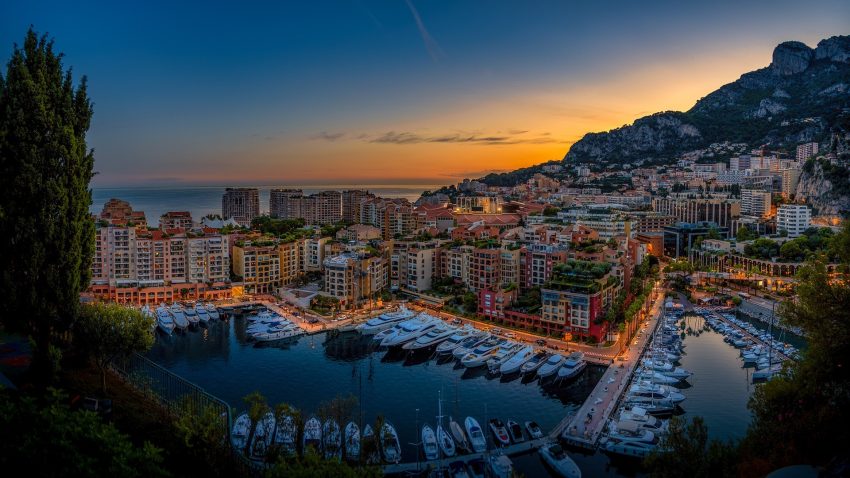
Monaco is a compact, glamorous city-state on the French Riviera, known for its polished waterfront, dramatic hillside views, and unmistakable Mediterranean atmosphere. Despite its small size, it feels distinctly international, drawing visitors with a blend of French elegance and a lively, cosmopolitan energy that’s present year-round.
The principality is best experienced by wandering its distinct districts, from the sleek harbor lined with yachts to the refined streets of Monte Carlo. You’ll find luxury boutiques, grand hotels, manicured gardens, and striking architecture packed into a walkable area, with efficient public transport and elevators that make navigating the steep terrain surprisingly easy.
Beyond the shine, Monaco also offers quieter pleasures: scenic coastal paths, excellent dining ranging from casual cafés to fine restaurants, and cultural spots like museums and performance venues. Whether you’re visiting for a quick day trip or a longer stay, Monaco delivers a concentrated dose of Riviera style, sea views, and city-like convenience in a uniquely small setting.
Table of Contents
- History of Monaco
- Ancient and Roman era
- Medieval foundations and Genoese control
- 1297 and the rise of the Grimaldi
- Early modern sovereignty and treaties
- Revolution, annexation, and restoration
- The Monte Carlo era and economic transformation
- 20th century: constitutional change and modern statehood
- Late 20th–21st century: international integration and continuity
- Best Time to Visit Monaco
- Food and Drink from Monaco
History of Monaco
Monaco’s history is defined by its strategic Mediterranean position, its long rule by the Grimaldi family, and its evolution from a fortified outpost into a modern sovereign microstate closely linked to France.
Ancient and Roman era
Long before Monaco became a principality, the rocky promontory known today as “Le Rocher” was valued as a natural strongpoint and harbor on the Ligurian coast. Phoenician and Greek sailors used nearby anchorages, and the area later fell under Roman influence as part of the wider network of settlements and routes along the northern Mediterranean. The name “Monoikos” is associated with antiquity and linked to the cult of Hercules, reflecting how the site was understood in the classical world.
Medieval foundations and Genoese control
After the fragmentation of Roman authority, the region passed through the shifting control typical of medieval coastal Europe. By the late Middle Ages, the Republic of Genoa sought to secure key points along the coast. In 1215, Genoese forces established a fortress on the Rock, laying the physical and political foundations for Monaco as a fortified place with strategic value.
1297 and the rise of the Grimaldi
Monaco’s defining dynastic story begins in 1297, when François Grimaldi seized the fortress in a coup that later became legendary. Although control changed hands more than once in subsequent decades, the Grimaldi family gradually entrenched its position. Over time, Monaco became a Grimaldi-held lordship, with its security and autonomy shaped by alliances, rivalries, and the realities of living between larger powers.
Early modern sovereignty and treaties
From the 1500s onward, Monaco navigated a difficult balance between independence and protection. The principality often relied on stronger neighbors to safeguard its autonomy. A major turning point came in 1641 with the Treaty of Péronne, which placed Monaco under French protection while affirming the prince’s authority and helping reduce dependence on other regional powers. This arrangement—sovereignty paired with a powerful protector—became a recurring theme in Monaco’s survival.
Revolution, annexation, and restoration (late 1700s–1800s)
The French Revolution upended Monaco’s status. Revolutionary France annexed Monaco in the 1790s, ending princely rule for a time. After Napoleon’s fall, Monaco’s sovereignty was restored, though its position remained precarious. During the 1800s, Monaco faced internal and territorial pressures, including the loss of much of its land. In 1861, Monaco formally ceded the towns of Menton and Roquebrune to France, leaving the principality with its current small territory. In exchange, Monaco’s independence was more clearly secured and its relationship with France stabilized.
The Monte Carlo era and economic transformation (mid–late 1800s)
With its territory reduced and traditional revenues limited, Monaco pursued a new economic model. The establishment of Monte Carlo and the development of casino-led tourism transformed the principality’s finances and international profile. This period also saw major urban development and the creation of the modern image of Monaco as a destination for leisure, culture, and high society.
20th century: constitutional change and modern statehood
Monaco’s institutions modernized in the 1900s. A constitution introduced in 1911 created a framework for governance that evolved over time, including later reforms that strengthened legal and administrative structures. Monaco’s relationship with France was clarified through agreements that addressed succession, defense, and foreign affairs coordination, reflecting Monaco’s sovereignty alongside practical reliance on its larger neighbor.
During the reign of Prince Rainier III (from 1949), Monaco underwent rapid modernization: major construction projects expanded usable land and infrastructure, the economy diversified beyond gaming, and the principality’s global visibility increased.
Late 20th–21st century: international integration and continuity
Monaco increasingly engaged with international institutions and norms while maintaining its distinct status. Under Prince Albert II (reigning since 2005), Monaco has continued policies of economic development, urban planning (including land reclamation projects), and international engagement, while preserving the principality’s dynastic continuity and its unique political arrangement as a sovereign city-state on the French Riviera.
Today, Monaco remains one of the world’s smallest countries, notable for its long-ruling Grimaldi dynasty, its carefully managed sovereignty, and its transformation from a medieval fortress into a modern, globally recognized principality.
Best Time to Visit Monaco
Visiting Monaco in Spring (Best)
Spring is one of the best times to visit Monaco for mild temperatures, longer daylight hours, and a lively atmosphere without the peak-summer crowds. It’s ideal for walking the harbor, exploring Monte Carlo, and enjoying outdoor dining.
Festival highlight:
- Monaco Grand Prix (late May): The biggest annual draw, with the city transforming into a world-famous street circuit. Book accommodation well in advance.
Visiting Monaco in Summer
Summer brings the warmest weather and the most glamorous, high-energy vibe, with beach time and late nights around Monte Carlo and Port Hercules. Expect higher prices and more visitors, especially in July and August.
Festival highlights:
- Monte-Carlo Summer Festival (typically July–August): Major concerts and performances, often featuring international artists.
- Bastille Day celebrations nearby (July 14): While not a Monaco festival, the region becomes especially festive and busy.
Visiting Monaco in Autumn
Autumn is a strong choice for pleasant weather, fewer crowds, and a more relaxed pace after the summer rush. Sea temperatures can remain comfortable in early autumn, and it’s a great season for scenic coastal walks and day trips along the Riviera.
Festival highlight:
- Monaco Yacht Show (late September): A major event showcasing superyachts, drawing visitors from around the world.
Visiting Monaco in Winter
Winter is the quietest season, offering a calmer, more local feel and often better value on accommodations. While it’s cooler and less beach-oriented, it’s a good time for museums, dining, and enjoying Monaco without the crowds.
Festival highlights:
- Monte-Carlo International Circus Festival (January): One of the most famous circus events in the world.
- Christmas and New Year festivities (December): Seasonal lights, decorations, and a festive atmosphere around central Monaco.
Food and Drink from Monaco
Monaco’s food and drink reflect its position on the French Riviera, blending Provençal and French influences with a distinct Ligurian-Italian thread. Despite its small size, the principality offers everything from casual seaside bites to refined dining, with an emphasis on fresh Mediterranean produce, olive oil, herbs, and seafood. Meals often feel light and seasonal, shaped by the local markets and the rhythms of coastal life, while the dining scene also caters to international tastes drawn by Monaco’s cosmopolitan crowd.
Traditional Monegasque dishes are simple, flavorful, and rooted in home cooking. Barbagiuan—crisp fried pastries typically filled with chard, ricotta, and herbs—are a beloved local specialty, as is socca, a thin chickpea flour pancake enjoyed hot and peppery. Stocafi, a slow-cooked salt cod dish, speaks to older maritime trade routes and pantry staples, while fougasse (in Monaco, often a sweet bread rather than the savory French version) appears as a fragrant treat, sometimes scented with orange flower water or anise.
Seafood plays a starring role, with menus featuring grilled fish, shellfish, and dishes that highlight the day’s catch with minimal fuss. You’ll also find Riviera classics such as salade niçoise, ratatouille, and pasta or risotto preparations that nod to nearby Italy. Desserts tend toward fruit, citrus, almonds, and honey, reflecting the region’s sun-soaked agriculture and preference for clean, bright flavors.
On the drinks side, Monaco’s culture leans toward French-style aperitifs and wine with meals, often favoring crisp whites and rosés suited to warm weather and seafood. Champagne is common in celebratory settings, while cocktails and long drinks are prominent in the principality’s glamorous bars and hotel terraces. Coffee is typically enjoyed in the European style—short and strong—while after-dinner digestifs may include herbal liqueurs or aged spirits, rounding out a dining experience that balances Riviera ease with polished sophistication.