Mayotte: The Ultimate Travel Guide 2026
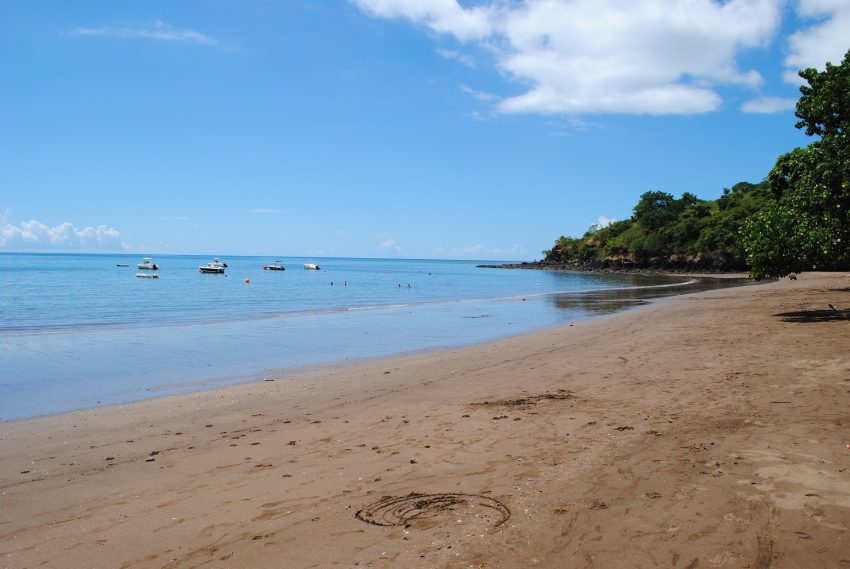
Mayotte is a small French overseas department and region in the Indian Ocean, set between Madagascar and Mozambique in the northern Mozambique Channel. Part of the Comoros archipelago, it’s known for its warm tropical climate, lush hillsides, and a coastline shaped by one of the world’s largest enclosed lagoons. Its position at the crossroads of African and island cultures gives the island a distinctive character that feels both familiar and unique.
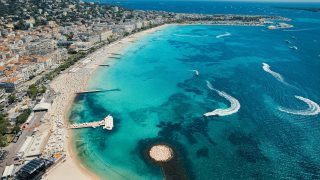
The lagoon is Mayotte’s defining feature: a broad, sheltered expanse of turquoise water protected by a barrier reef, dotted with islets and edged by mangroves and sandy coves. Marine life is abundant, and the calm waters make the island especially appealing for swimming, snorkeling, and diving. Inland, volcanic terrain creates scenic viewpoints and short hikes through greenery, offering a contrast to the coastal calm.
Everyday life in Mayotte blends French administration with local traditions, languages, and rhythms. Markets, small villages, and the capital Mamoudzou provide a window into island life, with food, music, and community gatherings reflecting a mix of influences from the wider region. For visitors, Mayotte offers a quieter, nature-forward experience-more about lagoons and landscapes than big resorts-while still providing the practical comforts that come with being part of France.
Table of Contents
- History of Mayotte
- Early settlement and Indian Ocean networks
- Sultanates and regional rivalries
- French acquisition and the colonial turn
- Integration into the Comoros colony
- From overseas territory to the independence question
- Referendums and separation from an independent Comoros
- Gradual departmentalization
- Contemporary Mayotte: rapid change and persistent tensions
- Best Time to Visit Mayotte
- Food and Drink from Mayotte
History of Mayotte
Mayotte is an island in the northern Mozambique Channel, part of the Comoros archipelago, whose history has been shaped by Indian Ocean trade, regional sultanates, slavery and plantation economies, and—more recently—its distinctive political choice to remain part of France while neighboring islands became independent.
Early settlement and Indian Ocean networks (to c. 1500)
Austronesian and Bantu-speaking migrations helped populate the Comoros over many centuries, and Mayotte developed within a wider Swahili-influenced Indian Ocean world. By the late first millennium and into the medieval period, maritime trade linked the islands to the East African coast, Madagascar, Arabia, Persia, and later South Asia. Islam spread through these networks, and coastal settlements grew around commerce, agriculture, and local chiefly authority.
Sultanates and regional rivalries (c. 1500–1841)
From the early modern period, Mayotte was drawn into shifting power struggles among Comorian sultanates and neighboring forces. Local rulers competed for control of trade routes and resources, while raids and conflicts—often connected to the regional slave trade—destabilized communities. Political authority frequently changed hands through alliances, conquest, and dynastic disputes, and Mayotte’s fortunes rose and fell with the balance of power among Anjouan, Grande Comore, and other regional actors.
French acquisition and the colonial turn (1841–1912)
In 1841, Mayotte’s ruler ceded the island to France, a move shaped by local insecurity and the search for external protection. France established a colonial administration and began reorganizing landholding and labor. Slavery was abolished under French rule in the mid-19th century, but coerced labor and plantation-style production persisted in new forms. The island became part of France’s broader strategy in the southwest Indian Ocean, alongside interests in Madagascar and the East African coast.
Integration into the Comoros colony (1912–1946)
In 1912, Mayotte was administratively attached to the colony of the Comoros, itself linked to French Madagascar. This period saw continued economic dependence on agriculture and limited infrastructure development compared with larger colonial priorities elsewhere. Social life remained strongly shaped by Islam, local customary practices, and the legacy of plantation economies.
From overseas territory to the independence question (1946–1975)
After World War II, the Comoros became a French overseas territory (1946), and political life expanded through representative institutions. As decolonization accelerated, debates intensified over whether the archipelago should become independent as a whole or whether individual islands could choose different futures. Mayotte increasingly diverged politically from the other islands, with many residents favoring continued association with France, influenced by economic expectations, administrative ties, and concerns about governance and stability.
Referendums and separation from an independent Comoros (1974–1976)
In the 1974 referendum on independence for the Comoros, the archipelago overall voted to become independent, but Mayotte voted strongly to remain French. When the Comoros declared independence in 1975, France recognized independence for the other islands while maintaining its presence in Mayotte. Additional votes in Mayotte in 1976 reaffirmed the preference to stay with France. This created a lasting sovereignty dispute: the Comoros has continued to claim Mayotte, while France has treated it as French territory based on local referendums and subsequent legal changes.
Gradual departmentalization (1976–2011)
For decades, Mayotte’s status evolved through intermediate arrangements, with France expanding public services and aligning local institutions more closely with metropolitan standards. This process was complex: French civil law increasingly replaced or limited certain customary and religious legal practices, and administrative reforms aimed to standardize governance, education, healthcare, and social benefits. In 2009, a local referendum supported becoming a French department, and in 2011 Mayotte became France’s 101st department (and an outermost region of the European Union), marking a major institutional shift.
Contemporary Mayotte: rapid change and persistent tensions (2011–present)
Departmental status accelerated legal and administrative integration with France, but also highlighted gaps in infrastructure, housing, schooling, and healthcare relative to demand. Mayotte has experienced strong population growth, fueled by high birth rates and significant migration from neighboring islands, especially the Comoros, driven by economic disparities and access to services. These pressures have contributed to recurring social tensions, debates over immigration enforcement, and challenges in public security and urban planning. At the same time, Mayotte remains culturally rooted in the Comorian-Swahili world—linguistically, religiously, and socially—while politically and administratively anchored to France.
Best Time to Visit Mayotte
Visiting Mayotte in Summer (December–March)
Summer is hot, humid, and marks the peak of the rainy season. Expect lush landscapes and dramatic skies, but also heavier downpours, higher mosquito activity, and occasional rougher seas that can limit lagoon excursions. This is a good time if you don’t mind tropical weather and want greener scenery, but plan flexible outdoor days and prioritize early-morning activities.
Visiting Mayotte in Autumn (April–June) (Best)
Autumn is one of the most comfortable and reliable times to visit Mayotte. Rainfall eases, humidity drops, and the lagoon is typically calmer—great for snorkeling, diving, and boat trips. Visibility in the water is often strong, and temperatures remain pleasantly warm without the intense wet-season feel. If you want the best balance of weather and water activities, this is the top pick.
Visiting Mayotte in Winter (July–September)
Winter is the dry season, with cooler evenings and lower humidity. It’s an excellent period for hiking, exploring villages, and spending long days outdoors without the heavy heat. Sea conditions are often favorable for lagoon outings, though the water can feel slightly cooler than other times of year. This season can also be a highlight for marine-life experiences, with good chances for whale watching during the broader winter months.
Visiting Mayotte in Spring (October–November)
Spring is a warm shoulder season as temperatures rise and humidity begins to build ahead of the rains. It’s still a strong time for lagoon activities, with fewer weather disruptions than mid-summer and generally good conditions for beach time and snorkeling. If you prefer warmer water and don’t want peak wet-season rainfall, spring can be a sweet spot.
Festivals and highlights in Mayotte
Mayotte’s cultural calendar can vary year to year, but Islamic holidays are often major highlights, especially Eid al-Fitr (end of Ramadan) and Eid al-Adha, bringing family gatherings, special meals, and a festive atmosphere. If you’re interested in local culture, visiting around these periods can be rewarding—just note that hours and services may be reduced during key observances.
Food and Drink from Mayotte
Mayotte’s food and drink reflect its position in the Comoros archipelago and its close ties to both East Africa and France. Everyday cooking leans heavily on the Indian Ocean pantry: rice as a staple, abundant fish and seafood, and fragrant seasonings that balance heat with aromatics. Meals are often built around simple, filling bases—rice, cassava, plantain, or breadfruit—paired with stews or grilled items and brightened with citrus, herbs, and chili.
Seafood is central, with tuna, snapper, and other reef fish appearing grilled, fried, or simmered in sauces. Coconut milk is a signature ingredient, used to enrich fish and chicken dishes and to soften the bite of spice while adding sweetness and body. You’ll also find legumes and leafy greens worked into broths and curries, and street-side snacks that can include fritters, skewers, and small savory bites designed to be eaten on the go.
Spice and acidity are key to the flavor profile. Dishes commonly feature garlic, ginger, onion, and chili, alongside warm spices such as turmeric and curry-style blends influenced by regional trade routes. Lime and other citrus are used generously, especially with seafood, and coconut—fresh, grated, or as milk—shows up across both savory dishes and desserts. Tropical fruits like mango, banana, and jackfruit are widely enjoyed, either fresh or incorporated into sweets.
Drinks in Mayotte range from everyday refreshments to café culture influenced by France. Fresh fruit juices are popular, as are sweetened teas and other non-alcoholic drinks suited to the warm climate. Coffee is widely consumed, and French-style soft drinks and bottled beverages are common in shops. Overall, Mayotte’s food and drink feel both island-rooted and globally connected: local ingredients and coastal cooking traditions alongside the tastes and products that come with being part of the French Republic.