Mauritius: The Ultimate Travel Guide 2026
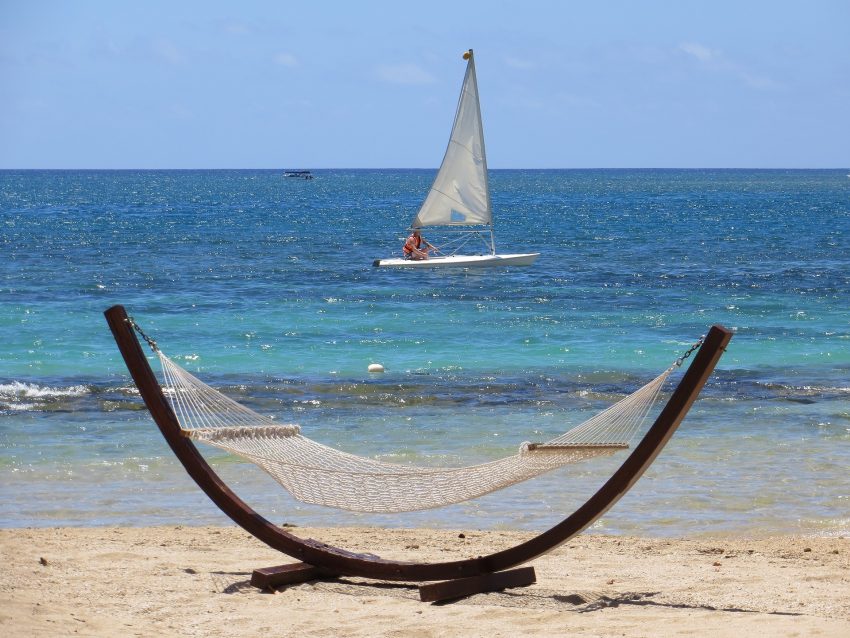
Mauritius is a small island nation in the Indian Ocean, known for its clear lagoons, coral reefs, and a mix of lively towns and quiet coastal villages. Ringed by beaches and backed by green hills, it offers an easy blend of relaxation and adventure-whether that means snorkeling in calm waters, hiking through nature reserves, or simply enjoying the scenery from a seaside café.
What makes Mauritius especially distinctive is its multicultural character, reflected in everyday life, festivals, and food. You’ll find a rich mix of influences in local cuisine, from street snacks and fragrant curries to fresh seafood and French-inspired pastries. Markets, temples, mosques, churches, and colonial-era buildings sit side by side, giving the island a welcoming, cosmopolitan feel.
Beyond the shoreline, Mauritius has plenty to explore: botanical gardens, volcanic landscapes, waterfalls, and viewpoints with sweeping panoramas. The island is also well set up for travelers, with a wide range of accommodations and activities, from luxury resorts to family-run guesthouses. Whether you’re planning a romantic getaway, a family holiday, or a nature-focused trip, Mauritius offers a compact destination with a lot of variety.
History of Mauritius
Mauritius is an island nation in the southwest Indian Ocean whose history has been shaped by successive waves of exploration, colonization, forced and indentured labor, and, later, a multiethnic struggle to build a democratic state and diversified economy.
Early contacts and settlement (pre-1600)
For centuries, the island had no known permanent human settlement. Arab and Malay sailors likely knew of the Mascarene Islands, and European navigators began to map the region from the early 1500s. The Portuguese visited but did not establish a colony.
Dutch Mauritius (1598–1710)
The Dutch took formal possession in 1598 and named the island “Mauritius” after Prince Maurice of Nassau. Attempts at settlement began in the 1630s but were repeatedly undermined by cyclones, droughts, disease, and economic difficulties. The Dutch introduced sugarcane and various plants and animals, and they exploited ebony forests. This period also saw major ecological disruption, including the extinction of the dodo, driven by habitat loss and introduced species. In 1710 the Dutch abandoned the island.
French Isle de France (1715–1810)
France claimed the island in 1715, renaming it Isle de France. Under French administration—especially from the mid-1700s—the colony developed as a strategic naval and trading outpost linked to the wider French Indian Ocean world. Port Louis grew into a key harbor. Plantation agriculture expanded, and enslaved Africans and people from Madagascar were brought in large numbers, forming the backbone of the labor force and leaving a lasting cultural imprint. French law, language, and customs became deeply rooted, shaping the island’s identity well beyond the end of French rule.
British rule and the making of a plantation economy (1810–1835)
During the Napoleonic Wars, Britain captured the island in 1810 and formally acquired it in 1814. The British restored the name Mauritius but largely preserved French civil law, property arrangements, and local customs, allowing the Franco-Mauritian planter class to retain significant influence. Sugar production remained central, and Mauritius became increasingly integrated into British imperial trade networks.
Abolition and indenture (1835–early 1900s)
Slavery was abolished in 1835. To replace enslaved labor on sugar estates, the colonial government and planters turned to indentured labor, primarily from India. Over decades, hundreds of thousands of indentured workers arrived, many passing through the immigration depot at Aapravasi Ghat in Port Louis. A substantial portion stayed, transforming Mauritius demographically, linguistically, and religiously. Alongside Indo-Mauritians, communities of African descent (often referred to as Creoles), Franco-Mauritians, and smaller groups including Chinese migrants contributed to a complex, plural society.
Political reform and rising self-government (1900s–1968)
In the 20th century, labor movements and new political organizations pressed for expanded rights, better working conditions, and broader representation. Constitutional reforms gradually widened the franchise and increased local political power. Debates over independence were shaped by economic interests, communal concerns, and differing visions of the island’s future. Despite tensions, Mauritius moved toward self-rule through negotiated constitutional steps.
Independence and early nation-building (1968–1992)
Mauritius became independent on 12 March 1968, initially as a constitutional monarchy within the Commonwealth. The new state faced challenges including unemployment, reliance on sugar, and social strains in a diverse society. Over time, governments pursued policies to expand education, improve health and social services, and diversify the economy beyond sugar, laying foundations for later growth.
Republic and economic transformation (1992–2000s)
Mauritius became a republic on 12 March 1992 while remaining in the Commonwealth. From the late 20th century onward, the country developed export-oriented manufacturing (notably textiles), tourism, and financial and business services. Political competition continued within a parliamentary democratic framework, and Mauritius gained a reputation for relatively stable institutions in the region, though not without periodic controversies and social debates.
Contemporary Mauritius (2010s–present)
In recent years, Mauritius has continued to balance economic diversification with pressures from global competition, inequality, and environmental vulnerability. The island’s multicultural character remains central to national life, expressed through languages (including Mauritian Creole, French, and English), religious festivals, and a shared civic identity shaped by the legacies of colonization, slavery, and indenture. Ongoing political and economic reforms, along with climate and coastal challenges, continue to influence the country’s direction.
Best Time to Visit Mauritius
Visiting Mauritius in Summer (December to February)
Summer in Mauritius is hot, humid, and at its wettest, with short, heavy showers and the occasional tropical system. It’s a great time if you want lush landscapes, warm lagoon temperatures, and don’t mind planning around bursts of rain. Beach time is still very doable, especially on clearer mornings, and it’s a popular period for holiday travel.
Festival highlights: Thaipoosam Cavadee (often in January/February) can be a major cultural highlight, with vibrant processions and ceremonies.
Visiting Mauritius in Autumn (March to May) (Best)
Autumn is one of the best times to visit Mauritius for a balance of warm weather, calmer seas, and fewer weather disruptions than peak summer. The humidity drops, rainfall eases, and conditions are ideal for swimming, snorkeling, diving, and boat trips. It’s also a strong shoulder season for better value and a more relaxed feel compared with the busiest months.
Festival highlights: Easter (March/April, depending on the year) is widely observed, and Eid (date varies) can be a meaningful time to experience local food and community celebrations.
Visiting Mauritius in Winter (June to August)
Winter in Mauritius is mild, drier, and generally very comfortable—excellent for hiking, sightseeing, and exploring beyond the beach. Trade winds can make some coastal areas feel cooler, and the sea is slightly less warm than in summer, but it’s still pleasant for most travelers. This season is especially good if you prefer lower humidity and clearer days.
Festival highlights: Ganesh Chaturthi (often August/September) may fall toward the end of winter in some years, bringing colorful processions and offerings.
Visiting Mauritius in Spring (September to November)
Spring is a sweet spot: warming temperatures, relatively low rainfall, and great visibility for lagoon activities. It’s an excellent time for beach holidays, catamaran cruises, and diving, with a fresh, bright feel across the island before the peak heat and humidity return.
Festival highlights: Diwali (usually October/November) is a standout, with homes and streets lit up and plenty of festive sweets and gatherings.
Food and Drink from Mauritius
Mauritian food and drink reflect the island’s layered history and multicultural population, blending Indian, Creole, Chinese, and French influences into a cuisine that is bold, fragrant, and often pleasantly spicy. Meals commonly revolve around rice, flatbreads, and a wide range of curries, stews, and stir-fries, with fresh herbs, ginger, garlic, and chilies providing depth. Because Mauritius is surrounded by the Indian Ocean, seafood features prominently, while fertile volcanic soils support abundant tropical fruits and vegetables that appear in everyday cooking.
Street food is a major part of Mauritian life, especially in busy towns and at markets, where quick, flavorful snacks are a daily ritual. Popular bites include dholl puri—soft flatbread stuffed with ground split peas and served with bean curry, chutneys, and pickles—alongside gateaux piments (chili cakes), samosas, and fried noodles. You’ll also find boulettes, delicate dumplings often served in a clear broth with chili sauce, and a variety of “mine frite” and “riz frite” (fried noodles and fried rice) that show the island’s Chinese heritage.
Home-style dishes and restaurant classics highlight slow-cooked comfort and careful spicing rather than overwhelming heat. Curries made with chicken, fish, or vegetables sit alongside rougaille, a Creole tomato-based sauce often paired with sausage, seafood, or eggs, and daube-style stews influenced by French cooking. Condiments are essential: bright coriander chutney, tamarind sauces, and fiery chili pastes add sharpness and contrast, while sides like lentils, beans, and sautéed greens round out the plate.
Drinks in Mauritius range from everyday refreshments to products tied closely to the island’s sugarcane and tropical climate. Fresh juices and smoothies made from pineapple, mango, passion fruit, and lychee are common, as are spiced teas and strong coffee. Sugarcane also underpins the local rum culture, with both traditional and agricole-style rums enjoyed neat, in cocktails, or infused with vanilla, citrus, and spices—often served as a convivial finish to a meal.