Martinique: The Ultimate Travel Guide 2026
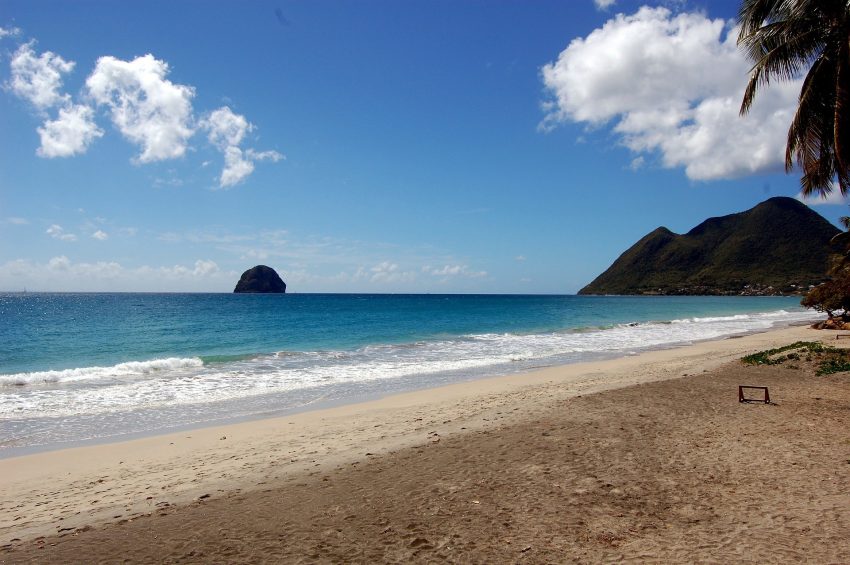
Martinique is a lush Caribbean island in the Lesser Antilles, known for its dramatic volcanic landscapes, tropical rainforests, and a coastline that shifts from calm, sandy bays to rugged Atlantic shores. As an overseas region of France, it blends French and Caribbean influences in everyday life-seen in the language, cuisine, and the easy rhythm of its towns and seaside villages. The island’s compact size makes it simple to explore, yet varied enough to feel like multiple destinations in one.
Nature is at the heart of Martinique’s appeal. Hikers and outdoor lovers are drawn to the island’s peaks and trails, while beachgoers can choose between tranquil coves on the Caribbean side and windier stretches ideal for water sports on the Atlantic. Botanical gardens, waterfalls, and scenic drives offer plenty of ways to experience the island beyond the shore, with viewpoints that open onto emerald hills and wide ocean horizons.
Martinique is also a place to slow down and savor. Local markets brim with tropical fruit, spices, and handmade goods, and the food scene ranges from casual beach snacks to refined French-Caribbean dining. Whether you’re visiting for relaxation, adventure, or a bit of both, Martinique offers a distinctive mix of island warmth and European flair that feels welcoming from the moment you arrive.
Table of Contents
- History of Martinique
- Before 1500: Indigenous Martinique
- 1502–1635: First European contact and early rivalry
- 1635–1700: French colonization and the plantation economy
- 1700s: War, slavery, and imperial competition
- 1789–1848: Revolution, abolition struggles, and emancipation
- 1902: The Mount Pelée catastrophe
- 1946–1960s: Departmentalization and the postwar transition
- 1970s–1990s: Social change, labor struggles, and autonomy debates
- 2000s–present: Modern Martinique within the French Republic
- Best Time to Visit Martinique
- Food and Drink from Martinique
History of Martinique
Martinique is a Caribbean island in the Lesser Antilles whose history has been shaped by Indigenous settlement, European colonization, plantation slavery, and its modern status as an overseas department and region of France.
Before 1500: Indigenous Martinique
Long before Europeans arrived, Martinique was inhabited by Indigenous peoples of the Caribbean. Archaeological evidence points to early settlement by Arawakan-speaking groups, followed later by Cariban-speaking peoples. Communities lived from fishing, farming (including cassava), and inter-island trade, with social and cultural ties across the Antilles.
1502–1635: First European contact and early rivalry
Christopher Columbus reached Martinique in 1502 during his fourth voyage. Spain did not establish a lasting colony there, but European powers increasingly viewed the island as strategically valuable. For more than a century, Martinique remained largely outside permanent European control, though it was visited by explorers, traders, and privateers, and Indigenous communities faced growing disruption.
1635–1700: French colonization and the plantation economy
France established a permanent colony in 1635, beginning a long period of French rule. Colonization brought land seizure, conflict, and the rapid transformation of the island’s economy. Tobacco and other crops were cultivated early on, but sugar soon became dominant, driving the expansion of plantations and the large-scale importation of enslaved Africans.
Martinique became integrated into the French Atlantic world, with wealth concentrated among planters and merchants while enslaved people formed the majority of the population. Colonial society developed rigid racial and legal hierarchies that would shape the island for centuries.
1700s: War, slavery, and imperial competition
Throughout the 18th century, Martinique was repeatedly affected by European wars. Britain occupied the island at various moments, reflecting its strategic importance in Caribbean trade and naval power. Despite these disruptions, the sugar economy expanded, and slavery remained central to production and social order.
1789–1848: Revolution, abolition struggles, and emancipation
The French Revolution reverberated strongly in Martinique, raising questions about rights, citizenship, and slavery. Political turmoil in France and shifting colonial policies created uncertainty on the island. Slavery was abolished by revolutionary France in 1794, but Martinique’s circumstances and foreign occupations complicated implementation, and slavery continued there longer than in some other French territories.
In 1848, France abolished slavery definitively across its colonies. Emancipation ended legal enslavement, but plantation labor systems persisted in new forms, and economic power largely remained in the hands of established elites. The post-emancipation era also saw the arrival of indentured workers, including from India, contributing to Martinique’s cultural and demographic diversity.
1902: The Mount Pelée catastrophe
On 8 May 1902, Mount Pelée erupted catastrophically, destroying the town of Saint-Pierre—then a major cultural and economic center—and killing tens of thousands of people within minutes. The disaster reshaped the island’s urban life and economy, shifting prominence toward Fort-de-France and leaving a lasting imprint on Martinican memory and identity.
1946–1960s: Departmentalization and the postwar transition
In 1946, Martinique became an overseas department of France, a major political change known as departmentalization. This brought closer administrative integration with France and expanded access to French social services and institutions. At the same time, it intensified debates about identity, autonomy, and the legacies of colonialism.
Martinique also became influential in Francophone intellectual life. Writers and thinkers associated with Négritude and later movements explored Black identity, colonial power, and cultural affirmation, shaping how Martinicans and others understood the island’s place in the world.
1970s–1990s: Social change, labor struggles, and autonomy debates
As the plantation economy declined in relative importance, Martinique’s economy shifted toward services, public-sector employment, and tourism, alongside continued agriculture (notably bananas and rum). Social movements and labor disputes periodically highlighted inequalities, cost of living, and the island’s dependence on metropolitan France.
Political life featured ongoing discussion of greater local control, ranging from modest decentralization to stronger autonomy, though support varied across the population.
2000s–present: Modern Martinique within the French Republic
In the 21st century, Martinique has continued to navigate the opportunities and constraints of being part of France and the European Union while remaining geographically and culturally Caribbean. Institutional reforms strengthened local governance, and public debate has continued over economic development, environmental challenges, and historical memory.
Issues such as the high cost of living, economic dependence, and the long-term effects of pesticide use in agriculture have fueled activism and policy efforts. At the same time, Martinique’s cultural life—language, music, literature, cuisine, and festivals—remains a central expression of its distinct identity, shaped by Indigenous roots, African heritage, European influence, and later migrations.
Best Time to Visit Martinique
Visiting Martinique in Winter (Best)
Winter (December–February) is one of the best times to visit Martinique for reliably sunny, warm days, lower humidity, and comfortable evenings—ideal for beach time, hiking, and exploring towns without the heavier heat. It’s also peak travel season, so expect higher prices and the need to book accommodations and car rentals early. Festival highlight: Carnival season builds toward its biggest celebrations in February or early March (timing varies by year), bringing parades, costumes, music, and all-night festivities.
Visiting Martinique in Spring
Spring (March–May) is a great shoulder-season option in Martinique, with plenty of sunshine, warm water, and slightly fewer crowds after peak winter travel. Late spring can start to feel more humid, but it’s still a strong choice for snorkeling, diving, and road-tripping around the island. Festival highlight: Easter is widely celebrated, and May 22 (Abolition of Slavery Day) is an important cultural date with commemorations and events.
Visiting Martinique in Summer
Summer (June–August) in Martinique is hotter and more humid, with a higher chance of showers—often brief and followed by sun. It can be a good time for better deals and a more local feel, especially if you don’t mind occasional rain and plan flexible outdoor activities. Festival highlight: The Tour des Yoles Rondes (usually late July/early August) is a major sailing event and one of the island’s biggest annual spectacles, with races, beach gatherings, and a festive atmosphere.
Visiting Martinique in Autumn
Autumn (September–November) is the quietest period in Martinique and often the best for bargains, but it overlaps with the peak of the Atlantic hurricane season, meaning a higher risk of storms and more frequent rain. If you visit during this time, consider travel insurance and keep plans adaptable. Festival highlight: November 1 (All Saints’ Day) is significant locally, with many residents visiting cemeteries and towns taking on a distinctive, reflective atmosphere.
Food and Drink from Martinique
Martinique’s food and drink reflect a rich blend of French technique and Caribbean ingredients, shaped by Creole traditions and the island’s history. Meals often balance heat, acidity, and freshness, with plenty of herbs, citrus, and chile alongside slow-cooked stews and crisp fritters. Local markets are central to the food culture, piled with tropical fruit, root vegetables, fresh fish, and fragrant spices that find their way into everyday home cooking as well as restaurant plates.
Seafood is a cornerstone, commonly prepared grilled, stewed, or in bright sauces. Dishes frequently feature fish and shellfish paired with rice, plantains, or provisions like yam and cassava. Accras—savory fritters, often made with saltfish—are a popular snack or starter, while hearty Creole stews and braises showcase layered seasoning and careful simmering. You’ll also find French-Caribbean touches in pastries and breads, and in the way sauces and sides are composed.
Spice and condiments play an outsized role in Martinican cuisine. Creole seasoning blends, fresh thyme, parsley, scallions, and plenty of lime or vinegar help define the island’s signature flavor profile. Hot sauces and pepper pastes are common at the table, and pickled vegetables or tangy slaws add crunch and contrast. Desserts lean toward tropical sweetness, with bananas, pineapple, guava, and coconut appearing in tarts, cakes, and chilled treats.
Drinks are led by rum, especially rhum agricole made from fresh sugarcane juice, which is a point of pride on the island. It’s enjoyed neat, in tastings, or in the classic Ti’ Punch—rum with lime and a touch of cane syrup—often mixed to personal preference. Alongside rum, you’ll find fresh fruit juices, coconut water, and locally inspired cocktails that highlight island produce. Coffee and aperitifs also reflect the French influence, rounding out a drinking culture that moves easily from beachside refreshment to refined sipping.