Marshall Islands: The Ultimate Travel Guide 2026
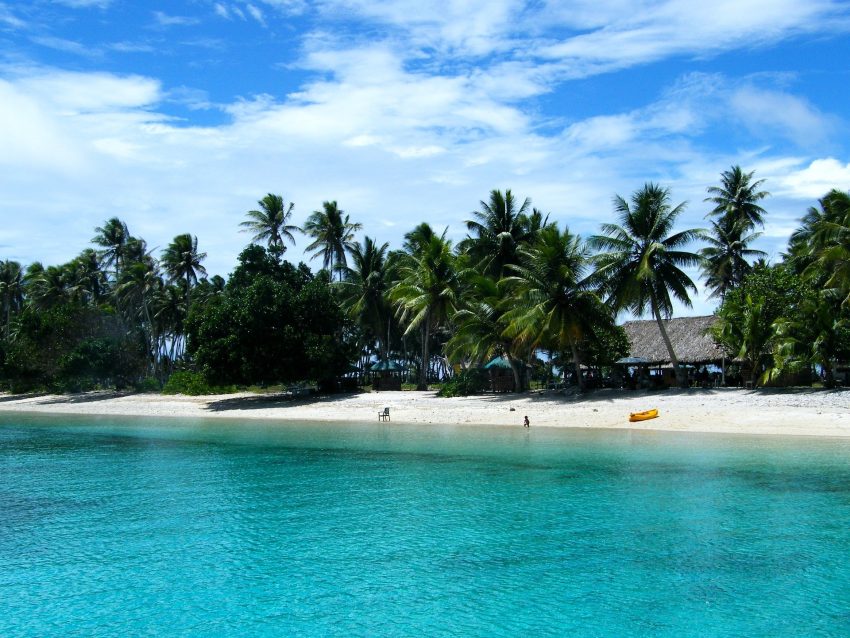
The Marshall Islands is a small island nation in the central Pacific Ocean, made up of 29 coral atolls and five low-lying islands scattered across a vast stretch of sea. Though its land area is modest, its ocean territory is immense, giving the country a strong maritime identity shaped by lagoons, reefs, and open-water horizons. The capital, Majuro, is the main population and administrative center, while many outer atolls remain remote, closely tied to traditional community life.
Life in the Marshall Islands is deeply connected to the ocean and the rhythms of island living. Fishing, local agriculture, and public-sector work support many households, and daily routines often revolve around the coast-whether for food, transport, or recreation. Marshallese culture is expressed through language, storytelling, navigation traditions, music, and communal gatherings, with strong family and clan ties playing an important role in social life.
Visitors are drawn by clear lagoons, vibrant marine ecosystems, and a relaxed pace that contrasts with more crowded destinations. At the same time, the country faces modern challenges common to low-lying island states, including limited land, infrastructure constraints, and vulnerability to climate change and sea-level rise. Together, these elements make the Marshall Islands a distinctive place-ocean-centered, community-oriented, and shaped by both natural beauty and environmental realities.
History of Marshall Islands
The Marshall Islands’ history is shaped by long-distance ocean navigation, layered colonial rule, wartime devastation, nuclear testing, and a gradual move to self-government and independence in free association with the United States.
Before European contact (c. 2000 BCE–1500s)
The islands were settled by Micronesian voyagers who developed sophisticated navigation and seafaring traditions. Communities organized around extended kin networks and chiefly lineages, with land rights and social status closely tied to family and atoll-based affiliations. Inter-island exchange and voyaging connected the Marshalls to wider Micronesian networks, while life centered on fishing, canoe building, and managing scarce land and freshwater resources.
Early European encounters and naming (1500s–1800s)
Spanish explorers reached parts of Micronesia in the 1500s, but sustained European involvement in the Marshalls remained limited for centuries. The name “Marshall Islands” comes from British captain John Marshall, who sailed through the area in 1788. During the 1800s, whalers, traders, and missionaries increased contact, bringing new goods and religions but also disease and social disruption.
German protectorate and commercial expansion (1885–1914)
In the late 19th century, Germany established control, formalizing administration and expanding copra production. German rule emphasized commercial activity and taxation, working through local chiefs while reshaping authority and land use to fit colonial economic priorities. Mission influence continued to grow, and external trade became more central to island life.
Japanese mandate period (1914–1944)
Japan seized the islands early in World War I and later administered them under a League of Nations mandate. The Marshalls were integrated into Japan’s broader Pacific system: infrastructure expanded, migration increased, and the economy and schooling were reorganized. In the late 1930s and early 1940s, Japan fortified several atolls, turning parts of the islands into strategic military bases.
World War II and major battles (1944–1945)
The Marshalls became a key battleground in the Pacific War. In 1944, U.S. forces captured Kwajalein and Enewetak in intense fighting and bombardment, causing heavy destruction. The islands then served as important U.S. bases for operations across the central Pacific. The war left deep physical damage and long-term social and economic effects.
U.S. administration and nuclear testing (1947–1958)
After the war, the Marshall Islands became part of the Trust Territory of the Pacific Islands under U.S. administration. Between 1946 and 1958, the United States conducted dozens of nuclear tests, primarily at Bikini and Enewetak. Entire communities were relocated, sometimes repeatedly, and many people experienced displacement, loss of land, and long-lasting health and environmental consequences. The 1954 “Castle Bravo” test was especially significant for its unexpected yield and widespread radioactive fallout, affecting inhabited atolls and prompting international attention.
Toward self-government (1960s–1979)
Political institutions expanded as Marshallese leaders pushed for greater autonomy and recognition of nuclear harms. A distinct national identity and political movement strengthened, culminating in the adoption of a constitution and the establishment of the Republic of the Marshall Islands in 1979, ending direct trust-territory governance for internal affairs.
Independence in free association (1980s–1990s)
The Republic negotiated the Compact of Free Association with the United States, which took effect in 1986. Under the Compact, the Marshall Islands became sovereign while the U.S. retained responsibility for defense and provided economic assistance; Marshallese citizens gained the ability to live and work in the United States without visas. The period also involved ongoing negotiations and programs related to nuclear claims, resettlement efforts, and compensation mechanisms, alongside efforts to build national institutions and services.
Contemporary era (2000s–present)
In recent decades, the Marshall Islands has faced persistent challenges: the legacy of nuclear testing, limited land and resources, dependence on external assistance, and significant out-migration—especially to the United States. Climate change and sea-level rise have become defining national concerns, threatening freshwater supplies, infrastructure, and the long-term habitability of low-lying atolls. The country has also played an outsized role internationally on nuclear justice and climate advocacy, while continuing to navigate development, public health, and governance issues at home.
Best Time to Visit Marshall Islands
Visiting Marshall Islands in Winter (Best)
Winter (roughly December to March) is one of the most comfortable times to visit Marshall Islands, with warm temperatures, steadier trade winds, and generally lower humidity. It’s a great season for lagoon activities like snorkeling, diving, paddling, and sailing, and it’s often favored for clearer days and easier outdoor exploring around Majuro and nearby atolls.
Visiting Marshall Islands in Spring
Spring (roughly April to June) is a good shoulder season in Marshall Islands, with warm water and plenty of sunny stretches. Conditions can start to feel more humid as the year progresses, but it’s still an excellent time for beach time and marine activities. If you prefer fewer crowds and a relaxed pace while still getting strong weather for the lagoon, spring is a solid choice.
Visiting Marshall Islands in Summer
Summer (roughly July to September) is typically warmer and more humid in Marshall Islands, and it can bring more frequent showers. If you don’t mind occasional rain, you’ll still find plenty of opportunities for diving and snorkeling—especially on calmer days—plus lush, vibrant island scenery. This season can be appealing for travelers who prioritize flexibility and don’t need perfect weather every day.
Visiting Marshall Islands in Autumn
Autumn (roughly October to November) is another shoulder period in Marshall Islands, when conditions begin to transition toward the drier, breezier months. You may still see rain at times, but it’s often a good window for travelers looking for a balance between decent weather and a quieter feel. Cultural events and community celebrations can be a highlight at various times of year, so it’s worth checking local calendars in Majuro for festival dates during your travel window.
Food and Drink from Marshall Islands
Food and drink in the Marshall Islands reflect a close relationship with the ocean and the coconut palm, shaped by island geography and a long tradition of fishing and foraging. Daily meals often center on what can be caught, gathered, or grown locally, with imported staples also playing a major role in modern diets. In many households, food is both practical and communal—shared at family gatherings, church events, and celebrations—where large pots, platters of fish, and coconut-based dishes are common.
Seafood is a cornerstone of Marshallese cuisine. Tuna, reef fish, and other catches are eaten grilled, baked, or pan-fried, and are frequently paired with rice or breadfruit when available. Shellfish and lagoon resources can also feature depending on season and location. Traditional preparation methods emphasize simplicity and freshness, letting the flavor of the fish stand out, sometimes enhanced with coconut or light seasonings.
Coconut is one of the most important ingredients, used in multiple forms: fresh coconut meat, coconut milk, and coconut oil. Alongside coconut, local plant foods such as breadfruit, pandanus, and bananas contribute sweetness and starch, and may be eaten fresh, cooked, or preserved. Pandanus in particular is valued for its versatility, and breadfruit can be roasted or boiled as a filling accompaniment to fish and other dishes.
Drinks range from everyday options like water and coconut water to sweet beverages made from local fruits when available. Coconut water is widely enjoyed for its refreshing taste, especially in hot weather. In contemporary settings, imported soft drinks, powdered drink mixes, tea, and coffee are also common, reflecting the influence of global trade and changing lifestyles. At gatherings, you may find a mix of traditional refreshments and store-bought beverages served side by side.