Mariana Islands: The Ultimate Travel Guide 2026
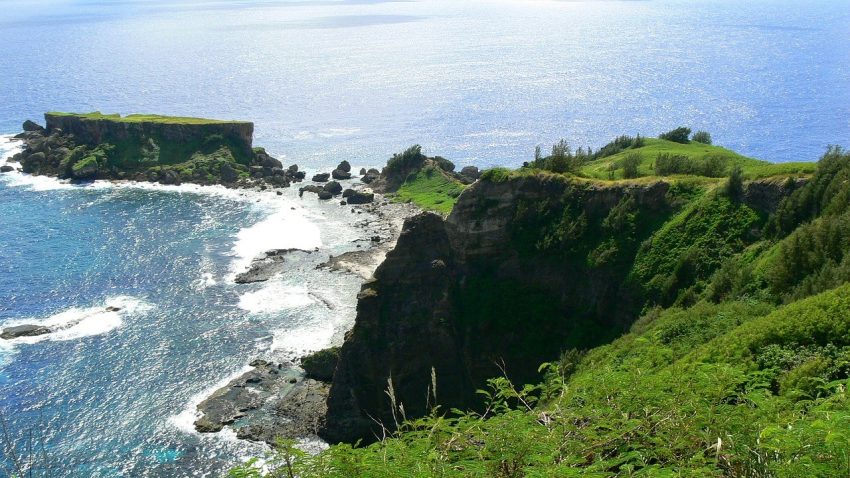
The Mariana Islands are a chain of tropical islands in the western Pacific Ocean, known for their clear waters, coral reefs, and dramatic coastal scenery. Stretching in a gentle arc, the islands include both well-developed destinations and quieter, more remote spots, offering a mix of beaches, limestone cliffs, and lush inland landscapes.
Culturally, the Marianas reflect a blend of Indigenous Chamorro and Carolinian traditions alongside influences from the wider Pacific and beyond. Visitors often notice this in local food, language, festivals, and everyday life, where community and family ties play a central role. The pace can feel relaxed, but the islands also support modern amenities and active local economies.
Nature is a major draw across the archipelago, from snorkeling and diving in vibrant marine habitats to hiking viewpoints with sweeping ocean panoramas. The surrounding waters are home to diverse sea life, and the islands’ varied terrain creates plenty of opportunities for outdoor exploration. Whether you’re looking for adventure or a quiet escape, the Marianas offer a distinctive island experience shaped by ocean, land, and living culture.
Table of Contents
- History of Mariana Islands
- Before European Contact
- Spanish Arrival and the “Marianas”
- Missionization, Conflict, and Depopulation
- Late Spanish Period and Regional Change
- Partition After the Spanish–American War
- Japanese Administration in the Northern Marianas
- World War II and the Battle of the Marianas
- U.S. Trusteeship and Postwar Reconstruction
- Creation of the Commonwealth and Modern Political Status
- Contemporary Era: Identity, Economy, and Strategic Importance
- Best Time to Visit Mariana Islands
- Food and Drink from Mariana Islands
History of Mariana Islands
The Mariana Islands are an archipelago in the western Pacific, stretching in a north–south line and best known today for Guam and the Commonwealth of the Northern Mariana Islands (CNMI). Their history spans early oceanic settlement, centuries of Spanish rule, shifting colonial administrations, and modern political ties to the United States.
Before European Contact (c. 1500 BCE–1521)
The first people to settle the Marianas were Austronesian-speaking voyagers, ancestors of the Chamorro people. They developed sophisticated seafaring traditions and a distinctive island society adapted to coral reefs, volcanic terrain, and limited freshwater in some areas. Archaeological remains include latte stones—paired stone pillars and caps that supported raised structures and became an enduring cultural symbol. Communities were organized through kinship networks, with social ranking and inter-island exchange.
Spanish Arrival and the “Marianas” (1521–1668)
In 1521, Ferdinand Magellan’s expedition reached Guam during the first circumnavigation of the globe. Spain later claimed the islands, but for more than a century Spanish presence was intermittent, tied mainly to trans-Pacific galleon routes between the Americas and the Philippines. The archipelago was renamed “Las Marianas” in honor of Mariana of Austria in the 17th century.
Missionization, Conflict, and Depopulation (1668–1769)
A permanent Spanish mission began in 1668, bringing Catholic evangelization and colonial administration. This period included intense conflict between Chamorro communities and Spanish forces and allies, alongside disease and social disruption. The population declined sharply. Spain also pursued “reducción” policies—consolidating dispersed communities into fewer settlements—reshaping land use, governance, and daily life. Over time, Catholicism became deeply rooted, blending with local traditions.
Late Spanish Period and Regional Change (1769–1898)
By the late 18th and 19th centuries, Spanish control stabilized, though the islands remained relatively peripheral within the empire. Guam served as an administrative center, and the Marianas were increasingly connected to regional trade and migration. Chamorro culture persisted through language, family networks, and local practices, even as colonial institutions and the church influenced education, law, and settlement patterns.
Partition After the Spanish–American War (1898–1914)
In 1898, the United States captured Guam during the Spanish–American War. Spain later sold the Northern Mariana Islands (and other Spanish Pacific possessions except Guam) to Germany in 1899. This split created the basic political division that still exists: Guam under U.S. administration, the Northern Marianas under a different colonial path.
Japanese Administration in the Northern Marianas (1914–1944)
Japan seized the Northern Marianas from Germany early in World War I and later administered them under a League of Nations mandate. The islands saw significant economic development and immigration, especially from Japan and Okinawa, and expanded sugar and fishing industries. In the 1930s and early 1940s, the islands were increasingly militarized.
World War II and the Battle of the Marianas (1941–1945)
Guam was occupied by Japan shortly after the attack on Pearl Harbor. In 1944, U.S. forces fought major battles in Saipan, Tinian, and Guam. The campaign was devastating for civilians and reshaped the islands’ demographics and infrastructure. The capture of Saipan and Tinian enabled long-range U.S. bombing operations against Japan, making the Marianas strategically central to the war’s final phase.
U.S. Trusteeship and Postwar Reconstruction (1947–1970s)
After the war, the Northern Marianas became part of the U.S.-administered Trust Territory of the Pacific Islands under United Nations auspices. Guam remained a U.S. territory; in 1950, the Organic Act of Guam granted U.S. citizenship to Guamanians and established a civilian government framework. Across the archipelago, postwar years brought rebuilding, new schools and health systems, and expanding U.S. military presence, alongside debates over self-government and land.
Creation of the Commonwealth and Modern Political Status (1970s–present)
The Northern Mariana Islands chose a closer political union with the United States rather than full independence, negotiating a covenant that created the Commonwealth of the Northern Mariana Islands (CNMI). The CNMI became a U.S. commonwealth with local self-government and U.S. citizenship for its people, with key provisions implemented from the late 1970s onward. Guam remains an unincorporated U.S. territory; its residents are U.S. citizens but do not vote for U.S. president and have limited voting representation in Congress, fueling ongoing discussions about political status options.
Contemporary Era: Identity, Economy, and Strategic Importance
In recent decades, the Marianas have balanced cultural revitalization with economic change. Tourism has been a major industry (especially in Guam and Saipan), while the CNMI also experienced periods of rapid growth tied to garment manufacturing and later adjustments as labor and immigration rules changed. The islands’ strategic location continues to shape policy and land use, with U.S. defense activities significant in both Guam and the CNMI. Chamorro and other island communities maintain strong cultural traditions—language, dance, navigation heritage, and village life—while also navigating the pressures of globalization, migration, and environmental challenges such as typhoons, sea-level rise, and coral reef stress.
Best Time to Visit Mariana Islands
Visiting Mariana Islands in Winter (Best)
Winter (roughly December to February) is one of the best times to visit the Mariana Islands for warm, sunny days and lower humidity. It’s ideal for beach time, snorkeling, diving, and hiking with generally calmer conditions and comfortable temperatures. This season is also a popular travel window, so booking flights and accommodations earlier is a good idea.
Visiting Mariana Islands in Spring
Spring (roughly March to May) stays pleasantly warm and is a great shoulder season for the Mariana Islands, often with fewer crowds than peak winter. Ocean activities remain excellent, and it’s a strong time for outdoor sightseeing before the wetter months arrive. If you’re looking for a balance of good weather and better availability, spring is a solid choice.
Visiting Mariana Islands in Summer
Summer (roughly June to August) is hotter and more humid in the Mariana Islands, with a higher chance of rain. It can still be a rewarding time to visit if you don’t mind brief showers and you want a quieter, more relaxed feel. Festival-wise, summer can be a highlight thanks to village fiestas and cultural celebrations that feature food, music, dancing, and community events.
Visiting Mariana Islands in Autumn
Autumn (roughly September to November) is typically the wettest and most storm-prone period in the Mariana Islands, with the greatest typhoon risk often peaking around early fall. Travel can still be enjoyable, especially later in the season as conditions begin to improve, but it’s wise to plan with flexibility and consider travel insurance. If you’re interested in culture, keep an eye out for local events and holiday celebrations that may take place toward late autumn.
Food and Drink from Mariana Islands
Food and drink in the Mariana Islands reflects a blend of Indigenous CHamoru traditions and centuries of Spanish, Filipino, Japanese, and American influence. Meals often center on rice, seafood, and tropical produce, with flavors built from vinegar, soy sauce, citrus, coconut, and lots of garlic and onion. Barbecues and family gatherings are especially important, and it’s common to see generous spreads where multiple dishes are shared, highlighting the islands’ hospitality and communal way of eating.
A signature of Mariana cuisine is the love of grilled and roasted meats and fish, frequently served with red rice (hineksa’ agaga’), colored and flavored with achote (annatto). Chicken, pork, and ribs are popular at fiestas and weekend cookouts, often marinated for deep flavor and cooked over open flame. Fresh catch—such as reef fish, tuna, and other local seafood—appears grilled, pan-fried, or in brothy preparations, sometimes paired with tangy dipping sauces that balance salt, sour, and heat.
Condiments and side dishes give the cuisine much of its character. Finadene, a punchy sauce typically made with soy sauce, vinegar, onions, and lemon, is used to brighten everything from grilled fish to dumplings. Coconut-based dishes also feature, including sweet treats and savory preparations that use coconut milk for richness. Local fruits and starches—like breadfruit, taro, and bananas—round out meals, while pickled vegetables and spicy relishes add crunch and bite.
Drinks range from everyday refreshments to celebratory favorites. Coconut water and fruit juices made from local produce are common, and iced teas and coffee are widely enjoyed as well. At gatherings, you may find a mix of imported beers and spirits alongside island-style punches, with flavors that lean tropical and lightly sweet. Whether simple or festive, Mariana food and drink tends to emphasize bold marinades, smoky grilling, and bright, tangy accompaniments shared in a communal setting.