Malawi: The Ultimate Travel Guide 2026
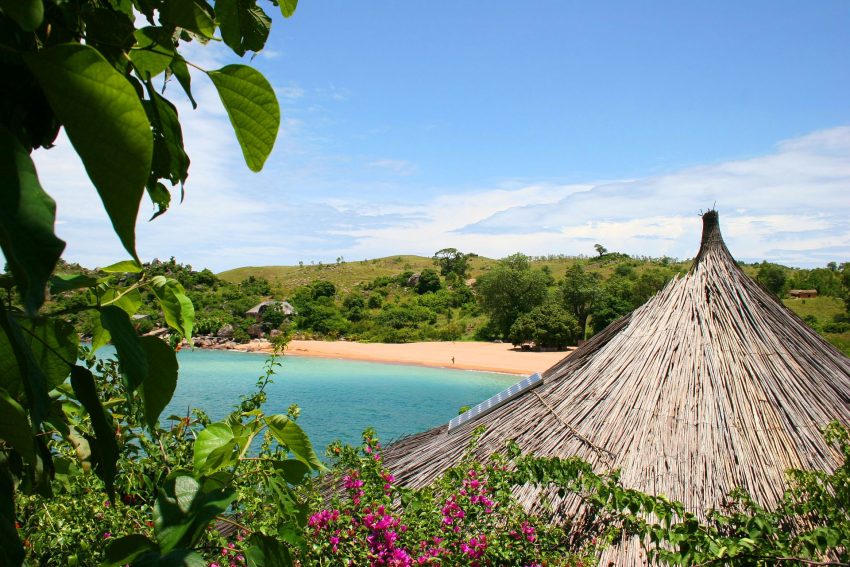
Malawi is a landlocked country in southeastern Africa known for its warm hospitality, varied landscapes, and the striking presence of Lake Malawi, one of the largest and deepest lakes in Africa. Often called the “Warm Heart of Africa,” it offers a welcoming atmosphere alongside a mix of bustling towns, quiet rural communities, and wide open natural spaces.
Much of Malawi’s character is shaped by its geography. The Great Rift Valley runs through the country, creating dramatic scenery that ranges from lakeshore beaches and wetlands to rolling plateaus and highland areas such as the Shire Highlands and Mount Mulanje. This variety supports rich biodiversity, with national parks and wildlife reserves that protect elephants, antelope, birdlife, and other species.
Everyday life in Malawi is closely tied to agriculture and local markets, with maize as a staple and tea, tobacco, and sugar among key crops. The country’s cultural life is equally vibrant, reflected in its languages, music, dance, and community traditions. For visitors, Malawi is often appreciated for its relaxed pace, scenic beauty, and opportunities for lake activities, hiking, and wildlife viewing.
Table of Contents
History of Malawi
Malawi’s history is shaped by early farming societies, powerful precolonial states, long-distance trade and slave raiding, British colonial rule, a long post-independence one-party era, and a later transition to multiparty democracy—alongside recurring struggles over land, labor, and economic dependence.
Early societies and the rise of Maravi (to 1500s)
Archaeological and linguistic evidence indicates that Bantu-speaking farming communities gradually settled the region over many centuries, developing ironworking, agriculture, and local trade networks. By the late first millennium and into the second, communities around Lake Malawi and the Shire Highlands were linked to wider regional exchange systems.
From roughly the 15th–16th centuries, a political formation known as the Maravi (often associated with Chewa-speaking peoples) emerged and expanded influence across parts of what is now central and southern Malawi and neighboring areas. The Maravi state was not a single uniform empire but a shifting network of authority, tribute, and alliances, with rulers and chiefs controlling land, labor, and trade routes.
Trade, conflict, and slave raiding (1600s–1800s)
From the 17th century onward, the region became increasingly entangled in Indian Ocean and interior trade. Ivory and enslaved people were major commodities, and the growth of long-distance commerce brought both wealth and instability.
In the 19th century, pressures intensified. Yao traders and chiefs, connected to coastal networks, expanded their role in commerce and slave raiding. At the same time, Ngoni groups—military migrants linked to upheavals in southern Africa—moved into the area, establishing new centers of power and contributing to conflict, displacement, and political reorganization. These dynamics reshaped settlement patterns and authority structures across Malawi.
Missionaries, explorers, and British control (1850s–1890s)
European missionaries and explorers arrived in greater numbers in the mid-19th century, seeking to suppress the slave trade and establish Christian missions and “legitimate” commerce. Their presence, along with commercial interests and geopolitical competition, helped pave the way for formal colonial rule.
Britain proclaimed the British Central Africa Protectorate in the 1890s (later renamed Nyasaland). Colonial administration expanded through treaties, military expeditions, and indirect rule, often favoring certain chiefs while undermining others. Land alienation became a defining issue, especially in the Shire Highlands, where large estates were established and African farmers faced restrictions and labor demands.
Nyasaland under colonial rule (1890s–1940s)
The colonial economy relied heavily on agriculture and migrant labor. Africans were drawn into estate work and cash-crop production under unequal conditions, while many sought employment in Southern Rhodesia and South Africa. Taxation, forced or coercive labor practices in some periods, and limited political representation fueled resentment.
Education and Christianity expanded through mission schools, producing a small but growing African elite. Over time, associations and early nationalist organizations formed, pressing for rights, land reforms, and political participation.
Federation and the rise of nationalism (1950s–1964)
In 1953, Nyasaland was joined with Northern Rhodesia and Southern Rhodesia in the Federation of Rhodesia and Nyasaland. Many Africans in Nyasaland opposed the federation, viewing it as entrenching settler power and limiting prospects for self-government.
Nationalist politics intensified. The Nyasaland African Congress became a key vehicle for mobilization. Hastings Kamuzu Banda returned to the country in 1958 and soon emerged as the dominant nationalist leader. Protests and unrest led to a state of emergency in 1959, mass arrests, and heightened international scrutiny. Constitutional negotiations followed, and Nyasaland moved toward internal self-government and then independence.
Malawi became independent in 1964, with Banda as prime minister (later president).
One-party rule under Banda (1964–1994)
Soon after independence, political conflict within the new government culminated in the 1964 “Cabinet Crisis,” after which Banda consolidated power. Malawi became a one-party state under the Malawi Congress Party, and Banda ruled for decades, combining developmental ambitions with strict political control.
The state emphasized agricultural production, infrastructure, and a tightly managed public order, but political dissent was harshly suppressed. Detention without trial, censorship, and a pervasive security apparatus characterized the era. Economic policy favored estate agriculture and export crops, while many rural households remained vulnerable to price shifts, land pressures, and periodic food insecurity.
Internationally, Malawi pursued pragmatic relationships, including controversial ties with apartheid-era South Africa, while also maintaining links with Western donors and regional partners.
Transition to multiparty democracy (1992–2004)
By the early 1990s, internal and external pressures for reform grew. Church leaders and civil society voices challenged repression, and donor leverage increased. A 1993 referendum ended the one-party system, and multiparty elections followed in 1994.
Bakili Muluzi became president, marking a major political opening. The period saw expanded civil liberties and competitive politics, but also persistent concerns about corruption, patronage, and uneven economic progress. Structural adjustment and market reforms reshaped public services and livelihoods, with mixed outcomes.
Contemporary Malawi (2004–present)
Malawi’s politics since 2004 have featured alternations of power, court-tested electoral processes, and recurring debates over governance and economic management. Bingu wa Mutharika (elected 2004) initially gained support for agricultural input subsidies that boosted maize production in some years, but later faced criticism over governance and economic strains. After his death in office in 2012, Joyce Banda assumed the presidency, pursuing economic reforms amid hardship.
Peter Mutharika won the 2014 election, but the 2019 results were annulled by the courts in a landmark ruling, leading to a new election in 2020 won by Lazarus Chakwera. This reinforced Malawi’s reputation for an assertive judiciary and competitive electoral politics, even as challenges persist.
Across recent decades, Malawi has continued to grapple with poverty, rapid population growth, dependence on rain-fed agriculture, foreign-exchange constraints, and vulnerability to floods and droughts. Public health efforts, education expansion, and infrastructure development have advanced in important ways, but economic resilience remains a central national concern.
Best Time to Visit Malawi
Visiting Malawi in Summer (November–March)
Summer is Malawi’s rainy season, bringing lush landscapes, dramatic skies, and fewer visitors. It’s a great time if you don’t mind short, heavy downpours and occasional travel slowdowns on rural roads. Birdwatching is excellent as migratory species arrive, and the countryside is at its greenest. Lake Malawi stays warm, though water visibility for diving and snorkeling can be reduced after rains.
Visiting Malawi in Autumn (April–May)
Autumn is a shoulder season that often delivers some of the most comfortable travel conditions: rains taper off, humidity drops, and the scenery remains green. It’s a strong choice for a mix of lake time and inland exploring, with improving road conditions and generally clear days. This period can be ideal for photography thanks to fresh landscapes and softer light.
Visiting Malawi in Winter (June–August) (Best)
Winter is the dry season and is typically the best time to visit Malawi for reliably pleasant weather. Days are sunny and mild, nights can be cool (especially in higher areas like Nyika Plateau), and travel is easier with better road conditions. Wildlife viewing is generally stronger as vegetation thins and animals concentrate around water sources, and Lake Malawi is calm and clear for snorkeling and diving. Festival highlight: the Lake of Stars Festival (commonly held around September, sometimes late August) is a major draw if your trip extends toward the end of winter.
Visiting Malawi in Spring (September–October)
Spring is hot and dry, with rising temperatures before the rains return. It’s a popular time for wildlife viewing as conditions are dry and animals are easier to spot, though midday heat can be intense. Lake Malawi remains a great option for water activities, and evenings are typically pleasant. Festival highlight: the Lake of Stars Festival is often held in September and can be a standout reason to plan a spring visit.
Food and Drink from Malawi
Malawi’s food is shaped by its lakeside geography, fertile soils, and a strong tradition of home cooking built around staple grains. The most common foundation of a meal is nsima, a thick porridge made from maize flour that is cooked until firm enough to be shaped by hand. Nsima is typically served with one or more “relishes” (ndiwo), which can include vegetables, beans, meat, or fish, creating a balanced plate that is filling and affordable for many households.
Vegetables play a major role in everyday Malawian meals, often prepared simply to let fresh flavors stand out. Common greens include rape (a leafy brassica), pumpkin leaves, and other seasonal vegetables, usually sautéed with onions, tomatoes, and a little oil, and sometimes enriched with groundnut (peanut) flour for a creamy, nutty sauce. Beans, pigeon peas, and other legumes are also popular, providing protein and pairing well with nsima, especially when meat is scarce or reserved for special occasions.
Fish is especially important in Malawi because of Lake Malawi, one of Africa’s great lakes and a major source of livelihoods and nutrition. Small fish such as usipa are often dried or fried and eaten whole, while larger fish like chambo (a prized tilapia) may be grilled, fried, or cooked in tomato-and-onion sauces. Fish dishes are commonly served with nsima, rice, or sweet potatoes, and are a signature of lakeshore cooking as well as urban markets where fresh and dried fish are widely sold.
Malawi’s drinks range from everyday non-alcoholic staples to traditional and commercial beverages. Tea is widely consumed, reflecting the country’s tea-growing regions, and it is common to drink it sweetened, sometimes with milk. Local homemade drinks can include maheu (a fermented maize-based beverage) and thobwa (often made from maize and millet or sorghum), both valued for their refreshing taste and nourishing qualities. In towns and cities, bottled soft drinks and commercially brewed beers are also popular, alongside fresh fruit when in season, such as mangoes and bananas.