Madagascar: The Ultimate Travel Guide 2026
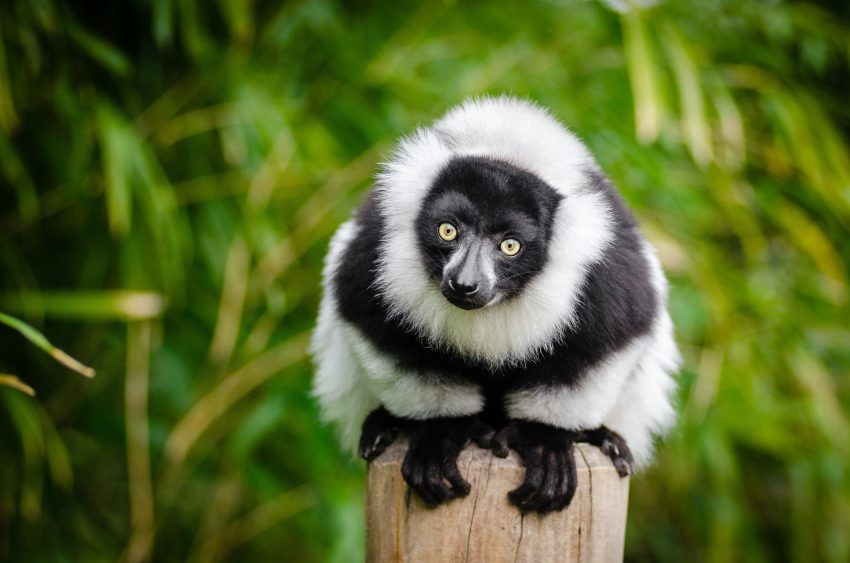
Madagascar is a large island nation off the southeast coast of Africa, separated from the mainland by the Mozambique Channel. Often called the “eighth continent” for its extraordinary biodiversity, it’s home to landscapes that range from rainforests and highlands to dry spiny deserts and long stretches of coastline. Its capital, Antananarivo, sits in the central highlands and serves as a lively hub for culture, commerce, and travel across the island.
What makes Madagascar especially distinctive is its wildlife and plant life, much of which exists nowhere else on Earth. Lemurs are the most famous residents, but the island also shelters chameleons, rare birds, and an astonishing variety of orchids and baobab trees. National parks and protected reserves offer opportunities to see these species in their natural habitats, whether trekking through lush forest trails or exploring dramatic limestone formations.
Madagascar’s culture reflects a rich blend of influences shaped by its island setting and diverse communities. Malagasy is the national language, and everyday life is expressed through music, dance, crafts, and regional cuisines that highlight rice, seafood, and local spices. From bustling markets and coastal fishing towns to quiet rural villages, the island offers a mix of experiences that feel both welcoming and refreshingly distinct.
History of Madagascar
Madagascar’s history is shaped by its late human settlement, a distinctive blend of African and Austronesian origins, powerful highland kingdoms, long Indian Ocean trade connections, and a colonial period that still influences politics and society today.
Early settlement and origins (c. 1st millennium CE–1500)
Madagascar was one of the last large landmasses to be settled by humans. The earliest permanent settlers likely arrived by sea from Southeast Asia (Austronesian-speaking peoples), with subsequent and overlapping migration from the African mainland. Over time, these communities mixed, producing the island’s characteristic cultural and linguistic blend: Malagasy is an Austronesian language with significant Bantu and later Arabic, Persian, and European influences.
Communities developed diverse regional identities tied to ecology—coastal trading societies, forest and riverine groups, and highland agricultural communities. Cattle herding (especially zebu), rice cultivation, and maritime skills became central to many livelihoods.
Indian Ocean trade and early polities (1500–1700)
By the early modern era, Madagascar was integrated into Indian Ocean networks linking East Africa, the Swahili coast, the Comoros, Arabia, India, and Southeast Asia. Coastal ports and chieftaincies grew through trade in cattle, rice, forest products, and enslaved people. European ships—Portuguese, Dutch, English, and French—began frequenting the island, seeking provisions and strategic footholds along routes to Asia.
This period also saw the rise of more organized regional powers. Political authority varied widely, from small chiefdoms to larger confederations, often competing over trade access, land, and people.
Kingdoms and consolidation (1700–1810)
Several major groups expanded their influence, including the Sakalava in the west and the Betsimisaraka confederation in the east. Warfare, alliance-building, and control of trade routes shaped the island’s political map.
In the central highlands, Merina rulers began consolidating power. The highlands’ dense populations and intensive rice agriculture supported larger armies and administrative structures, setting the stage for island-wide ambitions.
The Merina monarchy and near-island unification (1810–1895)
Under King Radama I (reigned 1810–1828), the Merina kingdom expanded rapidly, forging alliances and modernizing parts of the state. Radama pursued diplomacy and trade with Britain, encouraged military and administrative reforms, and promoted literacy through missionary activity. The Merina state extended control over much of the island, though authority remained contested in many regions.
Later monarchs navigated internal tensions and foreign pressure. Queen Ranavalona I (reigned 1828–1861) is often associated with resistance to foreign influence and strict central control, including periods of persecution and forced labor policies. Subsequent rulers reopened to European engagement. In the late 19th century, a powerful prime ministerial class—especially Rainilaiarivony—helped steer policy, including legal reforms and the adoption of Christianity as a major force in highland society.
As European imperial competition intensified, France increased pressure through treaties, commercial claims, and military action, seeking dominance over the island.
French conquest and colonial rule (1895–1960)
France invaded in 1895, captured the capital Antananarivo, and abolished the monarchy soon after, making Madagascar a French colony. Colonial administration reorganized land and labor, expanded plantation agriculture and infrastructure, and imposed taxes and forced labor practices that generated deep resentment.
Resistance persisted, most notably the large-scale uprising of 1947–1948, which France suppressed with heavy casualties and mass arrests. The revolt became a defining event in Malagasy national memory and accelerated demands for self-rule.
In the post–World War II era, political parties and labor movements grew. Madagascar gained independence on 26 June 1960, with Philibert Tsiranana as the first president.
Independence, socialist turn, and political instability (1960–1991)
The early post-independence government maintained close ties with France, emphasizing stability and gradual development. By the early 1970s, protests and dissatisfaction with inequality and perceived neocolonial dependence led to political crisis and leadership change.
In 1975, Didier Ratsiraka established the Democratic Republic of Madagascar with a socialist orientation, pursuing nationalization and centralized economic planning. Economic difficulties, debt, and declining living standards contributed to growing opposition. By the late 1980s and early 1990s, pressure for political liberalization intensified.
Multiparty era and recurring crises (1991–2009)
A transition in the early 1990s introduced multiparty politics and a new constitution, but governance remained turbulent. Power alternated between leaders amid contested elections and economic challenges. A major crisis followed the disputed 2001 presidential election, producing rival administrations and months of paralysis before Marc Ravalomanana consolidated control.
Another political rupture occurred in 2009 when Andry Rajoelina, backed by parts of the security forces, took power after mass protests and a transfer widely viewed as unconstitutional. International isolation and sanctions followed, and the economy suffered.
Recent developments (2010–present)
A gradual return to constitutional order began with elections in 2013. Politics since then has remained competitive and polarized, with recurring disputes over electoral processes, institutional independence, and corruption. Madagascar continues to face persistent challenges: poverty, infrastructure gaps, and vulnerability to cyclones and droughts.
At the same time, the island’s extraordinary biodiversity and cultural diversity remain central to national identity and global interest, shaping debates over conservation, land use, and sustainable development.
Best Time to Visit Madagascar
Visiting Madagascar in Summer (December–February)
Summer is the wettest time of year in Madagascar, bringing lush landscapes, dramatic skies, and peak greenery—especially in the eastern rainforests. It’s a great season if you don’t mind humidity and occasional cyclones (most likely January–March), and you’re prioritizing vibrant vegetation and fewer crowds in some areas. Beach time is still possible, particularly on the west and southwest coasts, though short, heavy downpours can interrupt plans.
Visiting Madagascar in Autumn (March–May) (Best)
Autumn is one of the most comfortable and rewarding times to visit Madagascar. Rainfall eases, humidity drops, and roads and trails become more reliable, making it ideal for combining national parks with beach time. Wildlife viewing is strong, landscapes remain green from the wet season, and conditions are generally excellent for hiking and exploring across regions.
Visiting Madagascar in Winter (June–August)
Winter is the cooler, drier season and a popular time to travel, especially for outdoor activities like trekking, visiting the highlands, and exploring national parks with lower mosquito activity. It’s also a highlight season for marine experiences: humpback whales migrate along parts of the coast (notably around Île Sainte-Marie) during these months. Expect cooler evenings in the central highlands and higher demand for accommodations in peak areas.
Visiting Madagascar in Spring (September–November)
Spring brings warming temperatures and generally dry conditions, offering a strong balance between comfortable weather and good visibility for travel. It’s an excellent time for wildlife and nature-focused trips as many areas are still dry and accessible, while the island begins transitioning toward the wetter months later in the season. If you want pleasant weather with slightly fewer peak-season pressures than mid-winter, spring is a solid choice.
Food and Drink from Madagascar
Madagascar’s food reflects a blend of Austronesian roots, African influences, and later Arab, Indian, and French touches, shaped by the island’s varied climates and regions. At the heart of most meals is rice (vary), eaten daily and served with a “laoka,” a flavorful accompaniment that can be meat, fish, legumes, or vegetables. Meals tend to be simple but filling, with careful use of aromatics like ginger, garlic, onions, and tomatoes to build depth without heavy spice. In coastal areas, seafood is common, while the central highlands lean more toward rice, greens, and zebu (cattle) dishes.
A well-known staple is romazava, often described as the national dish: a comforting broth made with zebu meat and a mix of leafy greens, sometimes including distinctive local leaves that add a gentle bitterness. Another popular preparation is ravitoto, made from crushed cassava leaves simmered until tender, frequently cooked with pork and served with rice. Dishes may be lightly seasoned and then brightened at the table with condiments, including chili pastes or tangy relishes. Street foods and everyday snacks also play a big role, from fried doughs and savory bites to quick rice-based meals sold in markets.
Madagascar is also famous for its produce and flavorings. Vanilla is the star export—especially from the northeast—and it finds its way into desserts, sweet drinks, and even some savory sauces. Tropical fruits such as lychees, mangoes, pineapples, bananas, and passion fruit are widely enjoyed when in season, alongside peanuts, beans, and sweet potatoes. Coconut milk and fresh herbs appear more often near the coast, and many dishes balance savory richness with a subtle sweetness from onions, tomatoes, or coconut.
Drinks range from everyday to celebratory. Coffee is widely consumed, often strong and simply served, and tea and herbal infusions are common as well. Fresh fruit juices are popular in towns and along travel routes, while local alcoholic drinks include rum and various homemade or locally produced spirits, sometimes flavored with spices or fruit. In many homes, a meal may end with a warm drink and something lightly sweet, highlighting Madagascar’s natural abundance and its understated, comforting style of cooking.