Lesotho: The Ultimate Travel Guide 2026
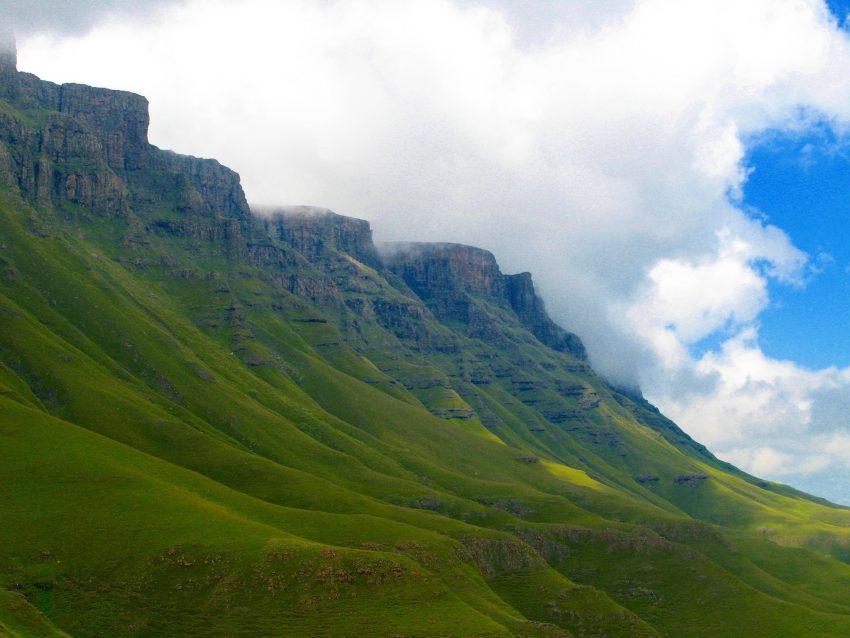
Lesotho is a small, mountainous country in southern Africa, completely surrounded by South Africa. Often called the “Kingdom in the Sky,” it sits at a high elevation, with much of its land rising well above sea level. This dramatic terrain shapes daily life, from settlement patterns to transport routes, and gives the country striking landscapes of peaks, valleys, and highland plateaus.
The capital, Maseru, is the main urban center and a hub for government, business, and cross-border trade. Beyond the city, many communities are spread across rural areas where farming and livestock herding remain important. Lesotho’s climate varies with altitude-cooler in the highlands and milder in the lowlands-bringing crisp winters and seasonal snowfall in higher regions.
Culturally, Lesotho is home to the Basotho people, with Sesotho and English as official languages. Traditional clothing such as the Basotho blanket and the distinctive mokorotlo hat are widely recognized symbols of national identity. Visitors and locals alike are drawn to the country’s strong sense of community, vibrant music and crafts, and outdoor opportunities ranging from hiking to exploring mountain passes and scenic viewpoints.
Table of Contents
- History of Lesotho
- Early settlement to the 1700s
- 1810s–1850s: Moshoeshoe I and the founding of the Basotho state
- 1850s–1868: Wars with the Boers and the turn to Britain
- 1871–1884: Cape administration and the Gun War
- 1884–1950s: Basutoland as a British High Commission Territory
- 1950s–1966: Nationalism and the road to independence
- 1966–1986: Post-independence instability and authoritarian turns
- 1990s: Return to constitutional rule and renewed conflict
- 2000s–2010s: Coalition politics and security-sector tensions
- 2020s: Reform efforts amid economic and social pressures
- Best Time to Visit Lesotho
- Food and Drink from Lesotho
History of Lesotho
Lesotho is a small, mountainous kingdom entirely surrounded by South Africa. Its history is shaped by highland geography, state-building under Moshoeshoe I, colonial rule as Basutoland, and a post-independence era marked by political instability, regional dependence, and gradual institutional reform.
Early settlement to the 1700s
Sotho-Tswana–speaking communities and other groups lived across the highveld and mountain valleys for centuries, practicing mixed farming and cattle-keeping and organizing politically through chiefly lineages. Trade and migration linked the region to wider southern African networks. By the late 1700s, competition over land and livestock and shifting alliances among chiefdoms were common, setting the stage for larger upheavals in the early 1800s.
1810s–1850s: Moshoeshoe I and the founding of the Basotho state
In the era of regional conflict often associated with the mfecane/difaqane, Moshoeshoe I consolidated scattered groups into a more centralized polity. He established strongholds in the mountains—most famously Thaba Bosiu—using diplomacy, strategic refuge, and incorporation of refugees to build the Basotho nation. As Boer settlers expanded from the Cape interior during the 1830s–1850s, disputes over fertile lowland territory intensified. Moshoeshoe pursued negotiations and alliances, including with missionaries who helped with diplomacy and literacy, but conflict with Boer republics escalated.
1850s–1868: Wars with the Boers and the turn to Britain
A series of conflicts—often called the Basotho–Boer wars—erupted over land and sovereignty. The Basotho faced severe pressure and territorial losses, especially in the western lowlands. Seeking protection against further encroachment, Moshoeshoe appealed to Britain. In 1868, Britain proclaimed Basutoland a protectorate, helping preserve Basotho political identity and a core territory, though not restoring lands already lost.
1871–1884: Cape administration and the Gun War
Britain placed Basutoland under the administration of the Cape Colony in 1871. Cape policies, including attempts to disarm Basotho communities, provoked resistance. The Gun War (1880–1881) was a major confrontation that ended with the Basotho retaining many firearms and the Cape’s authority weakened. The episode reinforced Basotho insistence on autonomy and contributed to a change in colonial governance.
1884–1950s: Basutoland as a British High Commission Territory
In 1884, Basutoland returned to direct British rule as a High Commission Territory. Colonial administration relied heavily on indirect rule through chiefs and customary institutions, while also introducing courts, taxation, and limited modern bureaucracy. Economically, Basutoland became deeply tied to South Africa: many men worked as migrant laborers in mines and farms, remitting wages that supported rural households. This labor system shaped family life, land use, and politics, and it made the territory vulnerable to South African economic shifts.
1950s–1966: Nationalism and the road to independence
After World War II, political mobilization increased. Parties formed around competing visions of tradition, modern governance, and relations with South Africa. Constitutional changes expanded representative institutions, and elections became the arena for nationalist competition. Lesotho gained independence on 4 October 1966, becoming a constitutional monarchy with Moshoeshoe II as king and a parliamentary government.
1966–1986: Post-independence instability and authoritarian turns
Early independence politics were turbulent. A major crisis followed the 1970 election when the government annulled results and suspended parts of the constitution, ushering in years of repression and political conflict. The monarchy’s role became a recurring flashpoint. Tensions among elected leaders, the security forces, and the royal institution contributed to coups and counter-moves. In 1986, the military took power, and the monarchy’s political position shifted again as rulers sought legitimacy.
1990s: Return to constitutional rule and renewed conflict
The 1990s brought a transition back toward civilian government and multiparty elections. However, disputes over electoral outcomes and governance triggered unrest. In 1998, a contested election led to major protests and violence, and a regional intervention by forces from the Southern African Development Community (notably South Africa and Botswana) helped stabilize the situation but left significant damage, especially in the capital, Maseru. In response, Lesotho reformed its electoral system, adopting a mixed model combining constituency seats with proportional representation to reduce “winner-takes-all” outcomes.
2000s–2010s: Coalition politics and security-sector tensions
Electoral reforms broadened representation, but they also contributed to fragmented parliaments and coalition governments. Coalition bargaining became central to governance, sometimes producing short-lived administrations. Security-sector rivalries—particularly involving the military and police—remained a persistent challenge. Political crises in the mid-2010s included attempted power shifts, allegations of coup plotting, and high-profile violence, prompting further regional mediation and reforms aimed at strengthening civilian oversight and constitutional stability.
2020s: Reform efforts amid economic and social pressures
Lesotho has continued to grapple with the practical difficulties of coalition governance, public-sector reform, and maintaining security-sector professionalism. The country’s economy remains closely linked to South Africa, with key roles played by textiles and apparel manufacturing, remittances (though reduced from earlier decades), and water exports through major dam and transfer projects. At the same time, Lesotho faces ongoing social challenges—employment, health burdens, and rural development—while pursuing constitutional and institutional reforms intended to reduce recurring political crises and strengthen democratic continuity.
Best Time to Visit Lesotho
Visiting Lesotho in Summer (December–February)
Summer is warm and greener, with dramatic afternoon thunderstorms that freshen the air and bring the landscapes to life. It’s a good time for scenic drives, waterfall viewing, and enjoying the highland scenery at its most lush—just plan outdoor activities for mornings and keep rain gear handy for sudden showers. Roads in more remote mountain areas can be affected by heavy rain, so allow extra travel time.
Visiting Lesotho in Autumn (March–May)
Autumn brings clearer skies, comfortable daytime temperatures, and less rainfall, making it one of the easiest seasons for getting around and spending long days outdoors. Hiking, pony trekking, and exploring mountain villages are especially enjoyable as the air turns crisp and visibility improves. This is also a great season for photography thanks to golden tones across the highlands.
Visiting Lesotho in Winter (June–August) (Best)
Winter is the best time to visit if you want crisp, dry weather and the highest chance of snow in the mountains. It’s ideal for high-altitude adventures and for visiting Afriski Mountain Resort for skiing and snowboarding when conditions allow. Nights can be very cold (especially at elevation), so warm layers are essential, but the clear skies and dramatic mountain views are a major reward.
Visiting Lesotho in Spring (September–November)
Spring starts cool and dry, then gradually warms up as the country transitions toward summer rains. Wildflowers begin to appear, and it’s a pleasant shoulder season for hiking and cultural travel before peak summer storms return. If festivals are a key interest, keep an eye out for Morija Arts & Cultural Festival (typically in spring), a major highlight featuring music, dance, crafts, and performances.
Food and Drink from Lesotho
Lesotho’s food and drink reflect its highland climate, rural traditions, and reliance on hardy staple crops. Meals are often built around grains and legumes that grow well in cooler conditions, with simple preparations that suit home cooking and communal eating. Many dishes are filling and warming, designed for long days of work and cold evenings, and they’re commonly served with leafy greens or seasonal vegetables.
A central staple is papa, a thick porridge made from maize meal, similar in spirit to other southern African maize porridges. It can be eaten soft or set firm, then paired with stews, beans, or vegetables. Another important grain is sorghum, used in various porridges and traditional preparations, valued for its resilience and distinctive, earthy flavor. Bread and dumpling-like sides also appear in everyday meals, especially where wheat flour is available.
Vegetables and relishes play a key supporting role, often adding brightness and nutrition to starch-based plates. Moroho—wild or cultivated leafy greens—is widely eaten, typically cooked down and seasoned, sometimes with onions, tomatoes, or a bit of fat for richness. Beans, peas, and lentils are common protein sources, while meat—such as beef, mutton, or chicken—tends to feature more prominently on special occasions or when available, often served in hearty stews.
Drinks in Lesotho range from everyday tea to traditional fermented beverages. Homemade ginger beer is popular, offering a sweet, spicy refreshment, while sorghum-based beers are brewed for social gatherings and ceremonies, reflecting long-standing brewing knowledge. In towns and cities, modern soft drinks and commercial beers are widely available, but traditional drinks remain an important marker of hospitality and celebration.