Kuwait: The Ultimate Travel Guide 2026
Kuwait is a small but influential country on the northwestern edge of the Arabian Gulf, known for its modern skyline, coastal setting, and strong sense of national identity. Kuwait City, the capital, blends contemporary architecture with traditional markets, offering a clear snapshot of how the country balances everyday life with rapid development. Despite its compact size, Kuwait plays an outsized role in the region through its economy, culture, and diplomacy.
Life in Kuwait is shaped by a mix of Gulf traditions and cosmopolitan energy. Visitors and residents alike experience warm hospitality, a vibrant café and dining scene, and a calendar that reflects both local customs and international influences. From seaside promenades and shopping districts to museums and cultural centers, the country offers plenty to explore beyond the business hub image it’s often associated with.
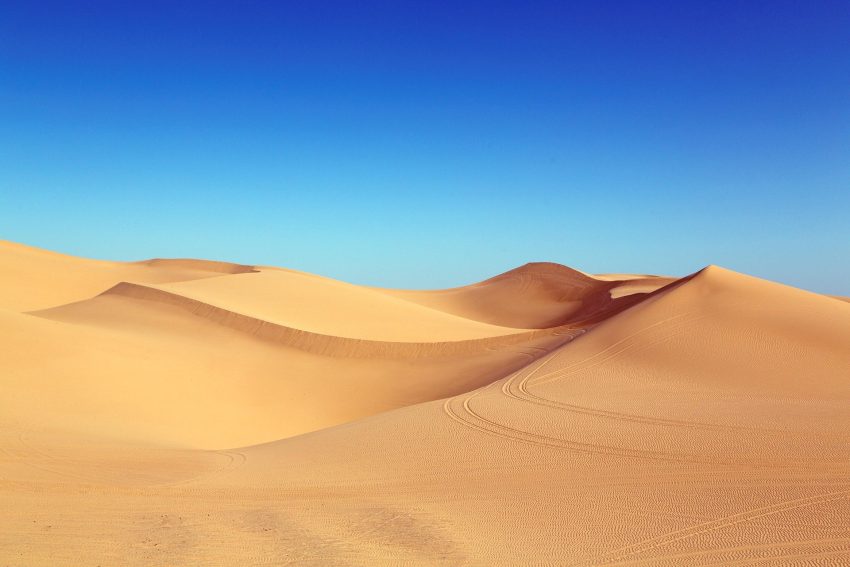
The desert landscape and the Gulf coastline define Kuwait’s natural character, bringing hot summers, mild winters, and striking sunsets over open horizons. Kuwait’s infrastructure is modern and well connected, making it easy to navigate between urban areas and quieter coastal spots. Whether you’re interested in food, architecture, or a relaxed Gulf atmosphere, Kuwait offers a distinctive experience that feels both rooted and forward-looking.
Table of Contents
- History of Kuwait
- Ancient and pre-modern roots
- 16th–17th centuries: Gulf trade and imperial competition
- 18th century: The rise of Kuwait town and the Al Sabah
- 19th century: Autonomy between Ottomans and Britain
- 1899–1961: British protection and the pre-oil economy
- 1938–1950s: Oil discovery and rapid transformation
- 1961–1970s: Independence and state-building
- 1980s: Regional war and security pressures
- 1990–1991: Invasion, occupation, and liberation
- 1990s–2000s: Reconstruction and political contention
- 2010s–present: Reform debates, regional diplomacy, and economic diversification
- Best Time to Visit Kuwait
- Food and Drink from Kuwait
History of Kuwait
Kuwait’s history is shaped by its position at the head of the Persian Gulf, linking Mesopotamia, Arabia, Iran, and the Indian Ocean trade routes. Its modern state grew from a small coastal settlement into a major oil producer and an influential Gulf polity, with key turning points in maritime commerce, British protection, independence, and the 1990–91 invasion and liberation.
Ancient and pre-modern roots
Human settlement in the region dates back to antiquity, tied to the wider civilizations of Mesopotamia and the Gulf. Islands and coastal sites—especially Failaka—were connected to long-distance trade networks and, at times, to Hellenistic influence after Alexander the Great. Over centuries, the area fell within the orbit of successive regional powers and empires that controlled trade and territory across southern Iraq and eastern Arabia, including periods of Persian and later Islamic rule. Despite these connections, the specific coastal area that became Kuwait remained relatively lightly populated compared with major inland and riverine centers.
16th–17th centuries: Gulf trade and imperial competition
From the early modern period, the Gulf became a zone of intense commercial and strategic competition. Portuguese naval power, then Dutch and British commercial expansion, and Ottoman influence from Iraq all affected coastal communities. The area’s value lay in maritime access, pearling, and its role as a stopover and entrepôt for goods moving between India, the Gulf, and the Levant.
18th century: The rise of Kuwait town and the Al Sabah
Kuwait’s modern political history is commonly traced to the early-to-mid 18th century, when a settlement developed around a natural harbor. Groups associated with the Bani Utub migrated into the area, and the Al Sabah family emerged as leading rulers, with authority shaped by local consensus among merchant families and tribal groups. Kuwait town grew as a maritime community, known for shipbuilding, trade, and pearling, and it benefited from its proximity to Basra and the Shatt al-Arab waterways while maintaining a distinct local leadership.
19th century: Autonomy between Ottomans and Britain
In the 19th century, Kuwait navigated a delicate balance between Ottoman claims of sovereignty and the expanding influence of Britain in the Gulf. Kuwait’s rulers sought to preserve local autonomy while leveraging external relationships to deter rivals. The economy remained centered on maritime commerce, pearling, and regional trade, with Kuwait functioning as a commercial hub connecting Arabia, Iraq, and the wider Indian Ocean world.
1899–1961: British protection and the pre-oil economy
A pivotal shift came with the 1899 agreement that placed Kuwait under British protection in foreign affairs, aimed at securing Kuwait against external pressures and consolidating the ruler’s position. Kuwait retained internal self-government, while Britain managed external relations and defense interests. Before oil, Kuwait’s prosperity depended heavily on pearling and trade. The early 20th century brought severe challenges: the collapse of the pearling industry (accelerated by the Great Depression and the rise of cultured pearls), regional conflict and blockades, and economic hardship. Political life also evolved, with periodic pushes for consultative governance and the emergence of more formal administrative structures.
1938–1950s: Oil discovery and rapid transformation
Oil was discovered in commercial quantities in 1938, though large-scale production and exports expanded after World War II. Oil revenues transformed Kuwait’s economy and society: infrastructure, education, healthcare, and public services expanded rapidly; the state’s administrative capacity grew; and Kuwait urbanized at speed. The social contract increasingly centered on state-provided welfare and public employment funded by hydrocarbons, alongside continued influence of merchant and notable families.
1961–1970s: Independence and state-building
Kuwait gained independence in 1961, ending the formal British protectorate relationship. Soon after, it faced territorial pressure from Iraq, prompting regional and international support for Kuwait’s sovereignty. A constitution was promulgated in 1962, establishing a constitutional emirate with an elected National Assembly and a framework for political participation that became distinctive in the Gulf. The following decades saw continued modernization, expansion of public institutions, and an active foreign policy, including development assistance and diplomatic engagement.
1980s: Regional war and security pressures
The Iran–Iraq War (1980–1988) heightened Kuwait’s security concerns. Kuwait supported Iraq financially during much of the conflict while also facing attacks on shipping and broader instability in the Gulf. These pressures reinforced Kuwait’s reliance on external security partnerships and shaped its defense planning.
1990–1991: Invasion, occupation, and liberation
In August 1990, Iraq invaded and occupied Kuwait, declaring its annexation. The occupation brought widespread disruption, repression, and damage, including environmental catastrophe from oil well fires. A U.S.-led international coalition, authorized through international mechanisms and supported by regional states, launched military operations that culminated in Kuwait’s liberation in February 1991. The war became a defining national event, deeply influencing Kuwait’s politics, security posture, and collective memory.
1990s–2000s: Reconstruction and political contention
Post-liberation Kuwait rebuilt infrastructure and restored state functions while managing the long-term consequences of war. Domestic politics featured recurring tensions between the government and the elected parliament, including cabinet reshuffles, dissolutions of the assembly, and debates over corruption, economic reform, and the balance of powers. Kuwait also remained a key partner in regional security arrangements, especially after 2003 when Iraq again became a central factor in Gulf geopolitics.
2010s–present: Reform debates, regional diplomacy, and economic diversification
In recent years, Kuwait has continued to balance an active parliamentary life with periodic political deadlock. Public debate has focused on governance, fiscal sustainability, and reform of subsidies and public-sector employment as the state confronts long-term oil-market volatility and demographic pressures. Kuwait has also pursued regional diplomacy and humanitarian engagement while maintaining strong security ties with allies. Economic diversification and administrative modernization remain central goals, alongside preserving Kuwait’s constitutional framework and social welfare model.
Best Time to Visit Kuwait
Visiting Kuwait in Winter (Best)
Winter (roughly December to February) is the most comfortable time to visit Kuwait, with mild days and cooler evenings that make outdoor sightseeing, desert trips, and waterfront walks far more enjoyable. It’s ideal for exploring Souq Al-Mubarakiya, spending time along the Arabian Gulf Street, and planning day trips without the intense heat. This season can also align with Kuwait’s National Day and Liberation Day celebrations (late February), which often bring fireworks, public events, and a lively atmosphere.
Visiting Kuwait in Spring
Spring (roughly March to May) starts pleasantly warm and becomes hotter as the season progresses. Early spring is a great window for outdoor plans before temperatures climb—think beach time, boat trips, and desert camping. Depending on the year, Ramadan and Eid festivities may fall in spring, which can be a cultural highlight (especially evenings after iftar), though some daytime hours and business schedules may be reduced.
Visiting Kuwait in Summer
Summer (roughly June to August) is extremely hot, and outdoor activities can be limited to early mornings and late evenings. This is a better season if your priority is indoor attractions, shopping malls, dining, and cultural venues, or if you’re visiting for business and don’t mind planning around the heat. If you visit in summer, focus on air-conditioned experiences and consider coastal evenings when temperatures are slightly more manageable.
Visiting Kuwait in Autumn
Autumn (roughly September to November) is a shoulder season where temperatures gradually ease from summer heat into more comfortable weather. It’s a good time for a balanced itinerary—outdoor activities become more practical again, and the city’s cafés, promenades, and markets feel more inviting. As the season progresses, it becomes increasingly suitable for desert excursions and longer days out exploring.
Food and Drink from Kuwait
Kuwaiti food reflects its Gulf location and trading history, blending Arabian staples with Persian, Indian, and East African influences. Rice, wheat, dates, and seafood form the backbone of many meals, with spices such as saffron, cardamom, cinnamon, dried lime (loomi), and turmeric adding warmth and fragrance. Family-style dining is common, with generous platters meant for sharing, and hospitality is a defining feature of how food is served and enjoyed.
Among Kuwait’s best-known dishes is machboos (also spelled majboos), a spiced rice dish cooked with chicken, lamb, or fish and often topped with fried onions and nuts. Murabyan is another celebratory rice dish, typically richer and slightly sweeter, sometimes made with shrimp, reflecting Kuwait’s long connection to the sea. Seafood remains prominent—fish like hamour is popular—often grilled, fried, or cooked into rice dishes and stews.
Traditional breads and sides round out the table. Khubz (flatbread) is a daily staple, while regag (thin, crisp bread) may be served with eggs, cheese, or sweet toppings. Stews such as jareesh (cracked wheat cooked until creamy) and harees (slow-cooked wheat and meat) are especially associated with Ramadan and communal gatherings, valued for their comforting texture and simple, nourishing flavors.
Kuwaiti drinks and sweets emphasize aroma and generosity. Arabic coffee (gahwa) is lightly roasted and spiced with cardamom, typically served in small cups alongside dates, and tea—often strong and sometimes infused with mint or spices—is equally common. Popular refreshments include laban (a yogurt-based drink) and fruit juices, especially in the heat. For dessert, items like lugaimat (fried dough balls drizzled with date syrup) and various date- and nut-based sweets are widely enjoyed, often appearing at celebrations and after meals.