Kosovo: The Ultimate Travel Guide 2026
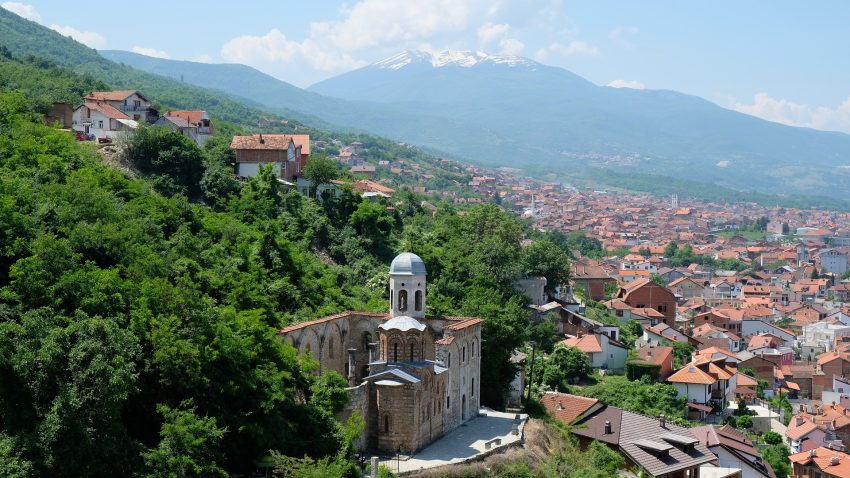
Kosovo is a small, landlocked territory in the heart of the Balkans, known for its dramatic mountain landscapes, lively cities, and a strong sense of local identity. Its capital, Pristina, is the country’s main hub for government, education, and culture, while other cities like Prizren and Peja are celebrated for their historic architecture, riverside promenades, and access to nearby hiking and skiing areas. With a compact size and short travel distances, Kosovo is easy to explore, offering a mix of urban energy and rural calm.
Culturally, Kosovo reflects a blend of influences shaped by the region’s diverse communities. Albanian is the most widely spoken language, with Serbian also used in many areas, and English increasingly common among younger generations. Traditional music, coffee culture, and a strong hospitality ethic are central to everyday life, and the food scene features hearty Balkan staples alongside local specialties-fresh breads, grilled meats, seasonal vegetables, and rich dairy products.
Today, Kosovo is one of Europe’s younger societies, with a dynamic population and a growing creative and entrepreneurial spirit. Visitors often notice the contrast between modern cafés and contemporary art spaces on one hand, and quiet villages and centuries-old religious and cultural sites on the other. Whether you’re interested in nature, cuisine, or simply experiencing a less-traveled corner of Europe, Kosovo offers an approachable and memorable introduction to the Balkans.
Table of Contents
- History of Kosovo
- Antiquity to early Middle Ages
- Medieval Kosovo
- Ottoman era
- Balkan Wars and incorporation into Serbia/Yugoslavia
- World War II
- Socialist Yugoslavia and autonomy
- Revocation of autonomy and parallel institutions
- War and international intervention
- UN administration and status talks
- Declaration of independence and contested statehood
- Best Time to Visit Kosovo
- Food and Drink from Kosovo
History of Kosovo
Kosovo’s history is shaped by its position between Adriatic and Balkan interior routes, its mixed Albanian- and Serb-speaking populations, and repeated shifts between empires and states. Competing national narratives often emphasize different periods—medieval Serbian statehood and Orthodox heritage on one side, and longer-term Albanian presence and modern self-determination on the other—so the same events can carry very different meanings.
Antiquity to early Middle Ages
In antiquity the region was part of the Roman world after earlier Illyrian and other Balkan polities. Under Rome and later the Byzantine Empire, towns, roads, and Christianity spread. Slavic migrations into the Balkans in the early Middle Ages altered the region’s linguistic and political landscape, with local populations mixing and identities evolving over centuries.
Medieval Kosovo (12th–14th centuries)
From the late 1100s, Kosovo became central to the medieval Serbian state, especially under the Nemanjić dynasty. Important Orthodox monasteries and churches were built, many of which remain major cultural and religious sites. At the same time, the area was not ethnically uniform; different communities lived under shifting feudal authorities, and regional power struggles were common.
Ottoman era (15th century–1912)
After Ottoman expansion into the Balkans, Kosovo was incorporated into the Ottoman Empire. Over the centuries, administrative structures, landholding patterns, and urban life changed. Islam spread, particularly among Albanian-speaking populations, alongside continued Orthodox and Catholic communities. Periodic uprisings and local conflicts occurred, and by the 19th century the rise of Balkan national movements made Kosovo a contested space between emerging Serbian and Albanian national projects.
Balkan Wars and incorporation into Serbia/Yugoslavia (1912–1941)
In the Balkan Wars (1912–1913), Ottoman rule ended and Kosovo came under Serbian control (later within the Kingdom of Serbs, Croats and Slovenes, renamed Yugoslavia). The interwar period saw state-building, security campaigns, and demographic and land policies that many Albanians experienced as coercive, while Serb authorities framed them as consolidation and modernization. Tensions between communities persisted.
World War II (1941–1945)
During World War II, Axis occupation reorganized the region; much of Kosovo was attached to Italian-controlled Albania, later under German influence. Violence and reprisals affected civilians across communities, and wartime alignments deepened postwar grievances.
Socialist Yugoslavia and autonomy (1945–1989)
After 1945, Kosovo became an autonomous region within socialist Serbia, part of Yugoslavia. Over time, autonomy expanded, especially with the 1974 Yugoslav constitution, which gave Kosovo substantial self-governing powers. Albanian-language education and institutions grew, and Pristina developed as an administrative and cultural center. However, economic underdevelopment, political repression of dissent, and interethnic mistrust remained. Protests in 1981, led largely by Kosovo Albanians demanding greater rights and republican status, were suppressed and followed by tighter controls.
Revocation of autonomy and parallel institutions (1989–1997)
In 1989–1990, Serbia under Slobodan Milošević curtailed Kosovo’s autonomy. Many Albanians were removed from state institutions, and Albanian political life shifted into nonviolent resistance and “parallel” systems in education and health. Ibrahim Rugova and the Democratic League of Kosovo became prominent in advocating peaceful self-determination, while everyday life became increasingly segregated and tense.
War and international intervention (1998–1999)
Armed conflict escalated in 1998 between Serbian/Yugoslav security forces and the Kosovo Liberation Army (KLA). The war involved attacks on civilians, mass displacement, and grave human rights abuses. After failed negotiations and worsening violence, NATO launched an air campaign in 1999 against Yugoslavia. The conflict ended with the withdrawal of Serbian forces from Kosovo and the establishment of a UN-administered mission (UNMIK) and NATO-led security presence (KFOR). In the immediate aftermath, many Serbs and other non-Albanians fled or were expelled, and there were retaliatory attacks and property destruction.
UN administration and status talks (1999–2008)
From 1999, Kosovo was governed under UN oversight while building provisional self-government institutions. Efforts to create multiethnic governance faced persistent mistrust and periodic violence, notably the 2004 riots that targeted Serb communities and religious sites. Internationally mediated talks on Kosovo’s final status did not produce a mutually accepted settlement between Belgrade and Pristina.
Declaration of independence and contested statehood (2008–present)
Kosovo declared independence in February 2008. Many countries recognized it, while Serbia and others did not, leaving Kosovo’s international status contested. The European Union facilitated dialogue between Kosovo and Serbia, producing agreements aimed at normalizing relations, including arrangements affecting policing, courts, and local governance in Serb-majority areas. Implementation has been uneven, and tensions have flared periodically, especially in northern Kosovo around governance, elections, and security incidents.
Kosovo has developed its own institutions and held multiple elections, while also relying on international partnerships for security and state-building. Key ongoing issues include relations with Serbia, the rights and security of minority communities (especially Serbs), rule of law and corruption concerns, economic development and emigration, and the pursuit of broader international integration.
Best Time to Visit Kosovo
Visiting Kosovo in Spring
Spring (March to May) is ideal for mild weather, greener landscapes, and fewer crowds than peak summer. It’s a great time for exploring Pristina on foot, visiting historic towns like Prizren, and taking day trips before the hottest months arrive. Late spring is especially pleasant for café culture, city walks, and countryside drives as wildflowers and fresh foliage return.
Visiting Kosovo in Summer (Best)
Summer (June to August) is the liveliest time to visit, with long days, warm temperatures, and the biggest calendar of events. It’s perfect for hiking in the Rugova Mountains, enjoying outdoor dining in Prizren, and taking advantage of festivals that bring major energy to the cities. Highlights often include Dokufest in Prizren (a major international documentary and short film festival) and Sunny Hill Festival in Pristina (a large music festival that draws regional and international acts).
Visiting Kosovo in Autumn
Autumn (September to November) offers comfortable temperatures, golden landscapes, and a calmer pace after summer crowds. Early autumn is especially good for hiking and scenic drives, with clear days and crisp evenings. It’s also a rewarding season for food and wine experiences, with harvest-time flavors and a cozy atmosphere in Kosovo’s cafés and traditional restaurants.
Visiting Kosovo in Winter
Winter (December to February) is best for snow sports and a quieter, more local feel in the cities. Head to Brezovica for skiing and winter mountain scenery, while Pristina and Prizren feel festive and atmospheric with colder-weather dining and seasonal markets. If you enjoy winter photography, snowy rooftops and mountain backdrops can be a highlight during clear spells.
Food and Drink from Kosovo
Kosovo’s food reflects a Balkan pantry shaped by Ottoman influence and mountain agriculture. Meals tend to be hearty and seasonal, built around bread, dairy, peppers, tomatoes, onions, beans, and potatoes, with lamb and beef appearing often. Hospitality is central: guests are commonly offered coffee, sweets, and something savory, and family-style sharing is the norm. Home cooking remains important, but cafés and small grills are equally woven into daily life.
A staple you’ll see across the country is flija, a layered pancake-like dish cooked slowly under a domed lid and brushed with cream or butter, often served for gatherings. Another everyday favorite is pite (burek-style pie), filled with cheese, spinach, meat, or pumpkin, sold in bakeries and eaten from breakfast onward. Sarma (stuffed cabbage leaves) and japrak (stuffed vine leaves) appear in colder months, while soups and stews—especially bean-based dishes—round out the table with simple, filling flavors.
Grilled meats are a big part of eating out, with qebapa (small skinless sausages) and pljeskavica (a seasoned patty) commonly served with chopped onions, flatbread, and ajvar, the beloved roasted red pepper relish. Peppers also show up as stuffed speca, and dairy plays a starring role in sides like kajmak and various white cheeses. Salads are typically straightforward—tomatoes, cucumbers, and onions—dressed lightly to balance richer mains.
Drink culture in Kosovo is strongly café-oriented, with Turkish-style coffee and espresso both widely enjoyed, often alongside a glass of water and a sweet bite. Tea is common in homes, and yogurt-based drinks can accompany savory pastries. For something stronger, raki is the traditional spirit, frequently homemade and offered at celebrations. Local beers and wines are also popular, with vineyards in regions like Rahovec/Orahovac contributing to a growing wine scene that pairs naturally with the country’s grilled and dairy-rich cuisine.