Jersey: The Ultimate Travel Guide 2026
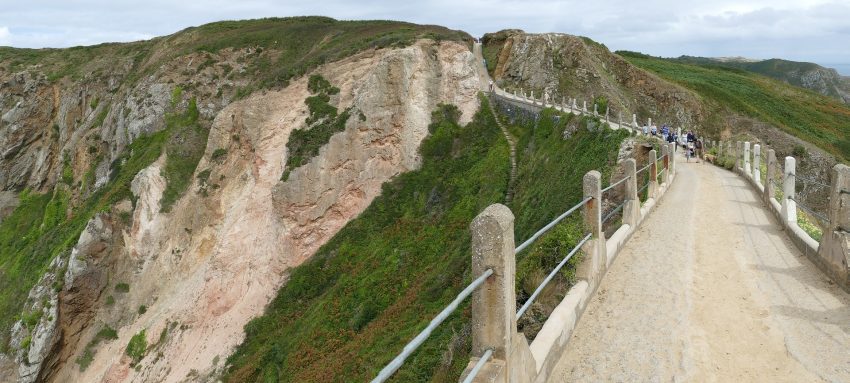
Jersey is the largest of the Channel Islands, set in the English Channel between England and France, and known for its mix of coastal scenery, countryside, and compact towns. Despite its small size, the island feels varied: rugged cliffs and sandy bays sit alongside green lanes, farms, and quiet inland valleys, making it easy to switch from seaside walks to rural drives in a single day.
St Helier, the island’s capital, is the main hub for shopping, dining, and everyday life, with a lively waterfront and a strong café culture. Beyond town, you’ll find fishing harbours, beachside villages, and viewpoints that open out over the sea, plus plenty of opportunities for swimming, kayaking, and coastal hikes when the weather’s right.
Jersey also stands out for its distinct local character, blending British and French influences in place names, food, and island traditions. Visitors often come for the relaxed pace, clean beaches, and fresh local produce-especially seafood and dairy-along with the simple pleasure of exploring somewhere that feels both familiar and refreshingly different.
Table of Contents
- History of Jersey
- Prehistory and Roman-era connections
- Early medieval period and the Norman world
- 1204 and the choice of allegiance
- Late medieval and early modern conflict
- Reformation and 17th-century upheaval
- 18th century: trade, privateering, and fortification
- 19th century: modernization and a changing society
- 20th century: war, occupation, and transformation
- Late 20th to 21st century: autonomy, economy, and identity
- Best Time to Visit Jersey
- Food and Drink from Jersey
History of Jersey
Jersey is the largest of the Channel Islands, lying in the Bay of St Malo between England and France. Its history is shaped by its position on a cultural and political frontier: geographically close to Normandy and Brittany, yet tied for centuries to the English Crown. The island developed its own laws, language traditions, and institutions, while repeatedly adapting to war, trade, migration, and constitutional change.
Prehistory and Roman-era connections
People lived on Jersey long before it became an island. In the Ice Age, lower sea levels connected the area to the European mainland, and archaeological finds—including the famous La Cotte de St Brelade site—show very early human activity. As sea levels rose, Jersey became separated from the continent, but it remained part of wider Atlantic and European networks.
During the Roman period, Jersey was not a major Roman urban center, but it was influenced by Roman trade and culture through nearby Gaul. Finds of coins and material goods indicate contact and exchange rather than full-scale Roman administration.
Early medieval period and the Norman world
Christianity reached the island in the early medieval centuries, tied to monastic and missionary activity around the Channel coast. Jersey’s place in the Norman sphere became decisive in the 10th and 11th centuries as the Duchy of Normandy consolidated. The island’s language and customary law developed in close relationship with Normandy.
In 1066, when William, Duke of Normandy, became King of England, Jersey became part of a cross-Channel realm. That connection would define the island’s future.
1204 and the choice of allegiance
A turning point came in 1204, when King John lost mainland Normandy to the French king. Jersey (and the other Channel Islands) remained loyal to the English Crown, even as they retained Norman-derived laws and customs. This created a distinctive constitutional position: not part of England, but a possession of the Crown with its own institutions.
Over time, the island’s self-government took clearer form through the States (the island’s assembly), the Royal Court, and local parish administration. The Crown’s representative, the Bailiff, became central to Jersey’s civic and legal life.
Late medieval and early modern conflict
Jersey’s proximity to France made it vulnerable. Raids, privateering, and periodic invasions were recurring threats. The island fortified key points, and coastal defense became a constant concern.
In the 15th century, during the Wars of the Roses, Jersey was drawn into English dynastic conflict. The island’s strategic value meant it could be contested, and its castles and forts were repeatedly strengthened.
Reformation and 17th-century upheaval
The Reformation reshaped religious life. Jersey’s church and education were influenced by Protestant currents, including links with French-speaking Protestant communities. The island’s French language traditions remained strong for centuries, even as political allegiance was to the English Crown.
During the English Civil Wars in the 1640s, Jersey largely supported the royalist cause. The island became a refuge for royalists at times, and its internal politics reflected the wider conflict. After the Restoration, Jersey continued to guard its privileges and local autonomy while adapting to a changing British state.
18th century: trade, privateering, and fortification
The 18th century brought both opportunity and danger. Maritime trade expanded, and privateering—state-sanctioned capture of enemy shipping during wartime—could be lucrative for islanders. At the same time, the island faced renewed invasion threats during conflicts with France.
A major episode was the Battle of Jersey in 1781, when French forces attempted a surprise attack. The island ultimately repelled the invasion, and the event reinforced the importance of organized defense. In the following decades, Jersey’s coastline and key positions were heavily fortified, including the construction of numerous round towers and later larger defensive works.
19th century: modernization and a changing society
The 19th century saw population growth, improved roads, and the development of St Helier as a more substantial town and port. Agriculture remained important, but the economy diversified through trade and services. Jersey also became a destination for visitors, especially as travel became easier.
Language and identity shifted gradually. Jèrriais (the island’s Norman language) remained widely spoken in rural areas, while English grew in importance in administration, education, and commerce. French continued to have an official and cultural role for much of the century, reflecting Jersey’s historical ties.
20th century: war, occupation, and transformation
The First World War affected Jersey through enlistment, losses, and economic disruption, though the island was not a battlefield. Between the wars, social change continued, and tourism expanded.
The defining event of the century was the German occupation during the Second World War (1940–1945). Jersey was demilitarized by the British and then occupied by German forces, making it one of the few parts of the British Isles under Nazi control. The occupation brought censorship, forced labor on fortifications, shortages, and deportations. Liberation came on 9 May 1945, a date still commemorated as Liberation Day.
After 1945, Jersey rebuilt and modernized rapidly. Tourism remained significant, but the island increasingly developed as an international finance center in the later 20th century. This economic shift brought prosperity and new challenges: housing pressure, infrastructure demands, and debates about regulation and identity.
Late 20th to 21st century: autonomy, economy, and identity
Jersey’s constitutional position evolved through practice and negotiation rather than a single founding document. The island is a self-governing Crown Dependency: the UK is responsible for defense and international representation, while Jersey controls its domestic affairs, taxation, and legal system. Over time, Jersey expanded its external relations and developed a more distinct international profile, particularly in financial services and regulatory standards.
Contemporary Jersey balances multiple inheritances: Norman customary roots, centuries of allegiance to the English Crown, a bilingual cultural legacy, and the lived memory of occupation. Today, debates about sustainability, migration, language preservation, and economic strategy continue to shape the island’s sense of itself—an old community with modern global connections.
Best Time to Visit Jersey
Visiting Jersey in Spring
Spring (March to May) is a great time to visit Jersey for mild temperatures, longer daylight hours, and fewer crowds than peak summer. It’s ideal for coastal walks, countryside exploring, and seeing the island’s gardens and wildflowers come to life. If you enjoy food and local produce, spring can also be a strong season for seasonal menus and farm-fresh ingredients.
Visiting Jersey in Summer (Best)
Summer (June to August) is the best time to visit Jersey for warm weather, the liveliest atmosphere, and the widest choice of activities. This is the prime season for beach days, swimming, boating, and outdoor dining, with the most reliable conditions for enjoying the coastline. Summer is also when many of Jersey’s biggest festivals and events take place, making it the top pick if you want entertainment alongside great weather.
Visiting Jersey in Autumn
Autumn (September to November) is an excellent choice if you want pleasant weather with fewer visitors after the summer rush. The sea often stays relatively warm into early autumn, so it can still be good for coastal activities, while the island becomes quieter and more relaxed. It’s also a highlight season for food lovers, with harvest-time produce and food-focused festivals and events often featuring strongly on the calendar.
Visiting Jersey in Winter
Winter (December to February) is best for a peaceful visit, lower accommodation prices, and a slower pace. While it’s cooler and some attractions may have reduced hours, it’s a good time for bracing cliff walks, cosy pubs, and enjoying seasonal lights and festive events. If you’re looking for a calm break rather than beach weather, winter in Jersey can be a rewarding option.
Food and Drink from Jersey
Jersey’s food and drink reflect its island setting, fertile countryside, and a long tradition of farming and fishing. Local cooking is shaped by simple, hearty flavours that make the most of what’s close at hand: fresh seafood from surrounding waters, vegetables grown in rich soil, and dairy from the island’s famous cattle. Menus often balance rustic comfort with a strong sense of seasonality, and many restaurants highlight ingredients that can be traced back to a specific bay, farm, or field.
Seafood is a standout, with oysters, mussels, crab, lobster, scallops, and a wide range of fish appearing regularly. Dishes tend to be straightforward to let the freshness shine—think grilled fish, shellfish platters, and chowders—often paired with local herbs and coastal vegetables. Beach cafés and harbour eateries serve casual classics, while more formal dining spots put a refined spin on the same catch, sometimes combining French techniques with island produce.
On land, Jersey is best known for the Jersey Royal potato, a small, sweet, early-season potato with a distinctive flavour that locals celebrate when the harvest arrives. It’s commonly served simply—steamed or boiled with butter and mint—alongside fish or roast meats. Dairy is another hallmark: Jersey cows produce rich milk and cream that feature in ice creams, custards, and sauces, and the island’s farm shops and markets are good places to taste fresh produce, baked goods, and preserves.
Traditional specialities include Jersey bean crock, a slow-cooked stew of beans, pork, and vegetables that captures the island’s love of warming, communal food. Sweet treats also have a place, from fruit-based desserts to bakery staples that pair well with tea. To drink, you’ll find local cider and craft beers, and there’s a growing interest in small-batch spirits and liqueurs, often inspired by island botanicals—ideal companions to a meal that tastes unmistakably of Jersey.