Jamaica: The Ultimate Travel Guide 2026
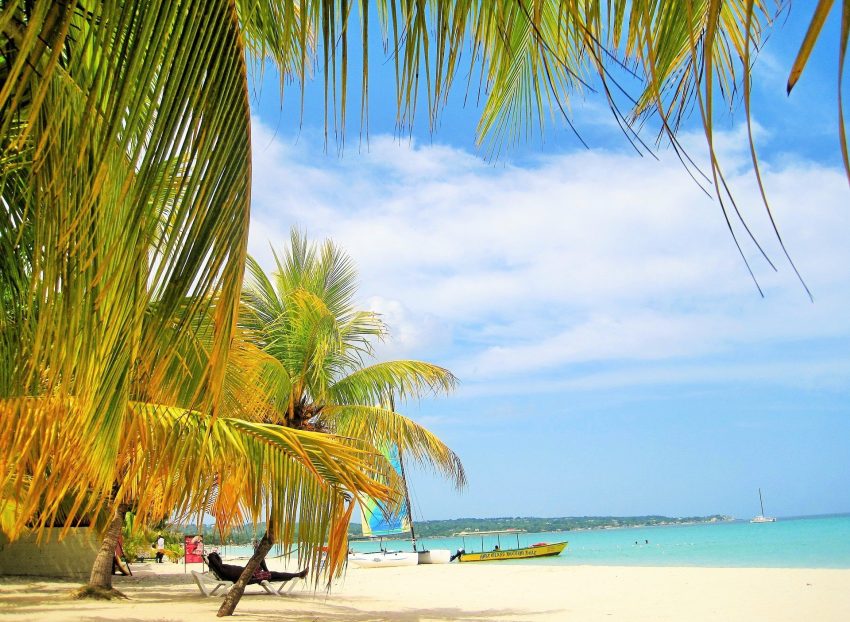
Jamaica is a vibrant island nation in the Caribbean, known for its warm climate, lush landscapes, and welcoming spirit. From the misty peaks of the Blue Mountains to the white-sand beaches along the north coast, the island offers striking natural variety in a relatively small space. Its capital, Kingston, is a lively hub of culture, music, and everyday island life, while smaller towns and coastal communities provide a slower pace and easy access to the sea.
The island’s culture is one of its biggest draws, shaped by a strong sense of identity, creativity, and community. Jamaican music, dance, language, and cuisine are celebrated worldwide, and visitors often find that the rhythm of daily life-whether in a bustling market or a roadside cookshop-feels both energetic and laid-back. Food is a highlight, with bold flavors and local staples that reflect the island’s love of spice, freshness, and comfort.
Jamaica is also a place for adventure and relaxation in equal measure. You can hike forest trails, explore rivers and waterfalls, snorkel in clear waters, or simply unwind to the sound of waves and reggae drifting through the air. Whether you’re visiting for nature, culture, or a change of pace, Jamaica offers an experience that feels colorful, soulful, and unmistakably its own.
Table of Contents
- History of Jamaica
- Before 1494: Taíno Jamaica
- 1494–1655: Spanish rule and demographic collapse
- 1655–1834: British conquest, sugar empire, and slavery
- 1834–1900: Emancipation, apprenticeship, and a new labor order
- 1900–1944: Nationalism, labor unrest, and political transformation
- 1944–1962: Self-government and independence
- 1962–1980: Nation-building, cultural influence, and political polarization
- 1980–2000: Economic restructuring and social change
- 2000–present: Modern Jamaica
- Best Time to Visit Jamaica
- Food and Drink from Jamaica
History of Jamaica
Jamaica’s history spans Indigenous settlement, Spanish and then British colonization, the rise of plantation slavery, emancipation, labor migrations, nationalist politics, and independence, followed by ongoing cultural, economic, and political change.
Before 1494: Taíno Jamaica
Before Europeans arrived, Jamaica was home to Taíno (Arawak-speaking) peoples who lived in villages, farmed crops such as cassava, fished, and traded within the wider Caribbean. Their society was organized under local leaders (caciques), with religious and cultural practices tied to the island’s landscape and sea.
1494–1655: Spanish rule and demographic collapse
Christopher Columbus reached Jamaica in 1494, and Spain claimed the island, calling it Santiago. Spanish settlement remained limited compared with other colonies, but the impact on Indigenous communities was devastating: disease, forced labor, violence, and displacement caused a rapid population decline. Spain imported enslaved Africans to work in agriculture and domestic labor. Over time, some Africans escaped and formed maroon communities in Jamaica’s interior, laying foundations for later resistance.
1655–1834: British conquest, sugar empire, and slavery
In 1655, an English expedition seized Jamaica from Spain. Under British rule, the island became one of the most valuable sugar-producing colonies in the Atlantic world. Large plantations expanded, powered by the forced labor of enslaved Africans and their descendants. The plantation economy generated immense wealth for planters and merchants while creating brutal conditions for the enslaved, including harsh punishment, family separation, and high mortality.
Resistance was constant. Enslaved people resisted through work slowdowns, sabotage, escape, and organized rebellion. Maroon communities—especially in mountainous regions—fought sustained wars against the British. Treaties in the 1730s recognized certain Maroon towns and granted them land and a degree of autonomy, though these agreements also bound Maroons to return future runaways, a source of later tension.
By the late 18th and early 19th centuries, abolitionist movements in Britain and slave resistance in the Caribbean intensified pressure on the system. Jamaica experienced major uprisings, culminating in the Baptist War (also called the Christmas Rebellion) of 1831–32, a large-scale revolt that helped accelerate the end of slavery in the British Empire.
1834–1900: Emancipation, apprenticeship, and a new labor order
Slavery was legally abolished in 1834, but formerly enslaved people were forced into an “apprenticeship” system that maintained many coercive features. Apprenticeship ended in 1838, marking full emancipation. Freedpeople sought land, family stability, education, and religious independence, often forming free villages and small farms. Planters, facing labor shortages and declining profitability, pushed for low wages and restrictive labor practices.
To meet labor demands, colonial authorities and employers encouraged migration and indentured labor from other places, including India and China, adding to Jamaica’s ethnic and cultural diversity. Economic volatility, unequal land distribution, and limited political rights persisted through the late 19th century, alongside the growth of churches, schools, and a developing black and brown middle class.
1900–1944: Nationalism, labor unrest, and political transformation
In the early 20th century, Jamaica remained a British colony with limited self-government. Economic hardship and social inequality fueled labor activism. The 1930s were pivotal: widespread strikes and protests led to the growth of trade unions and mass political movements. Leaders such as Alexander Bustamante and Norman Manley emerged, shaping modern party politics and advancing constitutional reform.
These pressures contributed to expanded political participation and the development of institutions that would later support self-rule.
1944–1962: Self-government and independence
In 1944, Jamaica adopted a new constitution that introduced universal adult suffrage and expanded representative government. Party competition solidified, and debates intensified over economic development, social policy, and the pace of decolonization.
Jamaica joined the West Indies Federation in 1958, an attempt at regional political union, but a 1961 referendum led Jamaica to withdraw. On August 6, 1962, Jamaica became an independent nation within the Commonwealth, with a parliamentary system and the British monarch as head of state represented locally by a governor-general.
1962–1980: Nation-building, cultural influence, and political polarization
The post-independence period focused on building national institutions, expanding education, and pursuing economic development. Jamaica’s global cultural impact grew dramatically, especially through music—ska, rocksteady, and reggae—and through the international prominence of Rastafari and Jamaican popular culture.
At the same time, the country experienced economic challenges, including debt, inflation, and unemployment. Politics became highly polarized in the 1970s, with intense rivalry between the major parties and episodes of political violence, especially around elections. Jamaica also became more entangled in Cold War-era geopolitical pressures, which influenced domestic policy and international relationships.
1980–2000: Economic restructuring and social change
From the 1980s onward, Jamaica pursued market-oriented reforms and economic restructuring while dealing with persistent inequality and crime. Tourism and services grew in importance, and migration—especially to the United States, Canada, and the United Kingdom—continued to shape Jamaican society through remittances and transnational family networks.
Cultural production remained a major source of global recognition, with dancehall and later musical forms extending Jamaica’s influence worldwide.
2000–present: Modern Jamaica
In the 21st century, Jamaica has continued to navigate economic constraints, public debt challenges, and concerns about crime and governance, while also achieving periods of fiscal stabilization and institutional reform. The country remains a constitutional monarchy and parliamentary democracy, with ongoing public debate about becoming a republic.
Jamaica’s modern identity reflects layered histories: Indigenous roots, African heritage forged under slavery and resistance, colonial legacies, and a powerful cultural presence that has made the island far larger in global imagination than its size on the map.
Best Time to Visit Jamaica
Visiting Jamaica in Winter (Best)
Winter (December–March) is the most popular time to visit Jamaica thanks to warm, sunny days, lower humidity, and minimal rainfall—ideal for beach time, hiking, and waterfall visits. It’s also peak season, so expect higher prices and book flights and resorts early. Festival highlight: Carnival season builds toward major celebrations in late winter/early spring, with plenty of parties and events starting up around this time.
Visiting Jamaica in Spring
Spring (April–May) is a great shoulder season in Jamaica, with plenty of sunshine, warm temperatures, and generally good beach weather—often with better deals and fewer crowds than winter. Late spring starts to feel more humid, but it’s still an excellent time for outdoor activities. Festival highlight: Carnival in Jamaica typically peaks around April, especially in Kingston, with parades, music, and street parties.
Visiting Jamaica in Summer
Summer (June–August) is hotter and more humid in Jamaica, with a higher chance of short tropical showers. It’s a lively time to visit, especially for travelers who want a more local, energetic feel and don’t mind the heat. Festival highlight: Reggae Sumfest (usually in July in Montego Bay) is one of Jamaica’s biggest music events and a major draw for summer visitors.
Visiting Jamaica in Autumn
Autumn (September–November) is Jamaica’s quietest period for tourism and often offers the best value on accommodations. It’s also the heart of the Atlantic hurricane season (peaking around September), so weather can be more unpredictable—travel insurance and flexible plans are smart. By November, conditions typically improve and it becomes a pleasant time to visit. Festival highlight: Jamaica Food & Drink Festival (often in October/November, typically centered around Kingston) is a standout for food lovers.
Food and Drink from Jamaica
Jamaican food is a bold blend of African, Indigenous, European, and Asian influences, shaped by the island’s history and its love of big, balanced flavors. Meals often center on hearty staples like rice, peas (beans), yams, green bananas, and breadfruit, paired with richly seasoned meats, fish, or vegetables. Scotch bonnet pepper, thyme, scallion, pimento (allspice), ginger, and garlic are common seasonings, creating dishes that can be spicy, smoky, and aromatic all at once. Street food and home cooking sit side by side in Jamaican life, with quick bites as celebrated as Sunday dinner.
Jerk is Jamaica’s most famous cooking style, known for its fiery, fragrant seasoning and its smoky finish. Traditionally made with chicken or pork, jerk uses a mix of spices—often including pimento and Scotch bonnet—then is grilled or smoked, sometimes over pimento wood for extra depth. Another classic is curry goat, slow-cooked until tender with curry spices and herbs, often served with rice and peas. Oxtail stew is also beloved, simmered until rich and gelatinous, while fried fish with escovitch (a tangy, peppery pickled vegetable topping) is a staple along the coast.
Jamaica’s everyday comfort foods are just as iconic. Ackee and saltfish is the national dish, combining the buttery texture of ackee fruit with salted cod, onions, tomatoes, and peppers, usually eaten with fried dumplings, boiled green bananas, or breadfruit. Patties—flaky pastries filled with spiced beef, chicken, or vegetables—are a go-to snack found everywhere. Callaloo (leafy greens cooked down with seasonings) and soups like red pea soup or pumpkin soup round out the table, offering warmth and nourishment with every spoonful.
Drinks in Jamaica range from refreshing fruit blends to strong spirits with global fame. Fresh juices and “box drinks” feature flavors like mango, guava, pineapple, and sorrel, while ginger beer and peanut punch are popular for their kick and richness. Jamaican coffee, especially Blue Mountain varieties, is prized for its smoothness. On the alcoholic side, rum is central—enjoyed in cocktails like rum punch or in local favorites such as overproof rum mixed with grapefruit soda—capturing the island’s lively, celebratory spirit in a glass.