Ivory Coast: The Ultimate Travel Guide 2026
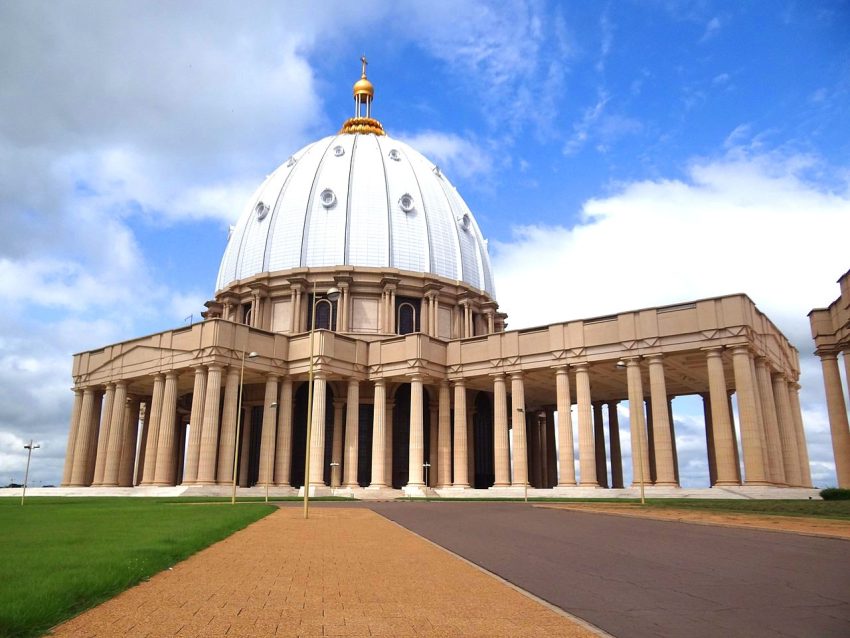
Ivory Coast (Côte d’Ivoire) is a vibrant West African country known for its mix of modern cities, coastal scenery, and rich cultural diversity. Bordered by Ghana, Burkina Faso, Mali, Guinea, Liberia, and the Atlantic Ocean, it sits at a crossroads of regional trade and travel. The political capital is Yamoussoukro, while Abidjan is the largest city and the country’s main economic hub, often noted for its lively neighborhoods, business districts, and lagoon-side setting.
The country’s landscapes range from palm-fringed beaches and mangrove-lined lagoons in the south to rolling savannas in the north, with protected parks and forest reserves in between. This variety supports abundant wildlife and outdoor experiences, from hiking and eco-tourism to relaxed coastal getaways. Its climate is generally tropical, with wetter conditions near the coast and drier seasons farther inland, shaping everything from agriculture to daily life.
Ivory Coast is also celebrated for its cultural richness, with many ethnic groups, languages, and traditions contributing to a dynamic national identity. Music, dance, and festivals play a central role in community life, and Ivorian cuisine reflects local staples like plantains, cassava, rice, and flavorful sauces. As one of the world’s leading cocoa producers, the country is closely tied to global chocolate supply chains, while also offering a growing scene in art, fashion, and contemporary culture.
Table of Contents
- History of Ivory Coast
- Early societies and regional trade
- Trade networks and emerging states
- The 19th century: state-building, commerce, and French penetration
- French colonial rule
- Late colonial politics and the road to independence
- The Houphouët-Boigny era
- Political opening and rising tensions
- Coup and instability
- Civil war and partition
- Fragile peace and delayed elections
- Post-election crisis
- Reconstruction, growth, and political realignment
- Recent developments
- Best Time to Visit Ivory Coast
- Food and Drink from Ivory Coast
History of Ivory Coast
Ivory Coast (Côte d’Ivoire) is a West African country whose history spans early forest and savanna societies, centuries of regional trade and state formation, French colonial rule, and a post-independence trajectory marked by rapid growth, political centralization, coups, civil conflict, and more recent efforts at stabilization and economic expansion.
Early societies and regional trade (before the 15th century)
Long before European contact, the territory that is now Ivory Coast was home to diverse communities organized in villages and small polities, linked by migration and trade across the forest–savanna frontier. Farming, hunting, fishing, and ironworking supported growing populations. Over time, waves of migration—often associated with Akan-speaking groups moving westward and Mande-speaking groups moving southward—helped shape the country’s linguistic and cultural map.
Trade networks and emerging states (15th–18th centuries)
From the late medieval period onward, Ivory Coast’s northern zones were increasingly tied to trans-Saharan and Sahelian commercial and Islamic networks. Gold, kola nuts, and other goods moved along routes connecting the forest belt to market towns farther north. In the south and along the coast, European maritime trade expanded from the 15th century, though the region’s dense forests and lack of large coastal empires meant European influence initially remained limited to trading relationships rather than direct rule.
The 19th century: state-building, commerce, and French penetration
In the 19th century, larger political formations consolidated in parts of the interior. Mande-linked commercial and military networks expanded, and Akan-related kingdoms and chiefdoms grew in influence in the east and center. At the same time, French commercial interests increased along the coast. Through treaties, military expeditions, and alliances with local leaders, France gradually extended control inland, often meeting resistance and negotiating shifting arrangements of authority.
French colonial rule (1893–1945)
France formally established Côte d’Ivoire as a colony in 1893 and incorporated it into French West Africa. Colonial administration relied on coercive labor practices, taxation, and the reorganization of local authority to serve colonial goals. Infrastructure—roads, ports, and rail links—was built primarily to extract and export commodities. Plantation agriculture expanded, especially cocoa and coffee, and labor migration from neighboring territories became a defining feature of the colonial economy and demographics.
Late colonial politics and the road to independence (1945–1960)
After World War II, political mobilization accelerated. Ivorian leaders organized within new legal political frameworks and pushed for representation and reforms. Félix Houphouët-Boigny emerged as the dominant figure, building a broad coalition and leveraging influence within French political institutions. Gradual constitutional changes in the French empire opened the way to self-government, and Côte d’Ivoire became independent on 7 August 1960, with Houphouët-Boigny as president.
The Houphouët-Boigny era (1960–1993)
For decades after independence, Ivory Coast was often cited for political stability and strong economic performance, driven by cocoa and coffee exports and an investment-friendly posture. The state was highly centralized under a dominant-party system, and Abidjan became a major regional hub. Growth attracted significant immigration from neighboring countries, deepening the country’s multicultural character but also laying groundwork for later disputes over citizenship, land, and political belonging. From the late 1970s and especially the 1980s, falling commodity prices and debt pressures contributed to austerity, social strain, and demands for political liberalization.
Political opening and rising tensions (1990s)
Multiparty politics was introduced in 1990 amid economic hardship and popular pressure. After Houphouët-Boigny’s death in 1993, succession struggles intensified. Debates over national identity and eligibility for office—often framed around the concept of “Ivoirité”—sharpened divisions, particularly affecting communities with roots in immigration and the largely Muslim north. These tensions increasingly shaped electoral competition and state institutions.
Coup and instability (1999–2002)
In December 1999, a military coup overthrew President Henri Konan Bédié, marking the first coup in the country’s history. The period that followed featured contested elections, political exclusion, and growing polarization. Efforts to restore civilian rule did not resolve underlying disputes over citizenship, regional representation, and control of the security forces.
Civil war and partition (2002–2007)
In 2002, an attempted coup evolved into a rebellion and civil war that effectively split the country: the government held the south, while rebel forces controlled much of the north. International mediation and peacekeeping efforts sought to reunify the country and organize elections. The conflict entrenched mistrust, militarized politics, and disrupted the economy and social fabric, even as cocoa exports continued to underpin state revenues.
Fragile peace and delayed elections (2007–2010)
A power-sharing framework and disarmament plans aimed to reunify administration and prepare elections, but implementation was slow and contentious. Identification and voter registration—closely tied to citizenship debates—remained a major obstacle. Political life revolved around the anticipated presidential election and the balance of power between former belligerents.
Post-election crisis (2010–2011)
The 2010 presidential election produced a disputed outcome, with both incumbent Laurent Gbagbo and challenger Alassane Ouattara claiming victory. The standoff escalated into violence and a severe political crisis. In 2011, Gbagbo was arrested and Ouattara assumed control, marking a decisive shift in power but leaving deep societal wounds and unresolved questions about accountability and reconciliation.
Reconstruction, growth, and political realignment (2011–2020)
The Ouattara government prioritized security sector reform, infrastructure, and economic recovery. The economy grew rapidly for much of the decade, supported by investment and continued dominance in cocoa production. At the same time, political tensions persisted over opposition participation, justice for conflict-era crimes, and the reintegration of former fighters. A new constitution was adopted in 2016, and the political landscape continued to evolve through party splits, alliances, and leadership transitions.
Recent developments (2020s)
The 2020 presidential election period was marked by controversy and episodes of violence, reflecting ongoing mistrust among political camps. Since then, the state has emphasized stability, economic modernization, and regional security cooperation, while civil society and opposition actors continue to press issues of political inclusion, rule of law, and reconciliation. Ivory Coast remains a pivotal West African economy and a society shaped by its long history of migration, trade, and cultural diversity.
Best Time to Visit Ivory Coast
Visiting Ivory Coast in Winter (Best)
December to February is one of the most comfortable times to visit Ivory Coast, with lower humidity and generally drier weather—ideal for city exploring in Abidjan, beach time around Grand-Bassam, and trips inland without heavy rains. It’s also a popular period for travel, so booking accommodation ahead is a good idea.
Festival highlight: The holiday season (late December) brings a lively atmosphere in major cities, with events, concerts, and celebrations that can add extra energy to a trip.
Visiting Ivory Coast in Spring
March to May is a warmer, more humid shoulder period that can still be rewarding if you don’t mind rising temperatures. It’s a good time for cultural visits and shorter excursions, though conditions can start to feel sticky as the wetter months approach.
Festival highlight: Depending on the year and community, you may find local cultural celebrations and dance events—especially in and around Abidjan—though dates can vary.
Visiting Ivory Coast in Summer
June to August is typically part of the wetter season in much of the country, with more frequent rainfall and higher humidity. Travel is still very doable, but it’s better suited to travelers who don’t mind occasional downpours and want greener landscapes and fewer crowds. Coastal areas can feel cooler than the interior, but rain can affect beach days and road conditions for longer overland trips.
Festival highlight: Some regional cultural festivals take place during this period, but schedules can be more variable and weather-dependent.
Visiting Ivory Coast in Autumn
September to November is a transition toward drier conditions, making it a strong choice if you want a balance of improving weather and fewer peak-season crowds. As rains ease, it becomes easier to plan day trips, nature outings, and travel between regions.
Festival highlight: This period can feature harvest-related celebrations in some areas, offering a chance to experience local music, dance, and food traditions.
Food and Drink from Ivory Coast
Food and drink in Ivory Coast (Côte d’Ivoire) reflect a mix of coastal abundance, forest and savannah produce, and the everyday ingenuity of home cooking. Staples such as cassava, plantain, rice, yams, and maize form the base of many meals, often paired with richly seasoned sauces and stews. Markets are central to Ivorian food culture, supplying fresh vegetables, leafy greens, smoked fish, dried shrimp, peanuts, and a wide range of spices and aromatics that give dishes their depth and heat.
Cassava is especially important and appears in several forms, including attiéké, a light, couscous-like fermented cassava granule that is widely eaten across the country. Attiéké is commonly served with grilled fish or chicken, sliced onions and tomatoes, and a punchy chili condiment, making it a popular street and family meal. Plantains are another favorite, eaten boiled, mashed, or fried as alloco—golden plantain slices often sold with spicy sauce, onions, or eggs. In many homes, hearty soups and sauces accompany starches, creating filling plates built around shared bowls and generous portions.
Sauces and stews vary by region and season, but many feature peanuts, okra, eggplant, palm oil, or leafy greens, with fish or meat added when available. Kedjenou, a well-known preparation, slowly steams chicken (or sometimes guinea fowl) with onions, tomatoes, and peppers in a covered pot, producing a fragrant, concentrated dish without much added liquid. Coastal areas lean heavily on seafood—grilled, smoked, or simmered—while inland cooking often highlights yams and grains, with flavors shaped by local produce and long-standing culinary traditions.
Drinks in Ivory Coast range from everyday refreshments to celebratory beverages. Fresh juices and sweetened drinks are common, including ginger-based drinks and hibiscus (bissap) infusions, served chilled in the heat. Palm wine is traditionally tapped and enjoyed in many communities, and beer is popular in cities and at social gatherings. As one of the world’s major cocoa producers, Ivory Coast is also closely tied to chocolate and cocoa-based products, which appear both as exports and as familiar flavors in modern cafés and households.