Guinea-Bissau: The Ultimate Travel Guide 2026
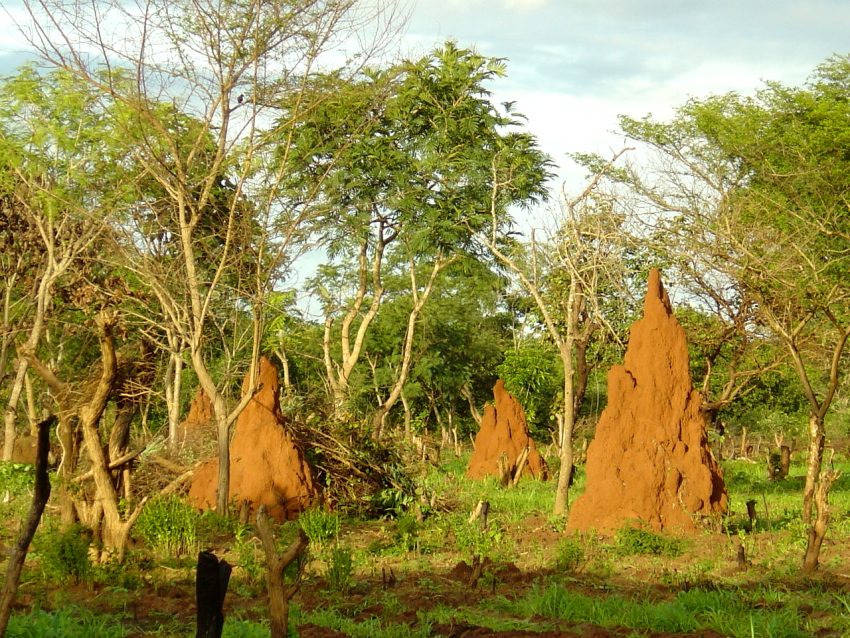
Guinea-Bissau is a small West African country on the Atlantic coast, known for its warm climate, low-lying landscapes, and a shoreline shaped by rivers, mangroves, and tidal inlets. Beyond the mainland, the Bijagós Archipelago stands out as one of the country’s most distinctive features-an island chain with rich marine life, quiet beaches, and communities whose daily rhythms are closely tied to the sea.
The country’s culture reflects a mix of ethnic groups and languages, with Portuguese as the official language and Guinea-Bissau Creole widely spoken in everyday life. Music, dance, and storytelling play an important role in social life, and local markets are central gathering places where food, textiles, and crafts circulate alongside conversation and community news.
Guinea-Bissau’s economy is largely connected to agriculture and fishing, with cashew nuts as a major export and many families relying on small-scale farming. While it faces development challenges, the country’s natural diversity and strong local traditions give it a distinct identity in the region, offering visitors and newcomers a sense of place shaped by coast, islands, and community life.
Table of Contents
- History of Guinea-Bissau
- Before European rule
- Portuguese arrival and the Atlantic slave trade
- “Pacification” and colonial consolidation
- Nationalist movement and armed struggle
- Early independence and one-party rule
- Coup and separation from Cape Verde
- Political liberalization and civil war
- Chronic instability and coups
- 2010s: coup, transition, and contested governance
- 2020s: continued political tension
- Best Time to Visit Guinea-Bissau
- Food and Drink from Guinea-Bissau
History of Guinea-Bissau
Guinea-Bissau’s history is shaped by long-standing coastal and riverine trade networks, centuries of Portuguese imperial rule and the Atlantic slave trade, a landmark anti-colonial war led by the PAIGC, and decades of political instability after independence.
Before European rule (to the 1400s)
The region that is now Guinea-Bissau was home to diverse peoples and polities linked by the rivers and mangroves of the Upper Guinea Coast. Communities such as the Balanta, Papel, Manjaco, Mancanha, Bijagó (Bissagos Islanders), Fula (Fulani), and Mandinka developed distinct political and social systems. Trade connected inland and coastal areas, with agriculture, fishing, and regional commerce underpinning local economies.
Portuguese arrival and the Atlantic slave trade (1400s–1800s)
Portuguese navigators reached the coast in the 15th century and gradually inserted themselves into existing trade networks. Over time, the area became part of the Atlantic slave trade, with coastal trading posts and intermediaries facilitating the capture, sale, and transport of enslaved people. Portuguese influence was often limited outside certain coastal enclaves and river routes; local rulers and merchants retained significant power, negotiating, resisting, or collaborating depending on circumstances.
Cacheu and later Bissau became important nodes in Portuguese commercial and administrative activity. The trade in enslaved people, along with commodities such as ivory and later agricultural products, tied the region to wider Atlantic and imperial economies, leaving deep demographic and social scars.
“Pacification” and colonial consolidation (late 1800s–1950s)
In the late 19th and early 20th centuries, Portugal intensified military campaigns to assert territorial control, a process often described in colonial terms as “pacification.” Resistance was persistent, including on the mainland and in the Bijagós archipelago. By the mid-20th century, Portugal had strengthened administrative control, but development remained limited and colonial rule relied heavily on coercive labor practices and political repression.
The colony was commonly administered as Portuguese Guinea. A small assimilated elite existed, but most people were excluded from political participation. As anti-colonial movements spread across Africa after World War II, nationalist organizing grew despite censorship and surveillance.
Nationalist movement and armed struggle (1950s–1974)
The African Party for the Independence of Guinea and Cape Verde (PAIGC) emerged as the leading liberation movement, founded with key figures including Amílcar Cabral. After political avenues were blocked and repression intensified, the PAIGC launched an armed struggle in the early 1960s.
The war became one of the most effective anti-colonial campaigns in Portuguese Africa. The PAIGC built parallel governance structures in areas it controlled, emphasizing political education, local administration, and social services where possible. Amílcar Cabral’s assassination in 1973 was a major blow, but the movement continued.
In 1973, the PAIGC proclaimed independence. Portugal recognized Guinea-Bissau’s independence in 1974 after the Carnation Revolution in Lisbon ended the dictatorship and accelerated decolonization.
Early independence and one-party rule (1974–1980)
After independence, the PAIGC established a one-party state. The new government faced enormous challenges: rebuilding after war, limited infrastructure, and a narrow economic base. Although the PAIGC had envisioned a close political union with Cape Verde, tensions and differing interests grew.
Coup and separation from Cape Verde (1980s)
In 1980, João Bernardo “Nino” Vieira led a coup that overthrew President Luís Cabral. The coup effectively ended the project of political union with Cape Verde, and the PAIGC in Guinea-Bissau and Cape Verde evolved into separate political trajectories. Guinea-Bissau remained under strong military influence, with governance marked by factionalism and economic hardship.
Political liberalization and civil war (1990s)
Under internal and external pressure, Guinea-Bissau moved toward multiparty politics in the early 1990s. Elections were held, and Vieira won the presidency. However, relations between political leaders and the armed forces deteriorated.
In 1998, a military uprising against Vieira escalated into a civil war. Fighting caused widespread displacement and severe damage in Bissau. A peace process led to Vieira’s removal and elections in 2000, but the conflict entrenched instability and weakened state institutions.
Chronic instability and coups (2000s)
The 2000s were marked by repeated political crises, assassinations, and military вмешательство in politics. In 2003, another coup ousted President Kumba Ialá. Vieira returned to power after elections in 2005, but tensions persisted.
In 2009, Vieira was assassinated following the killing of the army chief. The episode underscored the fragility of civilian control and the dangerous entanglement of political and military rivalries.
2010s: coup, transition, and contested governance
In 2012, the military seized power during an election period, prompting international condemnation and a transitional arrangement. Elections in 2014 brought José Mário Vaz to the presidency and initially raised hopes for stabilization, but prolonged disputes between the president, prime ministers, and parliament led to repeated government reshuffles and institutional paralysis.
Regional mediation efforts sought to restore functional governance, but political fragmentation remained a defining feature of the decade.
2020s: continued political tension
The early 2020s have continued to feature contested political legitimacy, strained civil-military relations, and periodic unrest. Guinea-Bissau has pursued electoral cycles and government formation amid persistent challenges: weak state capacity, economic vulnerability, and the lingering influence of security forces in political life.
Across these eras, Guinea-Bissau’s history reflects both the resilience of its communities and the heavy burdens left by colonial extraction, war for independence, and recurring struggles to build stable, accountable institutions.
Best Time to Visit Guinea-Bissau
Visiting Guinea-Bissau in Winter (Best)
Winter (roughly December to February) is one of the best times to visit Guinea-Bissau because it’s the heart of the dry season. Expect lower humidity, clearer skies, and more comfortable temperatures for exploring Bissau, heading out to the Bijagós (Bissagos) Archipelago, and traveling on rougher roads that can be difficult in the rains. It’s also a strong season for beach time and boat trips, with calmer conditions and better visibility.
Visiting Guinea-Bissau in Spring
Spring (roughly March to May) is still mostly dry at first, then gradually becomes hotter and more humid as the rainy season approaches. This can be a good time if you want fewer visitors and don’t mind the heat—coastal breezes can help, especially on the islands. By late spring, conditions can feel sticky and travel may start to get more unpredictable as early rains arrive.
Visiting Guinea-Bissau in Summer
Summer (roughly June to August) is the peak rainy season. Expect heavy downpours, high humidity, and a greener landscape, but also more challenging logistics: some roads can become muddy or impassable, and boat schedules may be more weather-dependent. This season can suit travelers who prioritize lush scenery and don’t have a tight itinerary, but it’s generally not ideal for island-hopping or extensive overland travel.
Visiting Guinea-Bissau in Autumn
Autumn (roughly September to November) is the transition out of the rains. Early autumn can still be wet, but conditions usually improve as the season progresses, with humidity dropping and travel becoming easier. This is a good shoulder-season option if you want a balance between greener landscapes and increasingly reliable weather, especially later in autumn when the dry season is settling in. Festivals can be a highlight at various times of year—if you’re planning around cultural events, it’s worth checking the dates for major celebrations in Bissau and on the Bijagós, as schedules can vary year to year.
Food and Drink from Guinea-Bissau
Guinea-Bissau’s food reflects its coastal geography, rivers, and mangrove-lined estuaries, with everyday meals built around rice, cassava, and locally grown vegetables. In many homes, a plate is centered on a starch—often rice—served with a flavorful sauce or stew. Peanuts, palm oil, onions, tomatoes, and leafy greens are common building blocks, creating dishes that are hearty, aromatic, and well-suited to sharing. Seasonal availability matters, so menus shift with what is fresh from farms, forests, and the sea.
Seafood is especially important, thanks to the country’s Atlantic coastline and abundant waterways. Fish is frequently grilled, fried, or simmered in sauces, and it may be paired with rice or cassava-based sides. Shellfish can also feature in coastal areas, while inland communities may rely more on river fish and smoked or dried preparations that keep well. Simple marinades, chiles, and citrus or tamarind-like sour notes can brighten dishes, balancing richer oils and nutty flavors.
Staples beyond rice include cassava (yuca), sweet potatoes, and plantains, which appear boiled, fried, or mashed depending on the meal. Peanut-based sauces and stews are widely enjoyed, often cooked with vegetables and sometimes meat, creating a thick, satisfying accompaniment to grains. Fruits such as mangoes, papayas, bananas, and citrus are popular when in season, eaten fresh or used to add sweetness and acidity to the day’s eating. Street and market snacks tend to be straightforward and filling, designed for people on the move.
Drinks in Guinea-Bissau range from everyday refreshments to traditional fermented options. Water, tea, and sweet soft drinks are common, while fresh fruit juices are enjoyed when fruit is plentiful. A well-known local alcoholic drink is palm wine, tapped from palm trees and consumed fresh, sometimes with a light natural fizz as it ferments. Cashew is also significant in the country’s agriculture, and in some places it is used to make beverages, reflecting how local harvests shape both the food and drink culture.