Guinea: The Ultimate Travel Guide 2026
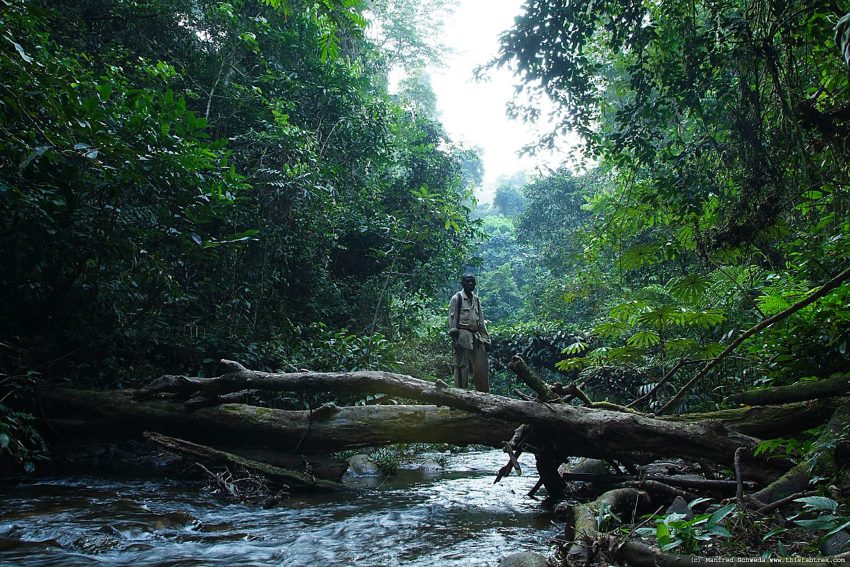
Guinea is a vibrant West African country on the Atlantic coast, known for its rich landscapes, cultural diversity, and strong regional character. From bustling urban neighborhoods in the capital, Conakry, to quieter inland towns, daily life reflects a mix of modern influences and long-standing local traditions. Music, storytelling, and community gatherings play an important role across the country, helping shape a lively national identity.
The country’s geography is one of its defining features, ranging from coastal plains to the forested southeast and the highlands of the Fouta Djallon. Guinea is often called the “water tower” of West Africa because several major rivers begin there, supporting farming and livelihoods both within Guinea and beyond its borders. This variety of environments contributes to different cuisines, crops, and ways of life from one region to another.
Guinea is home to many ethnic groups and languages, with French as the official language and a range of widely spoken national languages used in everyday life. Markets, food stalls, and roadside vendors offer staples like rice, cassava, and plantains, often paired with flavorful sauces and grilled fish or meat. Warm hospitality and a strong sense of community are commonly noted by visitors, making Guinea a country with a distinctive rhythm and welcoming spirit.
Table of Contents
- History of Guinea
- Early societies and West African empires
- Coastal trade and the Atlantic slave trade
- Islamic reform and the Fouta Djallon Imamate
- Nineteenth-century state-building and conflict
- French conquest and colonial rule
- Independence and Sékou Touré’s one-party state
- Military rule and gradual liberalization
- Coups, contested transitions, and the return to civilian rule
- The Condé era and constitutional conflict
- The 2021 coup and ongoing transition
- Best Time to Visit Guinea
- Food and Drink from Guinea
History of Guinea
Guinea’s history is shaped by West African empires, Islamic scholarship and trade, Atlantic slavery and French colonial rule, and a post-independence trajectory marked by authoritarianism, political transitions, and periodic instability.
Early societies and West African empires (to 1400s)
Archaeological and oral traditions point to long-standing settlement and ironworking across the region that is now Guinea, including the Fouta Djallon highlands and the Upper Guinea savannas. Over time, parts of Guinea fell within the cultural and commercial orbit of major Sahelian states. The Mali Empire (c. 1200s–1400s) influenced Upper Guinea through trade routes, gold commerce, and the spread of Islam, especially among merchant communities.
Coastal trade and the Atlantic slave trade (1400s–1800s)
From the 15th century, European maritime powers reached the Upper Guinea coast, integrating coastal communities into expanding Atlantic trade networks. Over subsequent centuries, the region became entangled in the transatlantic slave trade, with captives taken from inland conflicts and raids and moved through coastal points. This period reshaped demographics, politics, and security, intensifying warfare and altering local power structures. Alongside coercive trade, coastal commerce also included commodities such as gold, ivory, and later agricultural products.
Islamic reform and the Fouta Djallon Imamate (1700s–1800s)
In the 18th century, Islamic reform movements transformed the Fouta Djallon. A theocratic state—often described as the Imamate of Fouta Djallon—emerged, governed by Muslim leaders and structured around religious authority, scholarship, and networks of trade. The imamate became a major regional power, influencing politics and commerce across the highlands and beyond, while also participating in systems of servitude common to the era.
Nineteenth-century state-building and conflict (1800s)
The 19th century saw intensified state formation and warfare across West Africa. In Upper Guinea, Samory Touré built the Wassoulou Empire, a powerful polity that resisted French expansion for years through diplomacy, military reorganization, and shifting alliances. Conflicts between expanding African states, local authorities, and European forces profoundly affected communities across what would become Guinea.
French conquest and colonial rule (1890s–1958)
France consolidated control in the late 19th century, incorporating Guinea into French West Africa. Colonial administration reorganized territory, imposed taxation and forced labor practices at various times, and oriented the economy toward export production and extraction. Conakry grew as a colonial port and administrative center. Colonial rule also expanded schooling and infrastructure unevenly, while political activism and labor organizing increased after World War II, setting the stage for decolonization.
Independence and Sékou Touré’s one-party state (1958–1984)
In 1958, Guinea chose immediate independence rather than remaining in a French-led political community, becoming one of the first French African territories to do so. Ahmed Sékou Touré led the new state and established a centralized one-party system. The government pursued state-led development and a strong nationalist posture but also became known for severe repression, political purges, and widespread human rights abuses. Many Guineans fled abroad during this period, and political life was tightly controlled.
Military rule and gradual liberalization (1984–2008)
After Touré’s death in 1984, a military coup brought Lansana Conté to power. The new regime moved away from strict state control of the economy and introduced limited political pluralism over time, including multiparty politics in the 1990s. Despite these changes, governance remained dominated by the presidency and security forces, and elections were frequently contested. Economic challenges, corruption concerns, and periodic unrest persisted.
Coups, contested transitions, and the return to civilian rule (2008–2010)
Following Conté’s death in 2008, another coup installed a military junta. A violent crackdown on opposition protests in 2009 drew international condemnation and deepened the crisis. A transition process followed, leading to elections in 2010 and the installation of a civilian president, marking a major political turning point.
The Condé era and constitutional conflict (2010–2021)
Alpha Condé’s presidency began with hopes for democratic consolidation and reforms, alongside ongoing tensions over elections, governance, and security-sector conduct. Guinea faced major public health and economic pressures, including the West African Ebola epidemic (2014–2016), which caused significant loss of life and strained institutions. In 2020, a controversial constitutional change and subsequent election enabled Condé to seek another term, fueling protests and political polarization.
The 2021 coup and ongoing transition (2021–present)
In September 2021, the military seized power, citing governance failures and constitutional concerns. A transitional authority was established, political activity was periodically restricted, and debates intensified over the timeline and conditions for a return to constitutional rule. Guinea’s recent history remains defined by the push and pull between demands for democratic governance, the role of the military, and the challenges of economic management and social cohesion in a diverse society.
Best Time to Visit Guinea
Visiting Guinea in Winter (Best)
Winter (roughly December to February) is one of the best times to visit Guinea because it’s typically the driest period, with lower humidity and more comfortable temperatures for getting around. Roads are generally more passable, hiking and nature trips are easier to plan, and beach time along the coast is more enjoyable without frequent heavy rain. This is a strong season for exploring Conakry, the Iles de Los, and inland highlights like the Fouta Djallon.
Visiting Guinea in Spring
Spring (roughly March to May) is a warmer shoulder season that can still be a good time to visit, especially earlier in the period before the rains build. Expect rising heat and humidity, but generally decent travel conditions for city visits, cultural stops, and shorter excursions. If you’re planning longer overland routes, it’s smart to keep plans flexible as conditions can shift toward the end of spring.
Visiting Guinea in Summer
Summer (roughly June to August) is the heart of the rainy season in much of Guinea. Expect frequent downpours, high humidity, and a greater chance of travel delays—particularly on rural roads. That said, landscapes are at their greenest, waterfalls and rivers can be dramatic, and it can be rewarding for travelers who don’t mind wet weather and want a quieter, less touristy feel. Outdoor plans may need backup options.
Visiting Guinea in Autumn
Autumn (roughly September to November) is a transition period as rains taper off, especially later in the season. Early autumn can still be wet, but by October and November conditions often improve, making it a good time for a mix of nature and cultural travel without peak-season crowds. If festivals are a priority, Guinea’s cultural calendar can include music and dance events—especially in Conakry—so it’s worth checking local listings for the dates of major performances and celebrations during your travel window.
Food and Drink from Guinea
Guinea’s food reflects its West African setting and its mix of coastal, forest, and highland regions. Meals often center on a starchy staple—rice in many areas, or cassava, plantain, yams, and fonio (a small-grained cereal) depending on what grows locally. These staples are typically served with a richly flavored sauce or stew made from vegetables, leafy greens, and spices, creating hearty dishes designed to be shared. Eating together is an important social practice, and home cooking remains central to daily life.
Rice is especially prominent, and one of the best-known dishes is jollof-style rice, cooked in a tomato-based sauce with onions, peppers, and seasonings, sometimes with fish or meat. Another common preparation is rice served with “sauce,” which might be made from okra, eggplant, or leafy greens, often enriched with palm oil or groundnuts. Fonio is also valued for its light texture and versatility, appearing as a couscous-like side or as part of festive meals. Across the country, cooks balance heat, savoriness, and acidity using chilies, fermented seasonings, and citrus.
Fish and seafood feature strongly in coastal areas, while inland cooking leans more on poultry, goat, and occasionally beef, alongside smoked or dried fish for depth of flavor. Peanut (groundnut) sauce is widely loved, giving stews a creamy, nutty richness, and cassava leaves are used in thick, deeply savory sauces in some communities. Street foods and snacks are popular too, including fried plantains, grilled meats, and bean-based fritters, offering quick, filling options throughout the day.
Guinea’s drinks range from everyday refreshments to traditional beverages served at gatherings. Hot tea is common, often prepared strong and shared in small glasses, while fruit juices and ginger-based drinks are enjoyed for their bright, spicy kick. In some areas, people also drink beverages made from hibiscus (bissap) or tamarind, prized for their tartness. For special occasions, locally made palm wine may be served, reflecting long-standing regional traditions.