Guam: The Ultimate Travel Guide 2026
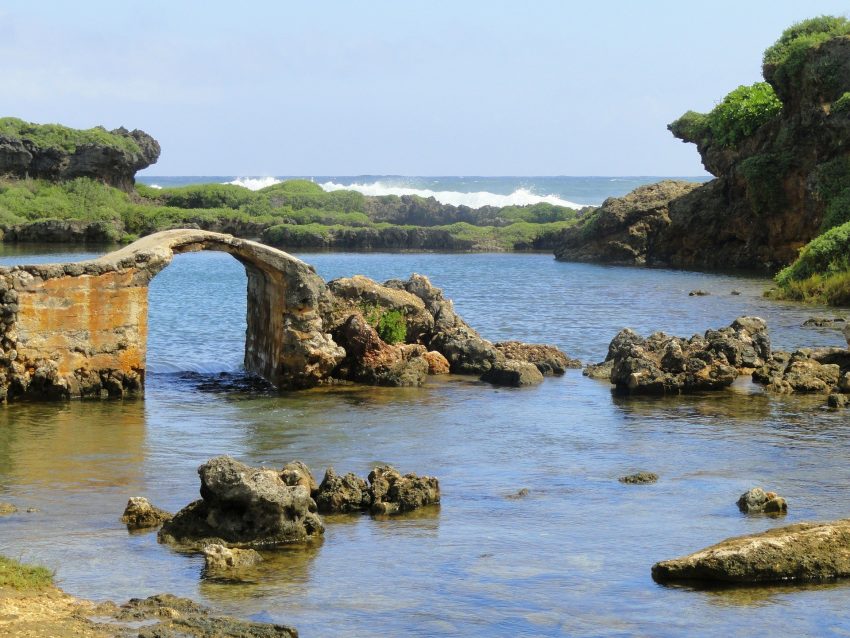
Guam is a U.S. island territory in the western Pacific, part of the Mariana Islands, known for its warm climate, clear waters, and relaxed island pace. As the largest island in Micronesia, it blends tropical scenery with modern conveniences, making it an easy base for both beach time and everyday comforts. English is widely spoken, and the U.S. dollar is used, which can make travel and logistics feel straightforward for many visitors.
The island’s landscape is varied for its size: limestone cliffs and sheltered bays in the north, greener hills and waterfalls in the south, and coral reefs ringing much of the coastline. Tumon Bay is the main hub for resorts, dining, and shopping, while a short drive can take you to quieter villages, scenic overlooks, and coastal trails. Snorkeling, diving, paddleboarding, and sunset watching are popular, with plenty of spots that suit both beginners and experienced ocean-goers.
Guam’s culture reflects a mix of Chamorro traditions and broader Pacific and American influences, showing up in food, festivals, and everyday life. Local flavors often feature seafood, tropical fruits, and barbecue, and community events highlight dance, music, and crafts. Whether you’re visiting for a quick getaway or a longer stay, Guam offers a compact, welcoming island experience with plenty to explore at your own pace.
Table of Contents
- History of Guam
- Before European contact
- 1521–1668: First contact and early Spanish claims
- 1668–1898: Spanish colonial era and major upheaval
- 1898–1941: U.S. rule and naval administration
- 1941–1944: Japanese occupation in World War II
- 1944–1950: Liberation and postwar transformation
- 1950–1970s: Territorial status and expanding self-government
- 1980s–2000s: Identity, political status debates, and economic change
- 2010s–present: Strategic hub, resilience, and ongoing status questions
- Best Time to Visit Guam
- Food and Drink from Guam
History of Guam
Guam’s history is shaped by its Indigenous Chamorro roots, centuries of Spanish rule, a brief American takeover, Japanese occupation during World War II, and its ongoing status as an unincorporated U.S. territory with a strong local culture and strategic military role.
Before European contact
People settled Guam and the Mariana Islands roughly 3,500–4,000 years ago, developing what became the Chamorro culture. Communities were organized around extended kin networks and village life, with seafaring, fishing, farming, and inter-island exchange. Distinctive latte stone pillars—used as supports for buildings—became a hallmark of ancient Chamorro architecture. Society changed over time through regional trade and internal shifts, but remained deeply tied to land, ocean, and clan relationships.
1521–1668: First contact and early Spanish claims
In 1521, Ferdinand Magellan’s expedition reached Guam during its circumnavigation. Spain later claimed the Mariana Islands, but for more than a century Spanish presence was intermittent. Contact brought new goods and new pressures, including disease and conflict, and it set the stage for more direct colonial rule.
1668–1898: Spanish colonial era and major upheaval
Spain established a permanent mission and colonial administration in 1668. Catholicism spread and became central to island life, but the period also brought profound disruption. Warfare, forced relocations, disease, and social reorganization sharply reduced the Chamorro population and altered traditional governance and settlement patterns. Guam became a key stop on Spanish Pacific routes, especially as part of the Manila galleon network linking the Americas and Asia. Over time, Chamorro culture persisted and adapted, blending Indigenous practices with Spanish and later other influences.
1898–1941: U.S. rule and naval administration
During the Spanish–American War in 1898, the United States took Guam from Spain. The island was administered largely by the U.S. Navy for decades. English-language schooling and American legal and administrative systems expanded, while local political participation remained limited. Guam’s strategic value grew as the U.S. presence in the Pacific increased.
1941–1944: Japanese occupation in World War II
Japan captured Guam shortly after the attack on Pearl Harbor in December 1941. The occupation was marked by hardship for Chamorros and other residents, including forced labor, restrictions, and violence. Many families were displaced and communities suffered severe trauma.
1944–1950: Liberation and postwar transformation
U.S. forces retook Guam in July 1944 after intense fighting. The war left major destruction, and the postwar period brought rapid change: large-scale military construction, population shifts, and economic restructuring. The island’s strategic role in U.S. Pacific defense became even more significant.
1950–1970s: Territorial status and expanding self-government
The Organic Act of 1950 made Guam an unincorporated U.S. territory, established a civilian government framework, and granted U.S. citizenship to Guam residents. Over the following decades, local institutions expanded. In 1970, Guam began electing its governor, strengthening local democratic control even as federal authority and military presence remained substantial.
1980s–2000s: Identity, political status debates, and economic change
Guam’s economy increasingly relied on a mix of U.S. federal spending, military activity, and tourism—especially from East Asia. At the same time, debates over political status intensified, including discussions of greater autonomy, commonwealth-style arrangements, statehood, or independence. Chamorro cultural revitalization efforts grew, emphasizing language, history, land issues, and self-determination.
2010s–present: Strategic hub, resilience, and ongoing status questions
Guam remains a major U.S. strategic location in the Western Pacific, with continuing military investment and periodic plans for force realignments. The island also faces challenges common to many Pacific communities: vulnerability to typhoons, climate risks, cost-of-living pressures, and the need to balance development with cultural and environmental protection. Political status and self-determination remain central themes, alongside efforts to preserve and strengthen Chamorro identity within Guam’s diverse, multicultural society.
Best Time to Visit Guam
Visiting Guam in Winter (Best)
Winter (December–February) is one of the best times to visit Guam for reliably warm, sunny weather with lower humidity and minimal rainfall. It’s ideal for beach days, snorkeling, diving, and hiking without the heavier heat of later months. This season is also popular for holiday travel, so booking flights and hotels earlier can help secure better options.
Visiting Guam in Spring
Spring (March–May) stays warm and generally dry, with humidity gradually increasing as the season goes on. It’s a great shoulder season for enjoying Tumon Bay, outdoor excursions, and cultural sites with fewer crowds than peak winter weeks. If you’re looking for a balance of good weather and a slightly calmer pace, spring is a strong choice.
Visiting Guam in Summer
Summer (June–August) is hotter and more humid, and it overlaps with the wetter part of the year. You can still have plenty of sunny days, but brief heavy showers are more common, and conditions can feel muggy—especially midday. A major highlight is the Guam Micronesia Island Fair (typically in summer), which showcases regional dance, music, crafts, and food and is a standout cultural experience.
Visiting Guam in Fall
Fall (September–November) remains warm, but it’s often the rainiest stretch and can coincide with a higher chance of tropical storms in the region. Travel can be a bit quieter, and you may find better deals, but it’s wise to plan flexible outdoor activities and keep an eye on forecasts. If you don’t mind occasional downpours, fall can still be rewarding for diving, food, and a more relaxed atmosphere.
Food and Drink from Guam
Guam’s food and drink reflect a blend of CHamoru traditions and centuries of outside influence, especially from Spain, the Philippines, Japan, and the United States. Meals often center on rice, grilled meats, seafood, and bright, tangy flavors built from vinegar, citrus, soy sauce, garlic, and hot peppers. Family gatherings, village fiestas, and barbecues are central to island life, and the table is typically filled with shared platters meant for everyone to sample. Local produce and tropical ingredients—coconut, breadfruit, taro, bananas, and mango—also shape everyday cooking and special-occasion dishes.
A signature of Guam is its barbecue culture, where chicken, ribs, or beef are marinated and grilled over open flame. A common flavor base is finadene, a punchy dipping sauce that can combine soy sauce, vinegar, lemon, onions, and chili, adjusted from mild to fiery depending on the cook. Red rice is a classic side dish, colored and subtly flavored with achote (annatto), and often served alongside grilled meats and pickled vegetables. Another staple is kelaguen, a dish of chopped meat or seafood—frequently chicken, shrimp, or fish—mixed with lemon juice, grated coconut, onions, and peppers for a fresh, smoky, citrusy bite.
Seafood and coconut-based dishes are also prominent, reflecting Guam’s coastal setting. Coconut milk is used to enrich stews and sauces, and grated coconut appears in both savory preparations and snacks. Titiyas, a flatbread often compared to a tortilla, can be served plain or paired with savory dishes, while hearty soups and braises may feature local greens and root crops. Desserts and treats frequently highlight tropical sweetness, with coconut, banana, and other island fruits appearing in puddings, pastries, and chilled sweets.
Drinks on Guam range from everyday refreshments to festive favorites. Coconut water and fruit juices are popular in the heat, and iced teas and lemony drinks pair well with grilled foods. At celebrations, beer and mixed drinks are common, alongside cocktails that lean on tropical fruit flavors. Coffee is widely enjoyed as well, and gatherings often end with something sweet and a warm drink, rounding out a cuisine that is communal, bold, and deeply tied to island identity.