Grenada: The Ultimate Travel Guide 2026
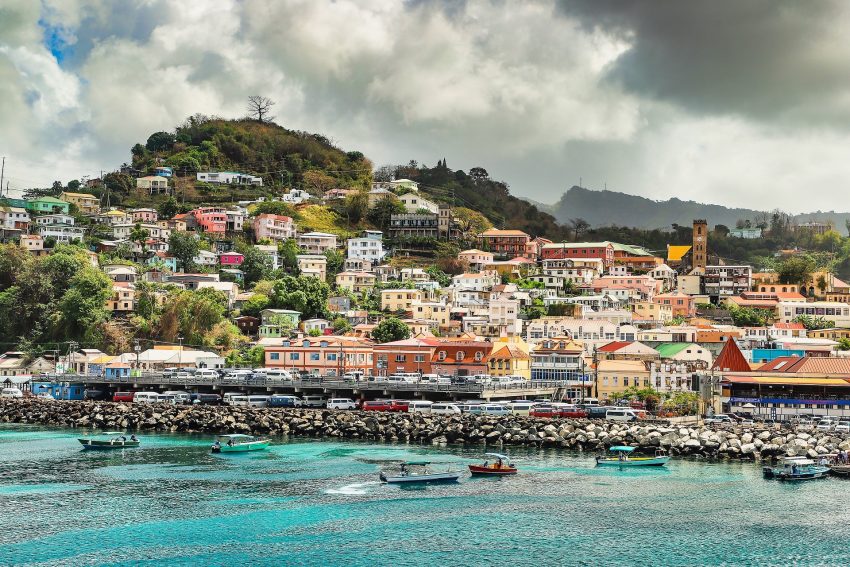
Grenada is a small, lush island nation in the southeastern Caribbean, known for its warm climate, green hills, and clear turquoise waters. Often called the “Spice Isle,” it’s famous for producing nutmeg, cinnamon, cloves, and cocoa, which shape both its economy and its distinctive aromas and flavors. The country includes the main island of Grenada as well as the smaller islands of Carriacou and Petite Martinique, each offering its own pace and character.
Nature is a big part of Grenada’s appeal, from rainforest trails and waterfalls in the interior to calm bays and coral reefs along the coast. Visitors and locals alike enjoy beaches such as Grand Anse, scenic viewpoints, and a variety of outdoor activities including snorkeling, diving, sailing, and hiking. The island’s landscape makes it easy to move between seaside relaxation and inland adventure in the same day.
Grenada’s culture blends Caribbean rhythms with a strong sense of community, expressed through music, food, and lively festivals. Local cuisine highlights fresh seafood, tropical fruits, and spice-rich dishes, while markets and small towns showcase everyday island life. With a friendly atmosphere and a mix of natural beauty and cultural energy, Grenada offers an inviting introduction to the Caribbean beyond the usual postcard scenes.
Table of Contents
- History of Grenada
- Before European colonization
- First European contact and early rivalry
- French colonization and the plantation economy
- British conquest and shifting imperial rule
- Resistance, emancipation, and post-slavery society
- Late 19th to early 20th century: economic change and political awakening
- Toward self-government and independence
- Revolution and the 1983 crisis
- Return to parliamentary politics and contemporary developments
- Best Time to Visit Grenada
- Food and Drink from Grenada
History of Grenada
Grenada’s history is shaped by Indigenous settlement, European rivalry, plantation slavery, emancipation, and modern struggles over democracy and development. Its strategic location at the southern end of the Eastern Caribbean and its fertile volcanic soils made it valuable to colonial powers and later central to regional politics.
Before European colonization
Long before Europeans arrived, Grenada was inhabited by Indigenous peoples of the Caribbean. Archaeological evidence points to successive waves of settlement, including communities often identified as Arawak/Taíno-related groups and later Kalinago (Carib). These societies lived from fishing, farming, and inter-island trade, and they maintained networks across the Lesser Antilles.
First European contact and early rivalry
Christopher Columbus sighted Grenada in 1498, but Spain did not establish a lasting settlement there. For more than a century, European powers contested influence in the region while Indigenous communities remained dominant on the island. Grenada’s rugged interior and the resistance of the Kalinago contributed to delayed colonization compared with some neighboring islands.
French colonization and the plantation economy
France established control in the mid-1600s, beginning a period of violent conflict and displacement of Indigenous people. Under French rule, Grenada developed a plantation economy based on sugar and other crops, powered by the forced labor of enslaved Africans. As plantations expanded, the island’s population and social structure were transformed: a small European elite held political and economic power, while enslaved Africans formed the majority and endured brutal conditions.
British conquest and shifting imperial rule
During the 1700s, Britain and France repeatedly fought over Grenada as part of wider imperial wars. Britain captured Grenada in 1762, France briefly regained it during the American Revolutionary era, and Britain reasserted control in 1783. British rule consolidated the plantation system, expanded exports, and entrenched a colonial administration that excluded most of the population from political rights.
Resistance, emancipation, and post-slavery society
Enslaved people resisted through everyday defiance, flight, and organized revolt. A major uprising occurred in 1795–1796, linked to broader revolutionary currents in the Atlantic world and to local grievances. Slavery was abolished in the British Empire in the 1830s, followed by an “apprenticeship” period that limited freedom before full emancipation. After emancipation, formerly enslaved people sought land, wages, and autonomy, while planters and colonial authorities tried to preserve plantation labor and social hierarchy.
Late 19th to early 20th century: economic change and political awakening
As sugar declined, Grenada’s agriculture diversified. Over time, nutmeg and cocoa became especially important, helping earn Grenada the nickname “Spice Isle.” Despite agricultural exports, many people faced poverty, limited opportunities, and vulnerability to global price swings and natural disasters. Labor organizing and demands for political reform grew in the early-to-mid 1900s, reflecting wider Caribbean movements for workers’ rights and self-government.
Toward self-government and independence
Grenada moved gradually toward internal self-government in the mid-20th century, with expanding electoral politics and party competition. In 1967, it became an Associated State with internal autonomy while Britain retained responsibility for defense and foreign affairs. Full independence followed on February 7, 1974, with Grenada becoming a sovereign state within the Commonwealth.
Revolution and the 1983 crisis
Post-independence politics were turbulent. In 1979, the New Jewel Movement led by Maurice Bishop overthrew the government in a bloodless coup and established a revolutionary administration. The new government pursued ambitious social programs and closer ties with Cuba and other socialist states, while also restricting certain political freedoms and facing regional and international opposition. Internal divisions culminated in October 1983 when Bishop was detained and later killed during a power struggle. The crisis triggered a breakdown of order and led to a U.S.-led military intervention later that month, supported by some Caribbean states, which removed the revolutionary government.
Return to parliamentary politics and contemporary developments
After 1983, Grenada restored parliamentary democracy and held elections, rebuilding institutions and reorienting foreign relations. The economy continued to rely on tourism, services, and agriculture—especially nutmeg and cocoa—while remaining highly exposed to hurricanes and global shocks. Severe storms, including major hurricanes in the 2000s, caused extensive damage and long recovery periods. In recent decades, Grenada has pursued development through tourism expansion, education and services, and regional integration, while navigating the enduring challenges of small-island economies: debt pressures, climate vulnerability, and the need to diversify beyond a few key sectors.
Today, Grenada’s national identity reflects these layered histories—Indigenous roots, African heritage shaped by slavery and emancipation, European colonial legacies, and the lasting imprint of the revolutionary era on political memory and public life.
Best Time to Visit Grenada
Visiting Grenada in Winter (Best)
Winter (December to February) is one of the most popular times to visit Grenada thanks to warm, sunny days, lower humidity, and minimal rainfall. It’s ideal for beach time, sailing, diving, hiking in the rainforest, and exploring St. George’s without the heavier heat of other months. Expect a livelier atmosphere and higher prices, especially around Christmas and New Year.
Visiting Grenada in Spring
Spring (March to May) stays warm and generally dry, with slightly fewer crowds than winter while still offering excellent weather for outdoor activities. It’s a great shoulder season for snorkeling and diving (often with very good visibility), waterfall visits, and day trips around the island. April and May can feel hotter, but conditions are still comfortable for most travelers.
Visiting Grenada in Summer
Summer (June to August) brings higher humidity and the start of the wetter season, but it can be a good value period with fewer visitors and better deals on accommodation. Rain often comes in short bursts rather than all-day washouts, so you can still enjoy beaches and excursions—just plan flexibility into your days. A major highlight is Grenada’s Carnival (Spicemas), typically held in August, with parades, music, and cultural events that draw visitors from across the region.
Visiting Grenada in Autumn
Autumn (September to November) is typically the wettest period and overlaps with the Atlantic hurricane season, so it’s best for travelers who prioritize lower prices and quieter beaches and don’t mind occasional disruptions from heavy rain. Conditions usually begin improving toward late October and November. If you’re visiting in this season, consider booking refundable options and planning a mix of indoor and outdoor activities.
Food and Drink from Grenada
Grenada’s food and drink reflect its identity as the “Spice Isle,” with nutmeg, cinnamon, cloves, mace, and cocoa shaping everyday cooking. Meals often balance hearty staples with bright, fresh flavors from citrus, herbs, and hot peppers. Local markets overflow with breadfruit, plantain, yams, dasheen, and callaloo, alongside abundant seafood, making Grenadian cuisine both comforting and vibrant. Home cooking is central, and many dishes are built slowly—simmered, stewed, or braised—so spices can deepen without overwhelming the natural taste of the ingredients.
A standout national favorite is oil down, a one-pot dish traditionally cooked in coconut milk until it reduces into a rich, seasoned coating. It commonly includes breadfruit, salted meat or fish, turmeric (for color), dumplings, and callaloo, creating a filling meal that’s as much about community as it is about flavor. Other popular plates feature fish cakes, stewed chicken, curried goat, and pelau-style rice dishes, often served with salads or quick pickles for contrast. Pepper sauces and chutneys—sometimes made with local fruits like mango—add heat and tang that Grenadians tailor to their own taste.
Seafood is a major part of the table, from fried or stewed fish to lobster and conch when available. Fresh catches are frequently paired with provisions (ground staples) like green bananas, yams, or breadfruit, and finished with lime, thyme, and scallions. Street food and snack culture is lively too, with items such as bakes, roti, and corn-based treats appearing at roadside stands and community events. Desserts and sweets often highlight coconut, nutmeg, and local fruits, with simple puddings and pastries that lean on spice for warmth and aroma.
Grenada’s drinks are just as distinctive, anchored by cocoa and rum. Locally made cocoa tea—thick, fragrant, and spiced with cinnamon and nutmeg—is a beloved morning drink, sometimes enriched with milk for extra body. Rum punches and mixed drinks are common at gatherings, and Grenadian rum is often infused with spices or paired with tropical juices like sorrel, passion fruit, or citrus. Non-alcoholic favorites include fresh juices, ginger beer, and sorrel drink, which showcase the island’s talent for turning garden ingredients into bold, refreshing flavors.