Ghana: The Ultimate Travel Guide 2026
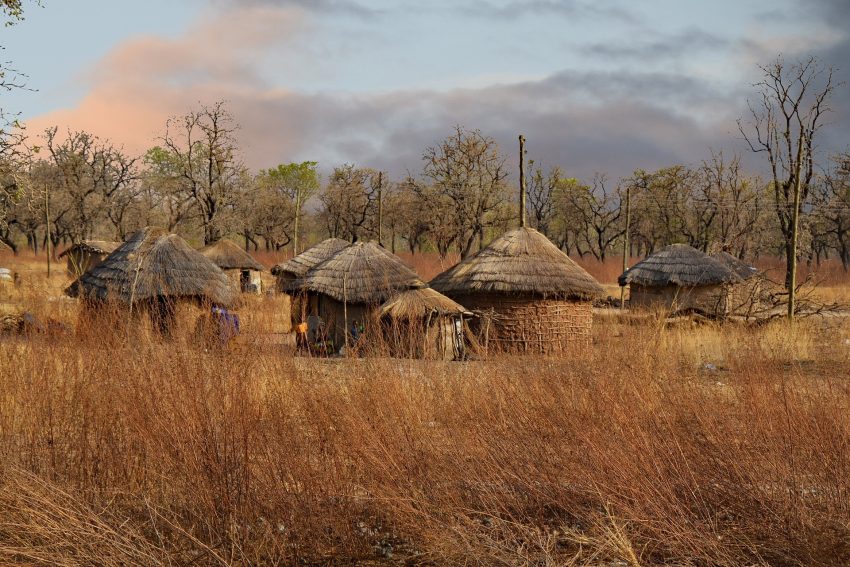
Ghana is a vibrant West African country known for its warm hospitality, lively culture, and striking variety of landscapes. From the Atlantic coastline and sandy beaches to forested regions and savannah in the north, the country offers a rich mix of natural scenery and everyday life. Its cities blend modern energy with local character, making Ghana an inviting place to explore and experience.
Accra, the capital, is a dynamic hub of music, food, fashion, and entrepreneurship, with bustling markets, coastal neighborhoods, and a growing arts scene. Beyond the capital, places like Kumasi, Cape Coast, and Tamale each bring their own distinct pace and traditions, reflecting the country’s diverse ethnic groups and languages. Across the country, festivals, drumming, dance, and storytelling remain central to community life.
Ghana is also celebrated for its flavorful cuisine-think jollof rice, waakye, banku, and fresh seafood-often enjoyed with spicy sauces and shared in a communal spirit. English is the official language, and you’ll also hear widely spoken local languages such as Twi, Ewe, Ga, and Dagbani. Whether you’re visiting for culture, nature, business, or relaxation, Ghana offers a welcoming atmosphere and a memorable sense of place.
Table of Contents
History of Ghana
Ghana’s history spans ancient states and trade networks, European coastal forts and the Atlantic slave trade, British colonial rule, and a leading role in African decolonization, followed by cycles of civilian and military governments and a long period of constitutional democracy.
Early societies and states (to 1400s)
Long before the modern state, the region that is now Ghana contained diverse peoples and polities linked to wider West African trade. Farming communities expanded, ironworking spread, and local chieftaincies and kingdoms formed. In the north, towns and states participated in trans-Saharan commerce, connecting to larger Sahelian empires and trading in goods such as gold, kola nuts, and salt.
Gold trade and the rise of Akan states (1400s–1600s)
From the forest and forest–savanna zones, Akan-speaking groups developed powerful states and commercial networks. Gold became central to regional and international trade, helping to build wealth and political authority. Coastal and inland routes connected producers, merchants, and rulers, and competition among states shaped alliances and warfare.
European contact and coastal forts (1470s–1800s)
Portuguese sailors reached the coast in the late 1400s and built trading posts, soon followed by other European powers. Forts and castles multiplied along the shoreline as Europeans competed for access to gold and other commodities. Over time, the Atlantic slave trade became dominant, with coastal forts serving as holding and export points for enslaved Africans. Local politics and warfare were increasingly entangled with Atlantic commerce, while communities suffered displacement and demographic loss.
Asante ascendancy and regional power (1700s–1800s)
In the interior, the Asante (Ashanti) Empire emerged as a major power, unifying many Akan states through military strength, diplomacy, and administration centered on Kumasi. Asante influence expanded through trade and conquest, shaping politics across much of present-day Ghana and beyond. Relations with coastal states and European powers alternated between commerce and conflict.
British expansion and colonial rule (1800s–1957)
Britain gradually consolidated control on the coast and then inland, culminating in the formal establishment of the Gold Coast colony and the defeat and incorporation of Asante after a series of conflicts. Colonial administration reshaped governance through indirect rule, new legal systems, and infrastructure geared toward export production. Cocoa farming expanded dramatically in the early 1900s, transforming the economy and creating new social classes and political demands. Education, urbanization, and labor movements grew, and nationalist politics intensified after World War II.
Independence and Nkrumah’s era (1957–1966)
The Gold Coast became independent as Ghana in 1957, the first sub-Saharan African colony to do so under majority rule. Kwame Nkrumah and his Convention People’s Party pursued rapid modernization, industrialization, and strong pan-African leadership. The state expanded its role in the economy and politics, and Ghana became a symbol of decolonization. Over time, political repression increased, economic strains mounted, and Nkrumah was overthrown in a 1966 coup.
Coups, republics, and economic adjustment (1966–1981)
Ghana experienced alternating civilian and military governments amid economic difficulties and debates over the role of the state. Attempts at constitutional rule were interrupted by coups, reflecting tensions among political factions, the military, and social groups. Inflation, shortages, and declining export earnings contributed to instability.
Rawlings and the Fourth Republic (1981–present)
Flight Lieutenant Jerry John Rawlings seized power in 1981, first ruling through military-led councils before transitioning to multiparty constitutional rule in 1992. Economic reforms and structural adjustment reshaped markets and public institutions, with social costs and political controversy. Since 1992, Ghana has maintained a relatively stable democratic system with regular elections and peaceful transfers of power, notably between the major parties. The economy diversified beyond cocoa and gold, and oil production began in the 2010s, bringing new revenues alongside governance and inequality challenges. Ghana continues to balance development goals with issues such as youth employment, public finance pressures, regional security concerns, and debates over resource management and social policy.
Best Time to Visit Ghana
Visiting Ghana in Winter (Best)
Winter (December–February) is one of the most popular times to visit Ghana thanks to warm days, lower humidity, and minimal rainfall—ideal for beach time, wildlife viewing, and exploring cities and heritage sites. It’s also peak season for travel, so expect higher prices and busier hotels, especially in Accra and Cape Coast. Festival highlight: December is packed with “Detty December” events in Accra (concerts, nightlife, and cultural pop-ups), drawing visitors from across the world.
Visiting Ghana in Spring
Spring (March–May) is hotter and more humid, with temperatures rising before the main rains fully set in. It can still be a great time for coastal trips and cultural touring if you don’t mind the heat, and you may find slightly better deals than in winter. Pack light clothing and plan outdoor activities for mornings and late afternoons. Festival highlight: Easter period often brings a lively atmosphere in many towns, with local celebrations and increased travel.
Visiting Ghana in Summer
Summer (June–August) generally aligns with the main rainy season in much of southern Ghana, bringing greener landscapes but also heavier showers and occasional travel delays. It’s a good season if you prefer fewer crowds, enjoy lush scenery, and don’t mind planning around rain—especially for city visits, museums, and food-focused trips. Festival highlight: Some communities hold traditional festivals during this period, though dates vary by region and year.
Visiting Ghana in Autumn
Autumn (September–November) is a shoulder season that can offer a strong balance: rainfall typically eases, conditions become more comfortable, and crowds are lighter than in winter. It’s a solid time for beach stays, Cape Coast and Elmina history trips, and nature excursions as the country transitions toward the dry season. Festival highlight: Homowo (often around August–September) is a major Ga festival in and around Accra, known for drumming, dancing, and community celebrations (timing can vary each year).
Food and Drink from Ghana
Ghana’s food culture is built around hearty, starchy staples paired with bold soups, stews, and sauces. Common bases include cassava, plantain, yam, maize, and rice, which are prepared in ways that make them filling and ideal for sharing. Meals are often centered on a “swallow” (a smooth, dough-like staple) eaten with soup, or on rice and bean dishes served with spicy accompaniments. Across the country, food reflects both local ingredients and regional traditions, with coastal areas leaning more toward seafood and inland areas featuring more game, leafy greens, and groundnut-based dishes.
Some of Ghana’s best-known staples include fufu (pounded cassava and plantain or yam) served with light soup, groundnut soup, or palm-nut soup; and banku, a fermented maize-and-cassava dough usually paired with okra stew or pepper sauce and fish. Kenkey, another fermented maize dish wrapped and steamed, is popular with fried fish and hot pepper. Waakye—rice and beans cooked together, often with sorghum leaves—commonly comes with gari, spaghetti, stew, shito (a dark, spicy pepper sauce), and protein like egg, fish, or meat, making it a classic street-food meal.
Soups and stews are central to Ghanaian cooking, delivering deep flavor through tomatoes, onions, ginger, garlic, and a generous use of chilies. Palm oil and palm-nut concentrate give many dishes their distinctive richness, while groundnuts add body and nuttiness to soups. Kontomire (cocoyam leaves) is used in stews that may include dried fish, smoked meat, or eggs, and okra is valued for its silky texture in soups and stews. Smoked fish, dried shrimp, and fermented seasonings are also common, adding savory depth that balances the heat of pepper.
Ghana’s drinks range from everyday refreshments to traditional beverages served at gatherings. Locally made options include sobolo (hibiscus drink, often spiced with ginger), asaana (a lightly fermented maize drink), and pito (a traditional millet or sorghum beer in the north). Fresh fruit juices and coconut water are widely enjoyed, and Ghana is known for its cocoa, which supports a strong culture of chocolate and cocoa-based drinks. Whether eaten at home, at a chop bar, or from a street vendor, Ghanaian food and drink are defined by warmth, spice, and a strong sense of community around the table.