Gambia: The Ultimate Travel Guide 2026
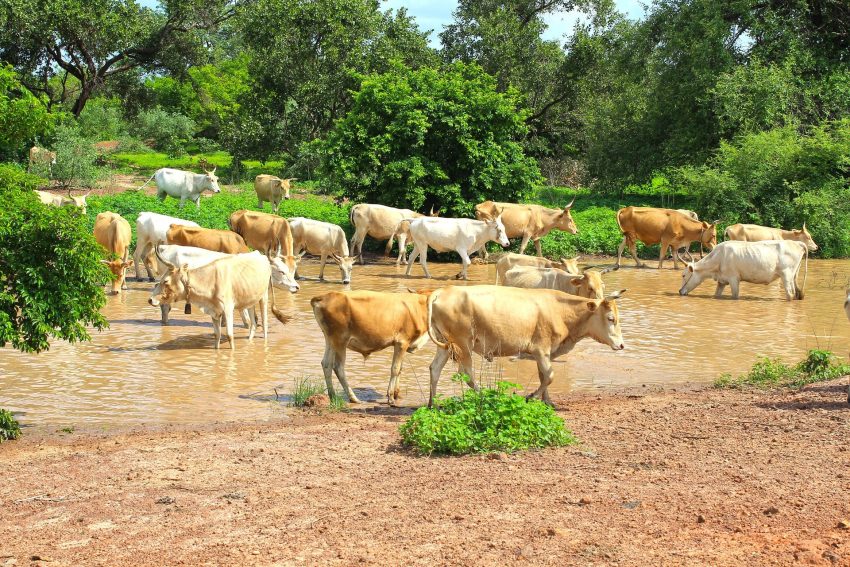
The Gambia is a small West African country known for its warm hospitality, vibrant culture, and striking river landscapes. Stretching inland along the Gambia River and bordered by Senegal on nearly all sides, it offers an easygoing blend of coastal life and inland scenery. From lively towns to quiet villages, the country feels intimate and welcoming, making it a rewarding place to explore at a relaxed pace.
Along the Atlantic coast, you’ll find sandy beaches, bustling markets, and a growing food and arts scene shaped by local traditions and regional influences. Music and dance are central to everyday life, and visitors often encounter festivals, craft stalls, and community gatherings that showcase the country’s diverse ethnic groups and languages. Gambian cuisine is hearty and flavorful, with staples like rice, fish, and peanut-based dishes commonly enjoyed across the country.
Nature is a major draw, especially for birdwatchers and anyone who enjoys the outdoors. The river and surrounding wetlands support rich wildlife, while mangroves and forested areas provide peaceful settings for boat trips and guided walks. Whether you’re looking for beach time, cultural experiences, or a close-up view of West African ecosystems, The Gambia offers a compact yet varied introduction to the region.
Table of Contents
- History of Gambia
- Before 1000 CE
- 1000–1500
- 1400s–1600s: Early Atlantic contact
- 1600s–1800s: Trade, conflict, and the Atlantic slave economy
- 1800s: Abolition pressures and British foothold
- 1880s–1965: Colonial Gambia
- 1965–1970: Independence and a republic
- 1970s–1980s: Stability, attempted coup, and Senegambia
- 1994–2016: Jammeh era
- 2016–2017: Electoral crisis and transition
- 2017–present: Reform efforts and ongoing debates
- Best Time to Visit Gambia
- Food and Drink from Gambia
History of Gambia
The Gambia’s history is shaped by the Gambia River—an inland highway that connected West Africa’s interior to the Atlantic world—along with centuries of regional statecraft, trade, Islam, European rivalry, and, later, a distinctive postcolonial path as a small state surrounded by Senegal.
Before 1000 CE
Archaeological evidence indicates long-standing human settlement in the Senegambia region. Communities farmed, fished, and traded along the river and coast, developing local political authority and exchange networks that linked them to wider West African systems.
1000–1500
The area that is now The Gambia lay within the orbit of major West African powers and trading spheres, including the Ghana and later Mali empires’ broader influence in the region. Mandinka-speaking peoples expanded and consolidated communities, and the Gambia River became a corridor for commerce in gold, salt, kola nuts, and other goods. Islam spread gradually through trade, scholarship, and political alliances, becoming increasingly influential among elites and towns.
1400s–1600s: Early Atlantic contact
Portuguese navigators reached the Senegambian coast in the 15th century, opening a new era of Atlantic commerce. Over time, European traders—Portuguese, Dutch, French, and English among them—competed for access to river trade. Local rulers and merchant networks remained central, negotiating terms, controlling inland routes, and leveraging rivalries among Europeans.
1600s–1800s: Trade, conflict, and the Atlantic slave economy
From the 17th century into the 19th, the region became deeply entangled in the Atlantic slave trade. Captives were taken through warfare, raids, judicial processes, and debt, and then sold through coastal and riverine trading points. This period brought profound demographic and social disruption, intensified militarization in some areas, and reshaped political relationships. Alongside the slave trade, other commodities moved through the river system, and Islamic learning and institutions continued to expand.
1800s: Abolition pressures and British foothold
As Britain moved to suppress the Atlantic slave trade in the 19th century, it strengthened its presence along strategic waterways. Bathurst (now Banjul) was established in 1816 on St Mary’s Island as a base tied to anti-slaving patrols and trade. British influence grew through treaties, commercial control, and armed interventions, while local leaders sought to preserve autonomy and manage shifting economic realities as “legitimate commerce” (such as groundnuts/peanuts) expanded.
1880s–1965: Colonial Gambia
In the late 19th century, European imperial boundaries hardened. Agreements between Britain and France defined The Gambia as a narrow territory following the river, surrounded by what became French Senegal. Britain administered the colony with a sharp divide between the coastal colony (centered on Bathurst) and the inland protectorate, relying on indirect rule through chiefs in many areas.
The economy became heavily dependent on groundnuts, tying rural livelihoods to global commodity prices and merchant credit. Social and political life developed unevenly: Bathurst saw more formal education, wage labor, and political organization, while rural areas faced taxation, labor demands, and limited services. Over time, unions, civic groups, and political parties emerged, and constitutional reforms gradually expanded representation.
1965–1970: Independence and a republic
The Gambia gained independence from Britain on 18 February 1965 as a constitutional monarchy within the Commonwealth. In 1970, it became a republic with Dawda Kairaba Jawara as president. The new state pursued parliamentary governance and maintained close ties with Western partners, while facing the structural constraints of a small, river-bound economy reliant on agriculture and trade through the port.
1970s–1980s: Stability, attempted coup, and Senegambia
Jawara’s government was often described as relatively stable by regional standards, but it confronted economic pressures and political discontent. In 1981, an attempted coup led to significant violence. Senegal intervened militarily to restore the government, and the episode prompted closer security cooperation. In 1982, The Gambia and Senegal formed the Senegambia Confederation, aiming to coordinate defense and some economic and political matters. The arrangement proved difficult to sustain and was dissolved in 1989, though cooperation continued in various forms.
1994–2016: Jammeh era
In July 1994, a military coup led by Yahya Jammeh overthrew Jawara. Jammeh later transitioned to electoral politics while retaining strong control over the state. His rule combined infrastructure and development initiatives with increasing repression, constraints on media and opposition, and allegations of serious human rights abuses. The economy remained dependent on agriculture, tourism, remittances, and aid, with periodic shocks and governance challenges.
2016–2017: Electoral crisis and transition
In December 2016, opposition candidate Adama Barrow won the presidential election. Jammeh initially conceded and then rejected the result, triggering a constitutional crisis. Regional diplomacy and pressure—backed by the threat of intervention—helped enforce the election outcome. Jammeh went into exile in January 2017, and Barrow took office, marking a major political turning point.
2017–present: Reform efforts and ongoing debates
Since 2017, The Gambia has pursued reforms aimed at strengthening democratic institutions and addressing past abuses, including a prominent truth-seeking process that documented violations and recommended accountability measures. Politics has remained competitive, with debates over constitutional change, security-sector reform, economic management, and how best to balance reconciliation with justice. The country continues to navigate the opportunities and vulnerabilities of a small state with a strategic river, a youthful population, and an economy sensitive to regional dynamics and global conditions.
Best Time to Visit Gambia
Visiting Gambia in Winter (Best)
Winter (roughly December to February) is the most popular time to visit Gambia: days are warm, humidity is low, and rainfall is minimal. It’s ideal for beach time along the Atlantic coast, river cruises on the Gambia River, wildlife and birdwatching, and comfortable sightseeing in Banjul and nearby markets. Festival highlights can include Christmas and New Year celebrations, plus lively local music and cultural events during the peak tourist season.
Visiting Gambia in Spring
Spring (roughly March to May) is hotter and drier, with temperatures climbing as the season progresses. It’s a good choice if you want fewer crowds than mid-winter while still enjoying mostly dry weather. Beach trips and river excursions remain great, though midday heat can be intense—plan outdoor activities for mornings and late afternoons. Festival highlights may include Easter celebrations (dates vary), which can bring a festive atmosphere in towns and coastal areas.
Visiting Gambia in Summer
Summer (roughly June to August) marks the start of the rainy season, bringing higher humidity and frequent showers. Landscapes become greener and the river region feels especially lush, but some travel can be slower due to downpours. This is a strong season for travelers who prefer quieter beaches and don’t mind tropical weather. Festival highlights can include local community celebrations and cultural events tied to the agricultural season, though schedules vary by year and region.
Visiting Gambia in Autumn
Autumn (roughly September to November) transitions from wetter conditions toward the dry season. September can still be rainy, but by November the weather is noticeably drier and more comfortable. It’s a good shoulder-season option for value, improving conditions, and fewer crowds before peak winter travel returns. Festival highlights may include Mawlid (Prophet Muhammad’s birthday—date varies by lunar calendar), which can be a major cultural moment with gatherings, recitations, and community events.
Food and Drink from Gambia
Gambian food reflects the country’s riverside geography, farming traditions, and coastal access, with meals built around staple grains and hearty sauces. Rice is especially common, often served with richly seasoned stews, while millet and maize also feature in porridges and breads. Many dishes balance savory depth with gentle heat, using onions, tomatoes, chilies, and local spices, and meals are frequently shared from a communal bowl, emphasizing hospitality and togetherness.
One of the best-known dishes is domoda, a peanut-based stew that is thick, comforting, and deeply flavorful. It’s typically cooked with beef, lamb, or fish and served over rice, with vegetables such as cassava, sweet potato, carrot, or okra simmered until tender. Another popular rice dish is benachin (often called “one pot”), where rice is cooked in a tomato-rich broth with vegetables and meat or fish, absorbing layers of flavor as it steams. Yassa—marinated chicken or fish with lots of onions, citrus, and mustard—also appears on many tables, offering a tangy contrast to richer stews.
Fish and seafood play a major role, especially in coastal communities and along the River Gambia. Fresh catch may be grilled, fried, or added to soups and sauces, sometimes accompanied by leafy greens or okra for body and texture. Street foods and snacks are part of daily life too, including grilled meats, fried pastries, and simple plates of rice with sauce sold at small stalls. Seasonal fruits such as mangoes, oranges, and bananas are widely enjoyed, often eaten fresh as a refreshing finish to a meal.
Drinks in The Gambia range from everyday tea to fruit-based refreshments. Attaya, a strong green tea prepared in multiple rounds and poured from a height to create foam, is a social ritual as much as a beverage, shared during conversation and breaks in the day. Ginger and hibiscus drinks are popular for their bright, cooling flavors, and fresh juices are common when fruit is abundant. In many homes and gatherings, offering a drink—whether tea, juice, or water—is a simple but important expression of welcome.