Gabon: The Ultimate Travel Guide 2026
Gabon is a peaceful, forest-rich country on the west coast of Central Africa, bordered by Equatorial Guinea, Cameroon, and the Republic of the Congo, with the Atlantic Ocean along its western edge. Known for its lush landscapes and abundant wildlife, much of Gabon is covered by tropical rainforest, giving it a strong reputation as one of Africa’s most nature-forward destinations. Its capital, Libreville, is the country’s largest city and a key hub for government, business, and coastal culture.
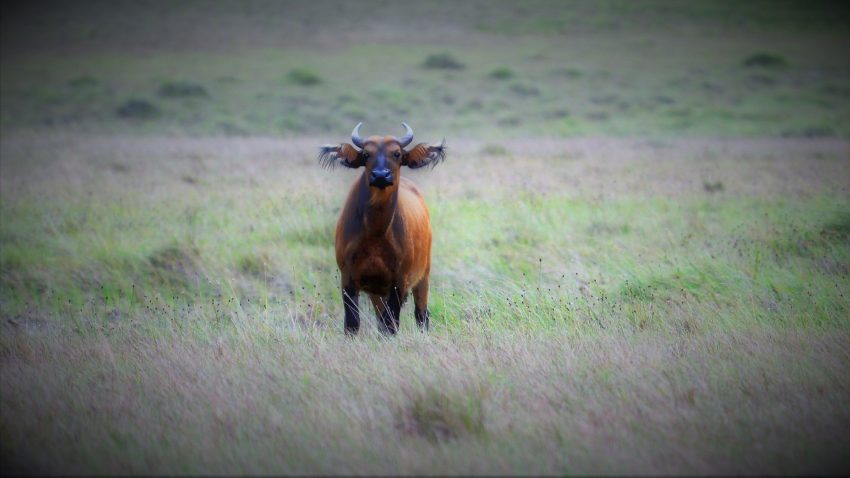
Nature is at the heart of Gabon’s identity. The country is home to a network of national parks that protect everything from dense jungle and mangroves to savannas and pristine beaches, offering habitats for elephants, gorillas, chimpanzees, and sea turtles. With relatively low population density and large protected areas, Gabon stands out for its sense of space and its commitment to conservation, making it especially appealing to travelers interested in ecotourism and outdoor exploration.
Gabon’s economy is shaped by natural resources, alongside growing efforts to diversify through sustainable forestry, services, and tourism. French is the official language, and daily life reflects a blend of modern urban living in cities and strong community traditions across the country’s many ethnic groups. Whether you’re drawn by its coastal scenery, rainforest adventures, or vibrant city life, Gabon offers a distinctive mix of Central African culture and remarkable natural beauty.
Table of Contents
- History of Gabon
- Early societies and regional networks
- Atlantic contact and the slave trade
- French foothold and colonial consolidation
- French Equatorial Africa and wartime politics
- Toward self-government and independence
- Early independence and the rise of a dominant-party state
- Oil wealth, stability, and political opening
- Succession and contested elections
- The 2023 military takeover and transition
- Best Time to Visit Gabon
- Food and Drink from Gabon
History of Gabon
Gabon’s history is shaped by early forest societies, Atlantic trade and French colonial rule, and a post-independence state long dominated by a single political family, followed by a recent military takeover and a new transitional order.
Early societies and regional networks (before 1500)
Long before written records, the area that is now Gabon was home to hunter-gatherer communities and later waves of Bantu-speaking peoples who developed farming, ironworking, and riverine trade. Communities formed around the Ogooué River basin and coastal lagoons, with political authority typically organized through clans, lineages, and local chiefs rather than large centralized kingdoms.
Atlantic contact and the slave trade (1500s–1800s)
Portuguese sailors reached the coast in the late 15th century and named the region for the “gabão,” a cloak-like shape they associated with the estuary. Over the following centuries, European traders—Portuguese, Dutch, British, and French—built commercial ties with coastal leaders. Trade included ivory, timber, and other goods, but the Atlantic slave trade became central to coastal commerce and conflict, reshaping societies through raiding, displacement, and new power dynamics linked to control of trade routes and ports.
French foothold and colonial consolidation (1839–1910)
France expanded its influence through treaties with coastal authorities in the 19th century, establishing a protectorate and then formal colonial administration. Libreville was founded in 1849 as a settlement for freed captives. French control gradually extended inland via military expeditions, administrative posts, and alliances, though it faced resistance and was limited by geography and disease. Missionary activity and colonial schooling introduced new religious and social institutions, while forced labor and concessionary companies exploited resources and people.
French Equatorial Africa and wartime politics (1910–1945)
Gabon became part of French Equatorial Africa (AEF) in 1910, administered from Brazzaville. Colonial rule relied on taxation, coercive labor, and extraction, with infrastructure built primarily to serve export needs. During World War II, Gabon became a contested territory between Vichy and Free French forces; by late 1940 it was brought under Free French control, aligning it with the Allied cause and accelerating postwar political reforms.
Toward self-government and independence (1945–1960)
After 1945, political participation expanded through new representative institutions and parties. Gabon’s leaders negotiated a path that favored close ties with France. Internal debates centered on autonomy, economic development, and the role of traditional authorities and emerging urban elites. Gabon achieved independence on 17 August 1960, with Léon M’ba as the first president.
Early independence and the rise of a dominant-party state (1960s–1970s)
The early years were marked by intense political rivalry and a 1964 coup attempt that was reversed with French military intervention, reinforcing Gabon’s strategic relationship with France. In 1967, Omar Bongo (later Omar Bongo Ondimba) became president. By 1968, Gabon moved to a single-party system under the Gabonese Democratic Party (PDG), which would dominate political life for decades. Oil revenues, which grew in importance from the 1970s, transformed the economy and state finances, enabling ambitious public spending while also entrenching patronage networks.
Oil wealth, stability, and political opening (1980s–1990s)
Gabon gained a reputation for relative stability compared with some neighbors, but governance was highly centralized. Economic pressures and demands for reform led to a national conference and the reintroduction of multiparty politics in the early 1990s. Elections resumed under a multiparty framework, yet the PDG and the presidency remained firmly in control, with opposition parties alleging irregularities and uneven access to state resources.
Succession and contested elections (2000s–2010s)
Omar Bongo’s long rule ended with his death in 2009. His son, Ali Bongo Ondimba, won the subsequent election and continued the PDG’s dominance. The period saw efforts to modernize infrastructure and diversify the economy, alongside persistent concerns about corruption, inequality, and political freedoms. The 2016 presidential election was especially contentious, triggering protests and a severe political crisis. In 2018, Ali Bongo suffered a stroke, raising questions about succession and governance.
The 2023 military takeover and transition (2023–present)
After the announcement of Ali Bongo’s reelection in August 2023, senior military officers seized power, citing concerns about electoral credibility and governance. Ali Bongo was removed, and a transitional authorities were installed under military leadership. The transition has involved promises of institutional reform and a return to constitutional order, while debates continue over timelines, political participation, and the future balance between civilian rule and military influence.
Today, Gabon’s historical trajectory remains defined by the legacy of colonial-era structures, the long dominance of the PDG and the Bongo era, the central role of oil in state power, and the uncertain outcomes of the current transition.
Best Time to Visit Gabon
Visiting Gabon in Winter (December–February)
Winter is a strong choice if you want a mix of beach time and wildlife viewing with generally warm, humid conditions and fewer heavy downpours than the peak rainy months. Roads and park access are often more manageable than during the wettest periods, making it a practical window for exploring Libreville, the coast, and selected national parks.
Visiting Gabon in Spring (March–May)
Spring is typically hotter and more humid, with rainfall increasing as the long rainy season gets underway. It can still be rewarding if you’re prioritizing lush landscapes, fewer visitors, and a greener, more tropical feel—just plan for sudden downpours and potentially slower travel on unpaved roads. This season can be less ideal for remote park logistics, but great for travelers who don’t mind weather variability.
Visiting Gabon in Summer (June–August) (Best)
Summer aligns with the long dry season and is often the best time to visit Gabon for smoother travel and outdoor activities. Cooler temperatures (by local standards), lower humidity, and reduced rainfall make it easier to get around and spend long days in national parks. This is a prime season for nature-focused trips—hiking, forest exploration, and coastal excursions—thanks to more reliable conditions.
Visiting Gabon in Autumn (September–November)
Autumn starts relatively dry in September and then transitions toward the short rainy season later in the period. Early autumn can be an excellent shoulder-season option if you want good weather with a bit more flexibility on pricing and crowds. If festivals are a priority, keep an eye on cultural calendars in Libreville and other major towns, as events and celebrations are often scheduled around drier stretches when travel is easier.
Food and Drink from Gabon
Gabon’s food reflects its equatorial forests, Atlantic coastline, and a mix of Indigenous, French, and wider Central African influences. Meals often center on starchy staples that carry rich sauces: cassava (manioc) in many forms, plantains, yams, taro, and rice. Cassava leaves are also widely used, cooked down into hearty greens. Markets and home kitchens rely on what is abundant and fresh, so dishes shift with the seasons and with access to river, sea, and forest ingredients.
Seafood is especially important along the coast, with fish and shellfish appearing grilled, smoked, or simmered in sauces. Fish is commonly seasoned with aromatics like onion, garlic, ginger, and chili, then served with plantain or cassava. Smoked fish is prized for the depth it adds to stews, and it travels well from fishing areas to inland towns. In river regions, freshwater fish also features prominently, often cooked simply to highlight its flavor.
Forest foods give Gabonese cuisine a distinctive character. Wild greens, mushrooms, and nuts appear in sauces and side dishes, and some communities incorporate game when available. Peanut-based sauces are popular, as are preparations that balance heat and acidity, sometimes using citrus or tangy ingredients to brighten heavier stews. Okra and eggplant can be used to thicken sauces, creating a texture that pairs well with fufu-like cassava preparations or boiled plantains.
Drinks in Gabon range from everyday refreshments to ceremonial beverages. Fresh juices and sweetened drinks are common in towns, while palm wine—tapped from palm trees—has a long-standing role in social gatherings and celebrations. Beer and imported soft drinks are widely available, especially in urban areas, reflecting modern consumption patterns alongside traditional options. Coffee and tea are also part of daily life for many people, often enjoyed with bread or simple snacks.