Fiji: The Ultimate Travel Guide 2026
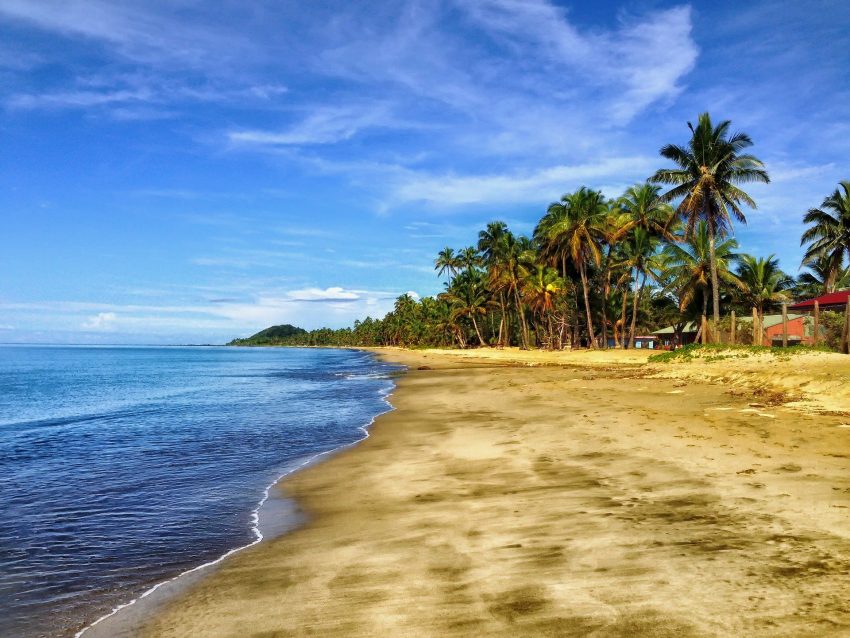
Fiji is a stunning island nation in the South Pacific, known for its warm hospitality, turquoise lagoons, and palm-fringed beaches. Made up of more than 300 islands, it offers everything from lively towns and cultural villages to quiet stretches of sand and secluded coves. Whether you’re arriving for a relaxing getaway or an adventure-filled trip, Fiji’s welcoming atmosphere makes it easy to settle in and feel at home.
Beyond the coastline, Fiji’s landscapes are lush and varied, with rainforest-covered hills, waterfalls, and coral reefs teeming with marine life. Snorkeling and diving are major highlights, thanks to clear waters and vibrant underwater ecosystems, while hiking, river trips, and scenic drives reveal a greener side of the islands. From luxury resorts to family-run stays, there are plenty of ways to experience Fiji at your own pace.
Fijian culture is a big part of what makes the destination memorable, with strong community ties, traditional music and dance, and a deep respect for the ocean and land. Local markets, island cuisine, and village visits offer a chance to connect with everyday life and try flavors like fresh seafood, tropical fruit, and coconut-based dishes. Whether you’re seeking calm, connection, or exploration, Fiji delivers a rich island experience that feels both laid-back and unforgettable.
Table of Contents
History of Fiji
Fiji’s history spans early Pacific settlement, the rise of powerful chiefdoms, European contact, British colonial rule, independence, and repeated political upheavals alongside ongoing efforts to build a stable, multiethnic democracy.
Early settlement (c. 3000 BCE–1600s)
The first settlers arrived by sea as part of the wider Pacific migrations, bringing seafaring skills, agriculture, and pottery traditions associated with the Lapita cultural horizon. Over centuries, communities spread across the archipelago, developing distinct languages and customs while maintaining regional exchange networks. Social organization evolved into complex kin-based systems led by chiefs, with alliances and rivalries shaping local politics.
Chiefdoms and regional power (1600s–1800s)
By the early modern period, Fiji consisted of multiple competing polities rather than a single unified state. Powerful confederacies and chiefly titles emerged, with influence centered in parts of Viti Levu and Vanua Levu and among eastern islands that were closely connected to Tonga and other neighbors. Warfare, diplomacy, and marriage alliances were central to political life, and long-distance ties brought new ideas, goods, and occasional external intervention.
European contact and the rise of a kingdom (1800s–1874)
European and American ships increasingly visited Fiji for sandalwood, bêche-de-mer, and later for trade linked to plantations. Missionaries arrived and Christianity spread, reshaping social and political structures. Firearms and new trade goods altered the balance of power among chiefs. In the mid-19th century, Seru Epenisa Cakobau rose as a dominant figure and sought to consolidate authority, at times presenting himself as a king. However, internal conflict, foreign claims, and financial pressures made stable centralized rule difficult.
Cession to Britain and colonial rule (1874–1945)
In 1874, leading chiefs ceded Fiji to Britain. The colonial administration governed through a system that preserved and formalized chiefly authority and communal land tenure, with most Indigenous land remaining under customary ownership. To supply labor for plantations, the British brought indentured workers from India from 1879 to 1916. This migration profoundly changed Fiji’s demographics and economy; after indenture ended, many Indo-Fijians stayed, forming communities with their own religious, cultural, and political institutions. Colonial society became structured around separate communal categories, with political representation and social policy often organized along ethnic lines.
Toward self-government and independence (1945–1970)
After World War II, Fiji experienced economic growth, urbanization, and expanding education. Political movements and trade unions gained strength, and constitutional reforms gradually increased local participation in government. Negotiations over representation and power-sharing were shaped by the country’s multiethnic population and differing visions for land, political authority, and national identity. Fiji became independent on 10 October 1970, initially as a constitutional monarchy within the Commonwealth.
Coups and constitutional change (1970–2006)
Tensions over electoral outcomes and concerns about Indigenous political paramountcy contributed to major political crises. In 1987, two military coups overthrew a government seen as threatening Indigenous interests, leading to a period outside the Commonwealth and a new constitutional order that favored Indigenous representation. A later constitution in 1997 aimed to improve multiethnic power-sharing and was followed by elections that brought a government led by an Indo-Fijian prime minister. In 2000, another coup and hostage crisis destabilized the country, followed by legal and political struggles over legitimacy and governance. Elections in the early 2000s did not end polarization.
The 2006 coup and a new political order (2006–2014)
In December 2006, the military removed the elected government, citing corruption and divisive politics. Fiji underwent years of rule by decree, restrictions on political activity, and significant institutional changes. A new constitution promulgated in 2013 introduced a single national constituency with proportional representation and removed ethnic-based electoral rolls, aiming to reduce communal politics while also expanding the role of the state in regulating political life.
Elections and contemporary Fiji (2014–present)
Elections resumed in 2014 and continued thereafter, with politics increasingly organized around party competition under the new electoral system. Fiji has pursued development goals while managing challenges including climate change impacts, economic shocks, and debates over civil liberties, the role of the military, and the balance between traditional institutions and modern democratic governance. The country’s modern history remains defined by efforts to reconcile Indigenous rights, a diverse population, and stable constitutional rule.
Best Time to Visit Fiji
Visiting Fiji in Summer (December–February)
Summer in Fiji is hot, humid, and lush, with the highest chance of tropical downpours and cyclones. It’s a good time to visit if you want fewer crowds, greener landscapes, and don’t mind planning around short, heavy rain showers. Water temperatures are very warm, making lagoon time and snorkeling comfortable year-round.
Festival highlights: Look out for New Year celebrations and local cultural events that vary by island and resort, often featuring meke dance performances and Fijian feasts.
Visiting Fiji in Autumn (March–May)
Autumn is a shoulder season that often brings improving weather—warm days, gradually lowering humidity, and fewer intense rain systems as you move into April and May. It’s a strong choice for travelers who want a balance of good conditions and better value than peak winter months.
Festival highlights: Easter can be significant in Fiji, with church services and community gatherings, especially noticeable in towns and villages.
Visiting Fiji in Winter (June–August) (Best)
Winter is typically the most popular time to visit Fiji thanks to drier weather, lower humidity, and pleasantly warm days. Seas are clear, visibility is often excellent for diving and snorkeling, and conditions are generally reliable for island-hopping, cruises, and outdoor activities.
Festival highlights: The Bula Festival (usually July, in Nadi) is a major draw with parades, performances, food, and cultural showcases. The Hibiscus Festival (often August, in Suva) is another standout, featuring entertainment, competitions, and community events.
Visiting Fiji in Spring (September–November)
Spring is another excellent shoulder season, with warming temperatures and generally good weather before the wetter summer pattern returns. It’s ideal if you want great beach conditions with fewer peak-season crowds, and it can be a sweet spot for diving, snorkeling, and hiking.
Festival highlights: Diwali is widely celebrated in Fiji (date varies, often October or November), especially in areas with Indo-Fijian communities, with lights, sweets, and cultural festivities.
Food and Drink from Fiji
Fijian food is shaped by the islands’ warm climate, fertile soils, and the meeting of Indigenous iTaukei, Indo-Fijian, and wider Pacific influences. Meals often center on fresh, local ingredients such as root crops, tropical fruits, leafy greens, and seafood. Coconut in many forms—milk, cream, and grated flesh—adds richness, while limes, chilies, and aromatic herbs bring brightness and heat. Sharing is a key part of eating in Fiji, with family-style dishes and community gatherings reflecting the importance of hospitality.
Traditional iTaukei staples include starchy root vegetables like dalo (taro), cassava, and kumala (sweet potato), commonly paired with fish, pork, or chicken. A standout method of cooking is the lovo, an earth oven where food is wrapped (often in banana leaves) and slow-cooked over hot stones underground, producing smoky, tender results. Popular dishes include kokoda, a refreshing “Fijian ceviche” of raw fish marinated in citrus and mixed with coconut cream, onions, and chilies, and rourou, made from taro leaves simmered in coconut milk.
Indo-Fijian cuisine is equally prominent, bringing spices, curries, and breads that have become everyday favorites across the country. You’ll find roti served with richly spiced chicken, goat, or vegetable curries, along with dal, chutneys, and pickles. Street-food and snack culture includes items like samosas, pakoras, and various fried treats, often enjoyed with a cup of tea. The blend of Pacific ingredients with South Asian techniques gives Fiji a distinctive, comforting food identity.
Fiji’s drinks range from the ceremonial to the refreshing. Kava (yaqona) is the most iconic, made from the ground root of the yaqona plant mixed with water and shared in social and cultural settings; it has an earthy taste and is known for its calming effect. For everyday refreshment, people enjoy coconut water, fresh fruit juices, and local soft drinks, alongside tea and coffee. Beer and rum are also common in social settings, and tropical cocktails often feature island fruits, citrus, and coconut for a taste that matches Fiji’s laid-back coastal vibe.