Federated States of Micronesia: The Ultimate Travel Guide 2026
The Federated States of Micronesia (FSM) is a Pacific island nation made up of four states-Yap, Chuuk, Pohnpei, and Kosrae-spread across a vast area of the western Pacific Ocean. Although its total land area is relatively small, the country’s islands and surrounding waters cover an immense expanse, giving it a strong maritime identity and close ties to the ocean. Each state has its own distinct communities, landscapes, and local traditions, contributing to the nation’s rich cultural variety.
Life in the FSM is shaped by tropical climates, coral reefs, lagoons, and lush vegetation, with many communities living near the coast. The islands are known for their natural beauty and biodiversity, from mangrove forests and mountain interiors to vibrant marine ecosystems that support fishing and local livelihoods. Visitors are often drawn to the country’s clear waters, diving and snorkeling opportunities, and the slower pace of island life.
The FSM is a sovereign country with its own government and national institutions, while also maintaining close relationships with regional neighbors and international partners. English is widely used in government and education alongside many local languages, reflecting the country’s cultural diversity. With a strong sense of community and deep connections to land and sea, the Federated States of Micronesia offers a distinctive blend of island environments and living traditions.
History of Federated States of Micronesia
The Federated States of Micronesia (FSM) is a Pacific island nation made up of four states—Yap, Chuuk, Pohnpei, and Kosrae—spread across a vast area of the western Pacific. Its history is shaped by early ocean voyaging and inter-island exchange, centuries of colonial rule, wartime occupation, and a late-20th-century transition to self-government in free association with the United States.
Ancient settlement and island societies (c. 1500 BCE–1500 CE)
Micronesia was settled by skilled seafarers who navigated long distances using stars, swells, and environmental cues. Over many centuries, distinct island societies developed, connected by trade, marriage alliances, and voyaging networks.
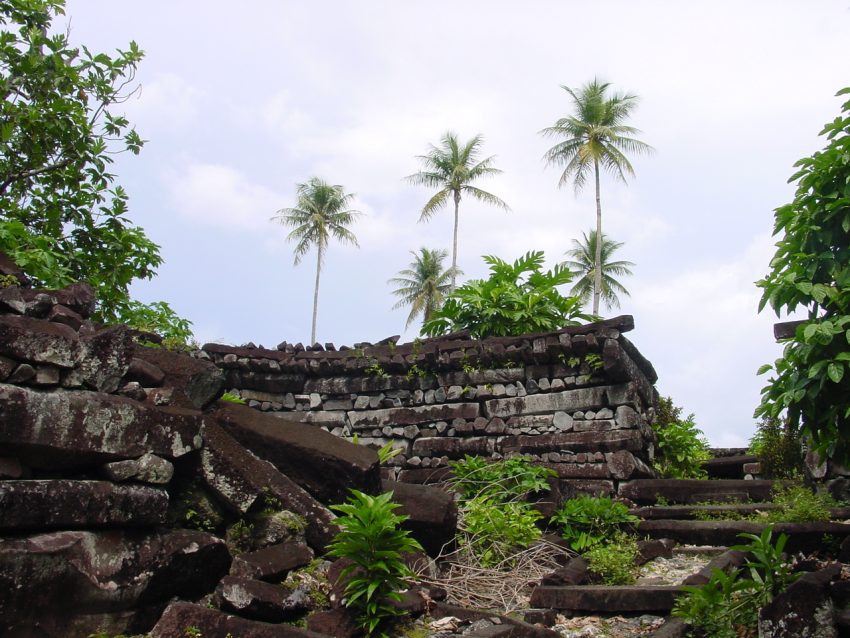
Political and religious authority varied by island group. In Yap, complex systems of chiefly authority and inter-island tribute linked Yap to many outer islands. In Pohnpei, one of the region’s most notable political-religious centers emerged at Nan Madol, a monumental complex of artificial islets built from basalt columns. Across what is now Chuuk and Kosrae, communities formed around clan structures, land tenure systems, and chiefly leadership, with local variations shaped by geography and contact patterns.
Early European contact (1500s–1800s)
Spanish explorers reached parts of Micronesia in the 16th century, but sustained European presence was limited for a long time. Over the following centuries, intermittent visits by explorers, whalers, traders, and missionaries increased. These contacts brought new goods and technologies but also disease, social disruption, and conflict in some areas. Missionary activity expanded in the 19th century, contributing to major religious and cultural change.
Spanish rule and the Caroline Islands (late 1800s–1899)
By the late 19th century, Spain asserted more formal control over the Caroline Islands (which included much of what is now the FSM). Administration was thin and uneven across the widely scattered islands, but Spain’s claims were recognized internationally. Missionization and the beginnings of colonial governance altered local power dynamics, though many customary systems remained resilient.
German administration (1899–1914)
After Spain’s defeat in the Spanish–American War, Spain sold the Caroline Islands to Germany in 1899. German rule emphasized economic development and administrative order, including copra production and commercial regulation. Colonial policies affected land use and labor, and they further integrated the islands into global trade networks, though the reach of government still varied greatly by island and remoteness.
Japanese mandate period (1914–1944)
Japan seized the islands early in World War I and later administered them under a League of Nations mandate as part of the South Seas Mandate. This era brought major demographic and economic change: Japanese migration increased, towns and infrastructure expanded, and commercial activity intensified. Education and administration were reorganized, and the islands became more closely tied to Japan’s economy and strategic planning. In the late 1930s and early 1940s, militarization accelerated as the Pacific moved toward war.
World War II and U.S. control (1944–1947)
During World War II, parts of the region became major battle zones. The most famous was the 1944 Battle of Truk (Chuuk Lagoon), when U.S. forces attacked a key Japanese naval base, leaving many shipwrecks that remain today. The war caused severe destruction, displacement, and hardship across the islands, and Japanese administration collapsed as U.S. forces took control.
Trust Territory of the Pacific Islands (1947–1979)
After the war, the United Nations established the Trust Territory of the Pacific Islands (TTPI), administered by the United States. Over time, the U.S. administration expanded schooling, health services, and infrastructure, while also introducing new political institutions and a cash economy. At the same time, island communities navigated rapid social change, migration, and debates over land, identity, and self-determination.
Political development accelerated in the 1960s and 1970s with the creation of representative bodies and constitutional discussions. The TTPI districts did not all choose the same political future: the Marshall Islands and Palau pursued separate paths, while the districts that became Yap, Chuuk, Pohnpei, and Kosrae moved toward federation.
Constitutional government and federation (1979)
In 1979, the Federated States of Micronesia adopted its constitution and formed a national government uniting the four states. The new system balanced state autonomy with a federal structure, reflecting the geographic spread and cultural diversity of the islands.
Independence in free association (1986)
The FSM became self-governing in free association with the United States through the Compact of Free Association, which took effect in 1986. Under the Compact, the FSM gained international sovereignty while the U.S. assumed certain defense responsibilities and provided economic assistance. The FSM later joined the United Nations (1991), further solidifying its international status.
Contemporary era (1990s–present)
Since independence, the FSM has focused on strengthening governance, education, health, and infrastructure across a far-flung archipelago. The Compact relationship has remained central to the economy and to migration patterns, with many Micronesians living and working in the United States under Compact provisions.
The country has also faced persistent challenges: limited domestic revenue, high transportation costs between islands, vulnerability to climate change and sea-level rise, and the need to balance development with cultural continuity and environmental stewardship. At the same time, the FSM has maintained strong local traditions—especially in navigation, customary leadership, and community obligations—while participating actively in regional Pacific diplomacy and global climate advocacy.
Best Time to Visit Federated States of Micronesia
Visiting Federated States of Micronesia in Winter (Best)
Winter (roughly December to February) is often a great time to visit the Federated States of Micronesia thanks to generally drier, more settled weather and comfortable temperatures. It’s a strong season for lagoon activities like snorkeling and diving, with good visibility commonly reported during calmer stretches. If you’re aiming for island-hopping across Yap, Chuuk, Pohnpei, and Kosrae with fewer weather disruptions, this is typically one of the most reliable windows.
Visiting Federated States of Micronesia in Spring
Spring (roughly March to May) can be an excellent shoulder season in the Federated States of Micronesia, balancing warm water and good conditions before wetter patterns become more frequent. It’s a nice time for hiking and waterfall visits—especially on the high islands like Pohnpei and Kosrae—when trails can be more manageable than in peak rainy periods. Cultural events and community celebrations vary by state and village, so it’s worth checking local calendars if you want to align your trip with traditional dance performances or holiday gatherings.
Visiting Federated States of Micronesia in Summer
Summer (roughly June to August) is typically warmer and more humid in the Federated States of Micronesia, with rainfall and squalls more likely. Travel is still very doable, but it’s wise to plan extra flexibility for boat trips and inter-island flights. This season can be rewarding if you prefer greener landscapes, fewer visitors, and don’t mind occasional downpours—especially for photographers and travelers who enjoy lush scenery and dramatic skies.
Visiting Federated States of Micronesia in Fall
Fall (roughly September to November) can bring some of the wettest and most unpredictable conditions in the Federated States of Micronesia, including a higher chance of storms in the broader region. If you visit during this time, focus on building a weather buffer into your itinerary and prioritize activities that can shift easily (lagoon time when seas are calm, cultural sites and village visits when rain moves through). Festival highlights can still make fall appealing in some years, but it’s best to confirm dates locally since schedules can vary by island and community.
Food and Drink from Federated States of Micronesia
Food and drink in the Federated States of Micronesia (FSM) are shaped by the ocean, tropical climate, and long traditions of island farming and fishing. Daily meals often center on what’s locally available: reef fish and tuna, taro and other root crops, breadfruit, bananas, and coconut in many forms. Because the FSM is made up of widely scattered islands across four states—Yap, Chuuk, Pohnpei, and Kosrae—local specialties and preferred ingredients vary, but the overall cuisine tends to be simple, fresh, and closely tied to seasonal harvests and the day’s catch.
Starchy staples are especially important. Taro is widely eaten, including varieties grown in wet taro patches, and it may be boiled, baked, or mashed. Breadfruit is another key staple, often roasted or cooked in stews, and it can be preserved for later use in some communities. Cassava and sweet potato are also common, alongside rice, which has become a major everyday food through imports. Coconut is used for flavor and richness—grated coconut, coconut cream, and coconut milk appear in both savory dishes and sweets.
Seafood is central, reflecting the islands’ strong fishing culture. People eat a range of fish and shellfish, prepared by grilling, baking, steaming, or simmering in coconut-based broths. Reef fish, tuna, and other pelagic species are popular, and meals may include seaweed or other coastal foods depending on the island. Food is often shared at family gatherings and community events, where larger preparations—such as fish, taro, and breadfruit cooked together—highlight the communal nature of eating.
Drinks include fresh coconut water, which is widely enjoyed for hydration, as well as locally made fruit beverages from ingredients like banana, citrus, or other tropical fruits when available. Tea and coffee are common, and imported soft drinks and packaged juices are widely consumed, especially in more urban areas. Overall, what people drink—like what they eat—reflects a blend of local resources and imported goods, with traditional island ingredients still playing a strong role in everyday life and celebrations.