Eswatini (Swaziland): The Ultimate Travel Guide 2026
Eswatini, formerly known as Swaziland, is a small, landlocked country in southern Africa bordered by South Africa and Mozambique. Despite its size, it offers striking variety in landscapes, from rolling highveld hills and forested valleys to warmer lowveld plains. The capital is Mbabane, while Lobamba is the traditional and legislative center, reflecting the country’s blend of modern administration and strong cultural institutions.
The country is known for its vibrant cultural life, with ceremonies, music, dance, and craftsmanship playing a visible role in community identity. Traditional attire and celebrations remain important, and visitors often encounter lively markets, handwoven textiles, and locally made crafts. SiSwati and English are the official languages, and daily life commonly moves between contemporary influences and long-standing customs.
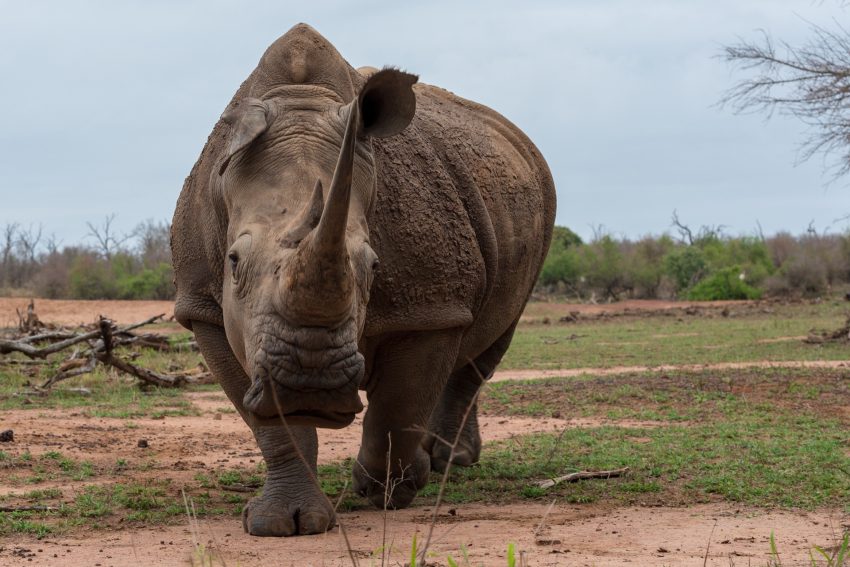
Eswatini is also valued for its natural heritage and wildlife experiences, with protected areas that showcase antelope, birds, and other species across diverse habitats. Tourism often centers on game reserves, hiking, and scenic drives, alongside opportunities to learn about local traditions in respectful, community-based settings. With a calm pace and welcoming atmosphere, Eswatini offers an accessible introduction to southern Africa’s culture and nature in one compact destination.
Table of Contents
- History of Eswatini
- Early societies and regional setting
- Formation of the Swazi kingdom
- Consolidation under Sobhuza I and regional upheaval
- Land, concessions, and external encroachment
- Colonial control and protectorate era
- Independence and the early postcolonial state
- Royal consolidation and the tinkhundla system
- Mswati III’s reign and political pressures
- Economic strain, social challenges, and renewed unrest
- Name change and contemporary identity
- Best Time to Visit Eswatini
- Food and Drink from Eswatini
History of Eswatini (Swaziland)
Eswatini (known internationally as Swaziland until 2018) is a small, landlocked monarchy in southern Africa whose history is shaped by the rise of the Swazi nation, shifting regional power, colonial pressures, and the endurance of a dual system of modern state institutions alongside strong customary authority.
Early societies and regional setting (before the 1700s)
Long before a distinct Swazi polity emerged, the area that is now Eswatini was home to communities engaged in farming, herding, and trade, linked to wider southern African networks. Over time, Nguni-speaking groups moved through and settled in the region, interacting with earlier inhabitants and neighboring chiefdoms.
Formation of the Swazi kingdom (1700s–early 1800s)
The Swazi nation consolidated as clans and chiefdoms coalesced under a central royal lineage. A key figure in state formation was Ngwane III, under whom the Dlamini royal house strengthened its authority. The kingdom’s political identity and institutions developed around the monarchy, age-regiment organization, and systems of tribute and allegiance that tied local leaders to the center.
Consolidation under Sobhuza I and regional upheaval (early–mid 1800s)
Sobhuza I (Somhlolo) is widely associated with consolidating the Swazi kingdom during a period of intense regional conflict and migration in southern Africa. The Swazi state expanded and defended its territory through diplomacy, alliances, and warfare, while absorbing or integrating groups displaced by wider upheavals. This era helped entrench the monarchy’s central role and the importance of customary governance.
Land, concessions, and external encroachment (mid–late 1800s)
As European settlers, traders, and concession-seekers expanded into the region, Swazi rulers faced mounting pressure over land and mineral rights. A complex web of concessions—often overlapping and contested—was granted to outsiders, contributing to disputes and weakening Swazi control over resources. At the same time, the kingdom sought to preserve autonomy through negotiation and by leveraging rivalries among external powers.
Colonial control and protectorate era (1890s–1968)
By the end of the 19th century, Swaziland came under increasing external administration, first tied closely to the South African (Boer) sphere and then, after the South African War, under British oversight. Swaziland became a British protectorate administered through a system that preserved the monarchy and customary structures while placing key powers—especially over finance, external relations, and major policy—under colonial authority.
Colonial rule reshaped land tenure and labor patterns. Many Swazi men worked in South African mines and industries, linking the economy tightly to South Africa. Political life developed slowly under restrictions, but Swazi national institutions and the monarchy remained central symbols of identity.
Independence and the early postcolonial state (1968–1973)
Swaziland gained independence in 1968 as a constitutional monarchy. Early independence politics featured party competition and parliamentary institutions, alongside the continued prominence of the king and traditional authorities. Tensions soon emerged over how power should be balanced between elected bodies and the monarchy.
Royal consolidation and the tinkhundla system (1973–1986)
In 1973, King Sobhuza II repealed the independence constitution, dissolved parliament, and banned political parties, arguing that imported party politics was divisive. Governance increasingly centered on royal authority and a system emphasizing local representation through non-party structures. This period entrenched a political model in which elections could occur, but without party-based competition, and with substantial authority residing in the monarchy and traditional institutions.
Sobhuza II’s long reign ended in 1982, followed by a period of regency and internal elite contestation over succession and governance.
Mswati III’s reign and political pressures (1986–2000s)
Mswati III became king in 1986. His reign has been marked by efforts to modernize parts of the state and economy while maintaining the monarchy’s central role. A new constitution came into effect in 2005, formalizing aspects of governance and rights while retaining the ban on political parties in electoral practice and preserving extensive royal powers.
From the 1990s onward, labor unions, civil society groups, and pro-democracy activists pressed for greater political openness, accountability, and reforms. The state periodically restricted protest and political organizing, and debates over governance became a persistent feature of national life.
Economic strain, social challenges, and renewed unrest (2000s–present)
Eswatini has faced significant social and economic challenges, including high inequality, unemployment, and major public health burdens. The economy remains closely tied to South Africa, and fiscal pressures have periodically intensified debates over public spending, governance, and reform.
In the 2010s and early 2020s, dissatisfaction with political constraints and economic hardship contributed to heightened tensions and episodes of unrest. The state responded with security measures and calls for dialogue, while reform advocates continued to demand changes to the political system.
Name change and contemporary identity (2018–present)
In 2018, the country officially adopted the name “Kingdom of Eswatini,” replacing “Swaziland” in international usage. The change emphasized national identity and the siSwati language, reflecting the monarchy’s role in shaping symbols of statehood.
Today, Eswatini remains one of the world’s few remaining absolute monarchies in practice, with a political order that blends modern administrative structures and elections with strong customary authority and a powerful royal institution.
Best Time to Visit Eswatini (Swaziland)
Visiting Eswatini (Swaziland) in Summer (December–February)
Summer is hot, lush, and the wettest time of year, with afternoon thunderstorms that can cool things down but also make some rural roads muddy. It’s a great season for green landscapes, waterfalls, and photography, especially in the highlands where temperatures are more comfortable. Wildlife viewing can be a bit more challenging in dense vegetation, but birding is excellent.
Visiting Eswatini (Swaziland) in Autumn (March–May) (Best)
Autumn is one of the most comfortable and reliable times to visit, with warm days, cooler nights, and generally less rain as the season progresses. The scenery is still green from summer rains, but conditions are easier for road travel and outdoor activities like hiking and game drives. This is a strong all-round season for combining wildlife, culture, and scenic exploration.
Visiting Eswatini (Swaziland) in Winter (June–August)
Winter is dry, crisp, and often sunny, with chilly mornings and evenings—especially in the highlands—while daytime temperatures are usually pleasant. The dry conditions make it easier to spot wildlife as animals gather around water sources and vegetation thins out. This is also a good time for hiking and longer days out, as humidity is low and rainfall is minimal.
Visiting Eswatini (Swaziland) in Spring (September–November)
Spring warms up quickly and can be breezy and dry early on, with increasing heat and the first rains arriving later in the season. It’s a good time for wildlife viewing before the landscape becomes fully lush again, and it’s a popular period for cultural travel. If festivals are a priority, this season can be a highlight thanks to Umhlanga (Reed Dance), which typically takes place in late August or early September and is one of Eswatini’s most significant cultural events.
Food and Drink from Eswatini (Swaziland)
Eswatini’s food is shaped by its agrarian roots, with meals built around hearty staples that are affordable, filling, and well suited to rural life. Maize is central, most famously in the form of pap (a thick maize porridge) that can be eaten soft at breakfast or firmer alongside stews later in the day. Another common starch is emasi (sour milk), often served with pap to add tang and richness. Seasonal vegetables and leafy greens also feature strongly, reflecting what is grown locally and gathered from the land.
Traditional dishes often pair these staples with slow-cooked meats and simple relishes. Sishwala, a thick porridge made from maize meal, is a common base for meals and is frequently served with meat gravy or stewed beans. When meat is available, beef, goat, and chicken are popular, sometimes prepared in stews that stretch ingredients to feed a family. Side dishes may include pumpkin, sweet potatoes, and spinach-like greens, with flavors kept straightforward—salt, onions, and tomatoes doing much of the work.
Food in Eswatini is also closely tied to community and ceremony, where larger gatherings call for more elaborate preparation. Communal meals may include grilled or stewed meats, and celebratory occasions can feature traditional beer and shared platters that emphasize hospitality. Rural households often rely on homegrown produce and preserved foods, so dried beans, groundnuts (peanuts), and stored maize become important between harvests. The result is a cuisine that is practical, seasonal, and rooted in sharing.
Drinks range from everyday staples to beverages reserved for special moments. Tea is widely enjoyed, and soft drinks are common in towns, while fresh milk and sour milk remain important in many homes. A notable traditional beverage is buganu, a marula fruit drink that is prepared seasonally and associated with festivals and social gatherings. Alongside it, traditional sorghum or maize-based beers may be brewed for ceremonies, reflecting the enduring role of local ingredients and communal traditions in Eswatini’s food culture.