Equatorial Guinea: The Ultimate Travel Guide 2026
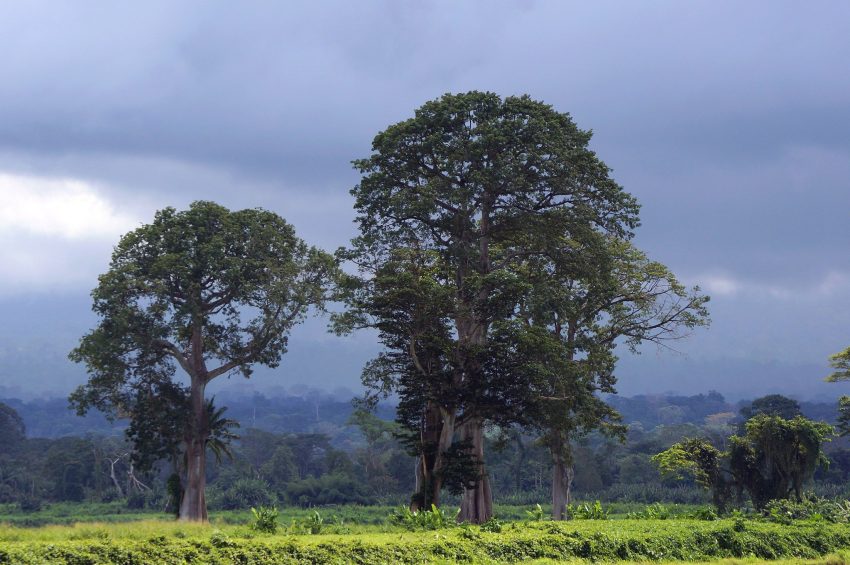
Equatorial Guinea is a small Central African country on the Gulf of Guinea, made up of a mainland region (Río Muni) and several islands, including Bioko-home to the capital, Malabo-and Annobón farther south. Despite its compact size, the country’s geography is varied, ranging from coastal plains and dense rainforest to volcanic highlands on Bioko. Its location near the equator shapes a warm, humid climate and lush ecosystems.
The country is culturally diverse, with multiple ethnic groups and languages reflecting its island-and-mainland makeup. Spanish is the official language and is widely used in government and education, alongside French and Portuguese, while local languages remain important in daily life. Music, dance, and community celebrations are central to social life, and traditional foods often feature staples like cassava, plantains, fish, and stews.
Equatorial Guinea’s economy is strongly influenced by oil and gas production, which has played a major role in national income and infrastructure development. At the same time, many people rely on agriculture, fishing, and small-scale trade, especially outside urban centers. For visitors and newcomers, the country offers a mix of tropical landscapes, lively city life in Malabo and Bata, and a distinctive blend of African and Hispanic influences.
Table of Contents
- History of Equatorial Guinea
- Early settlement and precolonial societies
- European contact and the Atlantic slave trade
- Spanish acquisition and shifting colonial priorities
- Consolidation of Spanish rule and the colonial economy
- Toward independence
- Macías dictatorship and state collapse
- 1979 coup and the Obiang era
- Oil boom and international visibility
- Recent developments
- Best Time to Visit Equatorial Guinea
- Food and Drink from Equatorial Guinea
History of Equatorial Guinea
Equatorial Guinea’s history is shaped by early Bantu migrations, centuries of Atlantic trade and colonial rivalry, a brief but intense Spanish colonial period, and a post-independence era dominated by authoritarian rule and oil-driven transformation.
Early settlement and precolonial societies
The mainland region (Río Muni) was settled largely by Bantu-speaking peoples over many centuries, including Fang communities that became demographically and politically significant. On Bioko (formerly Fernando Pó), Bubi societies developed distinct political and cultural structures. Coastal and river networks connected communities to wider regional trade long before sustained European control.
European contact and the Atlantic slave trade (15th–18th centuries)
Portuguese navigators reached the islands in the late 15th century, naming Bioko and mapping the Gulf of Guinea. Over time, the region became entangled in Atlantic commerce, including the slave trade. European influence was strongest along the coast and islands, while inland control remained limited. Competition among European powers in the Gulf of Guinea set the stage for later transfers of sovereignty.
Spanish acquisition and shifting colonial priorities (late 18th–19th centuries)
Spain gained formal rights over Fernando Pó and Río Muni through late-18th-century agreements, though effective occupation was uneven for decades. In the 19th century, the islands became strategically important for shipping and anti-slavery patrols, and they also attracted foreign commercial interests. Plantation agriculture expanded, especially cacao on Bioko, driving demand for labor. Labor shortages led to recruitment and coercive labor systems involving migrants from the region, reshaping the islands’ demographics and social tensions.
Consolidation of Spanish rule and the colonial economy (early–mid 20th century)
Spain strengthened administrative control over both the islands and the mainland, formalizing borders and extending authority inland. The colonial economy relied heavily on export agriculture—cacao and coffee—supported by strict labor regimes and racialized hierarchies. Catholic missions and Spanish-language schooling expanded, while political participation for Africans remained tightly constrained. Economic growth on Bioko contrasted with more limited development in parts of Río Muni, reinforcing regional imbalances.
Toward independence (1950s–1968)
After World War II, decolonization pressures increased. Spain reorganized the territories, eventually granting them a form of provincial status and limited representation, but nationalist politics grew. Constitutional negotiations culminated in independence in 1968, creating the Republic of Equatorial Guinea with Francisco Macías Nguema as the first president.
Macías dictatorship and state collapse (1968–1979)
The early post-independence period quickly turned into an extreme dictatorship. Political opposition was eliminated, institutions hollowed out, and widespread repression and violence triggered mass exile. The economy deteriorated sharply, skilled workers fled, and basic services collapsed. Ethnic and regional mistrust deepened, and the state became highly personalized around the ruler and security apparatus.
1979 coup and the Obiang era (1979–1990s)
In 1979, Teodoro Obiang Nguema Mbasogo seized power in a coup, executing Macías and promising reform. Some state functions were rebuilt and external relations normalized, but political liberalization remained limited. A controlled transition to multiparty politics in the early 1990s did not substantially reduce executive dominance, and security services continued to play a central role in governance.
Oil boom and international visibility (mid-1990s–present)
Major offshore oil discoveries in the 1990s transformed Equatorial Guinea into one of sub-Saharan Africa’s largest oil producers per capita. Rapid revenue growth funded visible infrastructure projects and expanded the state’s capacity, while also intensifying concerns about corruption, inequality, and lack of accountability. The economy became heavily dependent on hydrocarbons, with limited diversification and vulnerability to price swings. Political power has remained concentrated around the presidency and ruling party, with repeated elections criticized for lack of competitiveness.
Recent developments
In the 2010s and 2020s, the government pursued large construction and prestige projects and sought a greater diplomatic role, while facing fiscal pressure from fluctuating oil income. Social indicators improved in some areas compared with the pre-oil era, but disparities persisted and political freedoms remained restricted. The country continues to navigate the long-term challenge of moving from an oil-centered model toward broader-based development while maintaining stability in a tightly controlled political system.
Best Time to Visit Equatorial Guinea
Visiting Equatorial Guinea in Winter (December–February)
Winter is one of the most comfortable times to visit Equatorial Guinea, especially on Bioko Island (Malabo) and in the mainland region (Río Muni). Humidity is generally lower than in peak rainy months, making city sightseeing, beach time, and day trips easier. It’s a strong all-round season for travelers who want fewer weather disruptions and better conditions for getting around.
Visiting Equatorial Guinea in Spring (March–May)
Spring is a transition period that can bring increasing heat and humidity, with rainfall building as the season progresses. It can still be a good time to visit if you’re flexible with plans and don’t mind occasional heavy showers—lush landscapes and greener scenery are a plus. If you’re aiming for outdoor activities, plan earlier starts to the day and keep some buffer time for weather-related delays.
Visiting Equatorial Guinea in Summer (June–August) (Best)
Summer is often the best time to visit Equatorial Guinea for drier, more reliable conditions—particularly on Bioko Island, where rainfall tends to be lower compared with other parts of the year. This is a great season for exploring Malabo, enjoying coastal areas, and planning excursions with less risk of washouts. If festivals and national celebrations are a highlight, August can be especially appealing due to Independence Day events (around 3 August), which may include parades, performances, and public festivities.
Visiting Equatorial Guinea in Autumn (September–November)
Autumn typically brings a return to wetter conditions, with heavier rainfall and higher humidity becoming more common. Travel is still possible, but it’s better suited to visitors who prioritize cultural experiences, a slower pace, or don’t mind adapting plans around storms. If you’re visiting during this period, focus on urban attractions, museums, dining, and flexible day trips when weather windows open up.
Food and Drink from Equatorial Guinea
Equatorial Guinea’s food reflects its geography and cultures, blending Central African staples with Spanish influences and the abundance of the Atlantic coast. Meals commonly center on starchy bases such as cassava (yuca), plantains, yams, and rice, which are served with richly seasoned stews and sauces. Peanuts, palm oil, tomatoes, onions, and local greens are frequent building blocks, creating dishes that are hearty, aromatic, and designed to be shared. In both urban and rural settings, cooking tends to emphasize slow-simmered flavors and practical ingredients that travel well from farm, forest, and sea to the table.
Cassava is especially important, appearing boiled, pounded, or made into dough-like sides that soak up sauces. Plantains may be fried, roasted, or cooked into stews, while rice often accompanies fish or meat dishes, reflecting a long-standing Iberian connection. Soups and stews are central to everyday eating, typically combining vegetables with smoked or fresh proteins and thickened with ground nuts or starchy vegetables. Peppers and spices are used to add warmth and depth, though heat levels vary by household and region.
Seafood is a defining feature along the coast and on Bioko Island, where fresh fish, shrimp, and other shellfish are widely enjoyed. Fish may be grilled, fried, or cooked in tomato-based sauces, sometimes with palm oil and herbs, and served with plantains or cassava. Inland, people also rely on poultry, goat, and other meats, and in some areas forest foods contribute to traditional cooking. Seasonal fruits such as bananas, pineapples, papayas, and citrus are common, eaten fresh or used to brighten meals.
Drinks range from everyday refreshments to traditional beverages. Water, soft drinks, and fruit juices are widely consumed, and coffee and tea appear in homes and cafés, especially in towns. Locally produced palm wine is a well-known traditional drink, tapped from palm trees and enjoyed fresh, while beer and imported spirits are also popular in social settings. Whether at a family meal or a celebration, food and drink in Equatorial Guinea tend to emphasize generosity, strong flavors, and the close ties between land, sea, and community.