Egypt: The Ultimate Travel Guide 2026
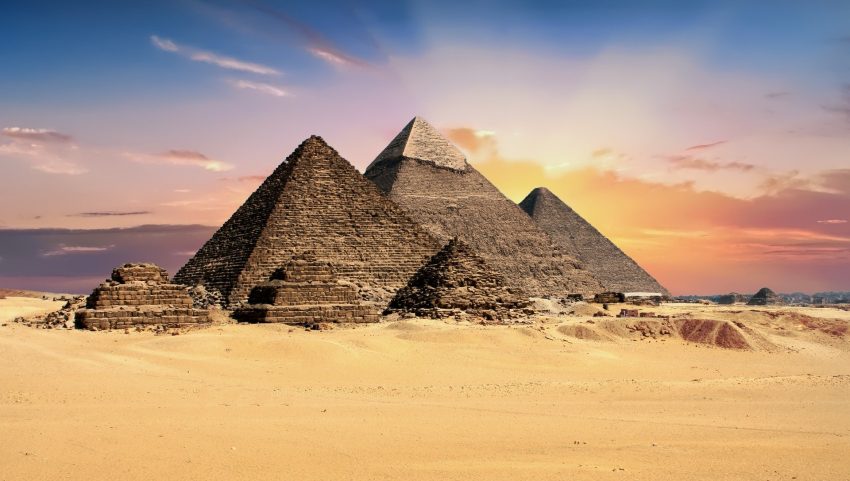
Egypt is a captivating country in northeastern Africa, where the Nile River brings life to a landscape of sweeping desert and fertile green valleys. It’s a place of striking contrasts-busy cities and quiet villages, palm-lined riverbanks and vast open sands-shaped by a warm climate and a rhythm of daily life closely tied to the river. From sunrise over the water to evenings filled with conversation and street food, Egypt feels energetic, welcoming, and full of character.
Cairo, the capital, is a fast-paced hub of culture, commerce, and creativity, while other cities like Alexandria offer a breezier Mediterranean feel. Across the country, you’ll find lively markets, modern neighborhoods, and communities where traditions remain a strong part of everyday life. Arabic is the official language, and hospitality is a point of pride-visitors are often met with friendliness, strong tea, and a genuine curiosity about where they’re from.
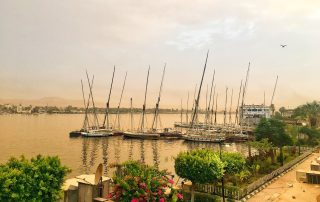
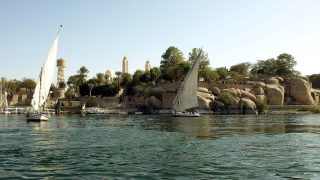
For travelers, Egypt offers a wide range of experiences beyond any single theme: cruising or sailing on the Nile, relaxing on Red Sea beaches, diving among coral reefs, or exploring desert oases and dramatic rock formations. The food is hearty and flavorful, with staples like koshari, ful medames, fresh breads, and grilled dishes, often enjoyed in shared, social settings. Whether you’re drawn by nature, city life, or simple curiosity, Egypt is a destination that feels vivid and memorable from the moment you arrive.
Table of Contents
- History of Egypt
- Predynastic and Early Dynastic
- Old Kingdom
- First Intermediate Period
- Middle Kingdom
- Second Intermediate Period and the Hyksos
- New Kingdom
- Third Intermediate Period
- Late Period
- Ptolemaic Egypt
- Roman and Byzantine Egypt
- Islamic Conquest and Early Islamic Period
- Fatimid, Ayyubid, and Mamluk Eras
- Ottoman Rule and the Rise of Muhammad Ali
- British Occupation and the Monarchy
- Republic, Nasser to Mubarak
- Contemporary Egypt
- Best Time to Visit Egypt
- Food and Drink from Egypt
History of Egypt
Egypt’s history spans more than five millennia, shaped by the Nile River, shifting dynasties, foreign empires, and repeated cultural reinvention. Its long continuity—language, religion, statecraft, and monumental building—made it one of the ancient world’s most influential civilizations, and its later eras tied it closely to Mediterranean, Islamic, and global histories.
Predynastic and Early Dynastic (before c. 2686 BCE)
Communities along the Nile gradually shifted from mobile lifeways to settled agriculture, supported by predictable flooding and irrigation. Over time, regional centers in Upper Egypt (south) and Lower Egypt (north) grew in power. By the late 4th millennium BCE, political unification emerged, traditionally associated with a ruler often identified as Narmer (sometimes linked with “Menes” in later tradition). The early state developed writing (hieroglyphs), taxation and administration, and royal ideology centered on divine kingship.
Old Kingdom (c. 2686–2181 BCE)
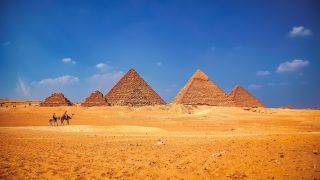
Often called the “Age of the Pyramids,” the Old Kingdom saw strong centralized rule and major building projects, including the Step Pyramid complex at Saqqara and the great pyramids at Giza. A sophisticated bureaucracy managed labor, resources, and provincial governance. Over time, the power of provincial elites increased, and combined with economic strain and environmental pressures, central authority weakened.
First Intermediate Period (c. 2181–2055 BCE)
Egypt fragmented into competing regional powers. While later narratives portrayed this as chaos, it also produced local cultural vitality and experimentation in art and literature. Eventually, rulers from Thebes in Upper Egypt reunified the country.
Middle Kingdom (c. 2055–1650 BCE)
Reunification brought administrative reform, expanded irrigation and agriculture, and renewed royal patronage of literature and art. Egypt strengthened control over Nubia to the south, exploiting gold resources and securing trade routes. The period is often seen as one of stability and prosperity, though later in the era the state again faced pressures from internal politics and external movement into the Delta.
Second Intermediate Period and the Hyksos (c. 1650–1550 BCE)
Foreign rulers known as the Hyksos established power in the Nile Delta, introducing or popularizing new military technologies such as horse-drawn chariots and improved weaponry. The Theban dynasty in the south resisted and ultimately expelled the Hyksos, setting the stage for a more outward-looking empire.
New Kingdom (c. 1550–1070 BCE)
Egypt became a major imperial power, projecting influence into the Levant and deep into Nubia. This era includes many of Egypt’s best-known pharaohs and monuments: Hatshepsut’s ambitious building and trade ventures; Thutmose III’s military campaigns; Amenhotep III’s wealth and diplomacy; and the religious upheaval under Akhenaten, who promoted the Aten in a dramatic (and ultimately short-lived) transformation of state religion and art. Tutankhamun’s reign restored older religious traditions. Later, Ramesses II presided over extensive construction and fought major conflicts in the Levant, while the late New Kingdom saw increasing strain, labor disruptions, and challenges to royal authority. By the end, power fragmented among rival centers, including priestly authorities.
Third Intermediate Period (c. 1070–664 BCE)
Political authority divided among dynasties based in different regions, with significant influence from Libyan-origin elites and powerful temple institutions. Despite fragmentation, Egypt maintained cultural continuity and international connections. Over time, Nubian rulers from Kush gained influence and eventually controlled Egypt.
Late Period (c. 664–332 BCE)
A renaissance of traditional styles and statecraft followed periods of reunification, but Egypt faced repeated invasions and foreign domination. Assyrian campaigns disrupted the country, after which native dynasties reasserted control. Later, the Persian Empire conquered Egypt, and although native rule briefly returned, Persian control was reestablished before the arrival of Alexander the Great.
Ptolemaic Egypt (332–30 BCE)
Alexander’s conquest ushered in a Hellenistic dynasty founded by Ptolemy I. Greek and Egyptian traditions coexisted: Greek became dominant in administration among elites, while Egyptian religious institutions remained central to local life. Alexandria grew into a major intellectual and commercial hub. The dynasty faced internal court struggles and external pressures from Rome. Cleopatra VII’s alliances and conflicts with Roman leaders culminated in defeat, and Egypt became a Roman province in 30 BCE.
Roman and Byzantine Egypt (30 BCE–641 CE)
Under Rome, Egypt was a crucial grain supplier and a tightly managed imperial possession. Urban life expanded, and diverse religious practices continued. Christianity spread rapidly from the 1st century onward, becoming dominant by late antiquity, with Egypt playing a major role in early Christian theology and monasticism. Over time, administrative and religious disputes, taxation pressures, and imperial conflicts shaped society under the Eastern Roman (Byzantine) Empire.
Islamic Conquest and Early Islamic Period (641–969)
Arab-Muslim forces conquered Egypt in the 7th century. A new administrative center developed near modern Cairo, and Arabic gradually replaced earlier languages in government and daily life. Islam spread over centuries, alongside enduring Christian communities. Egypt’s economy remained anchored in agriculture and trade, increasingly integrated into the wider Islamic world.
Fatimid, Ayyubid, and Mamluk Eras (969–1517)
The Fatimids founded Cairo as a capital and made Egypt a center of a vast realm, fostering trade and scholarship. The Ayyubids, associated with Saladin, strengthened Sunni institutions and confronted Crusader states. The Mamluks—military elites who became rulers—defeated major external threats and presided over a powerful sultanate. Cairo flourished culturally and architecturally, though plague outbreaks and shifting trade routes later weakened the state.
Ottoman Rule and the Rise of Muhammad Ali (1517–1882)
Egypt became an Ottoman province, governed through local elites and military households. In the early 19th century, Muhammad Ali established a new dynasty and pursued centralization, military reform, and economic modernization, including expanded cotton production and state-led industry. Large infrastructure projects and ambitious regional campaigns increased Egypt’s strategic importance but also deepened financial dependence on European powers, especially after the opening of the Suez Canal in 1869.
British Occupation and the Monarchy (1882–1952)
Britain occupied Egypt to secure strategic and financial interests, particularly the Suez route. Nationalist movements grew, leading to partial independence and the establishment of a kingdom, though British influence remained strong. Political life featured tensions among the monarchy, nationalist parties, and foreign powers, alongside social change and labor activism. The pressures of World War II and the Arab-Israeli conflict intensified domestic discontent.
Republic, Nasser to Mubarak (1952–2011)
A military-led revolution ended the monarchy. Under Gamal Abdel Nasser, Egypt pursued Arab nationalism, land reform, and state-led development, and nationalized the Suez Canal, triggering a major international crisis. Egypt’s regional role expanded, but wars with Israel and economic challenges shaped policy. Anwar Sadat shifted toward economic liberalization and pursued peace with Israel, reshaping Egypt’s alliances. Hosni Mubarak’s long rule emphasized stability and security, with periodic economic reforms, persistent inequality, and constrained political freedoms.
Contemporary Egypt (2011–present)
Mass protests in 2011 led to the end of Mubarak’s presidency and a turbulent transition marked by elections, political polarization, and institutional संघर्ष. A change in leadership followed in 2013, and subsequent years have featured major infrastructure and development initiatives alongside tight political control and ongoing economic pressures. Egypt remains a pivotal state in the Middle East and Africa, balancing domestic priorities with regional diplomacy, security concerns, and the enduring importance of the Nile.
Best Time to Visit Egypt
Visiting Egypt in Winter (Best)
Winter (December–February) is the most comfortable time to explore Egypt, especially for sightseeing-heavy trips. Days are pleasantly mild in Cairo, Luxor, and Aswan, making it ideal for visiting the Pyramids of Giza, the Egyptian Museum, Karnak Temple, and the Valley of the Kings without intense heat. It’s also a great season for Nile cruises and desert excursions, though evenings can be cool—especially in the desert—so pack layers. Festival highlight: Coptic Christmas (January 7) is widely celebrated, particularly in Cairo, and can be a memorable cultural experience.
Visiting Egypt in Spring
Spring (March–May) offers warm, sunny weather that’s still generally manageable for touring, particularly in March and early April. It’s a strong choice if you want a balance between comfortable temperatures and slightly fewer crowds than peak winter. Late spring can start to feel hot in Upper Egypt (Luxor/Aswan), and occasional khamsin winds (hot, dusty winds) can occur, so it’s worth building in flexibility for outdoor plans. Festival highlight: Sham El-Nessim (typically April/May, date varies) is a major national holiday celebrated with outdoor gatherings and traditional foods.
Visiting Egypt in Summer
Summer (June–August) is the hottest season, with intense temperatures in southern destinations like Luxor and Aswan. If you don’t mind the heat (or plan your days around it), this can be a good time for lower prices and fewer crowds at major sites. Coastal areas such as Alexandria and the North Coast are popular for a more comfortable seaside escape, and Red Sea resorts (like Hurghada and Sharm El Sheikh) remain a strong option for diving and snorkeling—just plan water activities early in the day. Festival highlight: While dates vary, Eid celebrations can fall in summer in some years and bring a lively atmosphere, especially in cities.
Visiting Egypt in Autumn
Autumn (September–November) is an excellent shoulder season, with temperatures easing from summer heat and becoming increasingly comfortable for cultural touring. October and November are particularly good for combining Cairo, a Nile cruise, and beach time on the Red Sea. It’s a smart pick if you want warm weather without peak-winter crowd levels. Festival highlight: Depending on the year, the Abu Simbel Sun Festival (around October 22) can be a standout event, when sunlight aligns dramatically inside the temple.
Food and Drink from Egypt
Egyptian food and drink reflect the country’s long history, fertile Nile Valley, and everyday practicality. Meals often center on grains, legumes, and vegetables, with bread as a constant staple. Aish baladi (round, whole-wheat flatbread) is used to scoop up dips, salads, and stews, and it commonly appears alongside rice, pasta, and simple tomato-based sauces. Across Egypt, cooking tends to favor hearty, filling dishes that can feed families affordably while still delivering bold, comforting flavors.
One of the most famous everyday foods is koshari, a filling mix of rice, lentils, pasta, chickpeas, and crispy onions, topped with spiced tomato sauce and a tangy garlic-vinegar dressing. Ful medames—slow-cooked fava beans seasoned with olive oil, lemon, cumin, and sometimes chili—is a classic breakfast, often served with eggs, pickles, and bread. Ta’ameya, Egypt’s version of falafel made from fava beans rather than chickpeas, is another popular morning bite, typically eaten in a sandwich with salad and tahini.
Egyptian cuisine also includes a range of vegetables and home-style dishes, such as molokhia, a green leafy stew with garlic and coriander served over rice or with bread, sometimes alongside chicken or rabbit. Mahshi (stuffed vegetables) features zucchini, peppers, eggplant, or grape leaves filled with herbed rice, and it’s common at family gatherings. In coastal areas, especially Alexandria, seafood plays a bigger role, with grilled fish, fried calamari, and spiced rice dishes reflecting Mediterranean influences.
Drinks in Egypt range from daily staples to festive favorites. Tea is ubiquitous—often strong and sweet—while coffee is typically thick and aromatic, served in small cups. Fresh juices are widely available, including sugarcane juice, hibiscus (karkadeh), tamarind, and mango, especially in warmer months. For dessert and celebrations, Egyptians enjoy sweets like basbousa (semolina cake), konafa (shredded pastry), and baklava, often paired with tea or a cool, fragrant drink.