East Timor: The Ultimate Travel Guide 2026
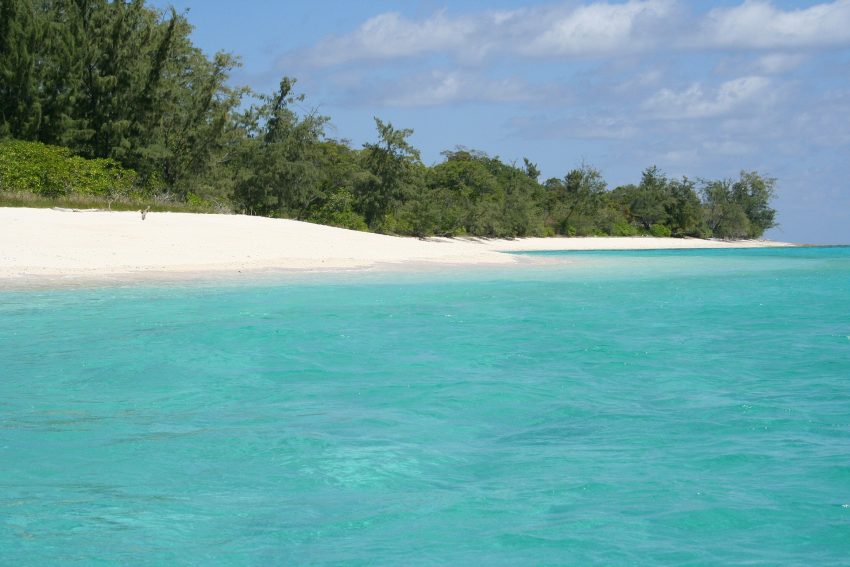
East Timor, officially known as Timor-Leste, is a small Southeast Asian nation located on the eastern half of the island of Timor, with the nearby enclave of Oecusse and the islands of Atauro and Jaco also forming part of its territory. It sits between Indonesia and Australia, bordered by the Timor Sea to the south and the Banda and Savu Seas to the north. Its capital, Dili, is the country’s main hub for government, commerce, and daily life.
The country is known for its striking natural landscapes, from rugged mountains and forested interior highlands to coral-rich coastlines and clear waters that attract divers and nature lovers. Many communities maintain strong local traditions, with cultural life shaped by a mix of Austronesian and Melanesian roots alongside Portuguese influences. Tetum and Portuguese are the official languages, while several other local languages are widely spoken across different regions.
East Timor’s economy is supported by a combination of agriculture, public services, and offshore energy resources, with many people still relying on farming and fishing for their livelihoods. As a young nation, it continues to focus on strengthening institutions, expanding infrastructure, and improving access to education and healthcare. Visitors often note the warmth of local hospitality and the country’s calm pace, offering a distinctive experience within the region.
History of East Timor
East Timor (Timor-Leste) is a Southeast Asian nation occupying the eastern half of the island of Timor, plus the Oecusse enclave on the island’s northwest and the islands of Atauro and Jaco. Its history is shaped by Indigenous polities and trade networks, centuries of Portuguese colonial rule, a brief civil conflict, Indonesian occupation, and a UN-backed transition to independence.
Before European colonization (to the 1500s)
For centuries, Timor was home to diverse Austronesian and Papuan-influenced communities organized in local kingdoms and ritual-political alliances. The island was integrated into regional trade, especially for sandalwood, beeswax, and other goods sought by merchants from across the Indonesian archipelago and beyond. Social and political life was often structured around kinship, customary law, and networks of reciprocal obligations among local rulers.
Portuguese arrival and early colonial foothold (1500s–1700s)
Portuguese influence began in the early 1500s through traders and missionaries drawn by sandalwood and strategic maritime routes. Over time, Catholic missions expanded, and Portuguese authority developed unevenly, often relying on alliances with local leaders rather than direct administration. Competition with the Dutch, who consolidated control over western Timor, helped harden the division of the island into Portuguese and Dutch spheres.
Consolidation of Portuguese Timor (1700s–early 1900s)
Portuguese control remained limited outside key settlements for much of this period, with periodic uprisings and shifting alliances. The colonial economy was small and extractive, and governance depended heavily on local intermediaries. The boundary between Portuguese Timor and Dutch Timor was gradually formalized through treaties and arbitration, producing the basic division that later became the border between Timor-Leste and Indonesia.
Late Portuguese rule and World War II (1900s–1945)
In the early 20th century, Portugal sought tighter administrative control, including taxation and labor policies, which provoked resistance. During World War II, despite Portugal’s neutrality, Timor became a battleground after Allied and Japanese forces entered the island. Japanese occupation brought severe hardship, famine, and widespread loss of life, leaving deep scars in local memory.
Decolonization and brief civil conflict (1945–1975)
After the war, Portuguese rule resumed, but Timor remained politically and economically marginalized. In the early 1970s, Portugal’s own political upheaval accelerated decolonization. Competing Timorese political movements emerged, including those favoring continued association with Portugal, independence, or integration with Indonesia. Tensions escalated into a short civil conflict in 1975, after which an independence declaration was made by the dominant independence faction.
Indonesian invasion and occupation (1975–1999)
In December 1975, Indonesia invaded and annexed East Timor, incorporating it as a province. The occupation was marked by armed resistance, harsh counterinsurgency, mass displacement, and extensive human rights abuses. Many died from violence, famine, and disease during the late 1970s and early 1980s, and the conflict persisted for decades. International attention grew over time, notably after the 1991 Santa Cruz massacre in Dili, which galvanized global solidarity and increased pressure for a political solution.
Referendum, violence, and UN administration (1999–2002)
In 1999, under UN auspices, East Timorese voters chose independence in a referendum. Following the vote, pro-integration militias, backed by elements of the Indonesian security apparatus, carried out widespread violence and destruction. An international force intervened to restore order, and the UN established a transitional administration to rebuild institutions, repatriate displaced people, and prepare for statehood. Timor-Leste became fully independent on 20 May 2002.
Independence and nation-building (2002–present)
The new state faced major challenges: rebuilding infrastructure, establishing governance and security institutions, and managing social divisions left by decades of conflict. Political life has been dominated by leaders and parties rooted in the independence struggle, alongside efforts to professionalize the security sector and expand public services. Petroleum revenues from offshore fields became central to the economy and state budget, enabling significant spending but also creating long-term concerns about diversification and sustainability. Periodic political crises and episodes of violence—most notably in 2006—tested institutions, but subsequent elections and transfers of power helped consolidate constitutional rule. Timor-Leste continues to pursue economic development, strengthen democratic governance, and deepen regional integration while maintaining a strong national identity shaped by its struggle for self-determination.
Best Time to Visit East Timor
Visiting East Timor in Spring
Spring (roughly September to November) is one of the best times to visit East Timor, with drier days, warming temperatures, and clearer seas that suit snorkeling and diving around Atauro Island and the reefs near Dili. Roads are generally more passable than in the wet months, making it easier to explore coastal drives and mountain viewpoints.
Festival highlight: Independence celebrations (Restoration of Independence Day on May 20) aren’t in spring, but spring often has local cultural events and community celebrations that vary by district—worth checking local calendars once you’ve chosen your travel dates.
Visiting East Timor in Summer
Summer (roughly December to February) overlaps with the wet season, bringing higher humidity and heavier rainfall. It can still be rewarding if you don’t mind tropical downpours—landscapes are lush and green, and there are fewer visitors. However, some rural roads can become difficult, and boat trips may be more weather-dependent.
Festival highlight: Christmas and New Year are widely observed and can be a lively time to experience local church traditions, family gatherings, and community events, especially in Dili and larger towns.
Visiting East Timor in Autumn (Best)
Autumn (roughly March to May) is often the best overall window: rainfall starts easing, conditions become more stable, and visibility for diving and snorkeling typically improves. It’s a strong season for combining beach time with inland hikes and cultural stops without the peak wet-season disruptions.
Festival highlight: Restoration of Independence Day (May 20) is a major national celebration, particularly in Dili, with ceremonies and events that can add a memorable cultural focus to your trip.
Visiting East Timor in Winter
Winter (roughly June to August) is the heart of the dry season, with cooler nights in the highlands and consistently pleasant days along the coast. It’s excellent for trekking, road trips, and water activities thanks to calmer conditions and clearer skies. Because it’s a popular period, booking accommodation and domestic flights earlier is a good idea.
Festival highlight: The Tour de Timor cycling event is often held in this broader dry-season period (dates can vary), drawing riders and spectators and creating a festive atmosphere in host areas.
Food and Drink from East Timor
East Timorese food reflects a blend of Austronesian roots and centuries of Portuguese influence, shaped by a mountainous landscape and a long coastline. Meals often center on simple, filling staples that suit rural life, with dishes built around corn, rice, cassava, and sweet potato. Cooking tends to be straightforward—boiled, grilled, or stewed—letting fresh ingredients and gentle seasoning carry the flavor. In towns and cities, small eateries and markets add more variety, but home-style cooking remains the backbone of daily eating.
Corn is especially important in Timor-Leste, and one of the best-known staples is batar da’an, a comforting mix of corn and mung beans sometimes enriched with pumpkin or leafy greens. Rice is common too, particularly in urban areas, while cassava and other tubers appear as both everyday sides and fallback foods in leaner seasons. Greens such as cassava leaves and water spinach are widely used, often cooked down into savory accompaniments. Coconut, where available, adds richness in sauces and stews, and peanuts can appear as a thickening or garnish.
Seafood and meat dishes vary by region and occasion. Along the coast, grilled fish, dried fish, and simple seafood stews are common, often paired with rice or corn-based sides. In the interior, pork and chicken are popular, with pork featuring prominently in celebratory meals, sometimes roasted or cooked in hearty, shared-plate preparations. Portuguese-inspired touches show up in seasonings, breads, and occasional pastries, especially in Dili, where you might also find influences from neighboring Indonesia in the form of spicy sambal-like condiments and fried snacks.
Drinks in Timor-Leste range from everyday coffee and tea to local palm-based beverages. The country is known for its coffee—often grown in the highlands—typically served strong and black, and it plays a major role in both household routines and the rural economy. Fresh coconuts and fruit juices are common in markets, while sweetened drinks and soft drinks are widespread in urban areas. Traditional alcohol includes tua, a palm wine tapped from palm trees, sometimes distilled into a stronger spirit for ceremonies and social gatherings, reflecting the close link between food, hospitality, and community life.