Dominica: The Ultimate Travel Guide 2026
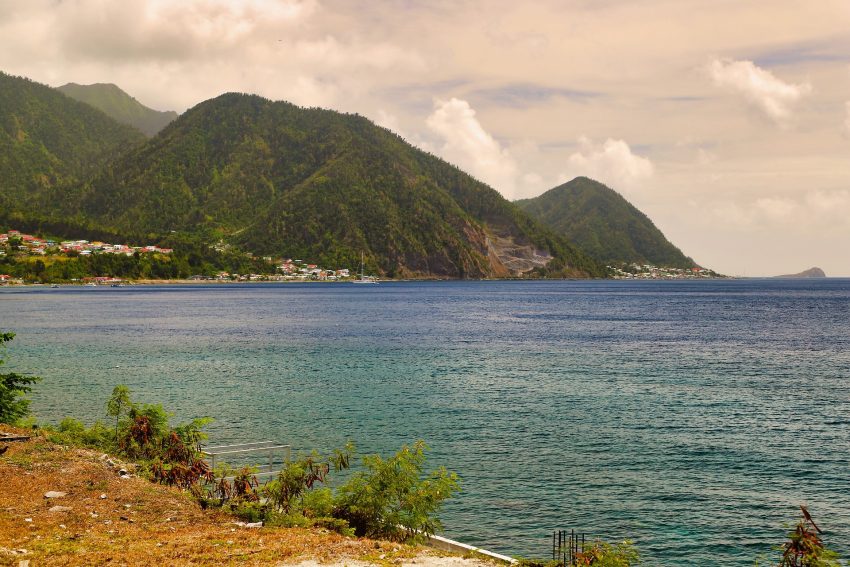
Dominica is a lush, mountainous island in the eastern Caribbean, known for its dramatic landscapes and deep connection to nature. Often called the “Nature Island,” it’s defined by rainforests, volcanic peaks, rushing rivers, and a rugged coastline that feels wild and unspoiled. With small towns and quiet villages scattered between green valleys and sea cliffs, the island offers a slower pace that’s easy to settle into.
Outdoor experiences are at the heart of a visit here. Dominica is famous for hiking trails that lead to waterfalls, hot springs, and panoramic viewpoints, as well as freshwater pools hidden in the forest. Offshore, clear waters and healthy reefs make it a standout spot for snorkeling and diving, while whale and dolphin watching is a major draw thanks to the island’s deep surrounding seas.
Beyond the scenery, Dominica’s culture is warm and grounded in community, with local music, markets, and food that reflect the island’s Caribbean character. Visitors can explore colorful produce stalls, sample hearty Creole-inspired dishes, and enjoy the relaxed hospitality that defines everyday life. Whether you’re seeking adventure, quiet natural beauty, or a refreshing break from busier islands, Dominica offers a distinctly authentic Caribbean escape.
Table of Contents
- History of Dominica
- Before European colonization
- 1493–1600s: First European contact and early rivalry
- 1600s–1763: French influence and contested settlement
- 1763–1830s: British rule, plantation expansion, and slavery
- 1830s–early 1900s: Emancipation and changing politics
- 1900s–1967: Labor movements, modernization, and self-government
- 1967–1978: Associated Statehood
- 1978–present: Independence and the Commonwealth republic
- Best Time to Visit Dominica
- Food and Drink from Dominica
History of Dominica
Dominica’s history is shaped by its Indigenous roots, contested European colonization, plantation slavery and emancipation, and a long path from British rule to independence, with its rugged interior helping preserve distinctive communities and traditions.
Before European colonization
Long before Europeans arrived, Dominica was inhabited by Indigenous peoples, including the Kalinago (Caribs), who established villages, cultivated crops such as cassava, and navigated the island and wider region by canoe. Dominica’s steep terrain and dense forests supported relatively autonomous communities and made large-scale conquest more difficult than on flatter islands.
1493–1600s: First European contact and early rivalry
Christopher Columbus sighted the island in 1493 and named it Dominica, reportedly because he encountered it on a Sunday. For much of the 1500s and early 1600s, European powers claimed the island on maps but struggled to settle it permanently due to Kalinago resistance and the island’s challenging geography. Dominica became a strategic waypoint in the Lesser Antilles, drawing intermittent attention from Spanish, French, English, and Dutch interests.
1600s–1763: French influence and contested settlement
From the 1600s, French settlers from nearby islands increasingly established a presence, especially along the coast, developing small plantations and trade networks. Conflict and negotiation with the Kalinago continued; some areas remained largely under Indigenous control. Over time, a French Creole culture took root, influencing language, place names, religion, and customary practices that would persist even after political control changed hands.
1763–1830s: British rule, plantation expansion, and slavery
After the Seven Years’ War, Dominica was formally ceded to Britain in 1763. British administration expanded, but French-speaking planters and free people of color remained significant in the population and economy. Plantation agriculture—particularly sugar, coffee, and later limes—relied on enslaved Africans, and the island became part of the wider Atlantic slave system.
Tensions between British authorities and established French Creole interests were frequent, and Dominica’s position made it a target during imperial wars. Control shifted in practice at times during conflicts, but British sovereignty ultimately endured.
1830s–early 1900s: Emancipation and changing politics
Slavery was abolished in the British Empire in the 1830s, transforming labor and society. Freed people sought land, autonomy, and new livelihoods, while plantation owners attempted to maintain production through wage labor and other coercive arrangements. Dominica’s economy diversified unevenly, with agriculture remaining central.
Dominica also became notable in the British Caribbean for political developments in the 19th century, including periods when the elected assembly had substantial representation from the Black majority and people of color. Over time, however, constitutional changes and shifting imperial priorities reduced local autonomy, and Crown Colony-style governance increased the power of appointed officials.
1900s–1967: Labor movements, modernization, and self-government
In the 20th century, economic hardship, limited opportunities, and natural disasters contributed to social unrest and migration. Labor organizing and political movements grew, pressing for better wages, social services, and constitutional reform. Infrastructure and public institutions expanded gradually, but the island remained vulnerable to commodity price swings and storms.
Dominica moved toward greater self-government after World War II as decolonization accelerated across the region. Political parties and trade unions became key vehicles for representation and reform.
1967–1978: Associated Statehood
In 1967, Dominica became an Associated State of the United Kingdom, gaining internal self-government while Britain retained responsibility for defense and external affairs. This period saw intensified debates about economic development, governance, and the timing and terms of full independence.
1978–present: Independence and the Commonwealth republic
Dominica achieved independence on November 3, 1978, becoming the Commonwealth of Dominica. It adopted a parliamentary system with a president as head of state and a prime minister heading the government.
Post-independence politics included periods of instability and transition, followed by longer stretches of electoral competition and institutional consolidation. The economy continued to rely heavily on agriculture—especially bananas for a time—before shifting toward services, tourism, and other revenue sources. Dominica has also faced repeated major storms, including severe hurricanes in the late 20th and early 21st centuries, which have shaped development priorities and resilience planning.
A distinctive feature of Dominica’s modern identity is the continued presence of the Kalinago community, with a designated territory and cultural institutions that reflect the island’s deep Indigenous roots alongside its African and European heritage.
Best Time to Visit Dominica
Visiting Dominica in Winter (Best)
Winter (December–February) is one of the best times to visit Dominica for reliably drier weather, comfortable temperatures, and great conditions for hiking, waterfalls, and hot springs. Seas are often calmer too, making it a strong season for snorkeling and diving.
Festival highlights:
- Dominica’s Carnival (often in February or early March): parades, costumes, calypso, and high-energy street celebrations.
Visiting Dominica in Spring
Spring (March–May) is a sweet spot: generally dry, warm, and a bit quieter than peak winter travel. It’s an excellent time for rainforest adventures, river swims, and multi-day hikes like the Waitukubuli National Trail, with good visibility for underwater activities.
Festival highlights:
- Easter period events and local cultural celebrations can add extra atmosphere, depending on the year and community.
Visiting Dominica in Summer
Summer (June–August) is warmer and more humid, with increasing rainfall as the wet season begins. You’ll still get plenty of sunshine, but expect more frequent showers—often short and refreshing. This season can be great for travelers who prefer fewer crowds and greener landscapes.
Festival highlights:
- Dominica’s World Creole Music Festival (typically late October, so just outside summer): if your dates are flexible, consider extending into early fall to catch it.
Visiting Dominica in Fall
Fall (September–November) overlaps with the peak of the Atlantic hurricane season, so it’s the most weather-variable time to visit Dominica. You can find good value and lush scenery, but it’s wise to plan with flexibility, consider travel insurance, and keep an eye on forecasts—especially in September and October.
Festival highlights:
- Dominica’s Independence celebrations (around early November): cultural performances, music, food, and national pride events.
- Dominica’s World Creole Music Festival (often late October): one of the biggest draws of the year for music lovers.
Food and Drink from Dominica
Dominica’s food and drink reflect its lush volcanic landscape, abundant rainfall, and strong Creole heritage shaped by Indigenous Kalinago roots, African traditions, and European influences. Meals often center on what’s grown locally—plantains, yams, dasheen (taro), breadfruit, cassava, and a wide range of tropical fruits—paired with fresh herbs and peppers. Home cooking tends to be hearty and practical, built around one-pot dishes, slow-simmered broths, and generous use of aromatics like thyme, scallion, garlic, and local seasoning blends.
A signature staple is callaloo soup, a rich, green soup made from dasheen leaves (or other leafy greens) and thickened with okra, coconut milk, and sometimes crab, salted meat, or fish. Another beloved dish is mountain chicken, traditionally made with the giant ditch frog and cooked in a peppery stew—though today it may be less common or substituted due to conservation and availability. Everyday plates might include stewed chicken or fish with ground provisions (root crops), fried plantains, and fresh salads, while weekend cooking often features larger communal pots and more elaborate seasoning.
Seafood is central on an island with easy access to the Atlantic, and you’ll find dishes built around snapper, tuna, kingfish, lobster, and river crayfish when in season. Fish is frequently fried crisp, stewed with tomatoes and herbs, or cooked in coconut-based sauces, and it’s commonly served with rice, provisions, or breadfruit. Street and casual food can include bakes (fried dough), saltfish, and simple grilled items, often brightened with hot pepper sauces and tangy citrus.
Dominica’s drinks highlight local fruit, spices, and sugarcane. Fresh juices and smoothies made from passion fruit, guava, soursop, grapefruit, and sorrel are common, along with coconut water straight from the nut. Rum is a mainstay in cocktails and homemade infusions, and local liqueurs may feature bay leaf, cocoa, or tropical fruits. For something distinctly Dominican, many people enjoy bush teas—herbal infusions made from leaves, roots, and spices—sipped for comfort, flavor, and traditional wellness.