Democratic Republic of the Congo: The Ultimate Travel Guide 2026
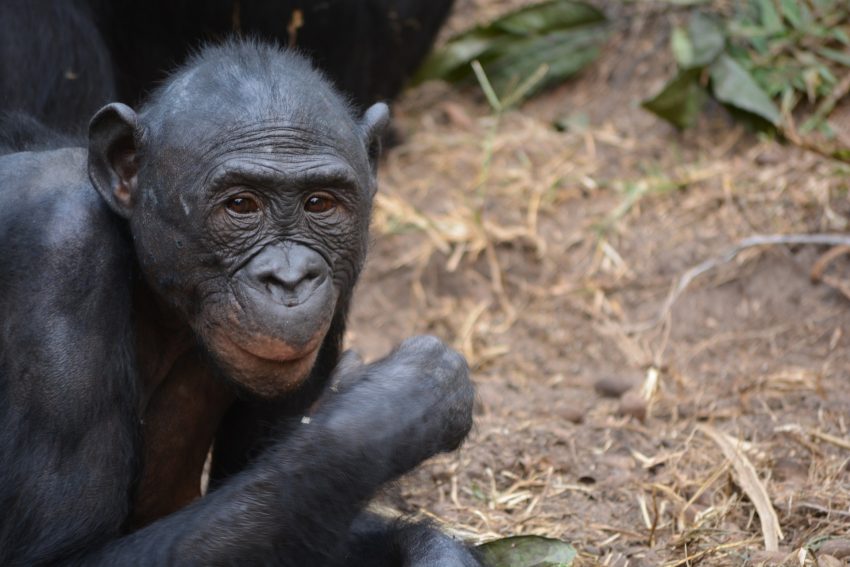
The Democratic Republic of the Congo (DRC) is a vast country in Central Africa known for its immense size, striking natural landscapes, and extraordinary ecological diversity. Home to large stretches of the Congo Basin rainforest and the mighty Congo River, it contains some of the planet’s most important freshwater systems and wildlife habitats. From dense tropical forests to savannas, mountains, and volcanic regions in the east, the DRC’s geography shapes daily life and supports a wide range of plant and animal species.
With a large and youthful population, the DRC is culturally rich and linguistically diverse. French is the official language, alongside widely spoken national languages such as Lingala, Swahili, Kikongo, and Tshiluba, reflecting the country’s many communities and traditions. Music, dance, storytelling, and vibrant urban culture-especially in cities like Kinshasa-play a central role in social life and have influenced artistic scenes across Africa and beyond.
The DRC is also renowned for its natural resources, including minerals that are important to global industries, as well as significant potential for agriculture and hydropower. At the same time, many communities face challenges related to infrastructure, access to services, and regional insecurity, particularly in parts of the east. Despite these complexities, the country remains a place of remarkable resilience and creativity, with ongoing efforts by citizens, local organizations, and institutions to strengthen development and improve everyday life.
History of Democratic Republic of the Congo
The Democratic Republic of the Congo (DRC) has a long history shaped by powerful precolonial states, brutal colonial extraction, Cold War politics, and recurring conflicts over land, identity, and mineral wealth. Its modern borders and many of its political challenges were forged during late-19th-century European imperialism and the turbulent decades that followed independence.
Before European conquest (to the late 1800s)
Long before colonization, the Congo Basin and surrounding regions were home to diverse societies with complex political systems and trade networks. Major states and confederations included the Kingdom of Kongo in the west (with diplomatic and commercial ties to the Atlantic world from the late 1400s), the Luba and Lunda empires in the south-central region, and many other kingdoms and chieftaincies connected through trade in copper, salt, ivory, and later enslaved people. Over time, external commerce and warfare reshaped local power. By the 1800s, long-distance traders—some operating from the east African coast—were active in the eastern Congo, intensifying competition and violence in parts of the region.
Congo Free State (1885–1908)
In the “Scramble for Africa,” King Leopold II of Belgium secured international recognition of his personal control over a vast territory named the Congo Free State. In practice, it became a system of forced labor and coercive extraction, especially for rubber and ivory. The regime relied on armed agents and local intermediaries, using hostage-taking, punishment, and terror to meet quotas. Widespread atrocities and demographic collapse drew international condemnation. Under mounting pressure, Belgium annexed the territory in 1908.
Belgian Congo (1908–1960)
Belgian rule replaced Leopold’s personal regime with a colonial state that expanded infrastructure and industrial mining while maintaining strict political control and racial hierarchy. The economy became deeply tied to resource extraction, including copper and other minerals, with major enterprises dominating production. Education and social services expanded unevenly, and political participation for Congolese people was tightly restricted. After World War II, urbanization and a growing educated class fueled nationalist movements. By the late 1950s, demands for independence accelerated rapidly, and Belgium moved toward a swift transfer of power.
Independence and the Congo Crisis (1960–1965)
The Congo became independent on 30 June 1960. Almost immediately, the new state faced crisis: the army mutinied, Belgian intervention followed, and the mineral-rich province of Katanga attempted secession. The central government fractured amid intense rivalry between Prime Minister Patrice Lumumba and President Joseph Kasa-Vubu. International involvement was heavy, including a major UN operation and Cold War maneuvering. Lumumba was removed from power, later killed in 1961, and the country endured years of conflict, secessionist struggles, and shifting coalitions until Joseph-Désiré Mobutu consolidated control.
Mobutu’s Zaire (1965–1997)
Mobutu seized power in 1965, establishing an authoritarian state that emphasized centralization, patronage, and anti-communist alignment during the Cold War. In 1971, the country was renamed Zaire as part of a broader “authenticity” campaign that also changed personal and place names. While the state projected unity, governance increasingly depended on corruption and loyalty networks. Economic decline deepened from the late 1970s onward, worsened by debt, mismanagement, and falling commodity prices. Political liberalization pressures grew in the early 1990s, but reforms were inconsistent and often manipulated to preserve the regime.
The First Congo War (1996–1997)
Regional upheaval after the 1994 Rwandan genocide destabilized eastern Zaire, where armed groups and refugee flows intensified insecurity. A rebellion backed by neighboring states advanced across the country under Laurent-Désiré Kabila, toppling Mobutu in 1997. The country’s name reverted to the Democratic Republic of the Congo.
The Second Congo War and its aftermath (1998–2003)
Relations between Kabila and some former allies deteriorated quickly, leading to a new war in 1998 involving multiple neighboring countries and a patchwork of armed groups. Often described as “Africa’s World War,” the conflict caused massive displacement and loss of life, driven by security fears, political competition, and struggles over resources and local authority. A series of peace processes produced a formal end to major interstate fighting and led to a transitional government that included former belligerents.
Elections, continued conflict in the east (2006–2018)
The DRC held landmark elections in 2006. Joseph Kabila, who became president after Laurent-Désiré Kabila’s assassination in 2001, won and later secured reelection in 2011 amid controversy. Despite national institutions consolidating in some areas, armed conflict persisted in the east, particularly in North and South Kivu and parts of Ituri. Numerous militias and rebel movements operated, sometimes with cross-border involvement. Violence was fueled by disputes over land, citizenship and identity, local power, and access to mineral revenues, alongside weak state presence and fragmented security forces.
Political transition and recent years (2019–present)
In 2019, Félix Tshisekedi became president following elections that marked the country’s first peaceful transfer of power between leaders through an electoral process, though the results were disputed by some observers and opponents. The eastern provinces have continued to face severe insecurity, including renewed activity by major armed groups and recurring humanitarian crises. The government has pursued military operations, states of siege in some provinces, and diplomatic efforts with neighbors, while also confronting persistent challenges: governance capacity, corruption, economic inequality, infrastructure gaps, and the management of vast mineral wealth critical to global supply chains.
Across these eras, the DRC’s history has been shaped by the tension between its immense resources and the difficulty of building stable, accountable institutions over a vast and diverse territory—especially under the pressures of external intervention, regional conflict dynamics, and internal political fragmentation.
Best Time to Visit Democratic Republic of the Congo
Visiting Democratic Republic of the Congo in Spring
Spring (roughly March to May) is a shoulder-season option in many parts of the Democratic Republic of the Congo, with warming temperatures and increasing rainfall depending on the region. It can be a good time if you want greener landscapes and fewer visitors than peak dry-season months, but plan for occasional heavy showers and slower travel on unpaved roads. Festival highlight: In some years, cultural and music events in Kinshasa and other major cities begin to pick up around this period—worth checking local calendars if you want to pair nature travel with urban culture.
Visiting Democratic Republic of the Congo in Summer (Best)
Summer (roughly June to August) is often the most comfortable time to travel in much of the Democratic Republic of the Congo because it generally aligns with a drier, cooler stretch in many regions. This typically means better road conditions, clearer trekking days, and improved chances for wildlife-focused activities (where accessible), including forest excursions and park visits. It’s also a strong choice for travelers prioritizing smoother logistics and more predictable weather. Festival highlight: Kinshasa’s live music scene is lively year-round, but mid-year can be a great window to seek out major concerts and cultural programming when travel conditions are easiest.
Visiting Democratic Republic of the Congo in Autumn
Autumn (roughly September to November) can be an excellent shoulder season, especially early on, before heavier rains return in many areas. You may still get plenty of workable travel days, with the added benefit of fewer crowds and often better availability for accommodations and guides. As the season progresses, expect more rain and build flexibility into your itinerary. Festival highlight: Depending on the year, arts and cultural events in larger cities may be scheduled in this period—check for film, music, and cultural festivals in Kinshasa and regional capitals.
Visiting Democratic Republic of the Congo in Winter
Winter (roughly December to February) is typically wetter and more humid in many parts of the Democratic Republic of the Congo, which can make overland travel more challenging and increase the likelihood of itinerary changes. That said, it can be rewarding if you don’t mind rain: forests are lush, rivers are full, and you’ll often encounter fewer travelers. If you go in this season, prioritize buffer days and consider focusing on city-based experiences alongside nature. Festival highlight: End-of-year celebrations and holiday-season events can bring a festive atmosphere to major cities, with plenty of music, nightlife, and community gatherings.
Food and Drink from Democratic Republic of the Congo
Food and drink in the Democratic Republic of the Congo (DRC) are shaped by the country’s vast geography, river networks, and rich agricultural zones. Meals commonly center on a starchy staple paired with a flavorful sauce or stew, reflecting both everyday practicality and a strong tradition of communal eating. Across many regions, you’ll find dishes built around cassava, plantains, maize, rice, and sweet potatoes, with greens and legumes adding nutrition and depth. Because the DRC is home to many ethnic groups and local cuisines, what people eat can vary widely from one province to another, while still sharing familiar foundations.
Cassava is especially important, appearing in multiple forms. Fufu (a firm dough made from cassava flour, sometimes mixed with maize) is a common accompaniment to saucy dishes, while chikwangue (cassava paste wrapped and steamed, often in leaves) is widely eaten and valued for its portability. Plantains—boiled, fried, or mashed—are another staple, and maize porridge is also common in many areas. Leafy vegetables play a major role, particularly cassava leaves cooked down into a thick, savory preparation often enriched with palm oil, onions, and spices, creating a hearty partner for fufu or rice.
Protein dishes range from fish to meats depending on location and availability. Along the Congo River and in lake regions, fresh or smoked fish is central, frequently simmered in tomato-based sauces or cooked with greens. Chicken and goat are popular for special occasions, while beans and peanuts provide everyday protein in many households. Peanut-based sauces are especially beloved, lending a creamy, nutty richness to vegetables or meat stews, and palm oil is a signature cooking fat that gives many dishes their distinctive color and flavor.
Drinks in the DRC include both everyday refreshments and celebratory beverages. Locally produced beers are widely enjoyed, and palm wine is a traditional drink in many communities, sometimes consumed fresh and lightly sweet, other times more fermented. Non-alcoholic options include strong tea, coffee in some areas, and homemade juices from fruits such as pineapple, mango, and passion fruit when in season. In cities like Kinshasa and Lubumbashi, modern soft drinks and bottled water are common, but many people still prize traditional drinks that connect meals to local ingredients and long-standing customs.