Cook Islands: The Ultimate Travel Guide 2026
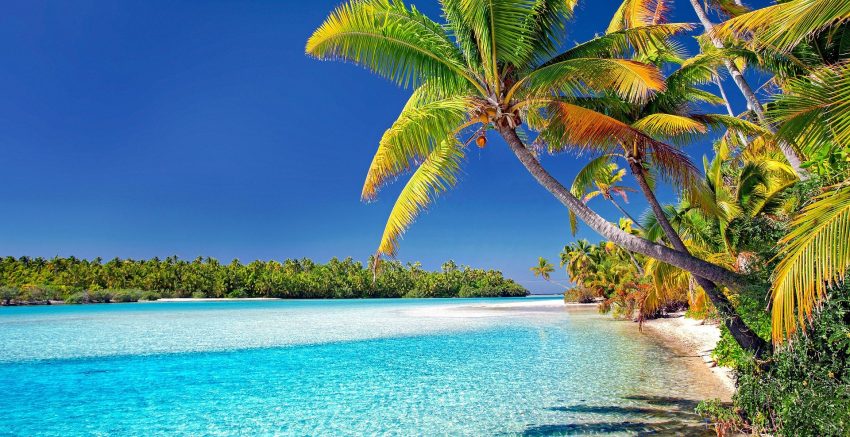
The Cook Islands is a stunning Pacific destination made up of 15 islands scattered across a vast stretch of ocean, known for its turquoise lagoons, white-sand beaches, and warm, welcoming culture. Rarotonga, the main island, is ringed by a coastal road and a protective reef that creates calm, clear waters ideal for swimming and snorkeling, while nearby Aitutaki is famous for its postcard-perfect lagoon and tiny motu (islets). With a relaxed pace of life and dramatic natural scenery, the islands feel both remote and refreshingly easy to enjoy.
Nature is at the heart of the Cook Islands experience. You can hike lush mountain trails, paddle across glassy lagoons, dive or snorkel among coral gardens, and spot tropical fish in shallow reef flats. Beyond the water, you’ll find verdant valleys, panoramic viewpoints, and small villages where local markets, crafts, and everyday island life offer a genuine sense of place.
The Cook Islands also shines through its food, music, and community spirit. Fresh seafood, tropical fruit, and island-style dishes are easy to find, and cultural performances often feature drumming and dance that bring evenings to life. Whether you’re planning a laid-back beach escape, an active outdoor trip, or a mix of both, the Cook Islands offers a serene, friendly setting that’s memorable without feeling overwhelming.
History of Cook Islands
The Cook Islands are a Polynesian nation in the central South Pacific whose history spans early oceanic settlement, complex chiefly societies, European contact, missionary transformation, colonial administration, and modern self-government in free association with New Zealand.
Early settlement and traditional society (c. 800–1600)
Polynesian voyagers settled the islands in successive waves, building communities linked by kinship, navigation knowledge, and inter-island exchange. Over time, distinct island polities formed, typically organized around ariki (high chiefs) and other chiefly ranks, with authority expressed through land rights, ritual leadership, and alliances. Oral traditions, genealogies, and place-based histories preserved political legitimacy and social order, while warfare and diplomacy shaped relationships within and between islands.
Regional networks and shifting power (1600–1700s)
Before sustained European contact, the islands were part of wider Polynesian networks connecting the Society Islands, Tonga, Samoa, and beyond. Competition among lineages and districts could be intense, but so were systems of reciprocity, marriage alliances, and shared religious practices. Each island developed its own balance of power: Rarotonga’s districts and chiefly lines, Aitutaki’s influential chiefs, and the northern atolls’ smaller, tightly knit communities adapted to different environments and resources.
European contact and naming (late 1700s–early 1800s)
European ships began visiting in the late eighteenth century. The islands later became widely known as the “Cook Islands” after Captain James Cook, who sighted some of them during his Pacific voyages. Contact brought new goods and technologies but also disease and social disruption. Encounters were uneven—some islands saw sporadic visits for decades, while others became more regularly connected to shipping routes.
Missionary era and social transformation (1820s–late 1800s)
Christian missionaries, especially from the London Missionary Society via Tahiti, arrived in the early nineteenth century and rapidly reshaped religious and political life. Conversion spread across the group, often supported by influential chiefs, and new institutions—church-centered education, written language use, and altered legal norms—took root. Traditional practices were reinterpreted or suppressed, and authority increasingly blended chiefly leadership with church influence. Over time, the islands became more integrated into the colonial-era Pacific economy through trade and visiting ships.
Protectorate and annexation (1888–1901)
Amid growing imperial competition in the Pacific and local concerns about external influence, the Cook Islands became a British protectorate in 1888. Administrative arrangements evolved quickly, and in 1901 the islands were annexed to New Zealand. This shifted governance toward a colonial model, with New Zealand officials overseeing administration while local leadership structures continued in modified forms.
New Zealand administration and modernization (1901–1965)
Under New Zealand rule, the Cook Islands experienced expanding public services, infrastructure development, and changes in land administration and local government. World events and economic shifts affected the islands’ opportunities and constraints. Migration to New Zealand increased over time, creating enduring transnational family networks. Political consciousness grew in the mid-twentieth century, with local leaders pressing for greater autonomy and a system better aligned with Cook Islands priorities.
Self-government in free association (1965–present)
In 1965 the Cook Islands became self-governing in free association with New Zealand. The Cook Islands gained control over internal affairs, while New Zealand retained certain responsibilities by mutual agreement, and Cook Islanders continued to hold New Zealand citizenship. Over subsequent decades, the country developed its own parliamentary democracy, public institutions, and international presence, while maintaining close ties with New Zealand through migration, education, and economic links.
Economic life increasingly centered on services—especially tourism—alongside public administration, agriculture, and marine resources. The nation also faced challenges common to small island states: vulnerability to cyclones, the high costs of distance, and the social effects of outward migration. At the same time, cultural revitalization and the strengthening of Cook Islands Māori language and identity have remained central, expressed through dance, music, crafts, and community life across both the islands and the diaspora.
Today, the Cook Islands balance local traditions and modern governance, sustaining a distinct Polynesian identity while operating within a unique constitutional relationship and a globally connected Pacific reality.
Best Time to Visit Cook Islands
Visiting Cook Islands in Summer (December–February)
Summer in Cook Islands is warm, humid, and lush, with higher chances of tropical showers and occasional cyclones in the wider region. It’s a great time if you want hot beach days, vibrant greenery, and don’t mind short bursts of rain. Expect fewer crowds than peak winter, and good deals can pop up outside holiday periods.
Visiting Cook Islands in Autumn (March–May) (Best)
Autumn is often the sweet spot in Cook Islands: warm water, comfortable temperatures, and generally more settled weather as the wetter season tapers off. It’s ideal for swimming, lagoon cruises, snorkeling, and hiking without the peak-season crowds. If you’re looking for the best balance of weather, prices, and availability, this is typically the strongest all-round time to go.
Visiting Cook Islands in Winter (June–August)
Winter is the driest, coolest, and most popular season in Cook Islands, making it perfect for travelers who want reliable sunshine and low humidity. This is peak travel time, so book flights and accommodation early—especially around school holidays. A major highlight is the Te Maeva Nui celebrations (late July to early August), featuring dance competitions, drumming, cultural performances, and events around Constitution Day.
Visiting Cook Islands in Spring (September–November)
Spring brings warmer days and a gradual shift toward the wetter season, while still keeping plenty of sunshine and pleasant conditions. It’s a strong shoulder season for good weather with fewer crowds than winter, and it’s excellent for lagoon activities and diving/snorkeling as water visibility is often very good. It can also be a good time to catch local cultural events and markets without peak-season pressure.
Food and Drink from Cook Islands
Food and drink in the Cook Islands reflect a blend of Polynesian tradition, island-grown produce, and coastal abundance. Meals often center on what’s fresh and local: fish from the lagoon, tropical fruits, and starchy staples that suit the climate and the land. Home cooking tends to be simple and hearty, with flavors built from coconut, citrus, sea salt, and slow-cooked meats rather than heavy spices. Community gatherings and celebrations are especially important, and food is a key way families share hospitality and identity.
A cornerstone of Cook Islands cuisine is ika mata, a refreshing dish of raw fish marinated in citrus and mixed with coconut cream, often with onion, cucumber, or tomato. It’s commonly served as a starter or light meal, especially on warm days, and showcases the quality of local seafood. Other seafood favorites include grilled or pan-fried reef fish, octopus, and shellfish when available, typically paired with taro, breadfruit, or rice. Coconut appears in many forms—cream, milk, and grated flesh—adding richness to both savory dishes and desserts.
Traditional cooking methods remain central, particularly the umu, an earth oven where food is wrapped and slow-cooked over hot stones. An umu feast might include pork, chicken, or fish alongside taro, kumara (sweet potato), breadfruit, and greens, all infused with a smoky, tender finish. Rukau (taro leaves cooked in coconut cream) is another beloved dish, valued for its comforting texture and mild, creamy flavor. Seasonal fruits such as pawpaw (papaya), mango, pineapple, and bananas are eaten fresh, blended into drinks, or used in sweets.
Drinks in the Cook Islands range from everyday refreshments to celebratory favorites. Fresh coconut water is widely enjoyed, and fruit juices and smoothies are common, often made with local citrus, pineapple, or banana. Kava is sometimes shared in social settings, reflecting broader Pacific traditions, while beer and spirits are popular in bars and at events. For something distinctly island-style, cocktails often feature rum and tropical fruit, served alongside snacks and small plates that highlight the same local ingredients found in the cuisine.