Comoros: The Ultimate Travel Guide 2026
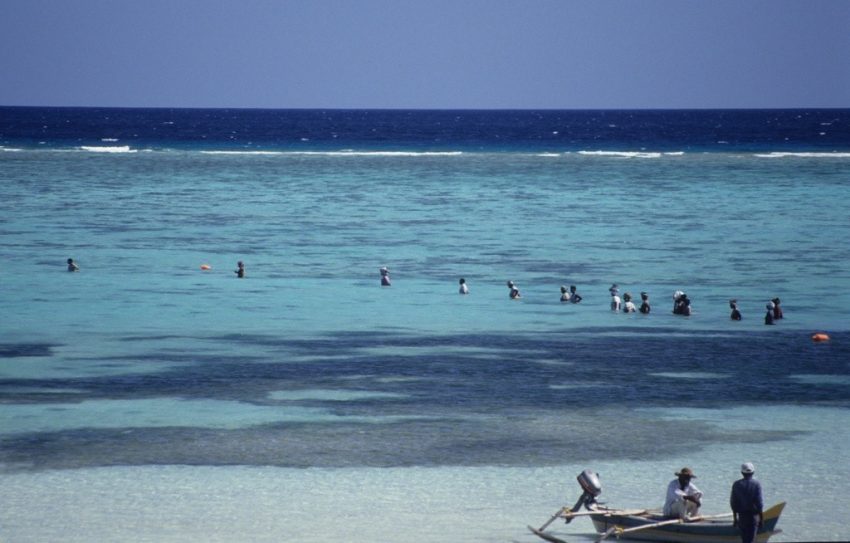
The Comoros is a small island nation in the Indian Ocean, set between Madagascar and the coast of Mozambique. Made up of three main islands-Grande Comore (Ngazidja), Mohéli (Mwali), and Anjouan (Nzwani)-it’s known for dramatic volcanic landscapes, warm tropical waters, and a relaxed pace of life shaped by the sea. Its location along long-traveled maritime routes has helped create a culture that feels both distinctly island-based and broadly connected to the wider region.
Daily life in the Comoros reflects a blend of African, Arab, and French influences, visible in language, food, music, and architecture. Comorian (Shikomori) is widely spoken alongside French and Arabic, and community life often centers on family ties, local markets, and religious traditions. Visitors are drawn to the country’s natural beauty-black-sand beaches, coral reefs, and forested hills-as well as the welcoming feel of its towns and villages.
Nature is a major part of the Comoros’ identity, from marine life offshore to the lush interior landscapes on land. Humpback whales can be seen seasonally in surrounding waters, and the islands offer opportunities for snorkeling, diving, hiking, and exploring quieter coastal areas. With relatively low tourist crowds compared to many Indian Ocean destinations, the Comoros appeals to travelers looking for an off-the-beaten-path island experience.
Table of Contents
- History of Comoros
- Early settlement and Indian Ocean networks
- Sultanates and regional rivalries
- Nineteenth-century upheaval and the French takeover
- Colonial period and the road to self-government
- Independence and the Mayotte dispute
- Coups, mercenaries, and political instability
- Secession crises and a new constitutional order
- Recent politics and continuing challenges
- Best Time to Visit Comoros
- Food and Drink from Comoros
History of Comoros
Comoros is an Indian Ocean archipelago at the northern end of the Mozambique Channel, historically shaped by African settlement, Indian Ocean trade, Islamic scholarship, and later French colonial rule. Its modern history has been marked by contested sovereignty, repeated coups, and an ongoing effort to balance island autonomy with national unity.
Early settlement and Indian Ocean networks (before 1500)
The islands were settled by people from the East African coast and nearby regions over many centuries, with communities tied into wider Swahili coastal culture. From early on, Comoros sat on maritime routes linking the African coast with Madagascar, the Arabian Peninsula, Persia, and South Asia. These connections brought new crops, technologies, and cultural influences.
Islam spread through trade and migration, and by the late medieval period it had become central to political legitimacy and social life. Comorian society developed around coastal towns, inland villages, and lineages that connected local authority to broader Indian Ocean religious and commercial networks.
Sultanates and regional rivalries (1500–1800s)
From roughly the 16th century onward, political power on the islands often took the form of small sultanates and chiefly domains, frequently competing with one another. Authority tended to be localized, with shifting alliances among elites, religious leaders, and merchant families.
The islands were also affected by wider regional pressures, including conflicts along the Swahili coast and the growth of European maritime power in the Indian Ocean. While Europeans visited and traded, Comorian politics remained primarily driven by local and regional actors for much of this period.
Nineteenth-century upheaval and the French takeover
In the 19th century, instability increased as rival leaders sought outside support and as the western Indian Ocean saw intensified competition among European powers. Mayotte became the first island to come under firm French control when France established sovereignty there in the 1840s through agreements with local rulers.
Over subsequent decades, France extended its influence across the rest of the archipelago. By the late 19th century, the other islands—Grande Comore (Ngazidja), Anjouan (Nzwani), and Mohéli (Mwali)—were brought under French protectorate arrangements and then deeper colonial administration. Plantation agriculture expanded, and colonial policies reshaped landholding, labor, and the islands’ economic orientation toward export crops.
Colonial period and the road to self-government (1900–1975)
Under French rule, Comoros was administered in changing ways, often linked administratively to Madagascar. Economic life centered on cash crops such as vanilla, ylang-ylang (for perfume), cloves, and other exports, leaving the islands vulnerable to price swings and external demand.
After World War II, political mobilization increased across French territories. Comorians pressed for greater representation and autonomy, and local political parties emerged with differing visions—some favoring continued association with France and others advocating full independence. The question of Mayotte’s status became increasingly divisive, with many in Mayotte preferring to remain French while other islands leaned toward independence.
Independence and the Mayotte dispute (1975–present)
In 1975, Comoros declared independence. Mayotte did not join the new state and remained under French administration, a dispute that has continued to shape Comorian politics and identity. Comoros considers Mayotte part of its national territory, while France has maintained its control, and Mayotte later became an overseas department of France.
Coups, mercenaries, and political instability (late 1970s–1990s)
The decades after independence were marked by repeated coups and abrupt changes of government. A notable feature of this era was the involvement of foreign mercenaries in Comorian politics, reflecting both internal factionalism and external interests. Governments rose and fell quickly, institutions remained fragile, and economic development lagged.
Despite instability, Comoros also saw periods of attempted reform and efforts to build a functioning state. Political life often revolved around island-based loyalties and disputes over how power and resources should be shared among the islands.
Secession crises and a new constitutional order (1997–2000s)
In the late 1990s, separatist movements—especially on Anjouan and Mohéli—challenged the authority of the central government, driven by grievances over governance, economic inequality, and perceived domination by Grande Comore. The crisis pushed Comoros toward a new political framework.
A revised constitutional arrangement created a more federal-like system emphasizing island autonomy and a rotating presidency intended to reduce inter-island rivalry. This “Union of the Comoros” structure sought to keep the country together by giving each island greater control over local affairs while maintaining a national government.
Recent politics and continuing challenges (2010s–2020s)
In recent years, Comoros has continued to grapple with political tensions, constitutional changes, and disputes over electoral legitimacy. The balance between stability and pluralism has been a recurring issue, with debates over presidential powers and the autonomy of island institutions.
Economically, Comoros remains constrained by limited resources, dependence on imports, vulnerability to external shocks, and the challenges of providing jobs and services. Remittances from the Comorian diaspora play a major role in household incomes and the national economy. At the same time, the Mayotte question continues to influence migration patterns and regional diplomacy, as many Comorians seek opportunities and services across the nearby border.
Overall, Comoros’s history reflects its position at a crossroads of the Indian Ocean: a society formed through centuries of exchange, then reshaped by colonial rule, and still working to reconcile island identities with a durable national political order.
Best Time to Visit Comoros
Visiting Comoros in Spring
Spring in Comoros is a pleasant shoulder-season option, with warm temperatures, plenty of sunshine, and generally manageable humidity. It’s a good time for beach days, snorkeling, and hiking on Grande Comore (Ngazidja) before the wetter, more humid periods feel more intense. If you prefer fewer crowds and good value while still getting classic island weather, spring is a strong choice.
Visiting Comoros in Summer (Best)
Summer is ideal if you want the most reliable beach conditions and the clearest water for swimming, diving, and snorkeling—especially around Mohéli (Mwali) and its marine park. Days are hot and sunny, and the sea is typically at its most inviting. This is the best season for travelers prioritizing ocean activities and postcard-perfect coastal weather.
Visiting Comoros in Autumn
Autumn can still be a great time to visit Comoros, particularly early in the season, with warm seas and fewer visitors than peak periods. Humidity may start to rise as the year progresses, and occasional showers become more likely, but you can still enjoy island-hopping, cultural visits, and relaxed beach time. It’s a good pick if you want a quieter trip without giving up warm weather.
Visiting Comoros in Winter
Winter in Comoros is often favored for more comfortable temperatures and lower humidity, making it a great season for exploring beyond the beaches—such as village visits, scenic drives, and hiking volcanic landscapes. It’s also a good time to plan around cultural life and local celebrations; if a major festival or religious holiday falls during your travel window, it can be a highlight for experiencing music, community gatherings, and traditional food (note that dates for some celebrations vary year to year).
Food and Drink from Comoros
Comorian food reflects its position in the Indian Ocean, blending East African staples with Arab, Malagasy, and French influences. Meals often center on rice, cassava, plantains, and breadfruit, paired with fish or meat and brightened with coconut, lime, and chili. Spices and aromatics—especially cloves, cardamom, cinnamon, garlic, ginger, and onions—are common, giving many dishes a warm, fragrant character. Because the islands are fertile and coastal, fresh produce and seafood shape everyday cooking.
Seafood is a mainstay, with tuna, kingfish, and other reef fish frequently grilled, stewed, or cooked in coconut-based sauces. Fish may be served with rice and a tangy relish or sauce that balances heat and acidity, often using lemon or lime. Coconut milk appears in many savory preparations, lending richness to curries and slow-cooked dishes, while leafy greens and beans provide hearty, affordable sides. On special occasions, families may prepare more elaborate platters that combine rice, meat, and spiced sauces for sharing.
Street foods and snacks are popular, especially items built around cassava and plantains. Fried bites, simple pastries, and breads are commonly sold and eaten between meals, sometimes accompanied by spicy condiments. Tropical fruits—such as mangoes, bananas, papaya, and citrus—are widely enjoyed fresh, and they also appear in juices and desserts. Sweet treats often feature coconut and sugar, reflecting both local ingredients and broader regional tastes.
Drink culture in Comoros includes strong tea, often served sweet and sometimes spiced, as well as coffee in some households. Fresh fruit juices are common in the heat, and coconut water is a natural refreshment when available. In social settings, sharing tea and small snacks is an important gesture of hospitality, whether at home or with guests. Overall, Comorian food and drink emphasize freshness, fragrance, and the comforting combination of starches, seafood, and coconut.