Christmas Island: The Ultimate Travel Guide 2026
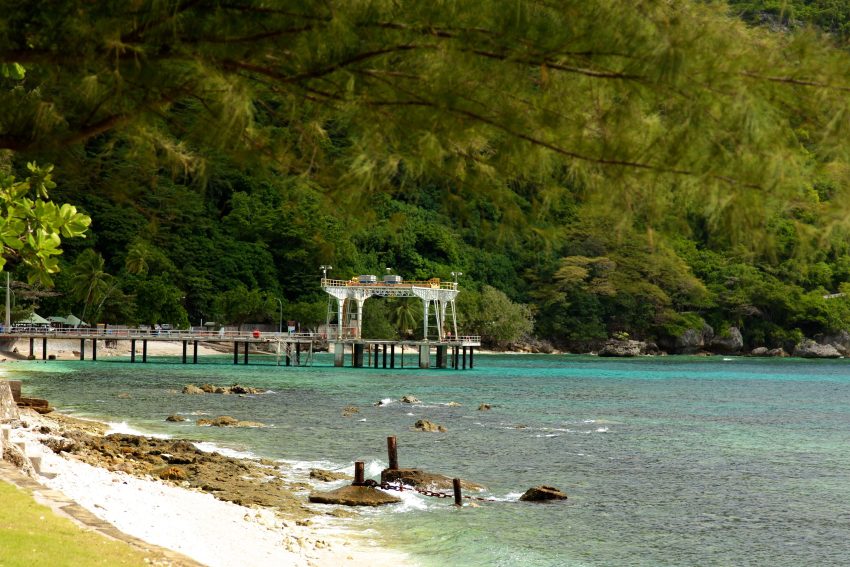
Christmas Island is a remote Australian territory in the Indian Ocean, known for its dramatic cliffs, dense rainforest, and striking coastal scenery. Despite its small size, the island feels surprisingly wild and expansive, with much of the land protected as national park and threaded with walking tracks that lead to lookouts, beaches, and hidden coves. Its isolation has helped preserve a distinctive natural character that sets it apart from more developed island destinations.
One of the island’s biggest draws is its unique wildlife, especially the famous red crab migration that transforms roads and forest floors into moving rivers of colour at certain times of year. Birdlife is also a highlight, with seabirds and endemic species making the island a rewarding place for nature lovers and photographers. Underwater, clear waters and steep drop-offs create excellent conditions for snorkelling and diving, with coral, caves, and abundant marine life close to shore.
Beyond nature, Christmas Island offers a quiet, laid-back atmosphere with a small community and a mix of cultures reflected in local food and everyday life. Visitors typically come for hiking, wildlife watching, and ocean activities, enjoying a destination that feels uncrowded and refreshingly different. Whether you’re after adventure or simply a peaceful escape, the island delivers a memorable blend of rainforest, reef, and rugged coastline.
Table of Contents
- History of Christmas Island
- Before European contact
- 1600s–1800s: European sighting and naming
- 1880s–1900: Annexation and the phosphate era begins
- 1900–1941: Company rule and a migrant workforce
- 1942–1945: Japanese occupation in World War II
- 1945–1958: Postwar administration and transfer to Australia
- 1960s–1980s: Australian territory, community consolidation, and changing mining
- 1990s–2000s: Immigration detention and a new national role
- 2010s–present: Diversification, conservation, and ongoing identity
- Best Time to Visit Christmas Island
- Food and Drink from Christmas Island
History of Christmas Island
Christmas Island is a small, isolated Australian territory in the Indian Ocean whose history is shaped by late “discovery” by Europeans, phosphate mining, imported labor, wartime occupation, and a long transition from company rule to modern Australian administration. Its population and culture developed largely through migration tied to mining, producing a distinctive community with strong Chinese and Malay heritage alongside other groups.
Before European contact
For most of human history the island appears to have had no permanent Indigenous settlement, largely because of its remoteness, steep coastal cliffs, and limited easy landing sites. It was likely known indirectly to sailors moving through the region, but there is no clear evidence of sustained habitation before the modern era.
1600s–1800s: European sighting and naming
European navigators passed through the eastern Indian Ocean from the 1600s onward. The island became known to Europeans after it was sighted on Christmas Day in the 17th century, which gave it its name. For a long time it remained largely unvisited and unmapped in detail, with few landings because of difficult access.
1880s–1900: Annexation and the phosphate era begins
In the late 19th century, scientific and commercial interest increased. Rich phosphate deposits—formed from seabird guano over long periods—were identified as valuable for fertilizer. The island was annexed by Britain in the 1880s, and a settlement and basic infrastructure were established to support extraction. Mining quickly became the central economic and political force on the island.
1900–1941: Company rule and a migrant workforce
Phosphate mining expanded under corporate administration, and labor was recruited from across Asia, especially Chinese and Malay workers, along with others from the region. This created a multiethnic society organized around the mine, with housing, services, and daily life closely tied to the company and its operations. Social divisions often mirrored job roles and colonial-era hierarchies, while religious and cultural traditions—Buddhist, Taoist, Muslim, Christian, and others—took root and endured.
1942–1945: Japanese occupation in World War II
During World War II, Christmas Island’s strategic location and phosphate facilities made it a target. Japanese forces occupied the island in 1942. The war years brought severe disruption, shortages, and coercion, and they left lasting scars on the community. Control returned to the Allies near the end of the war.
1945–1958: Postwar administration and transfer to Australia
After the war, phosphate production resumed and the island returned to a British colonial framework. Over time, administrative responsibility shifted, and in 1958 sovereignty was transferred from the United Kingdom to Australia. This marked a major change in governance, though mining remained central to the economy and employment.
1960s–1980s: Australian territory, community consolidation, and changing mining
Under Australian administration, public services and local institutions expanded. The island’s distinct cultural mix continued to deepen, with community life shaped by festivals, languages, and religious observances brought by earlier migrant workers and their descendants. Mining practices and management evolved, and debates over environmental impacts and land rehabilitation became more prominent as extraction continued.
1990s–2000s: Immigration detention and a new national role
From the 1990s, Christmas Island gained a new and controversial role in Australia’s border and immigration policy. Its remote location made it a site for processing and detention of people arriving by boat, especially during periods of heightened arrivals. This brought new infrastructure, fly-in staff, and national political attention, while also creating tensions and complex impacts on the local community and economy.
2010s–present: Diversification, conservation, and ongoing identity
In recent years the island has balanced several competing pressures: maintaining services for a small population, managing the legacy and future of mining, protecting unique ecosystems (including famous red crab migrations and endemic species), and navigating the effects of being a strategic administrative outpost for Australia. Tourism and conservation efforts have been promoted as partial alternatives to mining, though remoteness and costs remain challenges. Today, Christmas Island’s identity reflects its layered history: a place shaped by extraction and migration, wartime upheaval, and its continuing role within Australian governance and regional geopolitics.
Best Time to Visit Christmas Island
Visiting Christmas Island in Summer (December–February)
Summer is a popular time to visit Christmas Island if you want warm water, beach time, and a classic tropical feel. Expect higher humidity and a greater chance of rain, but also lush landscapes and vibrant marine conditions for snorkeling and diving when seas are calm.
Festival highlight: Christmas Island is known for cultural celebrations around Lunar New Year (often late January or February), which can be a standout time to experience local Chinese-Malaysian traditions, food, and community events.
Visiting Christmas Island in Autumn (March–May)
Autumn is a strong shoulder-season choice on Christmas Island, with warm temperatures and generally good conditions for outdoor activities like hiking, exploring coastal viewpoints, and getting out on the water. Rain can still occur, but it often comes in bursts rather than constant downpours.
This period can be ideal if you prefer fewer visitors while still enjoying excellent wildlife viewing and comfortable travel conditions.
Visiting Christmas Island in Winter (June–August) (Best)
Winter is often the best time to visit Christmas Island for drier weather, lower humidity, and consistently pleasant conditions for exploring. It’s a great season for hiking, scenic drives, and spending long days outdoors without the heavier tropical heat.
If your priority is reliable weather for a well-rounded itinerary—beaches, rainforest walks, and general sightseeing—this is typically the safest bet.
Visiting Christmas Island in Spring (September–November)
Spring is a great time to visit Christmas Island if you’re focused on wildlife highlights. This season is widely associated with the island’s famous red crab migration (timing can vary year to year), which is one of the most memorable natural events you can see anywhere in the region.
If you’re planning specifically around the red crabs, it’s worth building flexibility into your dates, as the peak movement is influenced by rainfall and lunar cycles.
Food and Drink from Christmas Island
Christmas Island’s food and drink reflect its multicultural community, shaped largely by Chinese, Malay, and European Australian influences. Meals often blend Southeast Asian flavours with familiar Australian staples, and many dishes lean on rice, noodles, seafood, and fragrant aromatics like ginger, garlic, chilli, and lemongrass. Because the island is remote, what’s available can be seasonal or shipment-dependent, so home cooking and community gatherings play a big role in everyday eating.
Chinese heritage is especially visible in celebratory foods and family-style dining. You’ll commonly find stir-fried noodle dishes, dumplings, and roasted meats alongside vegetable plates and soups, with sauces and condiments that bring heat, sweetness, and umami. During festivals, tables may feature symbolic dishes and shared platters, and it’s normal for meals to be built around multiple dishes served at once so everyone can sample a bit of everything.
Malay and broader Southeast Asian traditions add another layer, with satay-style skewers, curries, sambals, and coconut-based dishes appearing in home kitchens and at communal events. Rice is a frequent anchor, paired with spicy relishes, grilled or fried seafood, and slow-cooked stews. The island’s tropical setting also encourages the use of fresh herbs and bright flavours, balancing richness with acidity and heat.
Drinks range from everyday tea and coffee to fruit juices and refreshing cold beverages suited to the warm climate. At social gatherings, you might see a mix of soft drinks, chilled teas, and tropical fruit-based options, while adults may also enjoy beer, wine, or spirits depending on the occasion. Overall, Christmas Island’s food and drink are less about a single “signature” cuisine and more about a shared table where different traditions meet and evolve.