Chad: The Ultimate Travel Guide 2026
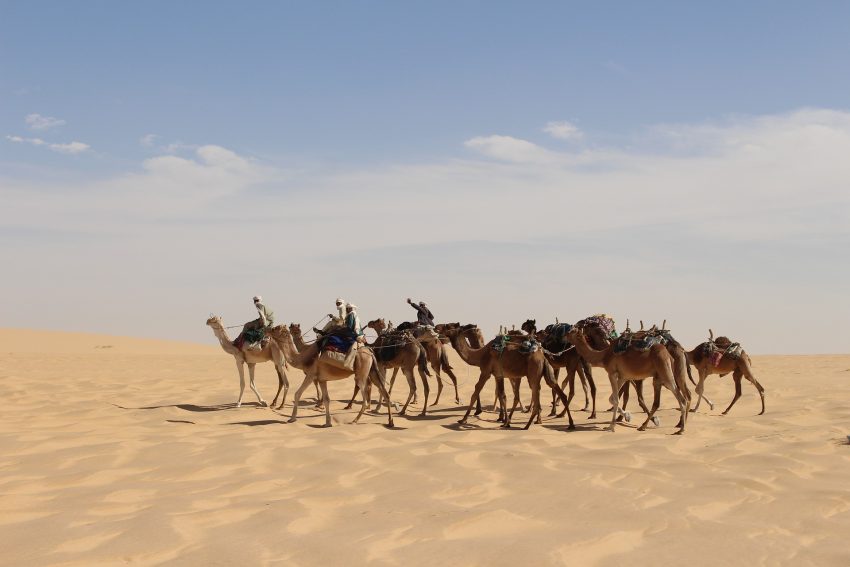
Chad is a landlocked country in north-central Africa, known for its vast landscapes and striking contrasts. From the arid Sahara Desert in the north to the Sahel belt across the center and greener savannas in the south, the country spans several climate zones that shape daily life, livelihoods, and settlement patterns. Its capital, N’Djamena, sits in the southwest near the border with Cameroon, serving as the country’s main administrative and economic hub.
The country’s natural environment is one of its defining features. Lake Chad, though much smaller than it once was, remains an important resource for fishing, farming, and grazing for communities in the surrounding region. Much of Chad’s economy is tied to agriculture and livestock, with many people relying on rain-fed farming and pastoralism, while oil production also plays a significant role in national revenues.
Chad is home to a diverse mix of peoples, languages, and cultural traditions, reflecting its position at the crossroads of North and sub-Saharan Africa. Dozens of ethnic groups contribute to a rich cultural mosaic expressed through music, dress, crafts, and local customs. French and Arabic are the official languages, and everyday life varies widely between urban centers and rural areas, where community ties and seasonal rhythms remain especially important.
Table of Contents
History of Chad
Chad’s history is shaped by its position between North Africa and sub-Saharan Africa, the shifting ecology of the Sahara and Sahel, and long-running ties among desert trade, river-lake economies, and regional empires. The territory that is now Chad has alternated between powerful centralized states and periods of fragmented authority, with modern politics strongly influenced by colonial borders, civil conflict, and regional security pressures.
Prehistory to early states (before c. 800 CE)
Archaeological and environmental evidence shows that the Sahara was once far wetter than today, supporting lakes, rivers, fishing communities, and pastoral societies. As the climate dried over millennia, populations concentrated around more reliable water sources, especially the Lake Chad basin and major river systems. By the first millennium CE, growing trade networks and political organization in the Sahel helped foster early state formation around the lake.
The Kanem–Bornu era (c. 800–1800s)
One of the most influential polities in the region was Kanem, centered northeast of Lake Chad, which later evolved into the Kanem–Bornu empire. It became a major Sahelian power, drawing wealth from trans-Saharan commerce and regional trade, and adopting Islam among ruling elites. Over centuries, the empire’s center of gravity shifted, and its authority rose and fell with dynastic struggles, external pressures, and changing trade routes. Even as Kanem–Bornu weakened, its political and cultural influence remained significant across the Lake Chad basin.
Sahelian sultanates and regional trade (1500s–1800s)
As Kanem–Bornu’s dominance waned, other states and sultanates gained prominence in what is now Chad, including Wadai (Ouaddaï) in the east and Bagirmi in the south-central region. These polities competed and allied with one another, controlled caravan routes, and drew revenue from taxation, tribute, and commerce. The region was also affected by the expansion of slave raiding and slave trading networks, which intensified insecurity and reshaped demographics and settlement patterns. In the late 1800s, the Sudanese warlord Rabih az-Zubayr built a short-lived but formidable state in the Lake Chad area, challenging older powers and drawing European attention.
French conquest and colonial rule (1890s–1960)
France incorporated Chad into French Equatorial Africa after military campaigns that culminated in the defeat of Rabih in 1900. Colonial administration was thin and often coercive, relying on forced labor, taxation, and military recruitment, with limited investment compared to some other colonies. Chad’s vast distances and ecological contrasts—Saharan north, Sahelian center, and more fertile south—contributed to uneven development and governance. During World War II, Chad became symbolically important when colonial authorities there aligned early with Free France, and Chadian troops participated in campaigns in North Africa and beyond.
Independence and early instability (1960–1979)
Chad gained independence in 1960. The first government, led by François Tombalbaye, faced deep regional and ethnic tensions, intensified by perceived southern dominance in state institutions and heavy-handed rule. Armed rebellion began in the mid-1960s, particularly in the north and center, and expanded into a prolonged civil conflict. Tombalbaye was overthrown and killed in a 1975 coup, but the change did not stabilize the country. Rival armed factions and shifting alliances led to escalating warfare and the collapse of effective central authority by the late 1970s.
Civil war, foreign intervention, and the Habré period (1979–1990)
From 1979, competing factions fought for control of the capital and the state. Libya intervened repeatedly, seeking influence in northern Chad and backing various groups; the conflict included disputes over the Aouzou Strip in the far north. Hissène Habré eventually consolidated power in 1982. His rule was marked by severe repression and widespread human rights abuses, alongside efforts to build a strong security apparatus. With external support and shifting regional dynamics, Chadian forces pushed back Libyan troops, and Chad later secured international recognition of its claim over the Aouzou Strip.
Déby’s rule and the oil era (1990–2021)
Idriss Déby took power in 1990 after leading a rebellion that toppled Habré. Déby’s government introduced multiparty politics in the 1990s, but power remained highly centralized, and elections were frequently contested. Oil production began in the early 2000s, transforming state revenues and raising expectations for development, while also intensifying disputes over governance, corruption, and the distribution of resources. Chad faced repeated rebellions and coup attempts, especially in the 2000s, and conflict in neighboring Sudan’s Darfur region spilled across borders. Over time, Chad became a key regional security actor, contributing forces to operations against militant groups in the Sahel and the Lake Chad basin, even as domestic political space remained constrained.
Transition after Déby (2021–present)
In 2021, Idriss Déby was killed while visiting troops during fighting with rebels. A military-led Transitional Military Council headed by his son, Mahamat Idriss Déby, took control, suspending the constitution and promising a transition. The period has included a national dialogue process, changes to transitional timelines and institutions, and episodes of political violence and repression alongside efforts to reconfigure alliances and stabilize the state. Chad continues to face intertwined challenges: managing security threats, navigating regional instability, addressing economic pressures, and balancing demands for more inclusive governance across its diverse regions and communities.
Best Time to Visit Chad
Visiting Chad in Winter (Best)
Winter (roughly December to February) is the most comfortable time to visit Chad, with cooler, drier weather that makes travel easier and wildlife viewing better. Roads are generally more passable, humidity is low, and conditions are ideal for exploring highlights like Zakouma National Park, the Ennedi Plateau, and desert landscapes in the north. If you’re prioritizing safaris, overland travel, and outdoor sightseeing, this is typically the top season.
Visiting Chad in Spring
Spring (roughly March to May) starts dry and becomes progressively hotter, especially in central and northern areas. It can still be a good time to visit if you’re prepared for rising temperatures and want fewer travelers, but midday heat can limit long excursions. Cultural events and local celebrations may occur around this period depending on the lunar calendar, so it’s worth checking dates in advance if festivals are a priority.
Visiting Chad in Summer
Summer (roughly June to August) aligns with the rainy season across much of the country, particularly in the south. Travel can be more challenging due to muddy roads and occasional flooding, and some remote routes may become difficult or inaccessible. That said, landscapes can be greener, and if you’re interested in seasonal scenery and don’t mind weather-related flexibility, summer can offer a different perspective on Chad.
Visiting Chad in Autumn
Autumn (roughly September to November) is a transition period as rains taper off and conditions gradually improve for travel. September can still be wet in places, but by October and November the weather becomes drier and more comfortable, with improving road access and better conditions for wildlife viewing. This season is a strong choice if you want good travel conditions before the peak winter period, and it can be a great time to plan around any major cultural gatherings or regional festivals that fall after the rains.
Food and Drink from Chad
Chadian food reflects the country’s Sahelian climate and its mix of ethnic traditions, with meals built around sturdy staples that can be grown or stored in hot, dry conditions. Grains and starches are central: millet and sorghum are widely used, along with rice in some areas and cassava or sweet potatoes where conditions allow. These are often prepared as thick porridges or dough-like bases that are eaten with sauces, stews, or leafy greens, making a filling meal that can be shared communally.
A common pattern is a neutral staple paired with a flavorful sauce made from vegetables, legumes, and whatever protein is available. Okra, tomatoes, onions, and leafy greens feature in many dishes, sometimes thickened to cling to the staple. Peanuts (groundnuts) are also important, used to enrich sauces with a creamy, nutty depth. Beans and lentils appear in everyday cooking, especially when meat is scarce, and spices tend to be used to build warmth and savor rather than intense heat.
Protein choices vary by region and season. In pastoral areas, meat and milk from cattle, goats, or sheep can be significant, while in river and lake regions fish is a key ingredient, eaten fresh, dried, or smoked for preservation. Chicken is common for home meals and gatherings, and beef or goat may be served for celebrations. Dried fish and smoked meats are valued not only for flavor but also because they keep well, making them practical for markets and long distances.
Drinks in Chad range from simple daily refreshments to beverages tied to hospitality and social life. Tea is widely enjoyed, often prepared strong and sweet and served in small glasses, sometimes in multiple rounds. In some communities, traditional beers made from sorghum or millet are brewed for festivals and communal events, while non-alcoholic options include water, sweetened juices, and seasonal fruit drinks where available. Across the country, sharing food and drink is an important expression of welcome, with meals often eaten together from a common dish.