Burundi: The Ultimate Travel Guide 2026
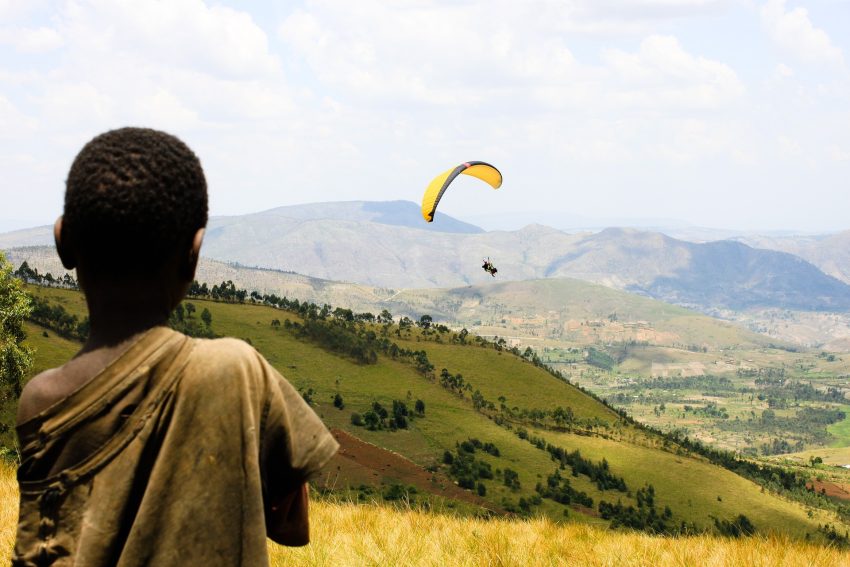
Burundi is a small, landlocked country in East Africa, nestled among Rwanda to the north, Tanzania to the east and south, and the Democratic Republic of the Congo to the west. Despite its modest size, it has striking landscapes, from rolling green hills and fertile valleys to the shores of Lake Tanganyika-one of the world’s deepest and oldest lakes. Its capital, Gitega, sits in the country’s interior, while Bujumbura remains a major economic hub and lakeside gateway.
The country’s culture is shaped by strong community traditions, music, and dance, with drumming and ceremonial performances playing an important role in public life. Kirundi is the national language and is widely spoken across the country, alongside French and English in official and educational settings. Daily life is closely tied to the land, and many Burundians rely on agriculture, with coffee and tea among the most important crops.
Burundi offers visitors a quieter, less-traveled perspective on the region, with opportunities to experience local markets, lakeside scenery, and nature-rich areas. At the same time, it faces significant development challenges, and travel often requires careful planning due to infrastructure and service limitations. For those interested in culture, landscapes, and everyday rhythms of East African life, Burundi can be a rewarding place to learn about and explore.
Table of Contents
- History of Burundi
- Early kingdoms and the monarchy
- German rule and regional competition
- Belgian administration under Ruanda-Urundi
- Independence and the end of the monarchy
- Military rule and mass violence
- Political opening and the 1993 crisis
- Civil war and peace processes
- Postwar politics and the Nkurunziza era
- Recent developments
- Best Time to Visit Burundi
- Food and Drink from Burundi
History of Burundi
Burundi’s history is shaped by a long-lived monarchy, deep social stratification, German and then Belgian colonial rule, and repeated cycles of political violence tied to power struggles, regional dynamics, and the politicization of Hutu–Tutsi identities. Since the early 2000s, the country has largely moved away from large-scale civil war, but political repression, contested elections, and periodic insecurity have continued to affect governance and social cohesion.
Early kingdoms and the monarchy (pre-19th century)
Before European colonization, the area that is now Burundi developed into a centralized kingdom (the Kingdom of Burundi) led by a mwami (king). Political authority was organized through royal courts, chiefs, and networks of patronage. Social categories commonly described as Hutu, Tutsi, and Twa existed, but their meanings were historically complex and could involve status, occupation, and patron-client ties as much as rigid “ethnic” boundaries. Over time, power became increasingly centralized, and royal institutions helped integrate diverse regions, though local rivalries and succession disputes were recurring features.
German rule and regional competition (late 19th century–1916)
In the late 19th century, Burundi was incorporated into German East Africa. German administration was relatively light, often relying on existing royal and chiefly structures to collect taxes and maintain order. Even with limited direct control, colonial presence altered political incentives, intensified competition among local elites, and tied Burundi more firmly to regional colonial economies and military campaigns.
Belgian administration under Ruanda-Urundi (1916–1962)
During World War I, Belgian forces took control of the territory, and Burundi became part of the League of Nations mandate (later UN trust territory) of Ruanda-Urundi, administered by Belgium. Belgian rule expanded state penetration through taxation, forced labor practices at various times, and a stronger bureaucratic apparatus. Colonial policies hardened social categories and helped institutionalize identity-based hierarchies by favoring certain elites for education and administrative roles. These changes contributed to long-term political polarization, even as Burundi’s monarchy remained a central symbol of authority.
Independence and the end of the monarchy (1962–1966)
Burundi gained independence in 1962 as a constitutional monarchy. The early post-independence years were marked by intense political competition, factionalism, and disputes over the role of the monarchy and the army. In 1966, after a period of coups and counter-coups, the monarchy was abolished and the country became a republic, with the military emerging as the decisive political force.
Military rule and mass violence (1966–1987)
From the late 1960s onward, Burundi experienced authoritarian military governments and repeated crises. The most catastrophic early episode occurred in 1972, when violence and repression following an uprising led to mass killings, particularly targeting Hutu elites and educated leaders. The scale and targeting of the violence had profound effects: it reshaped Burundi’s political class, drove large refugee flows, and deepened fear and mistrust across communities. Further violence occurred in 1988, prompting renewed international attention and internal debate about political reform.
Political opening and the 1993 crisis (1987–1996)
In the early 1990s, Burundi began a transition toward multiparty politics. In 1993, Melchior Ndadaye became the first democratically elected Hutu president. His assassination later that year triggered widespread violence and a prolonged breakdown of political order. The ensuing years saw cycles of killings, displacement, and the growth of armed movements, with the army and various rebel groups fighting for control and influence.
Civil war and peace processes (1996–2005)
A coup in 1996 brought Pierre Buyoya back to power amid escalating conflict. Regional mediation—especially involving neighboring states—helped produce the Arusha Peace and Reconciliation Agreement (2000), which laid out a framework for power-sharing, security-sector reform, and ethnic balance in state institutions. Implementation was uneven and fighting continued, but successive ceasefires gradually reduced the conflict. A new constitution in 2005 institutionalized power-sharing arrangements, including ethnic quotas in the military and government, aimed at preventing domination by any one group.
Postwar politics and the Nkurunziza era (2005–2020)
Former rebel movement CNDD-FDD became the dominant political force, and Pierre Nkurunziza became president in 2005. Over time, political space narrowed, opposition parties faced pressure, and allegations of human rights abuses increased. In 2015, Nkurunziza’s decision to seek a third term sparked major protests, a failed coup attempt, and a severe political and security crisis. Many Burundians fled the country, and relations with international partners deteriorated. While large-scale civil war did not resume, targeted violence, intimidation, and restrictions on media and civil society intensified.
Recent developments (2020–present)
After Nkurunziza’s death in 2020, Évariste Ndayishimiye became president. The government signaled interest in improving external relations and easing some tensions, while maintaining strong control over politics and security. Challenges have included economic hardship, governance concerns, periodic reports of abuses, and localized insecurity, including cross-border dynamics in the Great Lakes region. Burundi’s political trajectory continues to be shaped by the legacy of past violence, the central role of the ruling party and security services, and ongoing debates over reconciliation, accountability, and inclusive governance.
Best Time to Visit Burundi
Visiting Burundi in Spring
Spring is a pleasant time to visit Burundi if you want greener landscapes, comfortable temperatures, and good conditions for exploring around Lake Tanganyika and the country’s rolling hills. It’s a solid shoulder-season choice for travelers who prefer fewer crowds and flexible itineraries, though you may still encounter occasional showers depending on the month.
Visiting Burundi in Summer (Best)
Summer is often the best time to visit Burundi for generally drier weather, easier road travel, and clearer conditions for outdoor activities. This is a great season for lake time on Lake Tanganyika, hiking and nature outings, and visiting parks and viewpoints without frequent rain interruptions. If you’re prioritizing smooth logistics and maximum time outdoors, summer is the strongest pick.
Visiting Burundi in Autumn
Autumn can be a good option if you like lush scenery and don’t mind some rain. The countryside tends to look its most vibrant, and travel can still be rewarding—especially for cultural visits and relaxed time in and around Bujumbura—though heavier showers can occasionally affect road conditions and day-trip plans.
Visiting Burundi in Winter
Winter is a comfortable season for sightseeing and cultural travel, with cooler evenings in higher elevations and generally pleasant daytime temperatures. It can be a good time to combine city visits with nature excursions, especially if you prefer milder weather. If festivals are a priority, check local calendars in advance, as major cultural celebrations and event schedules can vary year to year.
Food and Drink from Burundi
Burundi’s food and drink reflect its rural, agrarian way of life, with meals built around simple, filling staples. Most households rely on what they can grow locally, so dishes tend to be seasonal and centered on grains, legumes, roots, and plantains. Cooking is generally straightforward—boiled, stewed, or mashed foods served in shared portions—designed to stretch ingredients and feed families. While meat is eaten, especially on special occasions, everyday meals are more commonly plant-based.
A key staple is beans, often simmered into thick stews and served with maize, sorghum, or rice. Cassava is also widely eaten, prepared as boiled roots, cassava flour for porridge, or mixed into other dishes for extra substance. Sweet potatoes and potatoes are common in many regions, and leafy greens are frequently cooked down with onions, tomatoes, or groundnut (peanut) paste. Plantains (bananas used for cooking) can be boiled, fried, or stewed, and are an important source of calories in many communities.
Sauces and relishes add flavor and variety to staple foods. Groundnuts are especially important, used to enrich vegetable stews and create creamy sauces that pair well with beans and greens. When available, fish from Lake Tanganyika and nearby waters is eaten fresh, dried, or smoked, often cooked in a simple tomato-onion sauce. Meat—goat, beef, or chicken—appears more often at celebrations and gatherings, sometimes grilled or cooked in hearty stews.
Burundi’s drinks are closely tied to local agriculture as well. Banana beer is one of the most traditional beverages, made by fermenting ripe bananas and often shared at social events. Sorghum beer is also common, especially in rural areas, and serves a similar communal role. Tea is widely consumed, reflecting the country’s tea production, and is typically taken hot and lightly sweetened. In towns and cities, bottled soft drinks and commercially produced beers are more available, but traditional brews remain culturally significant.