Brunei Darussalam: The Ultimate Travel Guide 2026
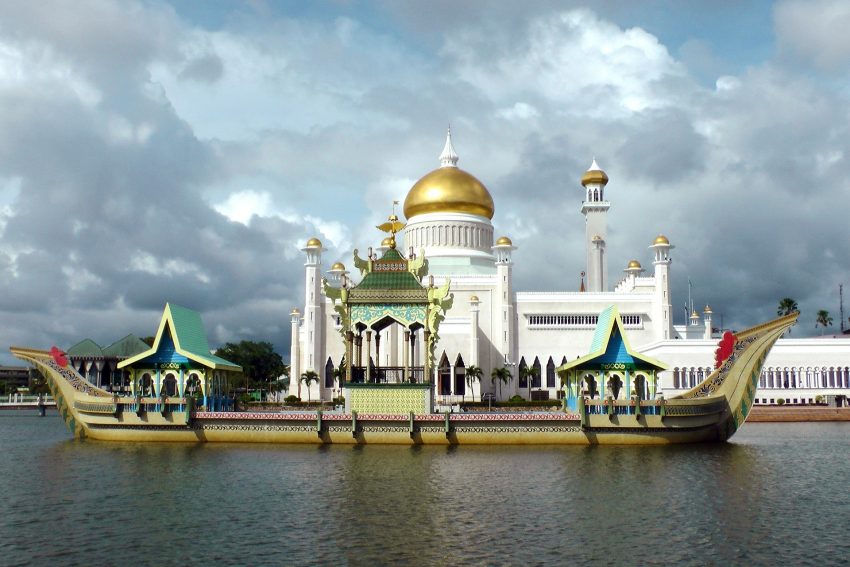
Brunei Darussalam is a small, peaceful nation on the island of Borneo in Southeast Asia, known for its lush rainforests, clean cities, and strong sense of tradition. Bordered by the Malaysian state of Sarawak and facing the South China Sea, it offers a mix of coastal scenery, rivers, and protected natural areas. Despite its compact size, Brunei feels spacious and calm, with well-kept roads, landscaped public spaces, and a slower pace of life.
The country is widely recognized for its Islamic heritage and distinctive architecture, most famously seen in its grand mosques with gleaming domes and intricate interiors. Daily life reflects a blend of modern convenience and cultural values, from bustling local markets and food stalls to orderly neighborhoods and community-focused events. Visitors often notice the emphasis on courtesy, modesty, and respect in public spaces.
Nature is a major part of Brunei’s appeal, with tropical forests, mangroves, and wildlife-rich parks offering opportunities for river cruises, canopy walks, and eco-adventures. The capital, Bandar Seri Begawan, provides an easy starting point, combining waterfront views, museums, and iconic landmarks with access to nearby villages and forest reserves. Overall, Brunei Darussalam is an inviting destination for travelers seeking serenity, culture, and green landscapes in a compact, easy-to-navigate setting.
Table of Contents
- History of Brunei Darussalam
- Early settlements and regional trade
- The rise of the Brunei Sultanate and Islam
- Expansion and “golden age” influence
- Contraction, rivalry, and internal pressures
- British protection and administrative change
- Japanese occupation and postwar reconstruction
- Constitutional government and political consolidation
- Choosing a separate path
- Independence and the modern state
- Best Time to Visit Brunei Darussalam
- Food and Drink from Brunei Darussalam
History of Brunei Darussalam
Brunei Darussalam’s history is shaped by its position on Borneo’s northern coast, its early integration into regional trade networks, the rise of an Islamic sultanate, centuries of rivalry and diplomacy with neighboring powers, a long period under British protection, and a modern era defined by oil wealth and a strong monarchical state.
Early settlements and regional trade (before the 14th century)
Archaeological and historical indications suggest that coastal communities in what is now Brunei participated in maritime trade linking Borneo to the wider Malay Archipelago and beyond. Local polities benefited from riverine access to interior resources and from sea routes that connected China, mainland Southeast Asia, and island Southeast Asia. Over time, Brunei’s coastal centers became increasingly oriented toward commerce, tribute relationships, and regional political competition.
The rise of the Brunei Sultanate and Islam (14th–15th centuries)
Brunei’s emergence as a sultanate is traditionally associated with the adoption of Islam by its ruler and the consolidation of authority along the Brunei River. Islam provided a powerful framework for governance, diplomacy, and legitimacy, linking Brunei to broader Muslim trading networks. The sultanate’s institutions developed around the ruler’s court, aristocratic offices, and a political culture that blended local customs with Islamic norms.
Expansion and “golden age” influence (16th century)
By the 16th century, Brunei had become a significant regional power. Its influence extended along parts of Borneo’s coast and into areas that are now associated with Sabah and Sarawak, and it maintained relationships—sometimes tributary, sometimes contested—with neighboring polities. Brunei’s prominence was tied to control of trade routes, strategic coastal settlements, and the ability to project authority through alliances, marriage ties, and patronage.
This period also coincided with the arrival of European powers in Southeast Asia. Contact with Iberian expansion introduced new military and commercial pressures, as well as shifting alliances among local states responding to the changing balance of power.
Contraction, rivalry, and internal pressures (17th–19th centuries)
From the 17th century onward, Brunei’s regional reach gradually contracted. Several factors contributed: succession disputes, the growing autonomy of peripheral leaders, competition with neighboring sultanates and local chiefs, and the increasing influence of European colonial powers in surrounding territories. Control over distant coastal areas weakened, and the sultanate faced recurring challenges in maintaining centralized authority.
In the 19th century, Brunei lost substantial territory through a combination of conflict, diplomacy, and arrangements with external actors. The most consequential changes involved the expansion of the Brooke administration in Sarawak and the growing role of British interests in northern Borneo. These developments reduced Brunei to a much smaller core territory than its earlier sphere of influence.
British protection and administrative change (1888–1941)
Brunei became a British protected state in the late 19th century. Under protection, Brunei retained its sultanate and internal traditions, but British influence increased, particularly in external affairs and later in internal administration. A key turning point was the establishment of a British Residential system in the early 20th century, which placed a British official in an advisory role that in practice shaped governance and policy.
The discovery and development of oil transformed Brunei’s economic prospects. Petroleum revenues would later become central to the state’s capacity, social programs, and modern infrastructure, fundamentally altering Brunei’s trajectory.
Japanese occupation and postwar reconstruction (1941–1959)
During World War II, Brunei was occupied by Japan. The occupation brought hardship and disruption, and the end of the war required rebuilding administrative systems and infrastructure. In the postwar period, Brunei’s political future became increasingly tied to constitutional development and negotiations over self-government, while oil production continued to expand in importance.
Constitutional government and political consolidation (1959–1962)
A constitution introduced in 1959 granted Brunei internal self-government while Britain retained responsibility for defense and foreign affairs. The period also saw rising political activism and debates about representation, governance, and Brunei’s place in the rapidly decolonizing region.
Tensions culminated in the 1962 rebellion, which was swiftly suppressed. Afterward, emergency measures remained in place, and political life became more tightly controlled. This episode strongly influenced Brunei’s subsequent approach to security, governance, and political participation.
Choosing a separate path (1960s–1970s)
As neighboring territories moved toward the formation of Malaysia, Brunei considered but ultimately did not join. Disagreements over constitutional arrangements, resource control, and the role of the monarchy contributed to Brunei’s decision to remain separate. Brunei continued under British protection while negotiating the terms and timing of full independence.
Independence and the modern state (1984–present)
Brunei achieved full independence on 1 January 1984 as Brunei Darussalam. The state developed as a sovereign Malay Islamic Monarchy, with the Sultan as head of state and government. Oil and gas revenues underpinned rapid modernization, extensive public services, and high living standards relative to many countries in the region, while also creating long-term challenges related to economic diversification.
In the late 20th and early 21st centuries, Brunei emphasized national identity rooted in Malay culture, Islam, and monarchy. Legal and institutional changes reinforced this framework, including the phased implementation of a Syariah-based penal code in the 2010s, which drew international attention and debate. Alongside this, Brunei has pursued cautious economic reforms, investment strategies, and regional diplomacy, maintaining an active role in Southeast Asian affairs while prioritizing internal stability and continuity.
Best Time to Visit Brunei Darussalam
Visiting Brunei Darussalam in Spring
Spring is a comfortable time to visit Brunei Darussalam if you prefer warm days without the heaviest rain. Humidity is still present, but sightseeing in Bandar Seri Begawan, visiting Kampong Ayer, and exploring Ulu Temburong National Park can feel more manageable than later in the year. It’s a good season for nature-focused trips, river cruises, and outdoor markets, with a mix of sunny spells and occasional showers.
Visiting Brunei Darussalam in Summer (Best)
Summer is often the best time to visit Brunei Darussalam for travelers who want the most reliable conditions for outdoor plans. You’ll generally find more consistently dry, bright days, which suits rainforest excursions, canopy walks, and day trips that involve longer travel times. It’s also a strong season for photography—mosques, waterfront scenes, and jungle landscapes tend to look their best under clearer skies.
Visiting Brunei Darussalam in Autumn
Autumn can be a rewarding time to visit Brunei Darussalam if you don’t mind more frequent rain and higher humidity. The upside is lush, vibrant greenery and fewer crowds, which can make cultural sightseeing and relaxed itineraries more appealing. This season can also be a good fit for travelers prioritizing museums, food experiences, and flexible day-by-day planning around showers.
Visiting Brunei Darussalam in Winter
Winter is typically the wettest-feeling period in Brunei Darussalam, with heavier rainfall and a greater chance of downpours. It can still be a great time to visit if you enjoy a slower pace, greener landscapes, and don’t mind building your schedule around the weather. Festival-wise, Ramadan and Hari Raya Aidilfitri (Eid) can fall in this season depending on the year—if your trip aligns, it’s a memorable cultural highlight, though some dining and business hours may change during Ramadan.
Food and Drink from Brunei Darussalam
Brunei Darussalam’s food and drink reflect its Malay heritage, strong Islamic traditions, and close ties with Borneo’s wider culinary landscape. Meals commonly center on rice, noodles, and seafood, with flavors built from aromatics like lemongrass, galangal, ginger, turmeric, and chilies, balanced by coconut milk and tangy sour notes. As a Muslim-majority country, halal preparation is the norm, and pork and alcohol are generally absent from everyday dining. Whether eaten at home, in small eateries, or at lively night markets, Bruneian dishes tend to be hearty, fragrant, and designed for sharing.
Among the best-known foods is ambuyat, often considered Brunei’s national dish. Made from sago starch stirred into a glossy, stretchy paste, it is eaten with a special bamboo fork (candas) and paired with a variety of side dishes—grilled fish, prawns, vegetables, and rich curries—then dipped into sharp, savory sauces such as cacah (often featuring local shrimp paste, lime, and chilies). Another staple is nasi katok, a simple but beloved meal of rice, fried chicken, and spicy sambal, valued for its affordability and bold flavor. Brunei also enjoys satay, grilled seafood, and noodle dishes influenced by regional Malay and Chinese cooking, often adapted to local tastes and halal requirements.
Traditional snacks and sweets are an important part of Bruneian food culture, especially during festive seasons and family gatherings. Kuih (bite-sized cakes and pastries) come in many forms, frequently using coconut, pandan, palm sugar, and glutinous rice for chewy, fragrant textures. You’ll find steamed and baked treats, layered cakes, and fritters sold at markets and roadside stalls, alongside savory bites like stuffed pastries and fried snacks. Seasonal celebrations such as Hari Raya bring an even wider spread of dishes, from rich meat preparations to assorted cookies and delicacies served to visiting guests.
When it comes to drinks, Brunei favors refreshing, non-alcoholic beverages suited to the tropical climate. Teh tarik (pulled milk tea) and kopi are common at cafés and local kedai, while fruit-based drinks—often featuring lime, calamansi, or tropical fruits—are popular at markets. Coconut water is widely enjoyed, and sweet iced beverages are frequently served with meals, especially during hot afternoons. Overall, Brunei’s food and drink offer a comforting mix of tradition and everyday practicality, with strong flavors, communal eating, and a clear emphasis on halal, family-friendly dining.