Botswana: The Ultimate Travel Guide 2026
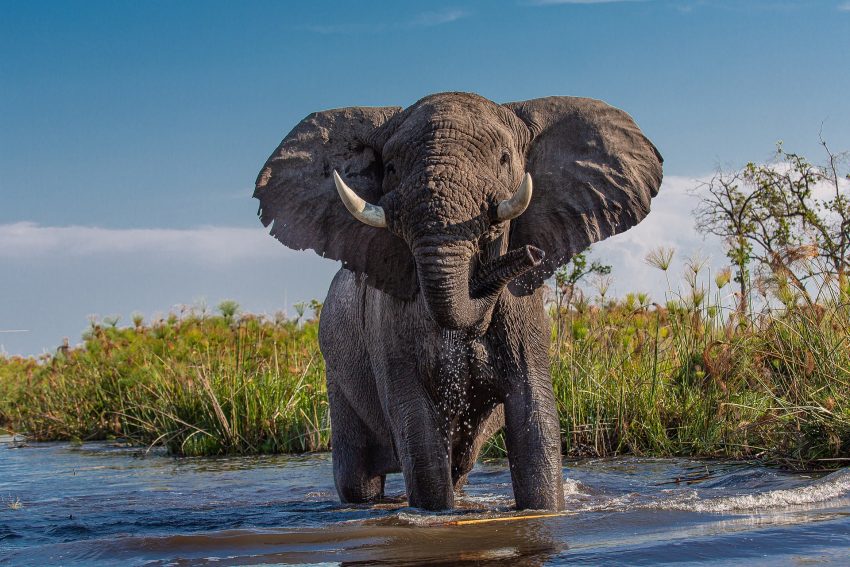
Botswana is a landlocked country in Southern Africa known for its wide-open landscapes, abundant wildlife, and a strong sense of national identity. Much of the country is defined by the Kalahari Desert, yet Botswana is also home to one of the world’s most remarkable wetland systems-the Okavango Delta-where seasonal floods transform dry plains into a thriving oasis.
Nature and conservation are central to Botswana’s appeal. The country supports some of Africa’s largest populations of elephants and offers world-renowned safari experiences in places like Chobe National Park and the Moremi Game Reserve. With a focus on protecting ecosystems and managing tourism carefully, Botswana has built a reputation as a premier destination for travelers seeking authentic, low-impact encounters with the natural world.
Beyond its scenery, Botswana is recognized for its stability, welcoming communities, and a culture rooted in traditions such as the kgotla, a public forum for discussion and decision-making. Gaborone, the capital, is a modern and growing city that serves as the country’s administrative and commercial hub, while towns and villages across Botswana reflect a blend of contemporary life and enduring cultural practices.
History of Botswana
Botswana’s history is shaped by long-settled Tswana-speaking communities, shifting regional power, the pressures of European expansion, and a distinctive path to independence that helped produce one of Africa’s more stable postcolonial states.
Early settlement and Tswana polities (to the 1700s)
Archaeological and oral traditions point to very long human presence in the region, including hunter-gatherer communities often associated with San peoples. Over time, agro-pastoral societies expanded across what is now Botswana. By the late first and early second millennium CE, ironworking and cattle-based economies were established in parts of the region.
From roughly the 1500s onward, Tswana-speaking groups consolidated into chiefdoms (morafe) that organized around towns, cattle wealth, and systems of tribute and allegiance. Political authority centered on chiefs (dikgosi), with advisory councils and public assemblies (kgotla) providing mechanisms for consultation and dispute resolution. These institutions varied by polity but became enduring features of governance and social life.
Regional upheaval and the 1800s
The 19th century brought intensified conflict and migration across southern Africa, including pressures linked to the rise of powerful states to the east and south. Communities in the Tswana interior faced raids, displacement, and competition over cattle and trade routes. At the same time, new commercial connections expanded: ivory, cattle, and other goods moved along routes tied to the Cape economy.
European missionaries and traders arrived in increasing numbers. Missionaries influenced literacy, diplomacy, and external relations, while also becoming intermediaries in dealings with colonial authorities. The growing reach of Boer settlers and, later, British imperial interests created new threats to Tswana autonomy, especially in the south.
The Bechuanaland Protectorate (1885–1966)
In 1885, Britain declared the Bechuanaland Protectorate over much of the territory that would become Botswana, partly to block further Boer expansion and to secure strategic routes northward. The protectorate was administered with limited resources, and for long periods the administrative center was outside the territory. This relative neglect reduced large-scale settler land seizure compared with some neighboring colonies, but it also meant underinvestment in infrastructure, education, and health.
Traditional leadership remained important under indirect rule arrangements, though colonial authority increasingly shaped taxation, labor migration, and legal structures. Many men sought wage labor in South African mines, tying households to a regional migrant labor economy and influencing social change at home.
A major political issue through the early 20th century was the prospect of incorporation into the Union of South Africa. Tswana leaders—most famously Khama III, Sebele I, and Bathoen I—had earlier traveled to Britain to argue for protection and autonomy. Over time, especially as segregation and then apartheid hardened in South Africa, incorporation became less acceptable to many in the protectorate. Britain ultimately did not transfer the territory.
After World War II, political organization expanded. Advisory bodies evolved, and nationalist politics grew in the 1950s and 1960s, alongside debates about the role of chiefs, representative government, and economic development.
Independence and early nation-building (1966–1970s)
Botswana became independent on 30 September 1966, with Seretse Khama as its first president. The new state faced major constraints: limited infrastructure, scarce trained personnel, and a narrow economic base heavily dependent on cattle and customs revenues.
A pivotal change came with the discovery and development of major diamond deposits soon after independence. The government negotiated arrangements that gave the state a substantial share of diamond revenues, enabling investments in roads, schools, health services, and public administration. Botswana also pursued cautious macroeconomic management and built a reputation for relatively strong public institutions.
Regionally, Botswana’s position was delicate. Surrounded by minority-ruled regimes for much of the period (apartheid South Africa and Rhodesia), it sought to maintain sovereignty while supporting, to varying degrees, regional liberation movements and managing cross-border security pressures.
Consolidation, growth, and social change (1980s–1990s)
Through the 1980s and 1990s, diamond-led growth transformed the economy and expanded the state’s capacity. Urbanization increased, and education levels rose. The political system remained dominated by the Botswana Democratic Party, though opposition parties and civil society played visible roles in public debate.
Botswana also faced serious challenges, most notably the HIV/AIDS epidemic, which had profound demographic and social impacts. Over time, the state mounted a large-scale public health response, expanding prevention and treatment programs and integrating them into the national health system.
Contemporary Botswana (2000s–present)
In the 21st century, Botswana has continued to balance the benefits and vulnerabilities of diamond dependence, including exposure to global market fluctuations and the need for economic diversification. Policy debates have focused on employment, inequality, service delivery, governance reforms, and the sustainability of natural-resource-based growth.
Botswana’s democratic institutions have generally remained durable, with regular elections and peaceful transfers within the ruling party’s leadership. At the same time, the country has grappled with questions about executive power, corruption risks, the role of traditional authorities, and the rights and livelihoods of minority and rural communities, including those affected by conservation and land-use policies.
Across these periods, Botswana’s history reflects continuity in local institutions alongside major transformations driven by regional politics, colonial rule, and the opportunities and pressures of mineral wealth.
Best Time to Visit Botswana
Visiting Botswana in Summer (December–February)
Summer is hot and wetter, with dramatic afternoon storms and lush landscapes. It’s a strong choice if you want greener scenery, fewer crowds, and excellent birdwatching as migratory species arrive. Wildlife viewing can be more dispersed because water is more widely available, but the scenery is at its most vibrant.
Visiting Botswana in Autumn (March–May) (Best)
Autumn is one of the most comfortable and rewarding times to travel, as rains taper off, temperatures ease, and conditions steadily improve for wildlife viewing. Vegetation begins to thin, animals concentrate more around reliable water sources, and roads and camps become easier to access. This season balances pleasant weather with increasingly strong safari sightings.
Visiting Botswana in Winter (June–August)
Winter is cooler, dry, and typically delivers peak safari conditions. With little rainfall and sparse vegetation, wildlife viewing is excellent, especially around rivers and permanent water. Nights and early mornings can be chilly, so it’s ideal if you prefer crisp air and consistently clear days.
Visiting Botswana in Spring (September–November)
Spring warms up quickly and can be hot, but it’s a prime period for intense wildlife viewing as animals gather around limited water sources. It’s also a good time to see predator activity and large concentrations of game before the rains return. If festivals are a priority, this season can align well with major cultural events such as the annual Dithubaruba Cultural Festival in Botswana.
Food and Drink from Botswana
Botswana’s food reflects its semi-arid landscape, cattle culture, and the everyday practicality of cooking with grains, legumes, and preserved or slow-cooked meats. A central staple is sorghum (mabele) and maize meal, used to make soft porridge or a firmer pap known locally as bogobe. These starches are commonly served with relishes made from leafy greens, beans, or meat, creating filling meals that suit both rural and urban life. Seasonal availability and local farming also shape what people eat, with simple ingredients prepared in ways that emphasize nourishment and sharing.
Meat plays a prominent role, especially beef, given Botswana’s strong cattle industry. Seswaa is one of the best-known dishes: beef (or sometimes goat) is boiled until tender, then pounded or shredded and lightly salted, often served with bogobe or pap. Grilling is also popular, with braai-style cooking featuring beef, goat, and sometimes game where it is legally and sustainably sourced. Offal and tougher cuts are traditionally valued too, often simmered slowly to bring out flavor and make the most of the animal.
Alongside meat and grains, Batswana enjoy a range of sides and snacks that add variety and texture. Morogo (wild spinach or cultivated leafy greens) is a common relish, sometimes cooked with onions, tomatoes, or groundnuts. Legumes such as beans and cowpeas appear in stews, while groundnuts are used to enrich sauces and add protein. Dumplings, vetkoek-style fried dough, and other baked or fried treats are found at homes, roadside stalls, and gatherings, reflecting a mix of local tradition and regional influences.
Drinks in Botswana include both everyday refreshments and beverages linked to ceremony and social life. Tea is widely consumed, and soft drinks are common in towns, while traditional options include mageu, a fermented maize drink that can be mildly tangy and filling. Homemade ginger beer and fruit-based cordials may appear at celebrations, and in some communities traditional beers made from sorghum are brewed for events and communal occasions. Whether simple or ceremonial, food and drink in Botswana often center on hospitality—meals are meant to be shared, and visitors are frequently offered something warm, hearty, and sustaining.