Benin: The Ultimate Travel Guide 2026
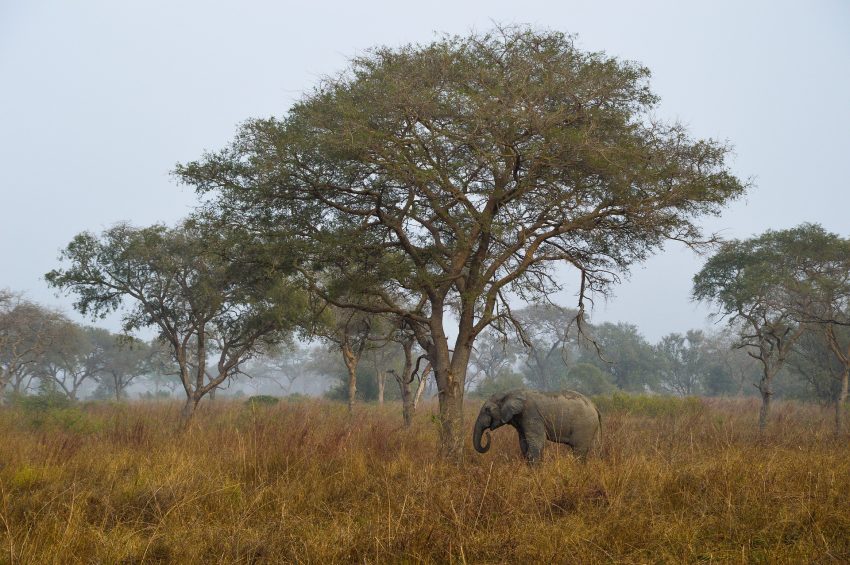
Benin is a vibrant West African country known for its warm hospitality, lively cities, and rich cultural traditions. Stretching from the Atlantic coast in the south to the savannas of the north, it offers a striking mix of landscapes and ways of life. Its location makes it an easy gateway to the region, with strong links to neighboring countries and a pace that ranges from energetic urban hubs to quiet rural communities.
The country’s coastal areas feature bustling markets, beach towns, and lagoon-lined communities, while inland you’ll find rolling countryside, wildlife reserves, and dramatic rock formations. Benin’s capital is Porto-Novo, and its largest city, Cotonou, is the economic center-famous for its commerce, street life, and colorful waterfront scenes. Whether you’re exploring city neighborhoods or traveling between regions, you’ll encounter a blend of modern influences and deeply rooted local customs.
Benin is also celebrated for its arts, music, and spiritual traditions, which shape everyday life through festivals, crafts, and community gatherings. Local cuisine highlights fresh produce, spices, and staple dishes made with maize, yams, and fish, often enjoyed with flavorful sauces. For travelers, Benin offers an experience that feels both accessible and distinctive-full of character, creativity, and a strong sense of place.
Table of Contents
History of Benin
Benin’s history spans powerful precolonial kingdoms, the Atlantic slave trade, French colonial rule, post-independence political upheaval, a Marxist-Leninist period, and a widely noted transition to multiparty democracy in the 1990s. The modern Republic of Benin (capital: Porto-Novo; economic hub: Cotonou) should be distinguished from the historic Kingdom of Benin, which was centered in what is now southern Nigeria.
Early societies and regional networks (before 1600)
The area of present-day Benin lay at the crossroads of West African forest, savanna, and coastal zones. Communities developed farming, fishing, and craft production and participated in long-distance trade linking the Niger River system, the Volta basin, and coastal markets. Over time, centralized states emerged, drawing on control of trade routes, tribute, and military organization.
The rise of Dahomey and coastal commerce (1600s–1700s)
In the south, the Kingdom of Dahomey rose to prominence with its capital at Abomey. Dahomey expanded through conquest and consolidation, building a highly structured state with a strong monarchy, a professional army, and an administrative system that helped mobilize labor and resources. Coastal towns and ports became increasingly tied to Atlantic commerce, and the region that Europeans called the “Slave Coast” became a major zone of interaction—often violent and coercive—between African states, local brokers, and European traders.
The Atlantic slave trade and state power (1700s–mid-1800s)
Dahomey’s power and wealth became closely entangled with the Atlantic slave trade. Warfare, raids, and political rivalries across the region fed captives into coastal markets, including the port of Ouidah, one of the best-known embarkation points. Dahomey’s rulers used revenues and imported goods to strengthen the state and military, while the social costs were immense: depopulation in some areas, chronic insecurity, and deep disruptions to communities.
As abolitionist pressure grew in the 19th century and Atlantic slave trading was increasingly suppressed, coastal economies shifted unevenly toward “legitimate commerce,” including palm oil and other commodities. These transitions were contested and did not end coercion; forms of servitude and forced labor persisted in various ways.
French conquest and colonial Dahomey (1890s–1960)
France expanded its influence inland from the coast in the late 19th century, culminating in wars against Dahomey. After Dahomey’s defeat, the territory was incorporated into French West Africa. Colonial rule reshaped political authority, imposed new administrative boundaries, and oriented the economy toward export production and colonial needs. Infrastructure and schooling expanded in limited, uneven ways, while taxation and forced labor policies generated resistance and hardship.
A Western-educated elite and urban political life grew during the 20th century, especially after World War II, when political reforms and anticolonial movements accelerated across French Africa.
Independence and political instability (1960–1972)
Dahomey gained independence from France in 1960. The early post-independence period was marked by intense regional and factional competition, frequent changes of government, and military interventions. Political instability hindered long-term economic planning and deepened rivalries among leading figures and regional blocs.
The People’s Republic of Benin (1972–1990)
In 1972, a military coup brought Major Mathieu Kérékou to power. The state adopted Marxist-Leninist ideology, and in 1975 the country was renamed the People’s Republic of Benin—choosing a name associated with the Bight of Benin rather than the historic Dahomey kingdom alone. The government pursued nationalization and centralized planning, alongside efforts to reorganize political life under a single-party framework.
By the late 1980s, economic crisis, debt pressures, and social discontent undermined the regime’s legitimacy. Strikes and protests increased, and the state faced mounting difficulty sustaining its model.
Democratic transition and the National Conference (1990s)
In 1990, Benin held a landmark National Conference that brought together political forces and civil society to chart a peaceful transition away from one-party rule. A new constitution established multiparty democracy, and competitive elections followed. This period made Benin a notable example in the region of negotiated political reform and relatively peaceful transfers of power.
Contemporary Benin (2000s–present)
Since the 2000s, Benin has experienced both continuity and change: regular elections, evolving party coalitions, and ongoing debates about governance, judicial independence, and political openness. Economically, the country remains closely tied to regional trade—especially through the port of Cotonou—and to agriculture, with cotton long playing a major role. Cross-border commerce with Nigeria has been a persistent driver of opportunity and vulnerability, influenced by shifts in regional policy and border enforcement.
Culturally, Benin is widely recognized as a center of Vodun (Voodoo) traditions and as the historical heartland of Dahomey, whose legacy remains visible in Abomey’s royal sites, artistic traditions, and public memory. The country’s modern identity reflects layers of precolonial statecraft, Atlantic-era upheavals, colonial restructuring, and postcolonial political experimentation.
Best Time to Visit Benin
Visiting Benin in Winter (Best)
Winter (roughly December to February) is the most popular time to visit Benin because it’s the driest, most comfortable period for sightseeing and travel. Days are typically warm with lower humidity, roads are generally easier to navigate, and beach time along the coast is more pleasant. A major highlight is the Voodoo Festival in Ouidah (typically in January), one of the country’s most distinctive cultural events.
Visiting Benin in Spring
Spring (roughly March to May) gets hotter and more humid, especially inland, and conditions can feel intense during the day. It can still be a rewarding time to visit if you prefer fewer crowds and don’t mind the heat, particularly for coastal stops like Cotonou and Grand-Popo. Travel is usually still manageable, though you’ll want to plan activities for mornings and late afternoons.
Visiting Benin in Summer
Summer (roughly June to August) is part of the main rainy season in southern Benin, bringing heavier showers and higher humidity. This can make some travel slower, with occasional road and transport disruptions, but the landscapes are greener and there are often better deals on accommodation. If you visit in this season, build flexibility into your itinerary and prioritize cities and well-connected routes.
Visiting Benin in Autumn
Autumn (roughly September to November) is a transition toward the dry season, with rainfall easing and conditions gradually becoming more comfortable. It’s a good shoulder-season option if you want improving weather without peak-season crowds. By November, travel conditions are typically much smoother, making it a solid time for cultural sites, coastal stays, and longer overland routes.
Food and Drink from Benin
Benin’s food reflects its southern coastal lagoons, central savannas, and northern Sahel-influenced zones, with meals built around hearty starches and boldly seasoned sauces. Common staples include maize, cassava, yams, rice, and beans, often prepared into dough-like swallows or porridges that are eaten with the hands. In the south, corn-based dishes are especially prominent, while in other areas yam and cassava take center stage. Across the country, meals are typically communal, with a main starch paired with a sauce or stew that provides most of the flavor and protein.
A defining feature of Beninese cooking is the range of sauces, frequently made with tomatoes, onions, peppers, leafy greens, okra, or groundnuts, and enriched with fish, meat, or smoked ingredients. Palm oil is widely used, giving many dishes a deep color and rich taste, while dried or smoked fish adds a savory backbone. Okra-based sauces create a characteristic silky texture, and peanut sauces bring a nutty sweetness that balances heat from chilies. Seasonings can be assertive, but dishes are often carefully balanced between spice, acidity, and smokiness.
Seafood is central in the coastal south, where fresh fish is grilled, fried, or simmered in spicy tomato and pepper stews, sometimes accompanied by plantains or cassava. Inland, proteins may include goat, chicken, beef, and beans, with street foods and quick meals playing an important role in daily life. Fried snacks, bean-based dishes, and grilled meats are common at markets and roadside stalls, offering affordable, filling options. Seasonal produce—such as mangoes, pineapples, oranges, and avocados—adds freshness and variety, especially in the warmer months.
Drinks in Benin range from everyday refreshments to traditional beverages served at celebrations. Locally made palm wine is widely known, and in some areas it is distilled into stronger spirits, while beers and soft drinks are also popular in towns and cities. Non-alcoholic options include ginger-based drinks, hibiscus infusions, and fruit juices, often served chilled in the heat. Whether at home, in a market, or during festivals, food and drink in Benin emphasize generosity, shared plates, and flavors that are both comforting and vibrant.