Bahrain: The Ultimate Travel Guide 2026
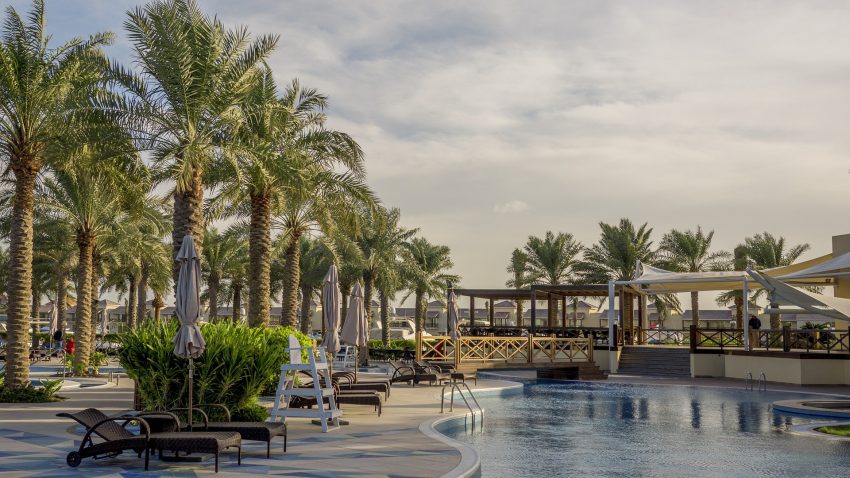
Bahrain is a small island nation in the Arabian Gulf known for blending modern city life with a relaxed coastal atmosphere. Centered around the capital, Manama, it offers a mix of sleek skylines, lively souqs, and waterfront promenades, all within easy reach thanks to the country’s compact size. Its location makes it a convenient gateway to the wider Gulf region, with strong regional connections and a welcoming, cosmopolitan feel.
Despite its scale, Bahrain has a distinct character shaped by Gulf traditions and a diverse community. Visitors and residents alike experience a culture that values hospitality, good food, and social life-whether that’s sharing coffee and sweets, exploring local markets, or enjoying evenings by the sea. Arabic is the official language, but English is widely used, especially in business, tourism, and everyday services.
Bahrain is also known for its year-round calendar of events and leisure options, from beach clubs and water sports to shopping, dining, and family-friendly attractions. The country’s warm climate suits outdoor activities for much of the year, while cooler months are ideal for exploring neighborhoods, taking day trips, and enjoying open-air festivals. Overall, Bahrain offers an easygoing introduction to Gulf life with plenty to see and do in a short distance.
Table of Contents
- History of Bahrain
- Dilmun and the Bronze Age
- From regional powers to late antiquity
- Islam and the early Islamic centuries
- The Qarmatian era and regional competition
- Medieval to early modern Bahrain
- Portuguese presence and the struggle for the Gulf
- Safavid and Persian influence; local rule
- The Al Khalifa and the rise of modern Bahrain
- Pearling peak, collapse, and early reforms
- Oil and state-building
- Independence and regional diplomacy
- Constitutional changes and the Kingdom of Bahrain
- 2011 to the present
- Best Time to Visit Bahrain
- Food and Drink from Bahrain
History of Bahrain
Bahrain’s history is shaped by its position in the Persian Gulf, its freshwater springs and pearl banks, and its role as a crossroads between Mesopotamia, Persia, Arabia, and the wider Indian Ocean.
Dilmun and the Bronze Age (c. 3000–1200 BCE)
Bahrain is widely associated with Dilmun, a major Bronze Age trading center mentioned in Mesopotamian texts. Its settlements and burial mounds point to a prosperous society linked to long-distance exchange, acting as an entrepôt between Mesopotamia and regions to the east. The island’s strategic location and resources supported commerce, administration, and a distinctive material culture that left extensive archaeological remains.
From regional powers to late antiquity (c. 1200 BCE–600 CE)
After Dilmun’s peak, Bahrain and the surrounding coastal region moved through periods of influence from larger neighboring powers and local Arab polities. The islands remained connected to Gulf trade routes, with shifting political control reflecting broader contests in the region. By late antiquity, the area was integrated into the economic and cultural networks of the Gulf, with communities engaged in maritime trade and pearl fishing.
Islam and the early Islamic centuries (7th–10th centuries)
Islam reached Bahrain in the lifetime of the Prophet Muhammad, and the region became part of the expanding Islamic state. Bahrain’s coastal and island communities participated in Gulf commerce under successive caliphates. Over time, local dynamics—tribal politics, trade, and religious currents—shaped governance and society.
The Qarmatian era and regional competition (9th–11th centuries)
Bahrain became associated with the Qarmatians, a radical movement that established a powerful polity in eastern Arabia and exerted influence across the Gulf. Their period is remembered for both political disruption and the assertion of a distinct regional power. Eventually, their dominance waned, and authority shifted again among regional rulers.
Medieval to early modern Bahrain (12th–16th centuries)
Control over Bahrain alternated among regional dynasties and local leaders, reflecting the islands’ value for trade and pearls. Maritime commerce linked Bahrain to ports across the Gulf, the Arabian Sea, and beyond. The pearling economy increasingly defined seasonal labor patterns and wealth.
Portuguese presence and the struggle for the Gulf (16th–17th centuries)
As European powers entered the Indian Ocean, the Portuguese sought to control key Gulf routes and ports. Bahrain experienced periods of Portuguese influence and conflict, tied to broader contests among local and imperial forces. Their position was eventually displaced as regional powers reasserted control.
Safavid and Persian influence; local rule (17th–18th centuries)
Bahrain was drawn into the orbit of Persian empires at various points, while local Arab groups also competed for authority. The islands’ economy continued to rely heavily on pearling and trade, with political control often reflecting the balance of power across the Gulf.
The Al Khalifa and the rise of modern Bahrain (late 18th–19th centuries)
The Al Khalifa established themselves as the ruling family in Bahrain in the late 18th century. During the 19th century, Bahrain entered into a series of agreements with Britain, which sought to secure maritime routes and suppress piracy and the slave trade in the Gulf. These arrangements increased British influence over Bahrain’s external affairs while local rulers managed internal governance. The pearling industry remained central, shaping society, wealth, and relations with neighboring Gulf communities.
Pearling peak, collapse, and early reforms (early 20th century)
In the early 20th century, Bahrain’s pearling economy reached a high point but then suffered a severe collapse due to global economic pressures and the rise of cultured pearls. The downturn intensified social and economic strains and encouraged administrative and economic reforms. Bahrain also saw early labor organization and political activism compared with many neighboring states, reflecting its urbanization and commercial character.
Oil and state-building (1930s–1960s)
Oil was discovered in Bahrain in 1932, the first such discovery in the Gulf region. Oil revenues transformed the economy and accelerated infrastructure development, education, healthcare, and the growth of government institutions. Bahrain’s society became more urban and diversified, with a growing workforce and expanding public services, even as oil reserves were more limited than those of some neighbors—encouraging diversification into services and finance.
Independence and regional diplomacy (1971–1990s)
Bahrain became independent in 1971. It pursued state consolidation, economic diversification, and close ties with Gulf neighbors and Western partners. Political life included periods of consultation and institutional experimentation, alongside tensions over representation and governance that periodically surfaced in unrest and reform initiatives.
Constitutional changes and the Kingdom of Bahrain (2000s)
In the early 2000s, Bahrain undertook political reforms, including a new constitutional framework and the declaration of the Kingdom of Bahrain in 2002. Parliamentary life resumed, and new institutions were established, though debates over political participation, civil liberties, and the balance of power continued.
2011 to the present
In 2011, Bahrain experienced major protests and political unrest amid wider regional upheaval. The period that followed featured heightened polarization, security measures, and ongoing disputes over political space and rights, alongside continued economic development efforts. Bahrain has continued to position itself as a regional hub for finance and services, while navigating the strategic pressures of Gulf geopolitics and domestic social change.
Best Time to Visit Bahrain
Visiting Bahrain in Winter (Best)
Winter (roughly December to February) is the most comfortable time to visit Bahrain, with mild temperatures and lower humidity—ideal for sightseeing, desert experiences, and outdoor dining. This is also a strong season for major events, including the Bahrain International Airshow (when scheduled) and a busy calendar of cultural activities and exhibitions.
Visiting Bahrain in Spring
Spring (roughly March to May) is warm and generally pleasant, especially in the earlier months, making it a great time for beach days and exploring markets, forts, and waterfront areas before peak heat arrives. A key highlight is the Bahrain Grand Prix (typically held in March or April), which draws international visitors and creates a lively atmosphere across the country.
Visiting Bahrain in Summer
Summer (roughly June to August) is very hot and humid, so it’s best suited for travelers who plan to focus on indoor attractions, shopping malls, museums, and evening outings. While daytime outdoor activities can be limited, summer can be a good time to find deals on hotels, and many venues run seasonal promotions and indoor entertainment.
Visiting Bahrain in Autumn
Autumn (roughly September to November) starts hot but becomes increasingly comfortable as the season progresses, especially from late October onward. It’s a good shoulder season for combining city exploration with beach time, and it often features a growing lineup of cultural events, concerts, and exhibitions as the weather improves.
Food and Drink from Bahrain
Bahraini food reflects the country’s Gulf location and its long history as a trading hub, blending Arab, Persian, Indian, and East African influences. Rice, wheat, dates, and seafood form the backbone of many meals, with fragrant spices such as saffron, cardamom, turmeric, cumin, and dried limes adding depth. Hospitality is central to dining culture, so sharing platters and serving guests generously are common, whether at home, in a traditional café, or at a family gathering.
Among Bahrain’s best-known dishes is machboos (also spelled majboos), a spiced rice dish typically cooked with chicken, lamb, or fish and often perfumed with dried lime and whole spices. Another staple is harees, made from slow-cooked wheat and meat beaten into a smooth, comforting texture, especially popular during Ramadan and festive occasions. You’ll also find balaleet—sweetened vermicelli flavored with rose water or cardamom and topped with an omelet—showing the local taste for balancing sweet and savory in the same dish.
Given Bahrain’s island setting, seafood is a highlight, from grilled hammour and kingfish to shrimp and cuttlefish prepared with bold marinades. Fish may be served simply with rice and salad, or incorporated into spiced stews and fried preparations sold at casual eateries. Traditional breads and sides—such as khubz, pickles, and fresh herbs—often accompany meals, while street snacks and small plates add variety throughout the day.
Bahrain’s drink culture is equally distinctive, with Arabic coffee (gahwa) and strong black tea appearing in homes and cafés as everyday staples. Tea is frequently served with mint, saffron, or evaporated milk, and it pairs naturally with local sweets like halwa, dates, and sesame-based treats. Refreshing options such as laban (a yogurt drink) and fruit juices are popular in the heat, while modern Bahrain also offers an international dining scene where traditional flavors sit alongside global cuisines.