Australia: The Ultimate Travel Guide 2026
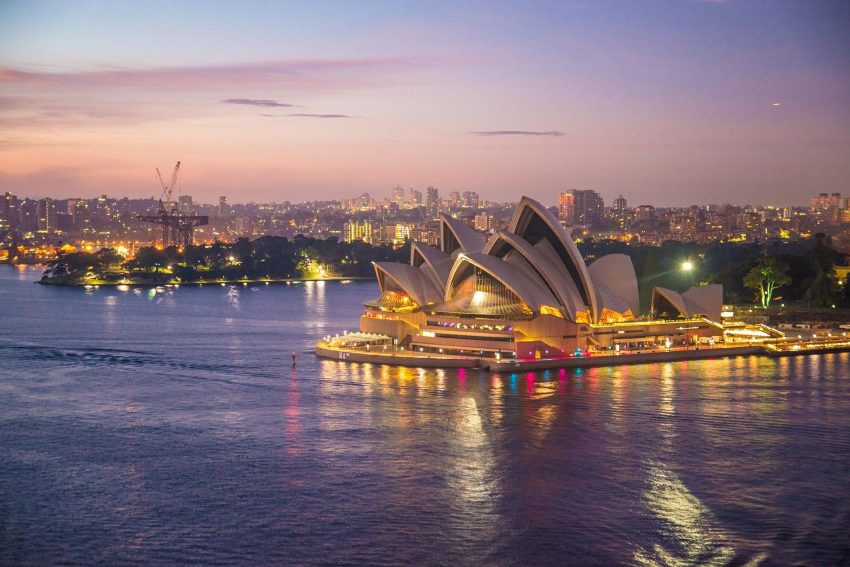
Australia is a vast island continent in the Southern Hemisphere, known for its wide-open landscapes, distinctive wildlife, and laid-back outdoor lifestyle. It combines modern, multicultural cities with some of the world’s most striking natural environments, from sunlit coastlines to rugged mountain ranges and arid desert interiors. With a strong sense of space and variety, Australia offers experiences that can feel dramatically different from one region to the next.
Most visitors begin in the major cities-Sydney, Melbourne, Brisbane, Perth, Adelaide, and Canberra-each with its own character, food scene, and cultural attractions. You’ll find world-class beaches and harbours alongside galleries, festivals, sports, and neighbourhoods shaped by communities from across the globe. Getting around is part of the adventure too, with long road trips, scenic rail routes, and quick flights connecting far-flung destinations.
Beyond the cities, Australia’s natural highlights are a major draw: the Great Barrier Reef, ancient rainforests, red desert landscapes, and dramatic coastal drives. The country’s wildlife is equally iconic, with kangaroos, koalas, wombats, and a rich variety of birdlife found in many regions. Whether you’re after relaxed beach days, hiking and camping, or food and culture, Australia is a place that rewards curiosity and time spent exploring.
Table of Contents
- History of Australia
- Australia Before European Colonisation
- Early European Encounters
- British Invasion and Penal Colonies
- Expansion, Pastoral Economy, and Frontier Conflict
- Gold Rushes and Democratic Change
- Federation and the New Commonwealth
- Depression, War, and Strategic Reorientation
- Postwar Prosperity, Immigration, and Social Transformation
- Indigenous Rights, Legal Landmarks, and Reconciliation Debates
- Contemporary Australia
- Best Time to Visit Australia
- Food and Drink from Australia
History of Australia
Australia Before European Colonisation (c. 65,000+ years ago–1600s)
For tens of thousands of years, Australia was home to Aboriginal and Torres Strait Islander peoples with hundreds of distinct language groups, sophisticated knowledge systems, and enduring cultural, spiritual, and legal traditions tied to Country/Sea Country. Societies adapted to diverse environments—from deserts and savannahs to rainforests and coasts—through land management practices (including fire regimes), trade networks, and complex ceremonial life. Long-distance exchange routes connected communities across the continent, and contact also occurred with visitors from the north, particularly through maritime interactions in the region.
Early European Encounters (1600s–1770)
From the 17th century, European ships—most notably Dutch—charted parts of the coastline, but these encounters did not immediately lead to large-scale settlement. Mapping, naming, and competing imperial ambitions gradually increased European interest in the continent, setting the stage for Britain’s later decision to establish a penal colony in the Pacific.
British Invasion and Penal Colonies (1788–1820s)
In 1788, Britain established a penal settlement at Sydney Cove, beginning a rapid and disruptive transformation. Expansion brought frontier conflict, dispossession, introduced diseases, and profound demographic and cultural impacts on Indigenous communities. Early colonial survival depended on fragile supply lines, coercive labour, and land appropriation, as the colony pushed beyond its initial boundaries.
Expansion, Pastoral Economy, and Frontier Conflict (1820s–1850s)
As pastoralism spread, new colonies were proclaimed and settlement accelerated. Squatting, land grants, and the growth of wool exports reshaped the economy, while violence on the frontier and coercive policies continued to undermine Indigenous sovereignty and livelihoods. Colonial societies also developed institutions—courts, police forces, newspapers, and representative political structures—laying foundations for self-government.
Gold Rushes and Democratic Change (1850s–1890s)
Gold discoveries triggered massive population growth, wealth creation, and social turbulence. New migrants arrived from Europe, North America, and China, transforming cities and regional towns and intensifying debates over race, labour, and political rights. The period also saw reforms including expanded male suffrage in several colonies, a stronger labour movement, and the consolidation of rail, ports, and telegraph networks that bound the colonies more tightly together.
Federation and the New Commonwealth (1901–1918)
In 1901, the colonies federated to form the Commonwealth of Australia, creating a national parliament while leaving significant powers with the states. Early nation-building included the expansion of federal institutions, defence planning, and an emphasis on a British-derived civic identity. The First World War had a deep impact through casualties, economic strain, and divisive conscription referendums that shaped politics and social cohesion.
Depression, War, and Strategic Reorientation (1919–1945)
The interwar years included social change, economic volatility, and the severe disruption of the Great Depression. During the Second World War, Australia confronted direct strategic threats in the Pacific, which accelerated industrial mobilisation and altered its security outlook. The war period also helped shift Australia’s international alignment and drove a more active role in regional and global affairs afterward.
Postwar Prosperity, Immigration, and Social Transformation (1945–1970s)
After 1945, Australia experienced sustained economic growth and a major immigration program that reshaped society, expanding from an earlier preference for European migration toward a more diverse intake over time. Suburbanisation, manufacturing growth, and the welfare state expanded, while education and living standards improved for many. Politically and culturally, the era set up major shifts in attitudes toward identity, rights, and Australia’s place in Asia and the Pacific.
Indigenous Rights, Legal Landmarks, and Reconciliation Debates (1960s–1990s)
From the 1960s onward, Indigenous activism and broader civil rights movements drove significant change. The 1967 referendum is often treated as a national turning point in public recognition, while later decades saw policy shifts and landmark legal decisions that challenged the doctrine used to justify dispossession and opened pathways for land rights and native title. These developments also intensified national debates about history, justice, and constitutional recognition.
Contemporary Australia (2000s–present)
In the 21st century, Australia has continued to evolve through population growth, multicultural consolidation, and economic transition toward services and resource exports, alongside recurring debates about inequality, housing, climate impacts, and regional security. Public discussion of national identity has remained shaped by the constitutional monarchy question, reconciliation efforts, and the ongoing impacts of colonisation. Australia’s history in this period is also marked by cycles of reform and contest over how to recognise Indigenous peoples, address past harms, and define the country’s civic future.
Best Time to Visit Australia
Visiting Australia in Summer (December–February)
Summer is ideal if you want beach time, long daylight hours, and a lively atmosphere in coastal cities like Sydney, Brisbane, and Perth. Expect hotter conditions inland and in the tropical north, with humidity and heavy rain more likely in places like Cairns and Darwin. Festival highlights: Sydney Festival (January), Australian Open in Melbourne (January), and major New Year’s celebrations in Sydney.
Visiting Australia in Autumn (March–May)
Autumn is a great choice for comfortable temperatures, fewer crowds than peak summer, and excellent conditions for city breaks and road trips. It’s also a strong season for food and wine regions, with pleasant days and cooler nights in many parts of the country. Festival highlights: Melbourne Food & Wine Festival (March) and Vivid Sydney (May–June, starting in late autumn).
Visiting Australia in Winter (June–August)
Winter works well if you prefer cooler weather, want to explore the Red Centre with milder daytime temperatures, or plan a ski trip in the Australian Alps. Northern Australia is often at its most comfortable and dry, making it a popular time for the tropics. Festival highlights: Dark Mofo in Hobart (June) and winter arts and cultural events in major cities.
Visiting Australia in Spring (September–November) (Best)
Spring is often the best all-round time to visit Australia thanks to mild temperatures, blooming landscapes, and strong conditions for sightseeing across multiple regions. It’s especially good for combining cities, coastal areas, and national parks without extreme heat or peak-season crowds. Festival highlights: Floriade in Canberra (September–October) and Melbourne Cup Carnival in Melbourne (November).
Food and Drink from Australia
Australia’s food and drink culture is shaped by its geography, Indigenous heritage, and waves of migration. Modern Australian cuisine often highlights fresh, seasonal produce—think seafood from long coastlines, lamb and beef from inland regions, and an abundance of fruit and vegetables grown across varied climates. Meals tend to be relaxed and outdoors-friendly, with barbecues, picnics, and beachside dining playing a big role in everyday life.
Indigenous Australian food traditions, often referred to as bush tucker, are an important foundation of the country’s culinary identity. Native ingredients such as wattleseed, lemon myrtle, finger lime, macadamia, and kangaroo are increasingly used in contemporary cooking, from spice rubs and sauces to desserts and cocktails. These foods reflect deep knowledge of local ecosystems and seasonal harvesting, and they are gaining wider recognition through restaurants, food festivals, and Indigenous-led food businesses.
Australia’s multicultural population has also had a major influence on what people eat. Italian, Greek, Chinese, Vietnamese, Lebanese, Indian, and many other communities have helped shape everyday staples, from espresso coffee culture and wood-fired pizza to pho, dumplings, souvlaki, and kebabs. In many cities, it’s common to find high-quality international food alongside distinctly Australian favourites like meat pies, sausage rolls, fish and chips, and the classic “snag” (sausage) at a barbecue.
When it comes to drinks, Australia is known globally for its wine, with regions such as the Barossa Valley, Margaret River, Hunter Valley, and Yarra Valley producing a wide range of styles. Beer is also popular, from long-established lagers to a thriving craft scene featuring pale ales, IPAs, and experimental brews. Non-alcoholic staples include strong café coffee, iced coffee in warmer months, and iconic supermarket items like Milo, while social life often revolves around cafés, pubs, and outdoor gatherings where food and drink are shared casually.