Aruba: The Ultimate Travel Guide 2026
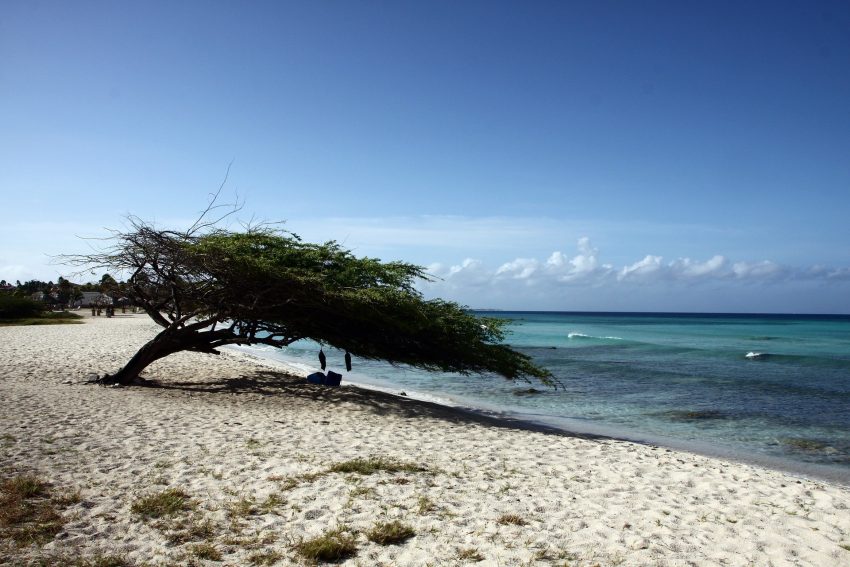
Aruba is a small, sun-soaked island in the southern Caribbean known for its clear turquoise water, steady trade winds, and warm weather year-round. Just off the coast of Venezuela, it offers a relaxed vibe paired with modern comforts, making it an easy choice for travelers who want both beach time and convenience.
The island’s coastline is a big part of its appeal: calm, swimmable waters on the west and wilder, wave-battered shores on the east. You’ll find everything from wide, sandy beaches lined with resorts to quieter coves and rugged landscapes dotted with cacti and dramatic rock formations. Beyond the shore, Aruba is great for snorkeling, diving, sailing, and wind-powered sports like kitesurfing.
Aruba also stands out for its friendly, multicultural feel and a food scene that blends Caribbean flavors with international influences. Days can be as laid-back or as active as you like-lounging by the sea, exploring natural parks, shopping and dining in town, or catching live music after sunset. It’s a destination that’s easy to enjoy at your own pace.
Table of Contents
- History of Aruba
- Before 1499: Indigenous Aruba
- 1499–1636: Spanish arrival and early colonial rule
- 1636–1800: Dutch control and a frontier economy
- 1800–1816: British interludes
- 1816–1924: Dutch colonial administration and gradual change
- 1924–1945: Oil era and World War II
- 1945–1986: Autonomy movements and constitutional change
- 1986: Status Aparte
- 1986–present: Tourism, diversification, and contemporary Aruba
- Best Time to Visit Aruba
- Food and Drink from Aruba
History of Aruba
Aruba’s history is shaped by Indigenous settlement, Spanish and Dutch imperial rivalry, centuries of colonial administration, and a modern transition toward self-government within the Kingdom of the Netherlands.
Before 1499: Indigenous Aruba
Aruba was first settled by Indigenous peoples from northern South America, commonly associated with the Caquetío (Arawak-speaking) groups. They established villages, farmed, fished, and traded across the region. Archaeological evidence points to long-term habitation, with cultural ties to the Venezuelan coast and other nearby islands.
1499–1636: Spanish arrival and early colonial rule
Europeans arrived at the end of the 15th century, and Aruba was claimed by Spain. Compared with larger colonies, Aruba had limited strategic and agricultural value for Spain, in part because of its arid climate. Indigenous inhabitants were affected by forced labor systems and displacement, including removals to work elsewhere in the Spanish Caribbean. Over time, some Indigenous communities persisted on the island, contributing to Aruba’s later cultural mix.
1636–1800: Dutch control and a frontier economy
The Dutch took Aruba in the 17th century as part of their broader struggle with Spain and their expansion in the Caribbean. Aruba became administratively linked to Dutch holdings in the region, especially Curaçao. The island’s economy developed around small-scale livestock raising, trade, and maritime activity rather than plantation agriculture. Enslaved Africans were present, though Aruba did not develop the same plantation system seen in some other Caribbean colonies; slavery nonetheless shaped society and labor relations until abolition in the 19th century.
1800–1816: British interludes
During the Napoleonic era, Britain occupied several Dutch Caribbean possessions at different moments, including Aruba. Control shifted amid European wars, but Aruba ultimately returned to Dutch administration after the postwar settlements.
1816–1924: Dutch colonial administration and gradual change
Under renewed Dutch rule, Aruba remained relatively small and economically modest. Gold was discovered in the 19th century, prompting mining activity and short-lived booms, but it did not transform the island permanently. Slavery was abolished in the Dutch empire in 1863, altering labor structures and social life. Aruba’s population grew gradually, with continued regional migration and trade links.
1924–1945: Oil era and World War II
A major turning point came with the establishment and expansion of oil refining tied to Venezuelan crude. The refinery economy brought rapid modernization, wage labor, and significant immigration from across the Caribbean, Latin America, and beyond, reshaping Aruba’s demographics and urban development (especially around Oranjestad and San Nicolas). During World War II, Aruba’s refinery output was strategically important for the Allies. The island and surrounding waters became part of the wartime theater, and Aruba experienced heightened military presence and security concerns.
1945–1986: Autonomy movements and constitutional change
After the war, political organization and labor movements strengthened. Aruba became part of the Netherlands Antilles, a Dutch Caribbean country with internal self-government. Over time, many Arubans argued that Aruba’s interests were not adequately served within the Antillean structure. This fueled a sustained movement for a separate status, culminating in negotiations with the Netherlands and the other islands.
1986: Status Aparte
On January 1, 1986, Aruba obtained “Status Aparte,” becoming a separate country within the Kingdom of the Netherlands, distinct from the Netherlands Antilles. Aruba gained its own government and greater control over internal affairs, while the Kingdom retained responsibility for matters such as defense and foreign relations.
1986–present: Tourism, diversification, and contemporary Aruba
In the late 20th century, Aruba increasingly oriented its economy toward tourism and related services, especially as the oil sector’s role fluctuated and later diminished. Tourism spurred infrastructure development and continued immigration, further diversifying the population. Aruba has worked to balance economic growth with environmental constraints typical of a small, arid island, while maintaining its constitutional position as a self-governing country within the Kingdom of the Netherlands.
Best Time to Visit Aruba
Visiting Aruba in Winter (Best)
Winter (roughly December–February) is one of the best times to visit Aruba for consistently sunny weather, low humidity, and comfortable temperatures—ideal for beach days, snorkeling, and sunset dining. It’s also peak season, so expect higher prices and the need to book flights and hotels well in advance. Festival highlight: Aruba’s Carnival season ramps up in winter (especially January–February), bringing parades, music, and major island-wide celebrations.
Visiting Aruba in Spring
Spring (roughly March–May) is a great shoulder-season option: the weather stays warm and bright, while crowds often ease after the winter peak. This is a strong time for travelers who want excellent beach conditions with a bit more breathing room and, in many cases, better value than mid-winter. Festival highlight: Carnival celebrations can extend into early March in some years, depending on the calendar.
Visiting Aruba in Summer
Summer (roughly June–August) is hot and breezy, and Aruba’s steady trade winds help keep beach time comfortable. This period can be busier with family travel, but it’s often less intense than the winter rush. It’s a solid choice for water activities like windsurfing, kitesurfing, and sailing thanks to the reliable winds. Festival highlight: Aruba’s summer calendar often includes cultural events and local celebrations, making it a fun time to experience island life beyond the resorts.
Visiting Aruba in Fall
Fall (roughly September–November) is typically a quieter time to visit, with warm weather and fewer crowds—often translating to better deals on accommodations. It’s a good season for travelers prioritizing value and a more relaxed pace, while still enjoying Aruba’s beach-friendly climate. Festival highlight: Aruba’s flagship cultural celebration, Aruba Hi-Winds (usually in September), is a major draw for wind- and water-sports fans.
Food and Drink from Aruba
Aruba’s food and drink reflect a blend of Caribbean warmth, Dutch influence, and Latin American flavors, shaped by the island’s coastal setting and multicultural history. Seafood features prominently, alongside hearty stews, grilled meats, and snackable street foods that suit the relaxed, outdoor lifestyle. Meals often balance simple, comforting preparations with bright accents like pickled onions, hot sauce, and tangy condiments, and you’ll find both casual local eateries and polished dining rooms serving island classics.
A signature staple is keshi yena, a rich, baked dish traditionally made by stuffing a hollowed wheel of Edam cheese with spiced meat, onions, peppers, and sometimes raisins or olives, then baking it until molten and savory. Another beloved comfort food is stoba, a slow-cooked stew that may feature beef, goat, or oxtail, often served with funchi (a cornmeal side similar to polenta) or pan bati, a slightly sweet, pan-cooked bread. Pastechi—flaky, crescent-shaped pastries filled with cheese, chicken, or beef—are a popular breakfast or on-the-go snack, frequently paired with a quick coffee.
Seafood is central to many menus, from simply grilled catch-of-the-day to dishes built around shrimp, snapper, or grouper, often seasoned with garlic, lime, and local spices. You’ll also see Caribbean-style sides such as rice and beans, plantains, and fresh salads, plus Dutch-influenced touches like croquettes and cheese-forward appetizers. Local hot sauces and pikliz-like pickles add heat and acidity, while desserts may lean toward coconut, caramel, and tropical fruit flavors.
Drinks in Aruba range from refreshing tropical cocktails to Dutch-inspired beers and liqueurs. Aruba Ariba is the island’s iconic cocktail, typically a fruity mix of rum and other spirits with citrus and tropical juices, designed for easy sipping in the sun. Balashi, the local beer, is widely enjoyed, and you’ll also find cocktails featuring rum, vodka, and fruit purées, along with fresh juices and smoothies made from mango, papaya, and passion fruit. For a nonalcoholic staple, chilled aloe-based drinks and bright citrus refreshments fit the island’s hot, breezy days.