Anguilla: The Ultimate Travel Guide 2026
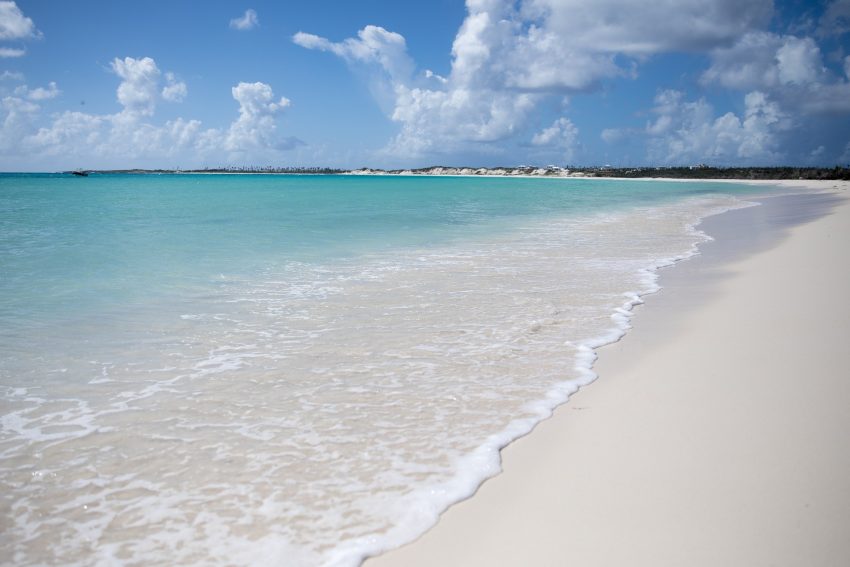
Anguilla is a small, low-lying island in the eastern Caribbean known for its calm atmosphere, bright turquoise water, and long stretches of soft white sand. With a laid-back pace and uncrowded feel, it’s a destination that appeals to travelers looking for simplicity, comfort, and a strong connection to the sea. The island’s compact size makes it easy to explore, whether you’re staying near the beach or venturing out to quieter corners.
Beaches are the main draw, from wide, postcard-perfect bays to hidden coves with clear, shallow water ideal for swimming. Offshore cays and reefs create excellent conditions for snorkeling and boat trips, while steady breezes and warm temperatures make time outdoors enjoyable year-round. Sunsets, fresh seafood, and relaxed beach bars round out the classic Anguilla experience without feeling overly busy or commercial.
Beyond the shoreline, Anguilla offers a polished but unpretentious mix of boutique resorts, villas, and local guesthouses, along with a dining scene that punches above its weight. You’ll find everything from casual beach grills to refined restaurants, often centered on just-caught fish and Caribbean flavors. Whether you’re planning a quiet escape, a romantic break, or a slow-paced family trip, Anguilla delivers an easygoing island stay with a distinctly serene vibe.
Table of Contents
- History of Anguilla
- Before European contact
- 1600s: English settlement and early colonial life
- 1700s: Slavery, conflict, and survival
- 1800s: Emancipation and economic hardship
- 1900–1960s: Administrative changes and federation attempts
- 1967–1969: The Anguilla Revolution
- 1970s–1980: Separation and a new constitutional status
- 1980s–2000s: Tourism, development, and modern governance
- 2010s–present: Resilience and contemporary challenges
- Best Time to Visit Anguilla
- Food and Drink from Anguilla
History of Anguilla
Anguilla is a small, low-lying island in the northeastern Caribbean whose history has been shaped by Indigenous settlement, European colonization, plantation slavery, regional rivalry, and a modern struggle for political self-determination.
Before European contact
Long before Europeans arrived, Anguilla was settled by Indigenous peoples moving through the Lesser Antilles. Archaeological evidence points to early communities that fished, farmed, and traded across nearby islands. Over time, Arawakan-speaking groups (often associated with the Taíno cultural sphere in the wider region) and later Carib-associated movements influenced the island’s population and material culture. By the time Europeans began to map and claim the region, Anguilla was part of a well-traveled Indigenous seascape rather than an isolated outpost.
1600s: English settlement and early colonial life
Anguilla was claimed by England in the 17th century and settled by English colonists from nearby St. Kitts in 1650. Compared with larger, more fertile islands, Anguilla’s thin soils and limited freshwater constrained large-scale plantation agriculture. Even so, colonists attempted to grow cash crops such as tobacco, cotton, and later sugar on a smaller scale, relying on enslaved African labor as the wider Caribbean plantation system expanded.
The island’s small size and limited resources meant that many residents lived in relatively modest conditions, and Anguilla was frequently exposed to external pressures—privateering, raids, and the shifting fortunes of imperial competition in the Caribbean.
1700s: Slavery, conflict, and survival
During the 18th century, Anguilla remained a minor British colony, but it was still embedded in the Atlantic economy built on slavery. Enslaved Africans and their descendants formed a substantial part of the population and performed most agricultural and domestic labor. The island also faced periodic threats from French forces during Anglo-French conflicts in the region, as well as hurricanes and droughts that could devastate crops and livelihoods.
Because Anguilla lacked the plantation wealth of islands like Barbados or Jamaica, its political and economic influence within the British Caribbean was limited, but local communities developed strong internal networks and a culture of endurance in a harsh environment.
1800s: Emancipation and economic hardship
The abolition of the transatlantic slave trade and, later, emancipation in the British Empire (1834, with full freedom after apprenticeship in 1838) transformed Anguilla’s social order. Freed people built independent lives where possible, but the island’s constrained economy offered few opportunities. Many Anguillians relied on small-scale farming, fishing, and seasonal or longer-term migration to other Caribbean islands and, later, to places like the Dominican Republic and the United States for work.
Throughout the 19th century, Anguilla experienced recurring economic difficulty, compounded by environmental stress and limited colonial investment. Migration and remittances became a crucial survival strategy and a defining feature of Anguillian life.
1900–1960s: Administrative changes and federation attempts
In the 20th century, Anguilla remained under British colonial rule, with administration often linked to nearby islands. As decolonization movements grew across the Caribbean, Britain experimented with new political arrangements. Anguilla was associated administratively with St. Kitts and Nevis, and the three islands moved toward a shared political structure.
A major regional experiment was the West Indies Federation (1958–1962), which sought to unite several British Caribbean colonies. Its collapse reinforced the trend toward separate constitutional paths and renewed debates about how small territories like Anguilla should be governed.
1967–1969: The Anguilla Revolution
In 1967, St. Kitts, Nevis, and Anguilla became an Associated State of the United Kingdom, gaining internal self-government while Britain retained responsibility for external affairs and defense. Many Anguillians opposed being governed from St. Kitts, citing neglect, distance, and political marginalization.
Tensions culminated in 1967 when Anguillians expelled the St. Kitts police presence and established their own local administration—events often referred to as the Anguilla Revolution. The crisis drew international attention. After a period of negotiations and uncertainty, British forces landed in 1969 in a largely nonviolent intervention to restore order and reestablish direct British administration while a long-term settlement was pursued.
1970s–1980: Separation and a new constitutional status
Following negotiations, Anguilla’s separation from St. Kitts and Nevis was formalized. In 1980, Anguilla became a separate British Dependent Territory (now termed a British Overseas Territory), with its own constitution and internal government. This marked a decisive shift: Anguilla would no longer be governed as part of a federation with St. Kitts and Nevis, but would instead manage its domestic affairs under a distinct relationship with the United Kingdom.
1980s–2000s: Tourism, development, and modern governance
From the late 20th century onward, Anguilla’s economy increasingly pivoted toward tourism and related services, supported by its beaches, marine environment, and a reputation for low-density, upscale hospitality. Construction, financial services, and offshore-related activity also played roles at different times, alongside continued migration and remittances.
Modern Anguilla developed its institutions of parliamentary government, with elected representatives handling most internal matters while the UK retained responsibility for defense and foreign affairs. Like many small island economies, Anguilla has had to balance development with environmental vulnerability, including exposure to hurricanes and the long-term risks of climate change.
2010s–present: Resilience and contemporary challenges
In recent years, Anguilla has faced major tests, including severe hurricane impacts and global economic shocks that affected tourism-dependent economies. Recovery efforts have highlighted both the island’s vulnerabilities and its capacity for community mobilization and rebuilding.
Today, Anguilla remains a British Overseas Territory with a distinct identity shaped by Indigenous roots, the legacies of slavery and emancipation, a long tradition of migration, and a modern political history defined by the pursuit of local control and self-determination within its constitutional framework.
Best Time to Visit Anguilla
Visiting Anguilla in Winter (Best)
Winter (December–February) is the most popular time to visit Anguilla, thanks to warm, sunny days, low humidity, and minimal rainfall. It’s ideal for beach time, snorkeling, sailing, and dining out, with a lively atmosphere and the widest range of tours and services operating at full swing. Expect higher prices and the need to book flights and accommodations well in advance, especially around Christmas and New Year.
Visiting Anguilla in Spring
Spring (March–May) is a sweet spot for many travelers: the weather stays reliably warm and bright, while crowds often ease compared with peak winter. It’s a great season for swimming, paddleboarding, and exploring multiple beaches without the busiest peak-season feel. Festival highlight: Moonsplash Music Festival (typically March) is one of Anguilla’s signature events, drawing music lovers for beachfront performances and a laid-back island vibe.
Visiting Anguilla in Summer
Summer (June–August) brings hotter temperatures and higher humidity, along with a greater chance of brief tropical showers. It can be a good value period with fewer visitors, and the sea is typically very warm—great for long swims and water sports. Festival highlight: Anguilla Summer Festival / Carnival (often late July into August) is the island’s biggest cultural celebration, featuring parades, music, dance, and local food—an excellent time to visit if you want energy and tradition.
Visiting Anguilla in Autumn
Autumn (September–November) is generally the quietest season and often offers the best deals, but it overlaps with the peak of the Atlantic hurricane season (especially September and October). Weather can still be beautiful, but flexibility is important in case of storms or short-notice schedule changes. By November, conditions typically improve, making it a calmer lead-in to the winter rush.
Food and Drink from Anguilla
Anguilla’s food and drink reflect its Caribbean setting, strong fishing culture, and a love of simple preparations that let fresh ingredients shine. Seafood is central, often served grilled, stewed, or lightly fried, and paired with bright, citrusy flavors. Meals commonly feature rice, peas, and local vegetables, with sauces and marinades that balance heat, tang, and herbs. Whether eaten at a beach shack or a more formal restaurant, the emphasis is on freshness, straightforward seasoning, and generous hospitality.
A signature dish is crayfish (spiny lobster), frequently grilled and basted with butter, garlic, and local spices, or served with rice and salad. Snapper, grouper, mahi-mahi, and conch also appear often, in dishes like fish stew, fish cakes, and conch salad dressed with lime and peppers. Johnnycakes—small, pan-fried breads—are a popular side, as are dumplings and hearty soups that make use of whatever the day’s catch brings in. Barbecue is another favorite, with chicken, ribs, or fish cooked over open flame and finished with smoky, sweet-heat sauces.
Local flavors come through in condiments and sides: pepper sauces, pickled vegetables, and tangy relishes made with citrus and herbs. You’ll also find Caribbean staples such as plantains, sweet potatoes, and callaloo-style greens, alongside salads that use crisp cucumbers and tomatoes to cut through richer dishes. Many recipes lean on thyme, scallions, garlic, and Scotch bonnet peppers, creating food that’s aromatic rather than overly heavy. Desserts tend to be simple and comforting, sometimes featuring coconut, tropical fruit, or baked puddings.
Drinks in Anguilla range from refreshing nonalcoholic options to classic island cocktails. Rum is the backbone of many mixed drinks, often combined with pineapple, mango, passion fruit, or lime, and served over ice to match the beach climate. Beer and chilled white wine are common with seafood, while fruit juices and coconut water are popular daytime staples. Whether it’s a rum punch at sunset or a fresh juice after a swim, Anguilla’s drinks are designed to be bright, cooling, and easy to enjoy.