American Samoa: The Ultimate Travel Guide 2026
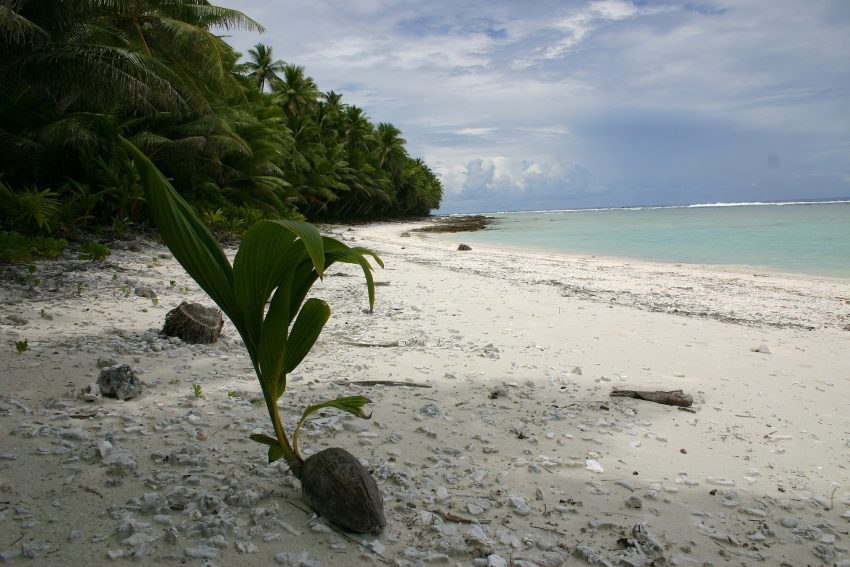
American Samoa is a U.S. territory in the South Pacific, known for its dramatic volcanic landscapes, lush rainforests, and clear tropical waters. Made up of five main islands and two coral atolls, it sits roughly halfway between Hawaiʻi and New Zealand, offering a distinctive blend of island scenery and American ties. Its capital, Pago Pago, is centered around one of the region’s most striking natural harbors.
Daily life in American Samoa is deeply shaped by Samoan culture, or fa’a Samoa, which emphasizes family, community, respect, and tradition. The Samoan language is widely spoken alongside English, and many villages maintain strong communal customs that influence everything from celebrations to local decision-making. Visitors often notice the warmth of local hospitality as well as the importance placed on etiquette and shared responsibility.
Nature is a major draw, with opportunities for hiking, snorkeling, and exploring protected areas like the National Park of American Samoa. Coral reefs, sea turtles, and tropical fish thrive in the surrounding waters, while inland trails lead to panoramic viewpoints and dense greenery. Whether you’re interested in outdoor adventure or cultural experiences, American Samoa offers a quieter, less commercialized Pacific island destination.
Table of Contents
- History of American Samoa
- The History of American Samoa
- Before European Contact: Ancient Settlement and Fa‘a Samoa
- Early Encounters and Missionary Era
- Rivalries, Civil Conflict, and Foreign Competition
- Partition of the Samoan Islands and U.S. Naval Rule
- World War II and Strategic Importance
- Postwar Transition to Civil Administration
- Building Modern Territorial Government
- Contemporary American Samoa
- Enduring Themes
- Best Time to Visit American Samoa
- Food and Drink from American Samoa
History of American Samoa
The History of American Samoa
Before European Contact: Ancient Settlement and Fa‘a Samoa
American Samoa’s history begins with the wider story of Polynesian migration across the Pacific. Samoans settled the islands more than two millennia ago, developing a society organized around extended families (aiga), chiefly titles (matai), and village life governed by customary law and protocol known as Fa‘a Samoa (“the Samoan way”). Land was held communally under chiefly stewardship, and social life centered on kinship obligations, oratory, and ceremonial exchange. These institutions remained resilient and continue to shape American Samoa’s identity today.
Early Encounters and Missionary Era (1700s–1800s)
European explorers and traders began visiting the Samoan Islands in the 18th and 19th centuries, bringing new goods, diseases, and shifting power dynamics. In the 1830s, Christian missionaries—especially from the London Missionary Society—expanded their influence, and Christianity spread widely. Over time, churches became central community institutions, interacting with and, in many places, adapting to existing chiefly structures rather than fully replacing them.
Rivalries, Civil Conflict, and Foreign Competition (Mid–Late 1800s)
By the mid-19th century, the Samoan Islands became strategically important to foreign powers seeking coaling stations and influence in the Pacific. Internal disputes over kingship and chiefly authority intersected with the interests of Germany, Great Britain, and the United States. Foreign consuls and commercial firms backed different factions at various times, intensifying instability. The harbor at Pago Pago on Tutuila drew particular American interest as a naval station.
Partition of the Samoan Islands and U.S. Naval Rule (1899–1941)
International rivalry culminated in the partition of the Samoan Islands at the end of the 19th century. The eastern islands—Tutuila, Aunu‘u, and later the Manu‘a group—came under U.S. control, while the western islands became German Samoa (and later, after World War I, came under New Zealand administration).
Local leaders in Tutuila and Manu‘a signed deeds of cession (Tutuila in 1900; Manu‘a in 1904), placing the territory under U.S. sovereignty. For decades, American Samoa was administered by the U.S. Navy. Naval governors oversaw public works, education, health measures, and law enforcement, while also regulating land and labor. A key feature of this period was the preservation—sometimes by policy, sometimes by practical necessity—of communal land tenure and the matai system, which helped maintain cultural continuity even as governance structures changed.
World War II and Strategic Importance (1941–1945)
During World War II, American Samoa’s strategic location made it an important staging and defense area for U.S. forces in the Pacific. Military activity increased infrastructure development and brought new economic opportunities, but also accelerated social change through exposure to outside personnel, wages, and wartime logistics. The war years strengthened American Samoa’s ties to the United States and highlighted the territory’s geopolitical significance.
Postwar Transition to Civil Administration (1945–1960s)
After the war, pressure grew to shift from naval to civilian governance. In 1951, administrative authority transferred from the U.S. Navy to the U.S. Department of the Interior. This transition marked a major turning point: local institutions expanded, public administration professionalized, and political development accelerated. Over time, American Samoans gained greater participation in territorial government, including the growth of representative bodies and local courts.
Building Modern Territorial Government (1960s–1980s)
In the 1960s, American Samoa adopted a territorial constitution, formalizing governmental structures while recognizing the importance of Samoan custom in land and titles. The territory developed an elected legislature (the Fono) and expanded local governance. A major milestone came in 1977 with the first popular election of the governor, replacing the earlier system in which governors were appointed. These changes increased local political autonomy while maintaining the territory’s relationship with the United States.
Contemporary American Samoa (1990s–Present)
In recent decades, American Samoa has balanced modernization with cultural preservation. The economy has relied on a mix of government employment, remittances, and private-sector activity, with tuna processing historically playing a major role. Migration between the territory and the U.S. mainland has shaped families and communities, creating strong transnational ties.
American Samoa’s political status remains distinctive: people born in American Samoa are generally U.S. nationals (not automatically U.S. citizens at birth under current federal law), and the territory has its own local government under U.S. sovereignty. Debates over political status, economic development, and cultural protection continue, often centered on safeguarding communal land, the matai system, and Fa‘a Samoa while pursuing opportunities in education, infrastructure, and public health.
Enduring Themes
Across every era—ancient settlement, missionary transformation, imperial competition, naval administration, wartime mobilization, and modern self-government—American Samoa’s history is marked by continuity in cultural institutions alongside adaptation to global forces. The territory’s story is one of maintaining Samoan identity while navigating the realities of strategic geography and an evolving relationship with the United States.
Best Time to Visit American Samoa
Visiting American Samoa in Spring
Spring in American Samoa (March to May) is a strong shoulder-season choice if you want warm weather, lush scenery, and generally manageable humidity. Rain is still possible, but you’ll often get plenty of bright, clear stretches that are great for hiking, lagoon time, and scenic drives. It’s a good period for travelers who want a balance between greener landscapes and fewer weather disruptions than the wettest months.
Visiting American Samoa in Summer (Best)
Summer in American Samoa (June to August) is often the best time to visit for reliably pleasant conditions and peak outdoor time. Expect warm temperatures, steady trade winds, and great days for snorkeling, diving, swimming, and beach-hopping. This is also a popular travel window, so booking flights and accommodations earlier is wise if you’re aiming for specific dates or locations.
Visiting American Samoa in Fall
Fall in American Samoa (September to November) can be a good option if you prefer fewer crowds and don’t mind a higher chance of showers. Conditions are still warm and ocean activities remain appealing, but humidity can rise and rainfall may become more frequent as the wetter season approaches. If you’re flexible with your itinerary, you can still enjoy excellent days on the water and in the villages between passing rain.
Visiting American Samoa in Winter
Winter in American Samoa (December to February) is typically the wettest period, with higher humidity and a greater likelihood of heavy rain. It can still be a rewarding time to visit if you’re focused on cultural experiences, relaxed island time, and don’t need perfect beach weather every day. If festivals are a priority, this season can be especially appealing—many communities hold holiday and cultural celebrations, and events around the New Year period can be a highlight for visitors looking to experience local music, dance, and food.
Food and Drink from American Samoa
Food and drink in American Samoa reflect a blend of Polynesian tradition, island agriculture, and coastal fishing, with meals often centered on what’s fresh, local, and shared. Staples include taro (talo), breadfruit (‘ulu), green bananas, and starchy root crops like yams, alongside abundant seafood such as tuna, reef fish, and shellfish. Coconut appears in many forms—grated, pressed into cream, or used as a flavor base—while tropical fruits like papaya, mango, pineapple, and bananas add sweetness and balance to savory dishes.
A defining feature of Samoan cuisine is the umu, an earth oven where hot stones cook food slowly, imparting a smoky, tender quality. Meats and fish are wrapped in banana leaves, often paired with taro leaves and coconut cream to make palusami (also spelled palusami), a rich, silky dish that’s especially common at gatherings. Another well-known preparation is oka, a Samoan-style raw fish salad typically marinated with citrus and mixed with coconut cream, onions, and sometimes chili, creating a bright, cooling contrast to heavier umu-cooked foods.
Everyday eating can be simple and hearty: boiled taro or breadfruit served with fish, canned corned beef or turkey tails in some households, and rice or noodles influenced by broader Pacific and American connections. Sauces and seasonings tend to be straightforward—sea salt, citrus, coconut, and occasional heat—letting the main ingredients stand out. Communal feasts for celebrations, church events, and family milestones showcase the full range of dishes, with platters of roasted pork, fish, starches, and greens arranged for sharing.
Drinks in American Samoa range from fresh coconut water and fruit juices to everyday beverages like tea, coffee, and soft drinks. Koko Samoa, a traditional hot cocoa-like drink made from locally prepared cacao, is a comforting favorite, sometimes enjoyed with bread or pastries. At gatherings, you may also find refreshing blends of tropical fruit, chilled water infused with citrus, and other simple refreshments suited to the warm climate, reinforcing the island emphasis on hospitality and communal enjoyment.