Self-Guided Walking Tour of Valencia (2026)
This website uses affiliate links which earn a small commission at no additional cost to you.
Valencia is a city that rewards walking: Roman and medieval layers sit beside grand civic buildings, pocket-sized plazas, and one of Europe's most distinctive market halls. This self-guided route is designed to be simple to follow while still feeling like you've properly “met” the city-its Gothic core, its trading past, and the everyday street life that gives the centre its energy.
You'll move through the heart of Ciutat Vella in a way that makes sense geographically, linking the big-ticket sights with smaller details you might otherwise miss: carved stonework, tiled façades, hidden courtyards, and the quiet moments between major monuments. Along the way, you'll tick off the best things to see in Valencia without turning the day into a checklist.
Treat it as a flexible framework rather than a rigid schedule. Pause for coffee in a square, linger in the markets, and time your church interiors for a break from the heat. By the end, you'll have a clear mental map of central Valencia-and a strong feel for how the city's history and modern rhythm fit together.
Table of Contents
- How to Get to Valencia
- A Short History of Valencia
- Where to Stay in Valencia
- Your Self-Guided Walking Tour of Valencia
- Estacion del Norte
- Plaza de la Reina
- Iglesia y Torre de Santa Catalina
- Casa Ordeig
- Lonja de la Seda
- Mercado Central
- Iglesia de San Nicolas de Bari
- Torres de Serranos
- Jardin del Turia
- Almudin de Valencia
- Cripta Arqueologica
- Plaza de la Virgen
- Basilica de la Virgen de los Desamparados
- La Catedral
- Iglesia de San Juan del Hospital
- Iglesia de Santo Tomas y San Felipe Neri
- Museo Nacional de Ceramica
- Plaza del Ayuntamiento
- Ayuntamiento
How to Get to Valencia
By Air: Valencia Airport (VLC) is the city's main gateway and sits about 8-10 km west of the centre, making arrivals straightforward. The easiest way into town is Metrovalencia: Lines 3 and 5 run from the airport to key central stops (including links for the old town and main rail hubs), with frequent services most of the day. Taxis and ride-hails are widely available at the terminal for a direct door-to-door trip, and many visitors find this the simplest option if travelling with luggage or arriving late. For the best deals and a seamless booking experience, check out these flights to Valencia on Booking.com.
By Train: Valencia is very well connected by rail, with frequent services from Madrid and strong links across the Mediterranean corridor (including cities such as Barcelona and Alicante). Most long-distance trains arrive at either Estació del Nord (right on the edge of the historic centre) or Joaquín Sorolla station (used by many high-speed services and connected to the centre by local transport and taxis). Booking ahead is recommended during weekends, holidays, and festival periods, but for shorter regional routes you can often buy tickets close to departure. Train schedules and bookings can be found on Omio.
By Car: Driving can work well if you're combining Valencia with smaller towns, beaches, or inland villages, but it's rarely the easiest way to enter the city centre. The ring roads and main approaches are efficient, yet old-town streets are narrow, parking is limited, and traffic restrictions are common in central areas. If you arrive by car, plan to use a hotel car park or a secure public garage and then explore on foot or by metro/bus; it's typically faster and far less stressful than trying to navigate Ciutat Vella. If you are looking to rent a car in Spain I recommend having a look at Discover Cars, first, as they compare prices and review multiple car rental agencies for you.
By Bus: Long-distance coaches are usually the cheapest option and can be useful if you’re coming from smaller places without direct train links. Services generally arrive at Valencia’s main bus station, with onward connections by city bus, metro, and taxi into the centre. Journey times are longer than rail, but if you book early you can often find good-value fares, especially on popular routes. [bus]
A Short History of Valencia
Valencia in the Roman Era
Valencia’s recorded urban story begins with Rome, when the settlement was founded as a colonia and laid out with the practical grid and civic logic typical of Roman town planning. Fragments of this earliest city still surface in the historic centre, where archaeological layers reveal how streets, walls, and public buildings were repeatedly rebuilt on the same footprint. Sites such as the Cripta Arqueologica hint at how deep the timeline runs beneath today’s plazas and churches.
Valencia Through Late Antiquity
As Roman authority fractured, Valencia moved through a period of shifting control and slower urban life, with older structures repurposed and new religious buildings taking precedence. This is when the city's sacred geography begins to form in recognizable ways, setting up the long continuity of worship spaces that later culminate in major monuments like Valencia Cathedral. Even when the fabric of the city changed, the centre remained the anchor for administration, ceremony, and communal identity.
Valencia in the Islamic Period
From the early medieval centuries, Valencia developed as Balansiya under Islamic rule, becoming a more intensively irrigated, craft-driven, and commercially active city. The surrounding huerta landscape, managed through sophisticated water systems and agricultural know-how, fed the urban economy and shaped daily life for centuries. Many of the patterns of narrow streets, inward-facing courtyards, and neighbourhood organisation that you feel while walking Ciutat Vella trace back to this period, even if later buildings sit on top of earlier foundations.
Valencia After the Christian Conquest
The conquest in the 13th century reset Valencia's political and ecclesiastical hierarchy, and the city was gradually refashioned with new Christian institutions, parishes, and civic spaces. Valencia Cathedral and the Plaza de la Virgen became central symbols of this transformation, expressing authority as well as continuity, since religious sites often rose where earlier sacred spaces had stood. Defensive architecture also gained prominence, with gateways and walls marking the city's status and controlling movement in and out of the centre.
Valencia in the Age of Trade and Guild Power
By the late medieval and early modern period, Valencia emerged as a major trading city, and its architecture began to advertise commercial confidence. The Lonja de la Seda is the clearest statement of that era: a purpose-built monument to contracts, credit, and the civic pride of merchants and guilds. Nearby, practical infrastructure like the Almudin reflects the same logic-controlling supply, stabilising prices, and keeping the city fed-while churches and confraternities expanded their patronage across the old town.
Valencia in the 18th and 19th Centuries
Later centuries brought administrative reform, gradual modernisation, and a more visibly “public” city, where grand civic buildings and formal squares presented a new kind of order. The Ayuntamiento and Plaza del Ayuntamiento represent this shift toward ceremonial urban space, while the city's growth pushed beyond older limits and reshaped how people arrived, worked, and moved through Valencia. This was also a period when historic layers began to be consciously valued, setting up the preservation instincts that would matter later.
Valencia in the Early 20th Century
The early 1900s added a striking architectural chapter, visible in landmark buildings that embraced new styles and new technologies. Estación del Norte stands out as a proud gateway to the city, projecting modern confidence while still referencing local craft traditions in its decorative language. At the same time, everyday life remained rooted in the old town’s markets, culminating in the Mercado Central, which brought scale, light, and modern infrastructure to the city’s food culture without severing it from long-established routines.
Valencia from the Late 20th Century to Today
In recent decades, Valencia has balanced conservation with reinvention, protecting the walkable historic core while reshaping infrastructure and public space for contemporary life. The creation of the Jardín del Turia is one of the most defining changes in the modern era, turning what could have been a barrier into a green spine that links neighbourhoods and encourages the city's outdoor rhythm. Today, the experience of Valencia is precisely this layering: Gothic and baroque landmarks like the Basílica de la Virgen de los Desamparados alongside civic squares, markets, and renovated streets that keep the centre lived-in rather than museum-still.
Where to Stay in Valencia
To make the most of visiting Valencia and this walking tour then you consider stay overnight at the centre. If your priority is stepping straight into the historic core each morning, base yourself in Ciutat Vella (Old Town), where most of the early landmarks sit within a short, walkable loop. You'll be close to the cathedral quarter, the market area, and the main plazas, which makes it easy to start early, take a long lunch break, and then continue sightseeing without needing transport. Good options here include Caro Hotel, Vincci Palace, Vincci Mercat, and One Shot Mercat.
If you want a slightly calmer feel with broader boulevards, shopping streets, and quick access to the old town on foot, look at Eixample and the edges of the centre around Colón and the Turia gardens. This area is a strong “best of both worlds” base: you can walk into Ciutat Vella in 10-20 minutes, but you’ll also have a bigger choice of restaurants and easier taxi/metro connections for evenings out. Consider Only YOU Hotel Valencia, Hospes Palau de la Mar, NH Collection Valencia Colón, and Hotel Dimar.
For a good-value, practical base with easy arrival and departure logistics, stay around the main rail hubs and adjacent central streets (useful if you’re coming in by train and want to drop bags before walking). You’ll still be close enough to walk into the historic centre, and you’ll have fast links to metro lines that cut across the city if you decide to shortcut any legs of the day. Solid picks include Vincci Lys and, if you like the vibe of a lively neighbourhood just south of the centre, Petit Palace Ruzafa.
If you want to combine the walking tour with modern Valencia and greener, more open surroundings, consider the Alameda/Turia side or the City of Arts & Sciences zone. These areas work well if you prefer larger hotels, easier parking access, and quick taxi or bus hops into the old town, while still having a scenic walk along the gardens as part of your day. Options that fit this style include SH Valencia Palace, Barceló Valencia, and for a car-friendly base slightly outside the tightest centre, Hotel Malcom and Barret.
If your ideal Valencia trip includes beach time before or after your walking day, base yourself by the sea and treat the historic centre as a day trip (it's straightforward by taxi and public transport, but you won't be stepping out directly into the old town). This is best if you're staying at least two nights and want a slower pace: one day for the walking tour, another for the waterfront and the marina. Strong beachfront choices include Hotel Las Arenas Balneario Resort and Hotel Neptuno.
Your Self-Guided Walking Tour of Valencia
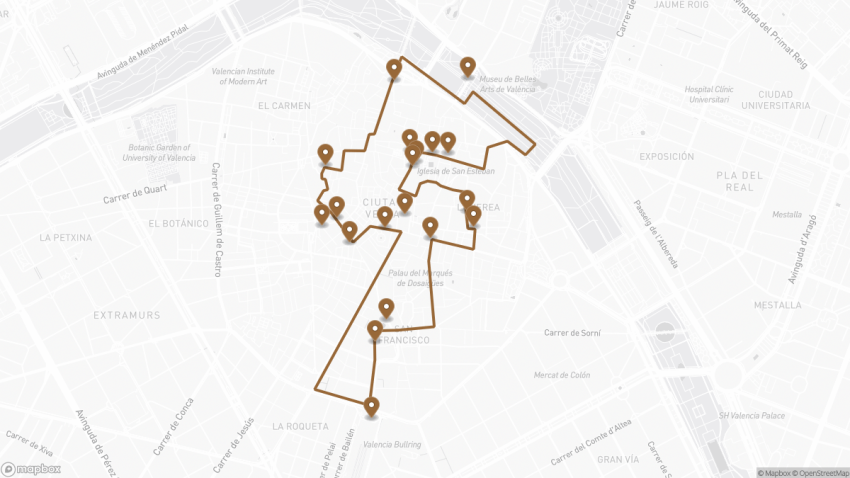
Discover Valencia on foot with our self-guided walking tour map, leading you from stop to stop as you explore the city's landmarks, lanes, and lively plazas at your own pace. Because it's self-guided, you're in full control: skip anything that doesn't interest you, linger longer where you want, and build in coffee breaks whenever the mood strikes.
1. Estacion del Norte
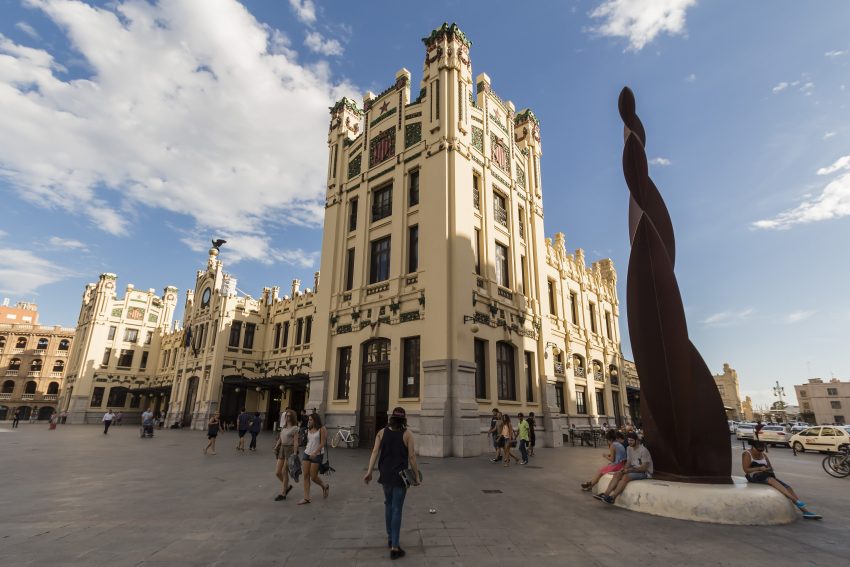
Valencia’s North Station belongs to the age when rail travel reshaped cities and stations became civic gateways. It reflects the optimism and modern identity of the early 20th century, when infrastructure was also an opportunity for architectural style and urban pride.
What to see is the façade and decorative program, which often celebrates regional identity through patterns, motifs, and craftsmanship. Stations like this were designed to impress arrivals, signalling that Valencia was modern, connected, and confident.
Spend time both outside and inside. The best moments are where practical spaces—ticket halls, entrances, waiting areas—are elevated by ornament and proportion, turning routine travel into an architectural experience.
Location: València, Valencia, Spain | Hours: Monday – Saturday: 03:45–23:55. Sunday: 06:00–23:55. | Price: Free. | Website

2. Plaza de la Reina
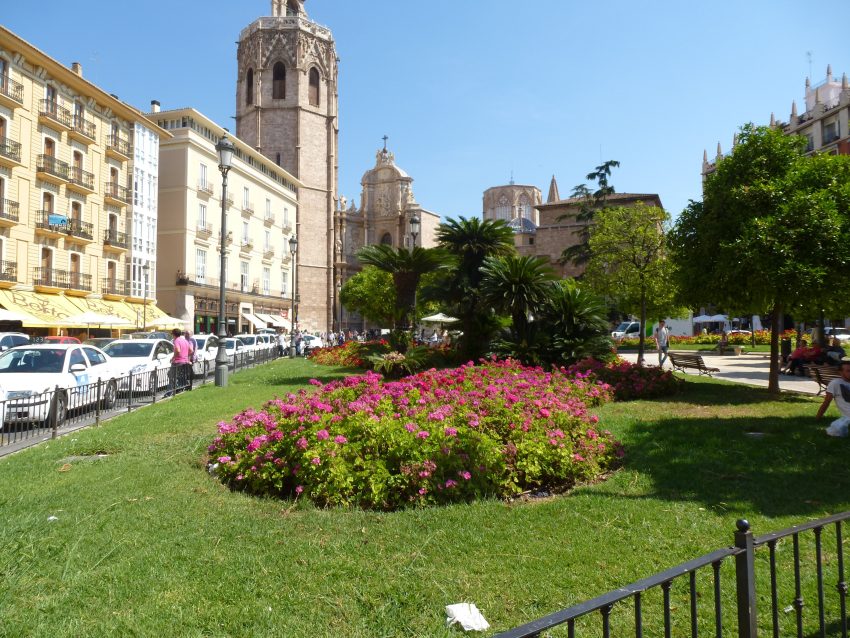
This square has long functioned as a hinge between Valencia’s cathedral quarter and the surrounding historic streets. Its modern form reflects repeated redesigns, but its role is old: a civic open space shaped by the constant movement of commerce, worship, and daily city life.
What to see is less a single monument and more the “urban theatre” of the place. The cathedral and Miguelete dominate the edges, while terraces and wide pedestrian areas make it one of the most natural places to pause and read the city’s rhythms.
Use it as a viewpoint and a connector: step back for cathedral photos, then slip into the lanes that radiate outward to find quieter corners, traditional shops, and small façades that reward close attention.
Location: Plaza de la Reina, Ciutat Vella, València, Spain | Hours: 24 Hours. | Price: Free.
3. Iglesia y Torre de Santa Catalina

Santa Catalina is one of Valencia’s emblematic parish churches, closely associated with the post-conquest Christian city and later Baroque taste. The church has medieval roots, but much of its current visual punch comes from later rebuilding and stylistic updates.
The star attraction is the tower, a Baroque landmark that anchors the surrounding streetscape and serves as a visual compass when you’re navigating the old centre. Its sculptural profile feels almost theatrical compared with the tighter, older fabric around it.
Spend time outside first: the tower’s details read best from a little distance, especially where the street opens. Then go inside for a quieter, more intimate scale than the cathedral, with decorative elements that reflect centuries of parish life.
Location: Pl. de Santa Caterina, 8, Ciutat Vella, 46001 València, Valencia, Spain | Hours: Daily: 10:00–13:00 & 19:00–20:00. | Price: Church: free; Tower: €2 per adult.
4. Casa Ordeig
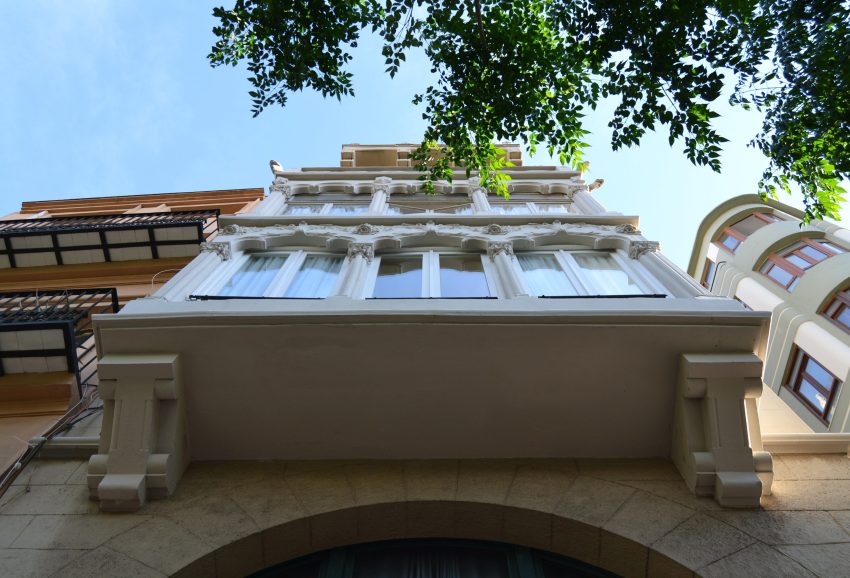
Casa Ordeig represents the bourgeois Valencia of the late 19th and early 20th centuries, when the city’s merchants and professionals expressed status through refined urban houses and ornate street façades. These buildings track the shift from medieval lanes to a more “modern” city with new tastes and materials.
What you mainly see is the exterior: decorative ironwork, carved stone, elegant balconies, and the careful symmetry typical of prosperous urban architecture. Even without entering, it offers a quick lesson in how Valencia’s historic centre kept evolving long after the medieval period.
Treat it as a detail stop rather than a long visit. Look upward, compare the façade to its neighbours, and notice how these domestic monuments quietly compete with the grand churches nearby.
Location: Carrer dels Ramellets, 1, Ciutat Vella, 46001 València, Valencia, Spain | Hours: 24 Hours. | Price: Free.
5. Lonja de la Seda

The Silk Exchange is Valencia’s great monument to late-medieval prosperity, built when the city was a major Mediterranean trading power. Its very existence is a statement: commerce here was important enough to deserve architecture as ambitious as any church.
Inside, the famous hall is defined by twisting columns and a lofty, disciplined Gothic space that feels simultaneously elegant and muscular. The building was designed to impress, conveying trust, order, and wealth to merchants doing business under its roof.
What to see is the stonework up close and the overall geometry from a few key vantage points. Move slowly, look at how the light lands on the columns, and don’t skip the exterior details, which reinforce the building’s civic pride and mercantile identity.
Location: C/ de la Llotja, 2, Ciutat Vella, 46001 València, Valencia, Spain | Hours: Monday – Saturday: 10:00–19:00. Sunday: 10:00–14:00. | Price: Adults: €2; Reduced: €1; Sundays & public holidays: free. | Website
6. Mercado Central
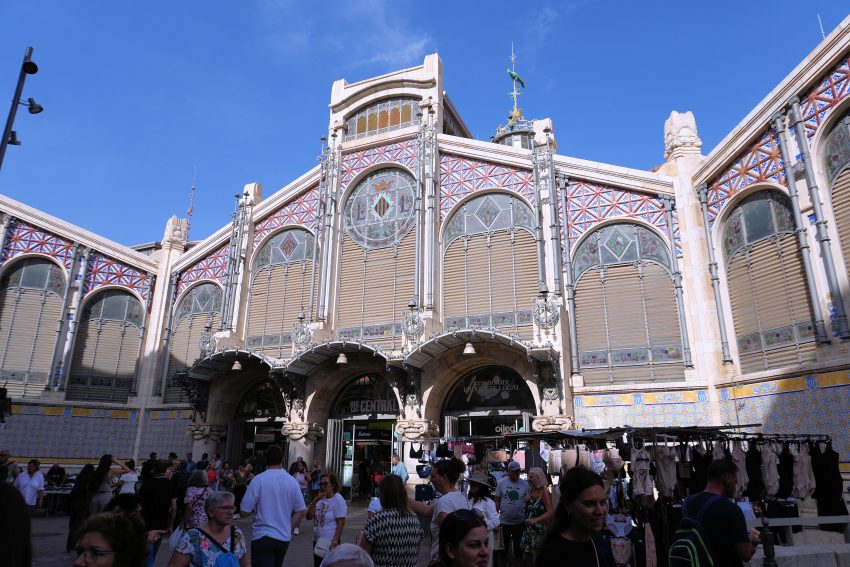
Valencia’s Central Market is a symbol of the city’s commercial tradition, updated into a monumental civic building when markets across Europe were being formalized into grand halls. It sits in the historic core, continuing a centuries-old pattern of trade and daily provisioning.
Architecturally, it’s a standout: iron structure, expansive interior space, and decorative flourishes that elevate a practical building into something celebratory. The light, the color, and the sense of scale make it more than “just” a place to buy produce.
What to see is the combination of architecture and daily life. Walk the perimeter to read the building’s curves and entrances, then step inside for the sensory experience: stalls, local products, and the constant movement that gives the market its real character.
Location: C/ de Palafox, 13, Ciutat Vella, 46001 València, Valencia, Spain | Hours: Monday – Saturday: 07:30–15:00. Sunday: Closed. Closed on public holidays. | Price: Free. | Website
7. Iglesia de San Nicolas de Bari
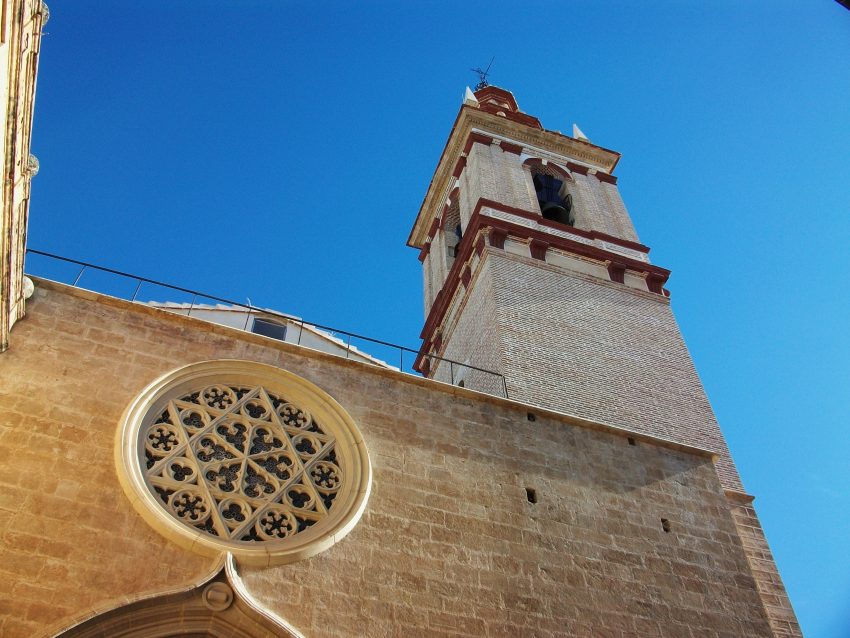
San Nicolás has medieval foundations, but it’s most famous for its later decorative transformation, reflecting Valencia’s taste for dramatic interior art in the early modern period. Like many city churches, it embodies a long cycle of rebuilding, embellishment, and renewed devotion.
The interior is the main event: richly painted and visually immersive, it can feel like stepping into a single, continuous artwork. The contrast between a relatively restrained exterior and an exuberant interior is part of the appeal.
What to see is the ceiling and upper walls in particular, where the scale of the decoration becomes clear. Take time to let your eyes adjust and then follow the imagery along the nave, noticing how art and architecture work together to shape the experience.
Location: C/ dels Cavallers, 35, Ciutat Vella, 46001 València, Valencia, Spain | Hours: Monday: Closed. Tuesday – Friday: 10:30–19:00. Saturday: 10:00–19:00. Sunday: 13:00–20:00. | Price: Adults: €15; Reduced: €10; Under 12: free. | Website
8. Torres de Serranos
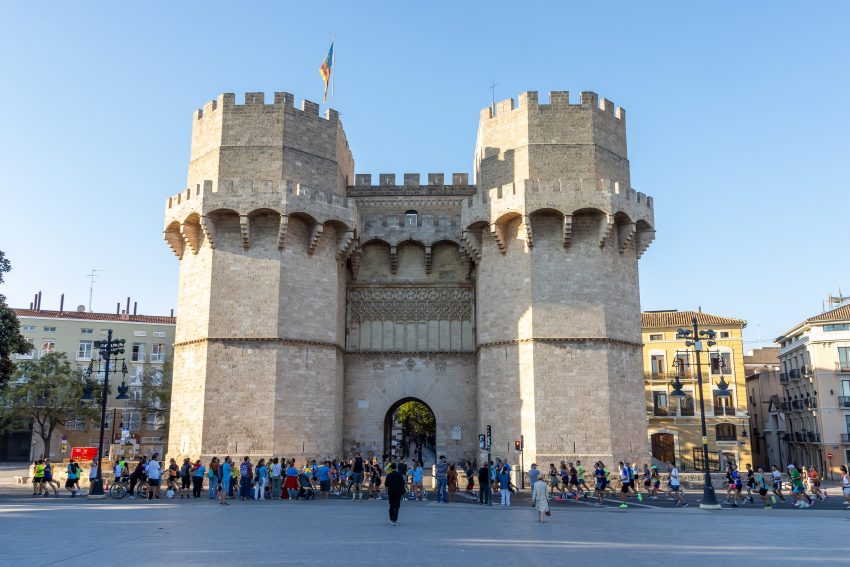
These towers are a surviving fragment of Valencia’s medieval defensive system, built to protect and impress at one of the city’s key gates. They embody the logic of a walled city: control of entry, display of strength, and a clear boundary between urban life and the world outside.
Their scale and form make the military purpose easy to read even today. Thick masonry, crenellations, and the gateway configuration speak to a period when cities needed serious fortification, not just symbolic walls.
What to see is the structure from multiple angles, then, if accessible, the elevated views that reconnect you with the old perimeter of the city. The towers are also photogenic at different times of day, when shadows deepen the relief of the stonework.
Location: C. de la Blanqueria, 1, Ciutat Vella, 46003 València, Valencia, Spain | Hours: Monday – Saturday: 10:00–19:00. Sunday: 10:00–14:00. | Price: Adults: €2; Reduced: €1; Sundays & public holidays: free; Free with València Tourist Card. | Website
9. Jardin del Turia

The Turia Gardens are one of Valencia’s most significant modern transformations: an old river corridor repurposed into a long urban park after the city rethought how it should live with water and risk. The result is a linear green space that stitches neighbourhoods together.
What to see is the variety across the park’s length: gardens, sports areas, paths, bridges, and pockets of different atmosphere. It’s not a single “spot” so much as a sequence of environments that reveals how Valencia plans leisure and public space.
Use it both as a place to slow down and as a way to understand the city’s scale. Crossing under bridges and moving between sections makes the engineering and urban design story tangible, while the greenery offers relief from the dense historic centre.
Location: 46003 València, Valencia, Spain | Hours: 24 Hours. | Price: Free.
10. Almudin de Valencia
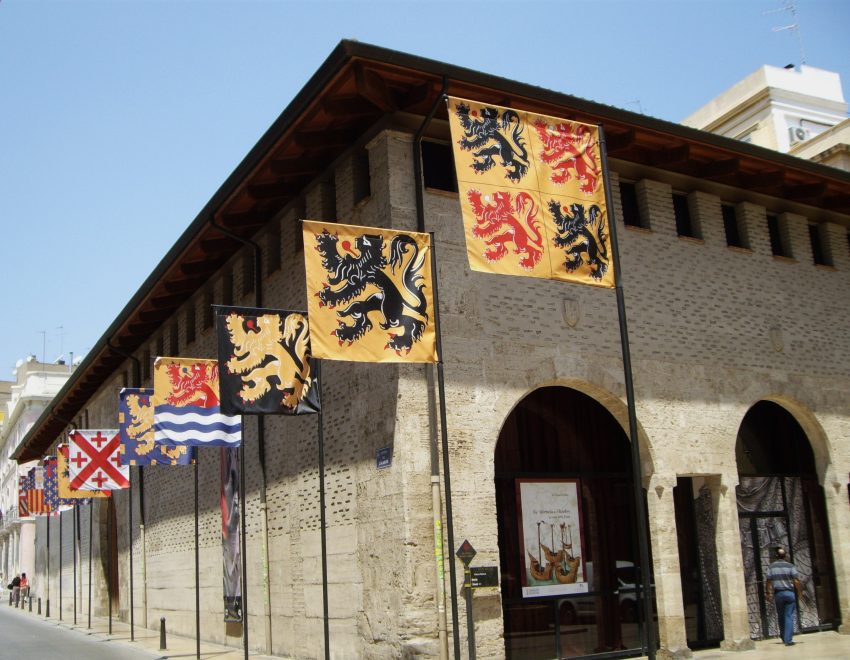
The Almudín is tied to Valencia’s historic grain supply, representing the civic systems that kept a major city fed and stable. Buildings like this were part infrastructure, part administration, and part statement about municipal responsibility.
What to see is the robust, utilitarian character: a place designed for storage and control rather than display, yet still shaped by civic pride. Its architecture communicates security and permanence, reflecting how essential grain management was to urban life.
Look for traces of how the building was used and organized, and notice its relationship to nearby institutional sites. It’s a reminder that the city’s history is not only religious and artistic, but also logistical and economic.
Location: Plaça de Sant Lluís Bertran, 2, Ciutat Vella, 46003 València, Valencia, Spain | Hours: Monday: Closed. Tuesday – Saturday: 10:00–14:00 & 15:00–19:00. Sunday: 10:00–14:00. | Price: Free. | Website
11. Cripta Arqueologica
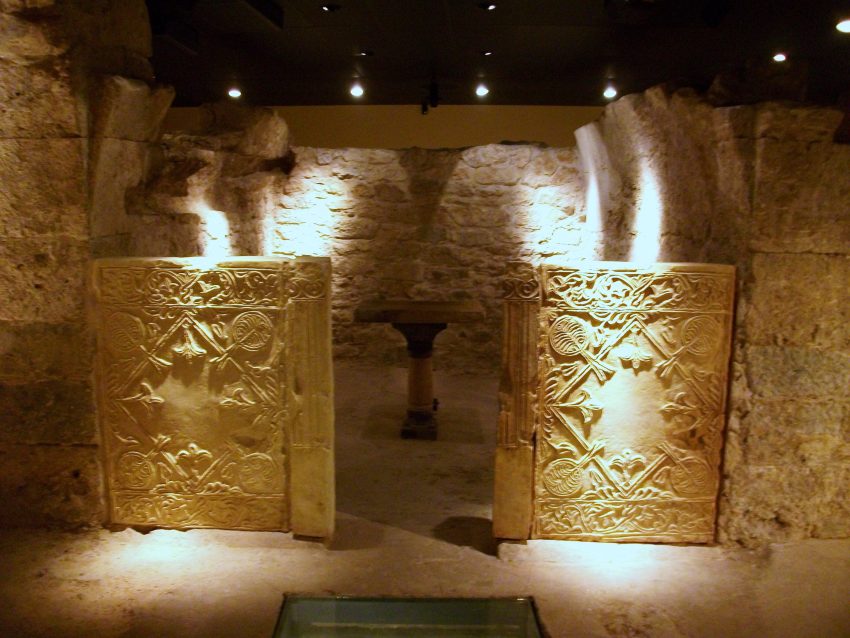
An archaeological crypt in Valencia typically marks the city’s deep stratigraphy: Roman foundations, later Islamic phases, and the Christian city that followed. These spaces exist because Valencia was continuously inhabited and rebuilt, with new structures rising directly on older ones.
What you see is the “underlayer” of the city: masonry remains, fragments of walls, and interpretive elements that help you place the finds in time. It’s not grand in the way a cathedral is, but it can be more vivid in showing how history literally sits beneath modern streets.
Go slowly and read the context. The most rewarding part is connecting what’s below ground with what you’ve just seen above it, turning the surrounding squares and churches into a legible historical map.
Location: Plaça de l´Arquebisbe, 3, Ciutat Vella, 46003 València, Valencia, Spain | Hours: Monday: 10:00–14:00 & 15:00–19:00. Tuesday – Saturday: 10:00–14:00 & 15:00–19:00. Sunday: 10:00–14:00. Closed on Monday. | Price: Adults: €2; Reduced: €1; Sundays & public holidays: free. | Website
12. Plaza de la Virgen

This is one of Valencia’s most historic and emotionally resonant squares, tied to the city’s oldest sacred and civic core. Over centuries it has been shaped by ceremonies, public gatherings, and the daily life of the surrounding institutions.
What to see is the concentration of landmarks around it and the way the space frames them. It’s a place where the city’s “big narratives” are visible at once: religion, government, and tradition converging in a single, walkable scene.
Spend time sitting and watching. The square is as much about perspective as it is about individual sites: look at how façades align, how people circulate, and how the space functions as a natural meeting point.
Location: Plaça de la Mare de Déu, Ciutat Vella, València, Valencia, Spain | Hours: 24 Hours. | Price: Free.
13. Basilica de la Virgen de los Desamparados

This basilica is central to Valencia’s devotional identity, dedicated to the city’s beloved patron figure and bound up with local ritual, processions, and collective memory. Its history reflects how religious spaces can become civic symbols, not only places of worship.
What to see is the overall sense of intimacy and focus: a building designed to draw attention toward the sacred image and the acts of devotion that surround it. The basilica’s presence near other major monuments reinforces how tightly religion and public life have been intertwined here.
Take time to observe how people use the space, not just how it looks. In sites like this, atmosphere is part of the heritage: the flow of visitors, the rhythm of prayer, and the way art supports living tradition.
Location: Plaça de la Mare de Déu, 6, Ciutat Vella, 46001 València, Valencia, Spain | Hours: Monday – Sunday: 07:30–14:00 & 16:30–21:00. | Price: Free; donations appreciated. | Website
14. La Catedral
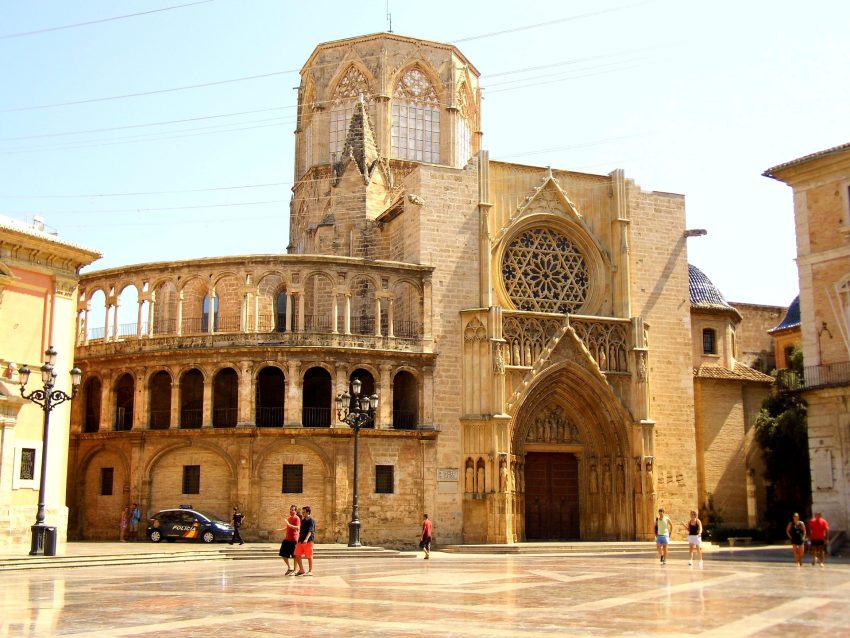
Valencia’s cathedral layers Roman, Islamic, and medieval Christian history on a single site, reflecting the city’s changing rulers and ambitions. Much of what you see today grew from the 13th century onward, with later Gothic, Renaissance, Baroque, and Neoclassical additions that make the building feel like a living timeline.
Inside, look for the contrast between soaring stonework and richly ornamented chapels, then linger where light falls hardest on the vaulting and carved details. The cathedral is also closely tied to the city’s religious identity, and many local traditions still orbit it.
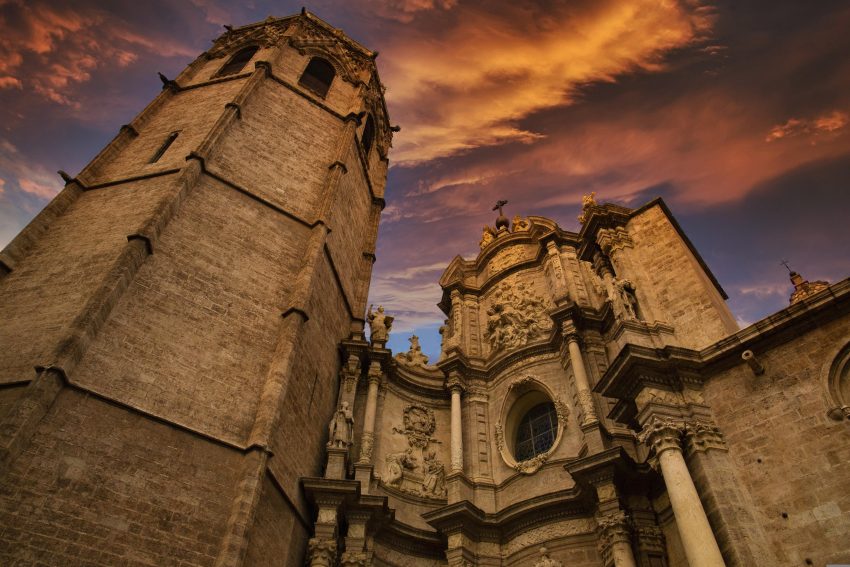
The bell tower, the Miguelete, is the unmissable “see” here: climbing up gives you a clear read of Valencia’s old city plan and the wider skyline. If you have limited time, prioritize the tower views and a slow circuit of the main chapels.
Location: Pl. de l'Almoina, s/n, Ciutat Vella, 46003 València, Valencia, Spain | Hours: Monday – Friday: 10:30–18:30. Saturday: 10:30–17:30. Sunday: 14:00–17:30. | Price: Adults: €9; Reduced: €6; Under 8: free. El Miguelete tower: €2.50 (reduced €1.50). | Website
15. Iglesia de San Juan del Hospital

This church is associated with medieval charitable and hospital traditions, part of the broader European world of religious orders caring for travellers and the sick. Its roots connect to a formative period after the Christian reconquest, when new institutions reshaped the city’s social landscape.
What to see includes the atmosphere of an older, more compact sacred space, often with architectural elements that feel distinctly medieval compared with later Baroque interiors elsewhere in Valencia. Sites like this tend to carry a quieter gravity, tied to service as much as ceremony.
Take time to note the layout and any surviving historic features that signal its early origins. It’s a valuable counterpoint to larger monuments: less about grandeur, more about continuity and community care.
Location: C. del Trinquet de Cavallers, 5, Ciutat Vella, 46003 València, Valencia, Spain | Hours: Monday – Friday: 06:45–07:45 & 09:30–13:30 & 17:00–21:00. Saturday: 09:30–13:30 & 17:00–21:00. Sunday: 11:00–14:00 & 17:00–21:00. | Price: Free; donations appreciated. | Website
16. Iglesia de Santo Tomas y San Felipe Neri
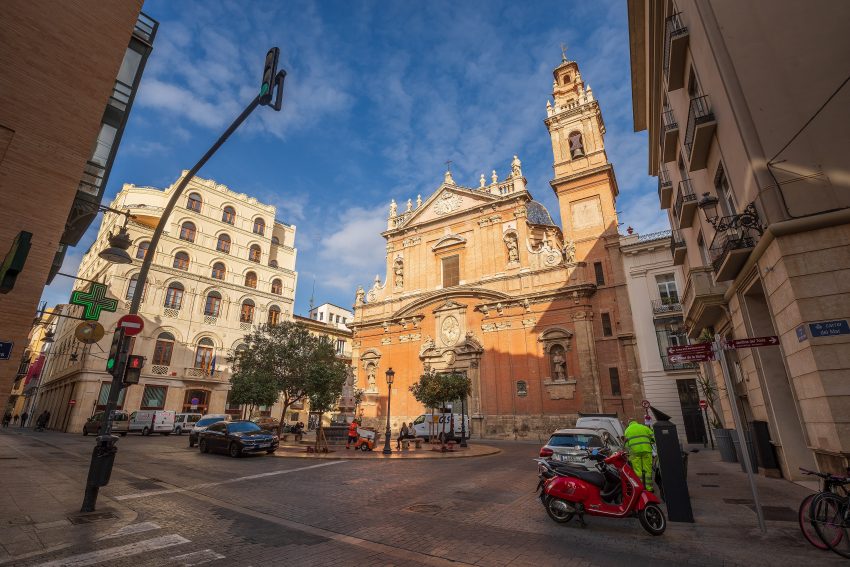
This church reflects the Catholic renewal and devotional life of early modern Valencia, when religious art and architecture were used to move emotions, teach doctrine, and reinforce community identity. Its history is bound up with patronage, evolving liturgical tastes, and the city’s artistic networks.
What to see is the interior richness, typically expressed through altarpieces, imagery, and carefully staged sightlines toward the main altar. Even if the exterior reads as modest in a dense street, the inside often emphasizes drama and ornament.
Look for how decoration guides your attention, and notice the interplay of sculpture, painting, and gilded elements. The experience is as much about designed feeling as it is about historical facts.
Location: Plaza de San Vicente Ferrer, s/n, Ciutat Vella, 46003 València, Valencia, Spain | Hours: Monday – Friday: 08:30–13:00 & 18:30–20:30. Saturday: 08:30–11:00 & 18:30–20:30. Sunday: 09:30–13:00 & 18:30–20:30. | Price: Free; donations appreciated.
17. Museo Nacional de Ceramica
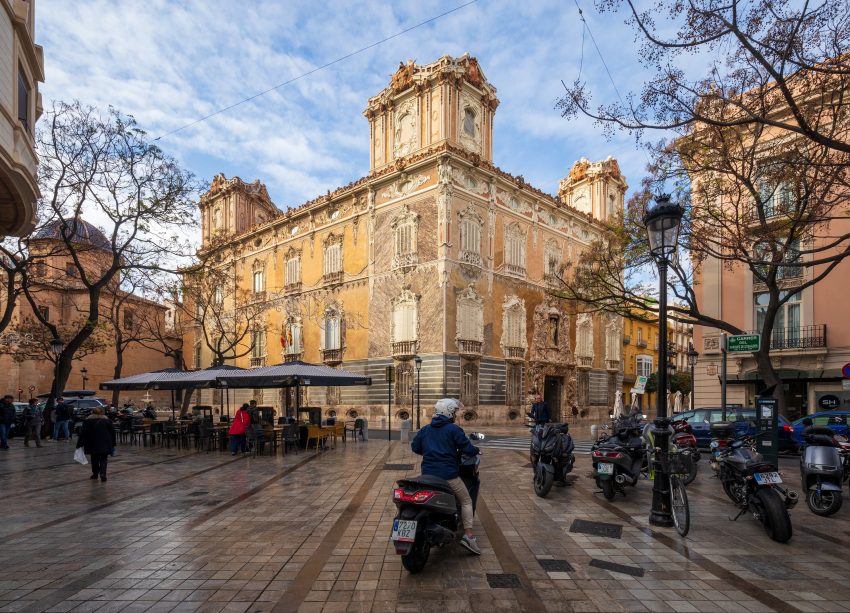
This museum is closely tied to Valencia’s long-standing ceramic traditions and the wider decorative arts culture of Spain. It is also an architectural attraction in its own right, often associated with a grand historic palace setting that communicates elite taste and patronage.
What to see is both the building and the collections. Decorative arts museums are strongest when you treat them as a story of materials and technique: how clay, glaze, and design vocabulary evolve with trade, fashion, and technology.
Prioritize standout rooms and signature pieces, then take a slower pass through sections that show everyday objects—tiles, vessels, and furnishings—because they often reveal the most about how people actually lived.
Location: C. del Poeta Querol, 2, Ciutat Vella, 46002 València, Valencia, Spain | Hours: Tuesday – Saturday: 10:00–14:00 & 16:00–20:00. Sunday: 10:00–14:00. Closed on Monday. | Price: General: €3; Reduced: €1.50; Free admission: Saturday from 16:00 & Sunday. | Website
18. Plaza del Ayuntamiento

This square is Valencia’s main civic stage, shaped by modern urban planning and public life. It has hosted gatherings, celebrations, and political moments, functioning as the city’s most visible “common room.”
What to see is the ensemble effect: the surrounding façades, the open space, and the choreography of movement across it. Unlike older medieval plazas, it often feels broader and more formally organized, reflecting later ideas about city design.
Visit at different times if you can. The square changes character dramatically between quiet daylight and busier periods, and the shifting light helps reveal the architectural relief of the buildings framing it.
Location: Pl. de l'Ajuntament, Ciutat Vella, 46002 València, Valencia, Spain | Hours: 24 Hours. | Price: Free.
19. Ayuntamiento

Valencia’s city hall is a statement of municipal authority, shaped by the growth of modern civic administration. Its presence reflects the period when cities increasingly expressed their identity through monumental public buildings, not only churches and palaces.
What to see is the building as a symbol: formal façades, ceremonial spaces, and the way it anchors the surrounding urban scene. Civic architecture tends to be about legibility and order—an image of governance made stone.
If access is possible, interior rooms can reveal another layer, often more decorative than you’d expect. Even from outside, the building rewards a careful look at composition, symmetry, and the details used to project dignity.
Location: Pl. de l'Ajuntament, 1, Ciutat Vella, 46002 València, Valencia, Spain | Hours: Monday – Friday: 08:30–14:00. Closed on Saturday, Sunday. | Price: Free. | Website

Moira & Andy
Hey! We're Moira & Andy. From hiking the Camino to trips around Europe in Bert our campervan — we've been traveling together since retirement in 2020!
This website uses affiliate links which earn a small commission at no additional cost to you.
Walking Tour Summary
Distance: 5 km
Sites: 19
Walking Tour Map