Self-Guided Walking Tour of Matera (2026)
This website uses affiliate links which earn a small commission at no additional cost to you.
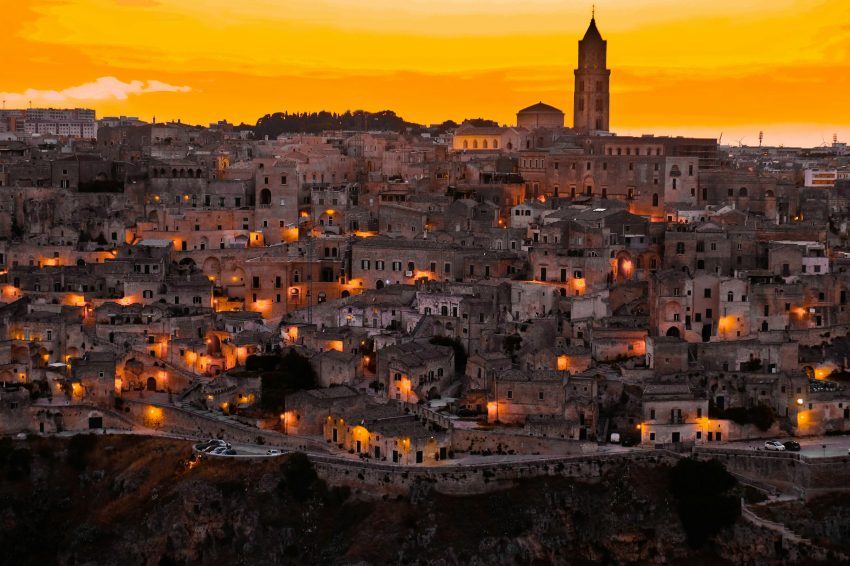
Matera is a city best understood on foot: a steep, honey-coloured maze of stairways, rock-cut dwellings, terraces, and little lanes that open suddenly onto huge views. This self-guided walking tour is designed to help you move through the Sassi in a sensible loop, so you can take in the layers of history without constantly doubling back or missing the best viewpoints.
Along the way you'll pass cave homes carved into the limestone, rupestrian churches, old cisterns and courtyards, and the dramatic edges where the city drops into the ravine. It's one of the best things to see in Matera because the route strings together the landmark panoramas with the quieter corners that give the Sassi its lived-in character.
Because it's self-guided, you can shape the pace to suit you: pause for photos when the light hits the stone, duck into a museum or rock church if it's open, and stop for coffee when you find a terrace you don't want to leave. Expect plenty of steps and changing levels, but also a steady run of rewarding views and small details that make Matera feel like a place you discover rather than simply visit.
Table of Contents
- How to Get to Matera
- A Short History of Matera
- Prehistory and Rock-Cut Beginnings in Matera
- Medieval Matera and the Rise of the Civic and Sacred City
- Early Modern Matera, Nobility, and Changing Fortunes
- Matera’s Water, Markets, and Everyday Life in the Sassi
- Twentieth-Century Matera, Evacuation, and Rethinking the Sassi
- Contemporary Matera, Restoration, and Cultural Renewal
- Where to Stay in Matera
- Your Self-Guided Walking Tour of Matera
- Piazza Vittorio Veneto
- Palombaro Lungo
- Palazzo dell'Annunziata
- Chiesa di San Giovanni Battista
- Cattedrale di Matera
- Casa Noha
- Piazza San Pietro Caveoso
- Chiesa dei Santi Pietro e Paolo
- Casa Grotta di Vico Solitario
- Museo di Palazzo Lanfranchi
- Belvedere Piazzetta Pascoli
- Via Ridola
- Castello Tramontano
- Chiesa di San Francesco d'Assisi
How to Get to Matera
By Air: Matera doesn't have its own airport, so you'll typically fly into Bari and continue overland, with Brindisi and Naples also workable depending on schedules and prices. From Bari Airport you can usually reach Matera by shuttle bus, private transfer, or by heading into Bari Centrale first and switching to a regional service; the total journey is commonly around 1-2 hours depending on the connection and where you're staying in Matera. If you're arriving with luggage, note that the historic Sassi area is partly pedestrianised and steep, so plan for a short walk or a taxi drop-off point near your accommodation. For the best deals and a seamless booking experience, check out these flights to Matera on Booking.com.
By Train: Train travel to Matera is a bit non-standard compared with other Italian cities because services are split between networks. The most common rail approach is via Bari, then taking the Ferrovie Appulo Lucane (FAL) line to Matera (typically to Matera Centrale or Matera Sud), which is convenient but can be slower than the fastest buses. If you're coming from elsewhere in Italy, aim for a mainline train to Bari Centrale (or sometimes Ferrandina/Metaponto depending on route), then connect onward; checking the operator and station names matters here because not all services appear in the same journey planner. Use Omnio to easily compare schedules, book train tickets, and find the best prices all in one place for a hassle-free journey across Italy.
By Car: Driving is often the simplest option if you want flexibility, especially for adding nearby viewpoints, cave churches, or day trips in Basilicata and Puglia. Matera is well connected by road from Bari and the Adriatic coast, but once you reach town you'll want to plan parking carefully: the Sassi has ZTL limited-traffic zones and narrow lanes, so most visitors park in designated lots/garages and walk down into the historic areas. If your accommodation is inside or near the Sassi, contact them in advance for the best drop-off instructions and any access permissions. If you are looking to rent a car in Italy I recommend having a look at Discover Cars, first, as they compare prices and review multiple car rental agencies for you.
By Bus: Direct buses can be the most straightforward public-transport option, particularly from Bari (including the airport), and they often beat the train on time and simplicity. Long-distance coaches may also run from major hubs such as Naples or Rome depending on season, and local buses are useful for reaching Matera's modern districts if you're staying outside the Sassi. Timetables vary a lot by operator and day of week, so it's worth checking schedules and booking ahead in peak periods.
A Short History of Matera
Prehistory and Rock-Cut Beginnings in Matera
Matera’s story starts with habitation in and around the ravine landscape, where natural caves and soft tufa made it possible to carve shelter directly into the rock. Over time these early dwellings evolved into a complex, vertical settlement: caves widened into rooms, rooms linked by stairways and terraces, and water management became a defining skill. To understand how this layered environment developed, Sassi in Miniatura offers a useful visual bridge between the earliest rock-cut logic and the later, denser neighbourhood patterns.
Medieval Matera and the Rise of the Civic and Sacred City
As Matera consolidated through the medieval period, religious institutions and civic authority reshaped the urban core above the older cave districts. The Cattedrale di Matera reflects this shift in power and prestige, anchoring the skyline and signalling an era when stone-built churches and formalised parishes sat alongside the older rupestrian life below. Chiesa di San Giovanni Battista adds another marker of this religious and artistic flowering, showing how craftsmanship and devotion translated into architecture that still frames the city's historic identity.
Early Modern Matera, Nobility, and Changing Fortunes
In the late medieval and early modern centuries, Matera’s social hierarchy and political pressures left tangible traces in palaces, institutions, and ambitious construction projects. Castello Tramontano is the clearest symbol of this moment-an assertion of control that also hints at instability, resistance, and unfinished plans. Nearby, Palazzo dell’Annunziata speaks to later institutional confidence and reforming impulses, as elite patronage and public functions increasingly shaped the city’s prominent buildings and main thoroughfares.
Matera’s Water, Markets, and Everyday Life in the Sassi
Daily life in Matera depended on managing scarcity, especially water, and that necessity produced some of the city's most impressive engineering. Palombaro Lungo, accessed from Piazza Vittorio Veneto, embodies this practical genius: a vast underground cistern system that turned seasonal rain into a reliable reserve for households, workshops, and animals. Spaces like Piazza San Pietro Caveoso, by contrast, show how community life unfolded at street level-part gathering point, part threshold between built neighbourhoods and the rock-cut world, with churches and homes pressed tightly into the terrain.
Twentieth-Century Matera, Evacuation, and Rethinking the Sassi
The twentieth century brought a severe reassessment of living conditions in the cave districts, and the Sassi became a national symbol of hardship as overcrowding and poverty intensified. The forced relocations that followed ended an old way of life abruptly, leaving many dwellings abandoned while debates about identity, dignity, and preservation continued for decades. Casa Noha is particularly effective at explaining this period, connecting policy decisions and lived experience to the physical fabric of the city.
Contemporary Matera, Restoration, and Cultural Renewal
From the late twentieth century onward, Matera's reputation shifted again as restoration, scholarship, and careful reuse turned abandonment into renewal. Casa Grotta di Vico Solitario offers a grounded sense of how domestic cave life once worked, while Museo di Palazzo Lanfranchi presents the broader cultural and artistic context that helped reframe Matera as a place of heritage rather than stigma. The modern city's rhythm also runs through Via Ridola and out to Belvedere Piazzetta Pascoli, where the viewpoints and promenades make clear how the old stone landscape has become central to Matera's contemporary identity, tourism, and pride.
Where to Stay in Matera
To make the most of visitng Matera and this walking tour then you consider stay overnight at the centre. The most atmospheric base is within the Sassi itself, where you can step straight into the stairways, viewpoints, and cave-lined lanes early or late in the day, before the day-trippers arrive. For a classic cave-stay feel with strong location, look at Sextantio Le Grotte della Civita, Aquatio Cave Luxury Hotel & Spa, Sant'Angelo, Matera, and Locanda di San Martino Hotel & Thermae Romanae. These keep you close to the core Sassi lanes and the main panoramic edges, so the walk flows naturally without needing taxis.
If you want easier access, flatter streets, and quick transport links while still being walkable to the Sassi, base yourself in the Civita ridge/old town just above the cave districts. You’ll be close to key churches and overlooks but with simpler arrivals and fewer steps dragging luggage. Good options in this zone include Palazzo Gattini Luxury Hotel, Hotel San Domenico al Piano, Basiliani Hotel, and Pianelle Resort. This area is a strong compromise: central, scenic, and generally more practical for check-in and parking access than the deepest parts of the Sassi.
For value, space, and a more local, modern-city feel, consider staying in the newer districts around the central avenues and squares, then walking down into the Sassi for the route. You’ll often get larger rooms, simpler parking, and straightforward dining options, while still being within a manageable walk (or a short taxi) of the historic core. Try UNA HOTELS MH Matera, Hilton Garden Inn Matera, Hotel Del Campo, or Hotel Nazionale. This approach suits travellers who want comfort and logistics first, then dip into the Sassi for the walking tour highlights.
Your Self-Guided Walking Tour of Matera
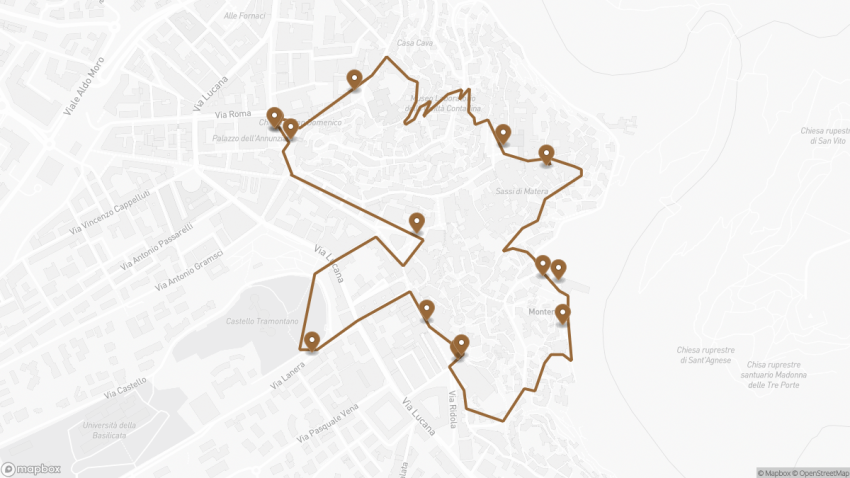
Discover Matera on foot with a simple walking tour map that guides you from stop to stop as you explore its stone lanes, dramatic viewpoints, and cave-carved districts. Because it's a self-guided route, you can set your own pace-skip any sights that don't interest you, linger where the views are best, and take coffee breaks whenever you feel like it.
1. Piazza Vittorio Veneto

Piazza Vittorio Veneto is the modern civic heart of Matera, shaped largely by the city’s late-19th- and early-20th-century expansion beyond the Sassi. As Matera grew, this space became the everyday “front room” of the new town: a place for markets, gatherings, and the routines of a city increasingly connected to regional trade and administration.
Historically, its importance is also tied to the edge it forms between two Materas: the orderly, street-based “piano” above and the labyrinthine, rock-cut neighborhoods below. That threshold matters in Matera, because the city’s story is one of constant negotiation between building upward in stone and carving inward into tufa.
When you visit, take time to read the square as a viewpoint as much as a plaza. Look for terraces and sightlines that open toward the Sassi, note the mix of architectural eras around the perimeter, and pay attention to the subtle changes in level that hint at the underground world beneath your feet.
Location: Piazza Vittorio Veneto, 75100 Matera MT, Italy | Hours: 24 Hours. | Price: Free.

2. Palombaro Lungo

Palombaro Lungo is a monumental cistern system created to solve Matera’s fundamental challenge: storing water in a landscape with limited surface supply. Over centuries, the city engineered an intricate network of channels and reservoirs, collecting rainwater from rooftops and streets and directing it into rock-cut storage spaces lined to reduce seepage.
Its history sits within a broader tradition of hydraulic ingenuity in southern Italy, where communities relied on cisterns, wells, and carefully managed runoff. In Matera, that knowledge compounded over generations, producing large-scale public infrastructure that supported dense habitation long before modern plumbing.
Inside, what to see is the sheer scale and geometry: high vaults, reflective surfaces, and the tactile evidence of excavation and maintenance. Look closely at the wall textures, the lining techniques, and the way light behaves in the cavernous space, because those details make the engineering legible, not just impressive.
Location: Piazza Vittorio Veneto, 75100 Matera MT, Italy | Hours: Daily: 10:00–13:00 & 15:00–18:00. | Price: Adults: €3; Minors: free; School groups: €1.50. | Website
3. Palazzo dell'Annunziata

Palazzo dell’Annunziata reflects Matera’s institutional and charitable history, linked to religious confraternities and public welfare that shaped many southern Italian cities. Buildings like this often anchored networks of assistance, education, and devotion, and their presence signaled both civic pride and the Church’s long role in social life.
Architecturally, the palace belongs to the period when Matera’s “upper city” was consolidating a more formal urban identity. As the town’s administrative and cultural functions grew, prominent palazzi served as markers of stability, patronage, and the local elite’s relationship with religious institutions.
When you’re there, focus on the façade and how it communicates status: portals, symmetry, and stonework details. If interiors are accessible, pay attention to spatial hierarchy (courtyards, staircases, representative rooms), because these features were designed to choreograph movement and convey authority.
Location: Palazzo dell'Annunziata, Piazza Vittorio Veneto, 1, 75100 Matera MT, Italy | Hours: Monday – Thursday: 08:30–18:30. Friday – Saturday: 08:30–13:30. Closed on Sunday. | Price: Free. | Website
4. Chiesa di San Giovanni Battista

Chiesa di San Giovanni Battista is one of Matera’s key medieval churches, rooted in the centuries when the city’s religious architecture helped organize urban life. In a landscape defined by rock-cut dwellings and shifting political control, stone churches asserted permanence, doctrine, and community identity.
Its history is intertwined with the city’s wider medieval development, when monastic orders, local patrons, and skilled masons contributed to a distinctive regional vocabulary. The building stands as evidence of how Matera adapted broader Romanesque and later influences to local materials and craftsmanship.
What to see is the sculptural language: portals, capitals, and the way stone surfaces catch light. Step back to take in the church’s massing, then move close to inspect carved details and any surviving interior elements that reveal how devotion, art, and architecture were integrated.
Location: Via San Biagio, 75100 Matera MT, Italy | Hours: Check official website. | Price: Free; donations appreciated. | Website
5. Cattedrale di Matera
Matera Cathedral rises from the city’s highest spine, embodying the era when ecclesiastical power and urban prestige were inseparable. Built in a medieval context, it reflects Matera’s role as a significant religious center and the desire to anchor the city’s identity in a commanding sacred landmark.
Historically, cathedrals also functioned as civic stages: sites of ceremony, authority, and communal memory. In Matera, the cathedral’s placement is especially meaningful because it presides over the Sassi, visually tying the ancient habitation zones to the institutional “upper city” above.
What to see starts with the exterior: its setting, silhouette, and stonework. Inside, look for how space is composed to guide attention toward the altar, and pay attention to artworks, chapels, and any elements that reveal later refurbishments, since cathedrals often accumulate layers from multiple periods.
Location: Piazza Duomo, 75100 Matera MT, Italy | Hours: Daily: 09:00–18:00. | Price: Adults: €3.50 (Cattedrale + MATA Museo Diocesano cultural route); free entry may apply during Mass. | Website
6. Casa Noha
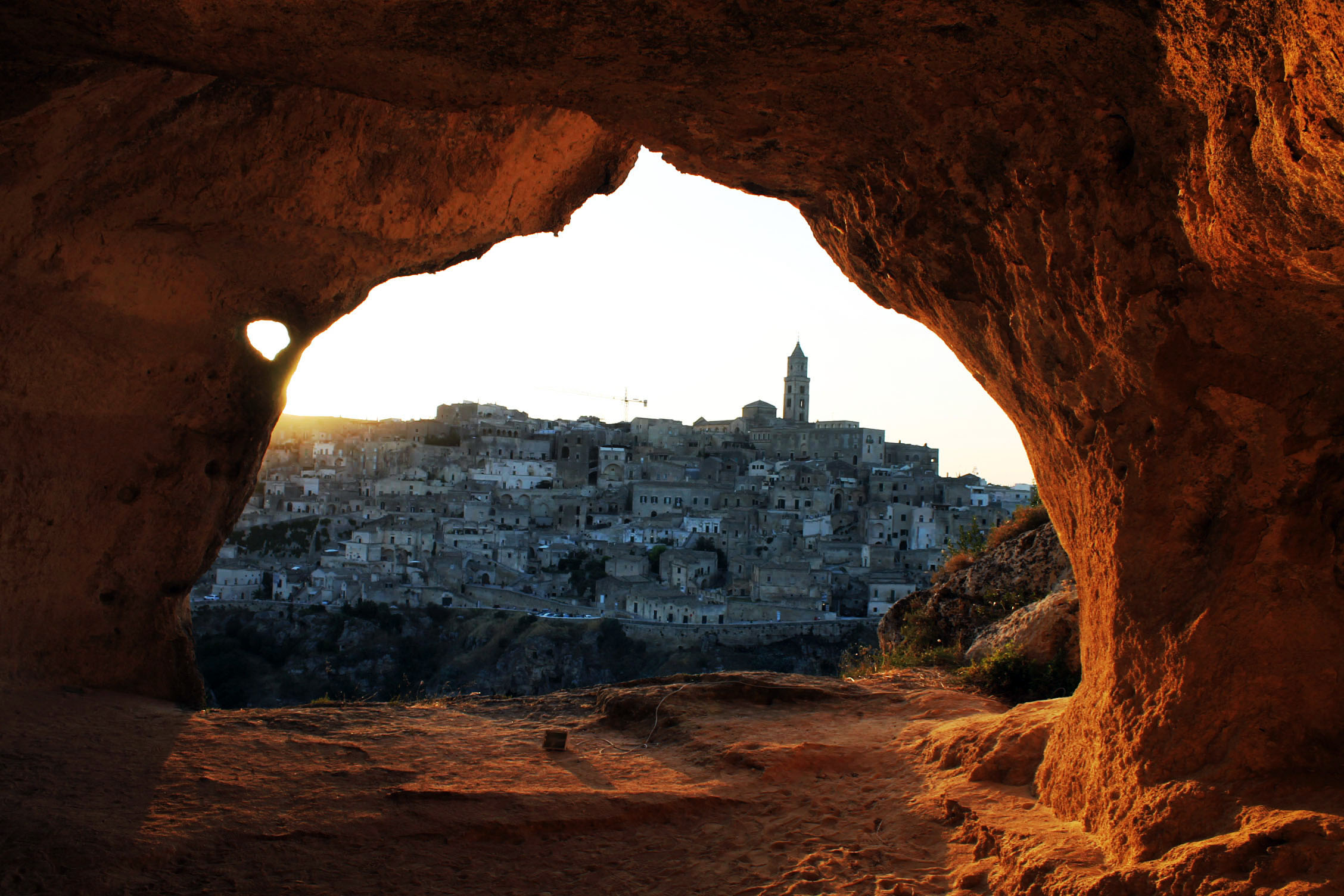
Casa Noha is a restored historic house used to interpret Matera’s social history, especially the lived reality of the Sassi and the city’s transformation in the modern era. Rather than focusing only on monuments, it frames Matera as a place shaped by everyday life, hardship, and adaptation.
Its narrative context is the dramatic mid-20th-century turning point when the Sassi came under national scrutiny for living conditions, leading to relocation and later restoration. Matera’s story is not just ancient; it is also a story of modern policy, identity, and the ethics of preservation.
What to see is the way the building is used to tell that story through spaces, materials, and curated interpretation. Notice the domestic scale, the relationship between rooms, and how presentation connects personal life to broader changes in health, infrastructure, and cultural recognition.
Location: Recinto Cavone, 9, 75100 Matera MT, Italy | Hours: Thursday – Tuesday: 10:00–17:00. Closed on Wednesday. | Price: Adults: €7; Reduced (6–18): €3; Students (up to 25): €5; Family (2 adults + 2 children): €18; Under 6: free. | Website
7. Piazza San Pietro Caveoso

Piazza San Pietro Caveoso sits at one of the most dramatic edges of the Sassi, where open space meets the dense carved-and-built texture of the ravine-side district. Places like this often emerged organically, shaped by footpaths, church forecourts, and the practical need for small gathering areas in a steep environment.
Its historical importance lies in its role as a threshold space: part devotional, part social, part scenic. In the Sassi, churches and their surrounding areas acted as anchors of neighborhood life, and the piazza reflects that pattern in a city where “streets” can be stairways and terraces.
When you’re there, what to see is the composition of views and surfaces. Take in the church frontage and the amphitheater-like drop toward the canyon, then watch how the Sassi’s stacked facades create a sense of depth. It’s also a good place to notice how stone paving and steps manage slope and movement.
Location: Piazza S. Pietro Caveoso, 75100 Matera MT, Italy | Hours: 24 Hours. | Price: Free.
8. Chiesa dei Santi Pietro e Paolo

Chiesa dei Santi Pietro e Paolo belongs to Matera’s long tradition of churches integrated into the city’s complex topography. In the Sassi environment, sacred buildings often served multiple purposes: worship sites, community markers, and architectural counterpoints to domestic cave spaces.
Historically, dedications to Peter and Paul carry strong symbolic weight, and such churches commonly reflect periods of consolidation in religious organization. In a region shaped by shifting rulers and cultural influences, churches frequently preserved continuity through liturgy, patronage, and local identity.
What to see will depend on access, but the main focus is typically the dialogue between structure and setting. Look at how the church fits into the surrounding stone fabric, observe any carved details or interior iconography, and pay attention to how light enters the space, because illumination often shapes the experience of rock-adjacent architecture.
Location: Piazza S. Pietro Caveoso, 75100 Matera MT, Italy | Price: Free; donations appreciated. | Website
9. Casa Grotta di Vico Solitario

Casa Grotta di Vico Solitario is an interpretive cave dwelling that preserves a snapshot of how people lived in the Sassi before large-scale relocations. Its value is historical and social: it makes tangible the domestic realities that underpinned Matera’s identity for generations.
The broader history is complex. The Sassi were once a functional, tightly knit urban system, but by the 20th century they were also associated with overcrowding and inadequate sanitation, prompting state intervention. Today, presenting a furnished cave home is part of how Matera confronts that past without romanticizing it.
What to see is the material culture of daily life: furniture, tools, storage solutions, and how humans and animals sometimes shared space in a constrained environment. Notice how the architecture is less “built” than “adapted,” and how the arrangement of objects reveals strategies for warmth, food preservation, and work.
Location: Vico Solitario, 11, 75100 Matera MT, Italy | Hours: (Winter) January 1 – March 31; Monday – Friday: 09:30–18:00; Saturday – Sunday: 09:30–19:00. (Summer) April 1 – December 31; Monday – Friday: 09:30–19:00; Saturday – Sunday: 09:30–20:00. | Price: Adults: €5; Reduced: €3; Ages 11–18: €2; Under 11: free. | Website
10. Museo di Palazzo Lanfranchi

Museo di Palazzo Lanfranchi is housed in a significant historic palace, and its very setting speaks to Matera’s institutional and cultural evolution. Palazzi like this reflect periods when religious orders, local elites, and civic structures invested in prominent architecture to signal education, authority, and taste.
Historically, the museum represents the city’s modern commitment to preserving and contextualizing its heritage through curated collections. Matera’s international profile grew not only through its urban landscape but also through the effort to interpret regional art, archaeology, and local history in a structured way.
What to see includes both the building and the displays. Pay attention to how galleries are arranged within the palace’s rooms, look for works that anchor Basilicata’s identity, and take time with any standout pieces that connect local narratives to broader Italian artistic movements.
Location: Piazzetta Pascoli, 1, 75100 Matera MT, Italy | Hours: Monday: 09:00–20:00. Tuesday: 09:00–14:00. Wednesday: 09:00–20:00. Thursday: 09:00–20:00. Friday: 09:00–20:00. Saturday: 09:00–20:00. Sunday: 09:00–20:00. | Price: Adults: €10; Students: €2; Under 18: free. | Website
11. Belvedere Piazzetta Pascoli

Belvedere Piazzetta Pascoli is a viewpoint shaped by Matera’s geography: a city defined by dramatic drops, opposing ridges, and the visual density of the Sassi. The idea of a “belvedere” in Italy is historically tied to framing landscape as a cultural asset, and Matera’s modern story includes the deliberate creation and enhancement of such vantage points.
Its context is the 20th-century and later revaluation of the Sassi as heritage rather than blight. As Matera shifted toward conservation and cultural tourism, viewpoints became essential infrastructure for understanding and appreciating the city’s spatial complexity.
What to see is straightforward but never redundant: the layered facades, terraces, stairways, and rock churches of the Sassi laid out like a carved amphitheater. Spend a few minutes tracking lines of movement—where paths likely run, where roofs become walkways—because the belvedere is best used as a tool for reading the city.
Location: Piazzetta Pascoli, 75100 Matera MT, Italy | Hours: 24 Hours. | Price: Free.
12. Via Ridola
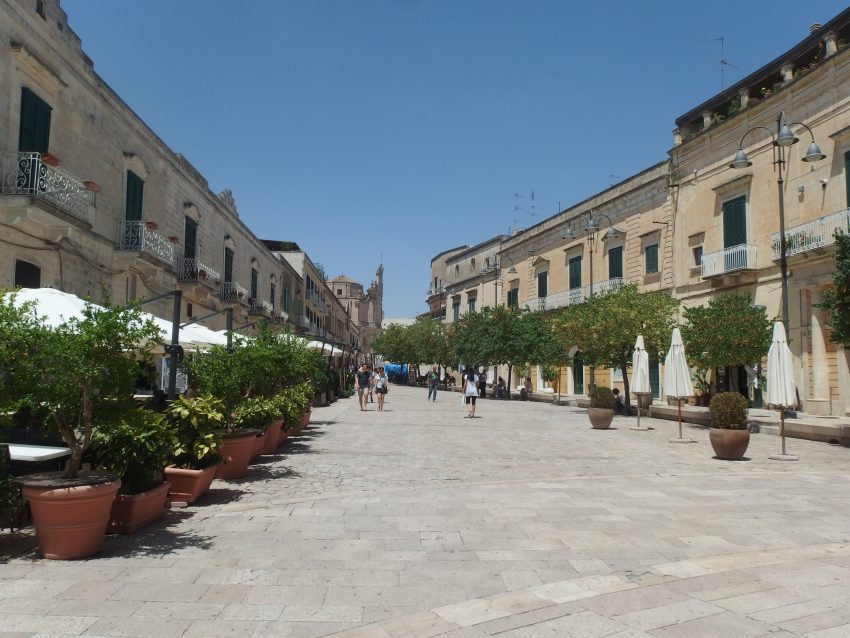
Via Ridola is a key street in the “upper” part of Matera, reflecting the city’s transition into a more conventional urban form beyond the cave districts. Streets like this often became cultural corridors, lined with institutions, cafés, and residences that signaled Matera’s modernization and shifting social life.
Its historical role is tied to how Matera expanded and rebalanced: from the intimate, vertical micro-neighborhoods of the Sassi toward a town structured by boulevards, storefronts, and administrative buildings. This is where Matera’s 19th–20th century identity is easiest to feel in the urban fabric.
What to see is the street as an ensemble rather than a single monument. Look at façades and doorways, note small palazzi and civic buildings, and watch how the street mediates between viewpoints, piazzas, and museum spaces. It’s also a useful place to notice how local stone is dressed differently in newer construction.
Location: Via Domenico Ridola, 75100 Matera MT, Italy | Hours: 24 Hours. | Price: Free.
13. Castello Tramontano

Castello Tramontano is one of Matera’s most striking symbols of feudal ambition and political instability. Begun in the early 16th century under a powerful count, it reflects a period when fortifications were as much about projecting authority as they were about defense.
Its history is famously unfinished, linked to local resentment toward heavy-handed rule and taxation. The castle stands as a kind of architectural “what-if,” a reminder that power projects can be interrupted by politics, economics, and popular resistance, leaving ruins that later generations reinterpret as heritage.
When you visit, what to see is the raw presence of masonry: walls, towers, and the incomplete sections that make the building’s story legible at a glance. Walk around the exterior to understand its intended footprint, then focus on views outward toward the city to appreciate why commanding positions mattered as much as thick stone.
Location: Via del Castello, 75100 Matera MT, Italy | Hours: 24 Hours. | Price: Free.
14. Chiesa di San Francesco d'Assisi

Matera’s church of San Francesco d’Assisi reflects the long expansion of Franciscan spirituality across Italy from the 13th century onward, when mendicant orders established prominent urban churches that were both devotional centers and engines of civic life. In Matera, the Franciscans’ presence aligns with a broader pattern: churches positioned to serve growing communities beyond the older rock-cut quarters, helping shape a more “street-based” city alongside the Sassi.
Over time, the church accumulated layers that speak to Matera’s changing artistic and religious priorities, with rebuilding and refurbishment typical of active urban churches. Like many Franciscan sites, it tends to balance public visibility with an interior atmosphere oriented toward preaching, communal worship, and accessible devotion, rather than the secluded character of monastic complexes.
When you visit, start by reading the façade and its setting in the surrounding streetscape, then step inside to look for the contrast between structural elements and later decorative interventions. Focus on side chapels, altars, paintings, and any sculptural details that reveal patronage across different periods, and take a moment to notice how light and proportion shape the nave’s sense of calm.
Location: Piazza S. Francesco, 75100 Matera MT, Italy | Hours: Daily: 08:00–12:00 & 16:30–20:00. | Price: Free; donations appreciated.

Moira & Andy
Hey! We're Moira & Andy. From hiking the Camino to trips around Europe in Bert our campervan — we've been traveling together since retirement in 2020!
This website uses affiliate links which earn a small commission at no additional cost to you.
Walking Tour Summary
Distance: 3.5 km
Sites: 14
Walking Tour Map