Self-Guided Walking Tour of La Spezia (2026)
This website uses affiliate links which earn a small commission at no additional cost to you.
La Spezia is often treated as a practical gateway to the Cinque Terre, but it's also a rewarding city to explore in its own right-especially on foot. This self-guided walking tour is designed to show you the layers that many visitors miss: the working port energy, the elegant civic streets, and the everyday local rhythm that gives the centre its character.
Along the route you'll move from the waterfront and marinas into the heart of town, weaving through shopping streets, small piazzas, and classic Ligurian corners where you can pause for coffee, focaccia, or a slow wander. It's an easy, flexible walk that you can do in a couple of hours, or stretch into a half-day if you like to stop often, browse shops, and take your time with viewpoints and museums. Consider it a practical way to see the best things to see in La Spezia without needing a car or a strict timetable.
The tour also works well as a “before or after” day plan if you're using La Spezia as your base: start early before trains to the villages get busy, or do it in the late afternoon when the light softens and the waterfront feels at its best. By the end, you'll have a clearer sense of La Spezia's identity beyond transit-a real city with its own pace, food culture, and understated coastal charm.
Table of Contents
- How to Get to La Spezia
- Short History of La Spezia
- Where to Stay in La Spezia
- Self-Guided Walking Tour of La Spezia
- The Waterfront
- Palazzo delle Poste
- Scalinata San Giorgio
- Castello di San Giorgio
- Via Del Prione
- Museo del Sigillo
- Museo Civico Amedeo Lia
- Piazza Giuseppe Garibaldi
- Chiesa di Nostra Signora della Neve
- Corso Cavour
- Piazza del Mercato
- CAMeC - Centro Arte Moderna e Contemporanea
- Museo Tecnico Navale della Spezia
- Monumento a Garibaldi
- Ponte Thaon di Revel
- Parco Salvador Allende
How to Get to La Spezia
By Air: There isn't an airport in La Spezia itself, so you'll fly into one of the nearby hubs and continue by train, bus, or car. Pisa International Airport (PSA) is often the most convenient, with frequent onward rail connections via Pisa Centrale, while Genoa Cristoforo Colombo Airport (GOA) is another solid option, especially for routes within Europe. Florence Airport (FLR) and Milan airports can also work if flights are better value, but expect a longer onward journey. From any of these airports, the simplest approach is usually train to La Spezia Centrale, with taxis or local buses for the final leg to your accommodation. For the best deals and a seamless booking experience, check out these flights to La Spezia on Booking.com.
By Train: La Spezia Centrale is the key station and one of the easiest ways to arrive, particularly if you're coming from other parts of Italy. Direct or simple-connection routes commonly run from Pisa, Genoa, Florence (usually via Pisa), and Milan, and the station is also the main launch point for Cinque Terre trains. If you're arriving from Rome or further south, expect a longer journey with one or two changes depending on the service you choose. Once you arrive, the centre and waterfront are walkable, and local buses cover the hills and outer neighbourhoods if you're staying further from town. Use Omnio to easily compare schedules, book train tickets, and find the best prices all in one place for a hassle-free journey across Italy.
By Car: Driving can be convenient if you're combining La Spezia with the wider Ligurian coast or inland Tuscany, but it's less practical if your plan is mostly Cinque Terre villages and old-town walking. La Spezia is reached via the A12 motorway (with connections toward Genoa and Pisa/Livorno), and you'll typically exit toward the city and port area. The main issue is parking: the centre has limited street parking and controlled zones, so it's usually best to use a paid garage or designated parking near the edge of town and then continue on foot. If you're visiting as a day trip, park once and treat the city as pedestrian-first. If you are looking to rent a car in Italy I recommend having a look at Discover Cars, first, as they compare prices and review multiple car rental agencies for you.
By Bus: Long-distance coaches can be a budget-friendly alternative, with services that may connect La Spezia to larger cities such as Genoa, Milan, Florence, and Rome depending on season and operator. Coaches generally arrive near the main transport corridors close to La Spezia Centrale, which makes it easy to step straight into the walking route or transfer to local buses. If you're traveling with luggage, this option can be slower than rail but straightforward and often good value if you book ahead.
Short History of La Spezia
La Spezia From Early Settlements to a Medieval Town
Long before La Spezia became defined by modern streets and maritime infrastructure, its story was shaped by small coastal communities and the practical logic of sheltered water, fishing, and trade. Over time, these early patterns consolidated into a medieval townscape where daily life revolved around defense, religion, and commerce-rhythms you can still sense when you climb toward Castello di San Giorgio. The castle's presence in the city's historical memory reflects centuries when control of heights, sightlines, and fortified strongpoints mattered as much as markets and docks.
The medieval layers are also echoed in the routes that stitch the older city together. Scalinata San Giorgio feels like a physical reminder of how towns functioned before cars and wide boulevards: movement on foot, steep shortcuts, and the constant interplay between upper and lower quarters. Nearby, Chiesa di Nostra Signora della Neve speaks to the devotional life that anchored communities through instability-plague years, political shifts, and the everyday uncertainty of pre-modern life.
This early era is best understood as the foundation that later transformations built upon. The castle, the staircase routes, and the surviving religious landmarks aren't isolated “sights”; they're the surviving geometry of an older La Spezia-compact, defensive, and shaped by what people could carry, climb, and protect.
La Spezia In the Early Modern Era
As the early modern period unfolded, La Spezia’s identity became increasingly tied to maritime activity, craftsmanship, and the gradual expansion of civic life beyond the medieval core. Trade networks and naval interests brought new pressures and opportunities, nudging the town toward broader public spaces and more structured commercial routines. You can read this shift today in how the city’s later streets funnel movement toward open squares and practical gathering points.
Piazza del Mercato captures that civic-commercial evolution in miniature. Markets are more than shopping; historically, they’re where news travels, prices are negotiated, and the city’s social order becomes visible. The continuation of a market tradition into modern times is one of the clearest through-lines in La Spezia’s story: the city grows and changes, but it still needs a daily heart where ordinary life repeats itself.
This period also set the stage for the later, more dramatic reshaping of the city. The older fabric-stairways, church life, and the elevated fortress logic-didn’t disappear, but it began sharing space with a more outward-facing civic rhythm that would accelerate sharply in the 19th century.
La Spezia In the 19th Century and the Age of Unification
The 1800s were a turning point when modern nation-building, industrial capacity, and naval strategy began to rewrite the pace of La Spezia's development. This is the era when public symbolism starts to appear more clearly in the streetscape-monuments, planned avenues, and named squares that signal a new civic identity. Monumento a Garibaldi belongs to this world: a marker of the Risorgimento spirit and the broader cultural project of forging modern Italy through shared heroes and public memory.
Urban life in this phase also becomes more legible through its main commercial spines. Via Del Prione and Corso Cavour read as products of a more modern city: streets designed for flow, shopping, and everyday movement, where the experience is less about medieval enclosure and more about a confident, outward-facing civic centre. Piazza Giuseppe Garibaldi fits into this same logic-an open node for gathering, orientation, and the routines of a growing urban population.
For a visitor, the 19th-century story is the moment La Spezia starts to feel like the city you walk today: grander gestures layered onto older bones, with the language of modern Italy visible in statues, street names, and the way the city's public spaces invite you to linger.
La Spezia In the Naval Era and the 20th Century
La Spezia’s modern identity is inseparable from its naval chapter, a period when maritime infrastructure, military planning, and technological specialization became central to the city’s daily life and reputation. The Museo Tecnico Navale della Spezia is the clearest window into that history: not just a collection of objects, but a narrative of how naval power, engineering, and seafaring expertise shaped local work, education, and civic pride. In this context, the waterfront becomes more than scenery-it’s the edge of an operating world, tied to ships, strategy, and the skilled labor that supports them.
The 20th century also brought upheaval, including wartime pressure and post-war rebuilding, and cities with naval significance often felt those shocks intensely. Even when buildings change, the pattern remains: a strong link between the maritime sphere and civic identity, reinforced through institutions, museums, and the everyday presence of port-adjacent life. The way the city “faces” the water-through promenades and open viewpoints-reflects a modern desire to reclaim working edges as public spaces without losing their historical meaning.
Today, walking The Waterfront is a way to read this era in real time. You’re moving through a space that balances function and leisure: a place where the city presents itself, remembers its naval role, and turns what was once purely operational frontage into a civic experience.
La Spezia Today Through Waterfront Renewal and Public Space
In recent decades, La Spezia has leaned into public-space renewal-making the city's maritime edge more walkable, more scenic, and more integrated with daily life. Ponte Thaon di Revel is emblematic of this modern chapter: a piece of contemporary infrastructure that also acts as an urban viewpoint, stitching together waterfront areas and encouraging a slower, pedestrian way of experiencing the port-facing city. These kinds of projects reflect a wider shift in how historic maritime cities reinterpret their working waterfronts for residents and visitors.
Parco Salvador Allende adds another layer to the present-day story: green space and breathing room along the city’s edge, where the rhythm changes from streets and shopping to benches, paths, and open sky. This matters historically because it signals priorities that older eras didn’t have the luxury to emphasize-recreation, public wellness, and the idea that civic identity includes not only monuments and institutions but also how pleasant daily life feels.
Taken together, these modern spaces don’t replace La Spezia’s older history; they frame it. The castle heights, the market traditions, the 19th-century civic avenues, and the naval institutions all converge in how you experience the city now: on foot, moving between layers, with the waterfront acting as both memory and modern stage.
Where to Stay in La Spezia
To make the most of visiting La Spezia and this walking tour then you consider staying overnight at the centre. The most practical base is the area around La Spezia Centrale, because you can start the walk easily, dip back to your hotel between stops, and you'll also be perfectly placed for day trips. Good, reliable options here include The Poet Hotel, Hotel Firenze e Continentale, and CDH Hotel La Spezia.
If you prefer to be right in the old-town rhythm-close to Via del Prione, Corso Cavour, Piazza del Mercato, and the evening food scene-look at the central streets between the station and the historic core. This area suits the walking tour best if you like stepping straight out into shops, cafés, and late-night strolls without relying on taxis. Strong choices include NH La Spezia, AllegroItalia La Spezia, and Hotel Corallo.
For a calmer feel with a waterfront edge-ideal if you want promenade walks, marina views, and easy access to The Waterfront and Ponte Thaon di Revel-base yourself near the port and the seafront. It’s a little quieter at night than the lanes around Via del Prione, but still walkable into the centre if you don’t mind an extra 10-20 minutes on foot. Consider Hotel Portovenere, La Spezia by The First - Luxury Rooms & Suites, and Hotel Mary if you're blending the La Spezia walk with a sea-facing base and wider coastal exploring.
Self-Guided Walking Tour of La Spezia (2026)
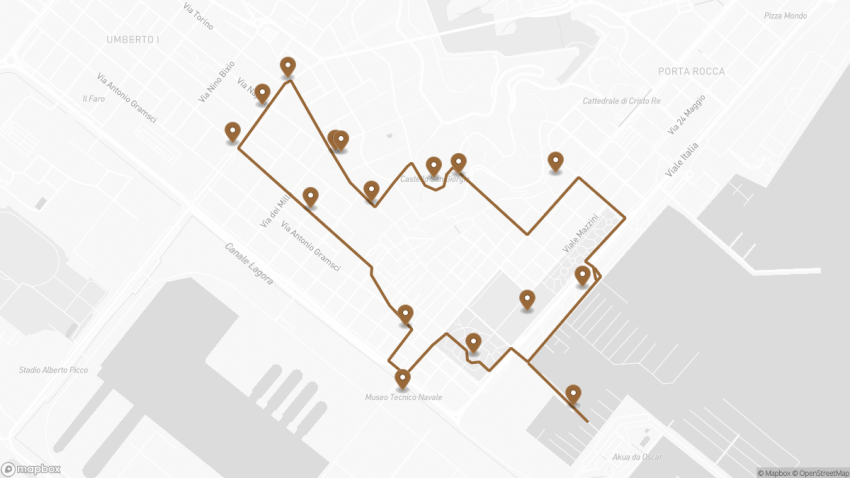
Discover La Spezia on foot, using our walking tour map to guide you between each stop as you explore the waterfront, old-town streets, and local highlights. Because it's a self-guided walk, you can set your own pace-skip any places that don't interest you, linger where you want, and stop for coffee whenever the mood strikes.
1. The Waterfront
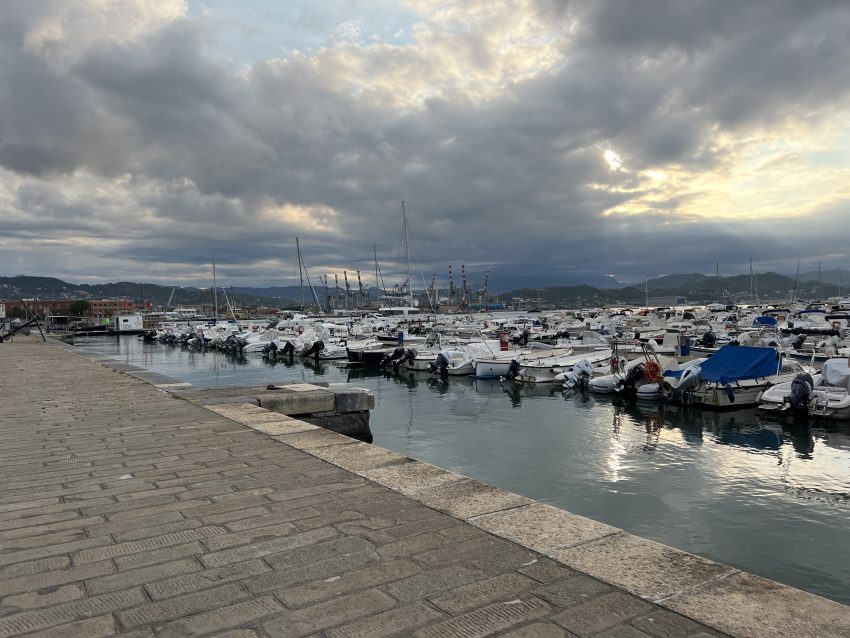
La Spezia’s waterfront is the city’s modern front porch, reshaped in the 19th and 20th centuries as the port expanded and Italy’s naval presence consolidated here. What you see today is the result of a long relationship with the sea: a working harbor identity softened, in more recent decades, by promenades, marinas, and public spaces designed for strolling rather than loading.
On a walk, the best “sights” are the layers: the sweep of the gulf, the rhythm of ferries and pleasure craft, and the way the city’s grid meets the water. Look for viewpoints where you can read the coastline and understand why this sheltered inlet became such a strategic anchor, especially with the naval base nearby.
Come here at different times of day. In the morning it feels purposeful and local; by late afternoon it turns into a classic passeggiata zone, with benches and railings that invite you to pause. It’s also the most intuitive place to orient yourself before heading inland toward the old streets and the hilltop castle.
Location: Viale Italia, 5, 19124 La Spezia SP, Italy | Hours: 24 Hours | Price: Free. | Website

2. Palazzo delle Poste
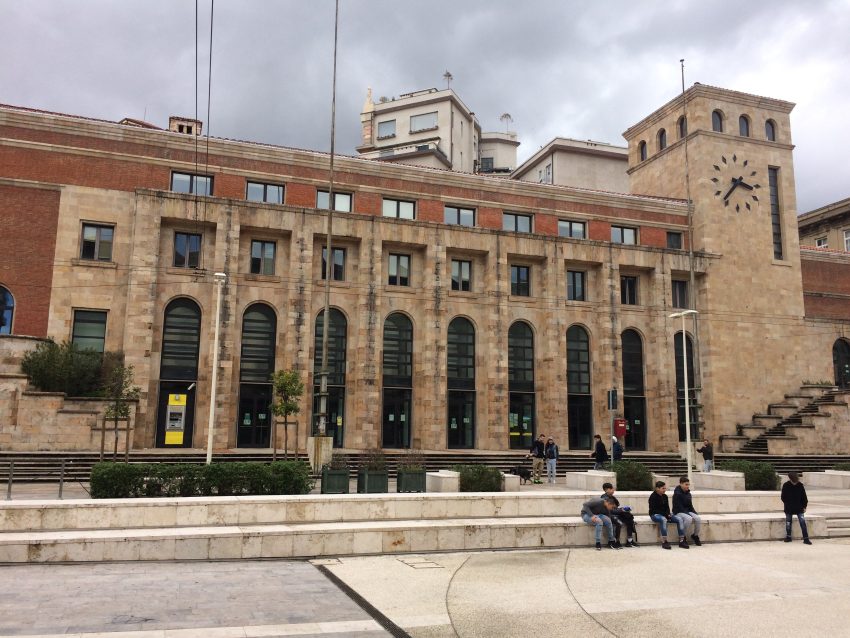
Palazzo delle Poste in La Spezia belongs to the wave of early 20th-century civic building that aimed to project efficiency, modernity, and state presence through architecture. As postal services expanded with mass communication and growing bureaucracy, purpose-built post offices became symbolic landmarks: places where everyday life intersected with the machinery of the modern Italian state.
What to see is the building itself rather than a collection inside. Pay attention to the façade composition, any reliefs or inscriptions, and the “official” architectural language—symmetry, strong entrances, and durable materials meant to convey permanence. If you can step inside, look for the scale of the public hall, original counters or signage, and the way circulation is designed to handle crowds smoothly.
On a walking tour, this is a good stop for appreciating La Spezia’s more formal, civic side, complementing the maritime and medieval layers you get from the waterfront and the castle. It also works well as a quick photo-and-detail stop: a few minutes spent looking up, reading the exterior cues, and noticing how it anchors its street can add a surprising amount of context to the city’s modern history.
Location: Palazzo delle Poste, Piazza Giuseppe Verdi, La Spezia, SP, Italy | Hours: Monday – Friday: 08:20–19:05. Saturday: 08:20–12:35. Sunday: Closed. | Price: Free. | Website
3. Scalinata San Giorgio

Staircases in Ligurian towns are rarely just functional—they’re part of how cities adapt to slopes, connect neighborhoods, and create dramatic urban viewpoints. The San Giorgio staircase ties directly into La Spezia’s vertical geography, linking lower streets with higher historic points and making the climb itself part of the experience.
What to see is the unfolding view as you ascend. Each landing tends to reveal a slightly different angle on rooftops, the port, or the surrounding hills. Pay attention to the small details as well: stonework, railings, and the way the staircase frames slices of the city like a sequence of postcards.
On a walking tour, treat this as a “slow passage” rather than a rush. It’s an atmospheric approach to the castle area, and it builds anticipation in a way that a straightforward road climb can’t. If you time it well, it also gives you one of the best low-effort viewpoint climbs in the center.
Location: Scalinata San Giorgio, La Spezia, SP, Italy | Hours: 24 Hours. | Price: Free.
4. Castello di San Giorgio
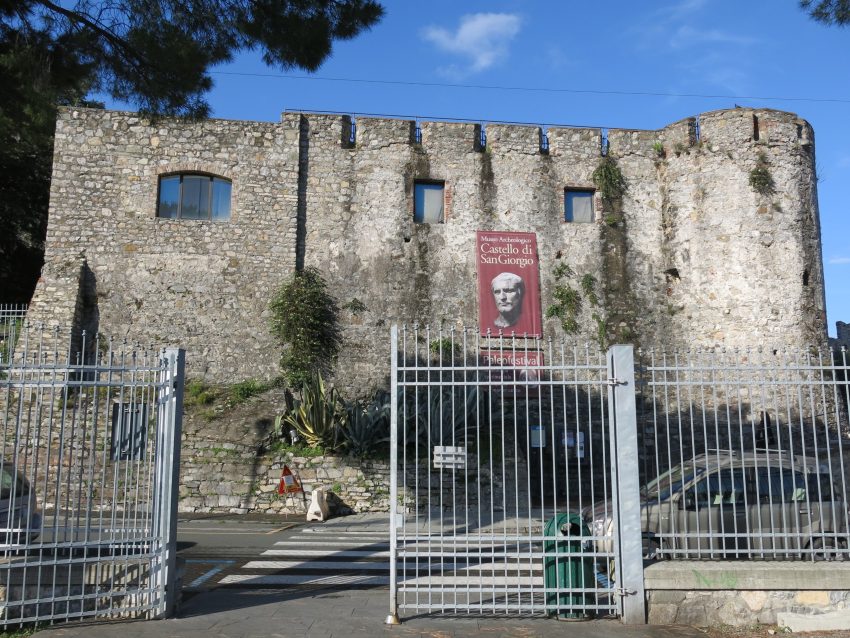
The castle is La Spezia’s most direct link to the area’s medieval defensive past, perched where it can oversee the city and the gulf. Fortifications here speak to the long strategic value of this coastline: control the high ground, watch the sea lanes, and protect the settlement below—logic that predates the modern naval base by centuries.
What to see starts with the panoramas: the view explains everything about geography and strategy in one sweep. Beyond the outlook, explore the walls and interior spaces with an eye for how the structure evolved over time—castles are almost always layered, with rebuilding and adaptation reflecting new threats, new rulers, and new technologies.
This is the anchor stop for a walking tour because it connects the city’s “old story” to its modern one. After you’ve seen the port and main streets, the castle helps you understand La Spezia as more than infrastructure: it’s a place that has been watched, defended, and shaped by the sea for a very long time.
Location: Castello San Giorgio, Via XXVII Marzo, La Spezia, SP, Italy | Hours: Winter: from Wednesday to Sunday 10.00-12.30 / 14-17; Tuesday 10-17. Spring/Autumn: Monday to Sunday 10:00-12:30 / 14:00 - 17:00 Summer: Monday to Sunday 10:30-17:00. | Price: Adult:€ 5.50 | Website
5. Via Del Prione

Via del Prione is one of the most characterful streets in central La Spezia, and its significance is tied to the city’s rapid 19th-century expansion. While La Spezia has older roots, much of the urban fabric you walk today reflects the period when the city grew in step with the naval base and modern Italian state-building—creating a lively commercial spine.
What to see here is the lived-in city: shopfronts, café stops, small churches and side lanes, and the shift in architecture as you move along the street. Look up as well as forward—balconies, cornices, and street-level details often reveal the era when La Spezia was becoming a confident, modern port city.
As a walking-tour segment, this is where you get local texture. It’s ideal for a casual food stop, browsing, and people-watching, and it helps balance the bigger “headline” sights like the castle. If you want La Spezia to feel less like a transit point to the Cinque Terre and more like a destination, Via del Prione is part of the proof.
Location: Via del Prione, La Spezia, SP, Italy | Hours: 24 Hours. | Price: Free.
6. Museo del Sigillo
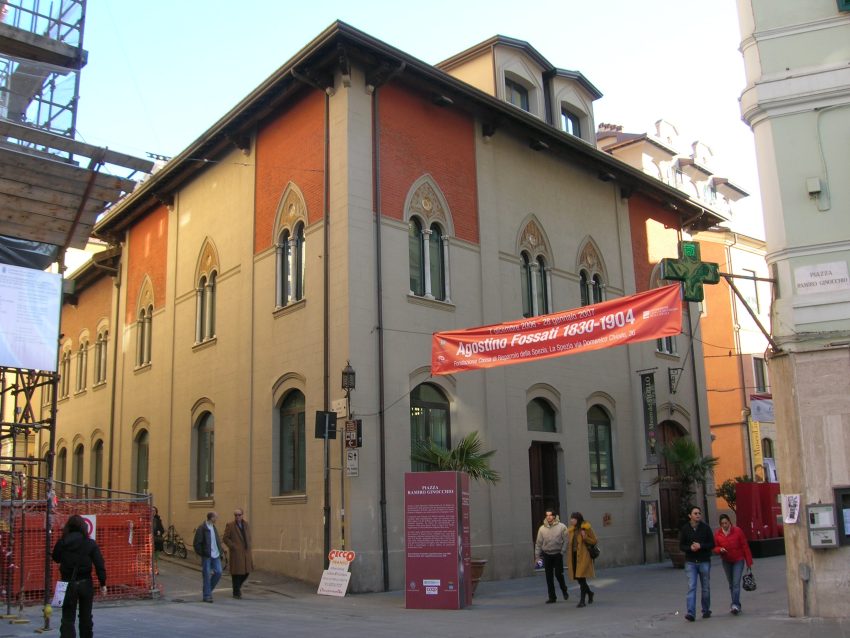
Museo del Sigillo is one of La Spezia’s most distinctive small museums, built around an extraordinary collection of seals used to authenticate documents across millennia. Seals sit at the intersection of law, identity, and power: from ancient administrations to medieval bishops’ courts and Renaissance chancelleries, the “mark” mattered as much as the message. The museum’s narrative is deliberately wide-ranging, showing how different cultures solved the same problem—how to prove something is official.
What to see is the breadth and the materials. You move from very early examples (including ancient-world traditions) through medieval and early modern European matrices, and then into more decorative later pieces where design becomes part of the point. Look closely at the iconography—coats of arms, saints, rulers, allegories—because these aren’t random decorations; they are compact statements of authority, ownership, and legitimacy.
On a walking day in La Spezia, this museum works best as a high-impact, low-time stop, especially if you want something cultural that still feels tightly connected to “how society worked.” It’s in the center on Via del Prione, so it slots neatly between street-walking and the bigger headline sights, and it’s the kind of place where reading a few labels slowly is more rewarding than trying to rush through everything.
Location: Via del Prione, 236, La Spezia, SP, Liguria, Italy | Hours: Daily: 10:00 - 18:00 Closed Monday | Price: Adults: €4 | Website
7. Museo Civico Amedeo Lia
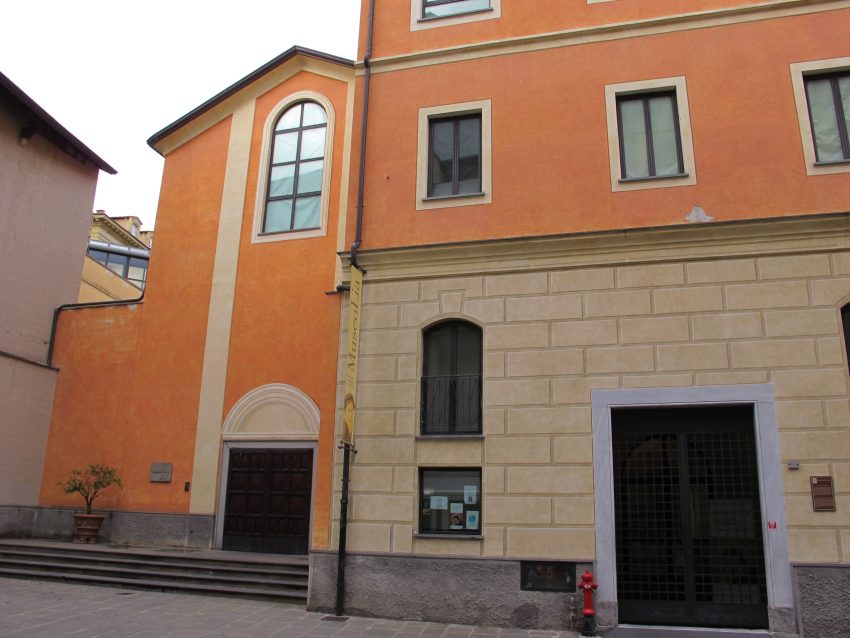
Museo Civico Amedeo Lia is the city’s major fine-arts museum, and its origin story is unusually personal: it opened in 1996 after a major donation by collector Amedeo Lia and his family to the Municipality of La Spezia. The result is a compact, carefully presented journey through European art and objects spanning from early periods through to the end of the 18th century, shaped by one collector’s eye rather than a single institutional agenda.
What to see is the variety and the quality of the small-scale masterpieces. Expect a mix of paintings, illuminated miniatures, sculpture and decorative arts—ivories, metals, and religious objects—arranged so you can move from room to room without feeling overwhelmed. Spend time with the pieces that are easiest to miss: the miniatures and worked objects often reward close viewing more than the larger canvases.
For a walking tour, the museum is a strong “context stop” that balances La Spezia’s maritime identity with a quieter, more cosmopolitan layer. It’s also practical: it sits right in the historic center, so you can pair it with Via del Prione and nearby churches and squares without detouring. If you only do one museum in town, this is usually the best choice for breadth, atmosphere, and a sense of La Spezia as more than a gateway city.
Location: Museo Civico Amedeo Lia, Via del Prione, La Spezia, SP, Italy | Hours: Daily 10:00 - 18:00 Closed Mondays | Price: Adults: €9.00 | Website
8. Piazza Giuseppe Garibaldi
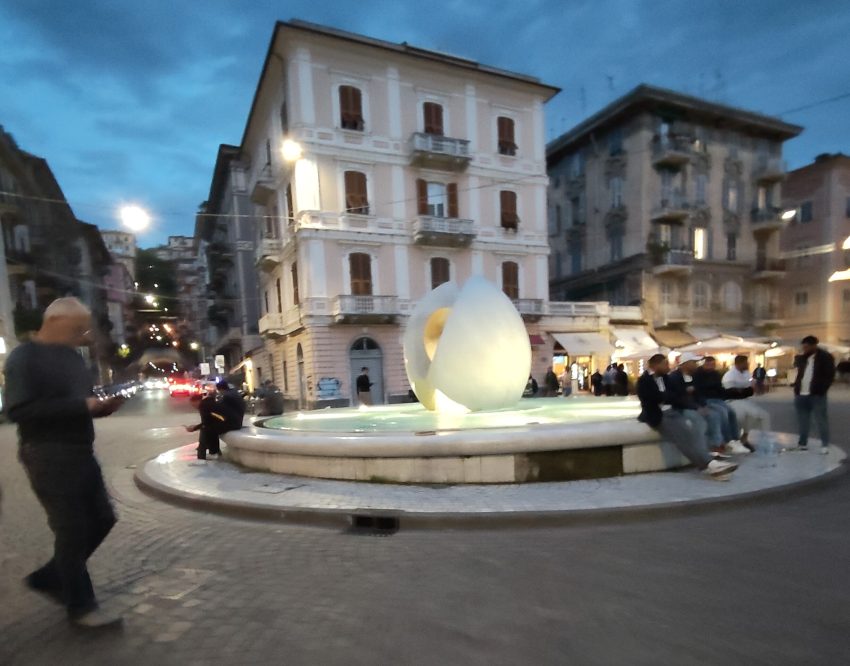
This piazza functions as one of the city’s key civic spaces, and its role reflects La Spezia’s modern urban identity—orderly streets, transport connections, and squares that organize movement and daily life. Like many Italian squares named for Garibaldi, it carries a unification-era symbolic weight while also serving very practical purposes in the contemporary city.
What to see is the everyday theater: commuters, quick coffees, buses and taxis, and the flow between commercial streets. These “working piazzas” often reveal more about how a city actually functions than its postcard landmarks, and they’re perfect for observing local rhythms without needing a formal attraction.
Use it as a navigation node on your walk. It’s a logical meeting point, a good place to reset your bearings, and often a convenient spot for a snack before pushing on toward the older streets or uphill sites. If you’re trying to read La Spezia as a real city rather than a gateway, this square helps.
Location: Piazza Giuseppe Garibaldi, La Spezia, SP, Italy | Hours: 24 Hours. | Price: Free.
9. Chiesa di Nostra Signora della Neve
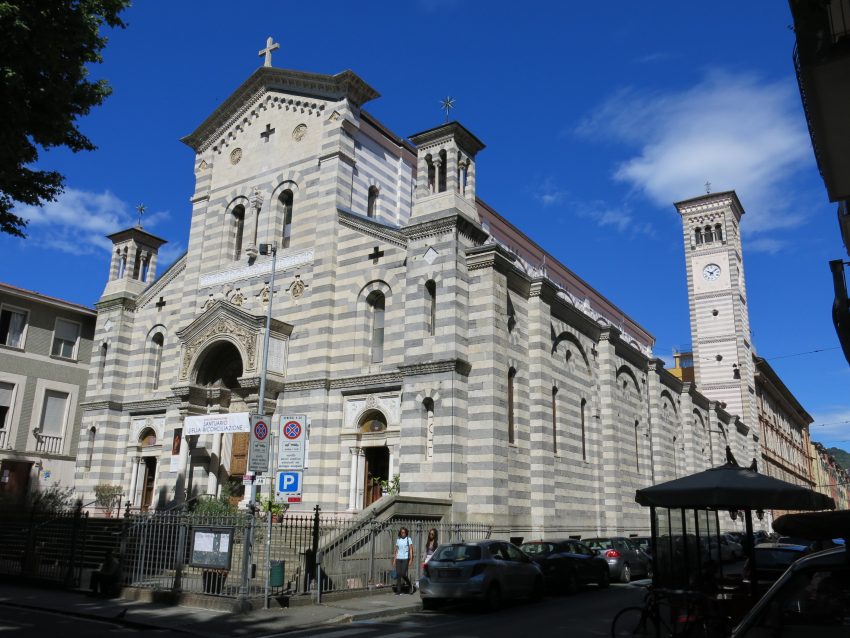
Churches dedicated to “Our Lady of the Snows” appear in several Italian cities, often tied to longstanding devotional traditions. In La Spezia, this church represents the religious and community backbone that persisted even as the city modernized rapidly in the 19th century, giving residents a stable spiritual and social landmark amid change.
Inside, look for the calm counterpoint to the street outside: altars, artwork, and the overall sense of layered patronage—local families, confraternities, and civic contributions that accumulate over time. Even a short visit can be rewarding if you focus on atmosphere, light, and the quiet signals of community life.
On a walking tour, this church works as a reflective pause between commercial corridors and more panoramic, outward-facing stops like the castle. If you’re visiting in the late morning or early evening, you’ll often catch a moment when the interior feels especially hushed, and the city’s bustle fades to a low murmur.
Location: Viale Giuseppe Garibaldi, 65, 19122 La Spezia SP, Italy | Hours: Check official website. | Price: Free; donations appreciated. | Website
10. Corso Cavour
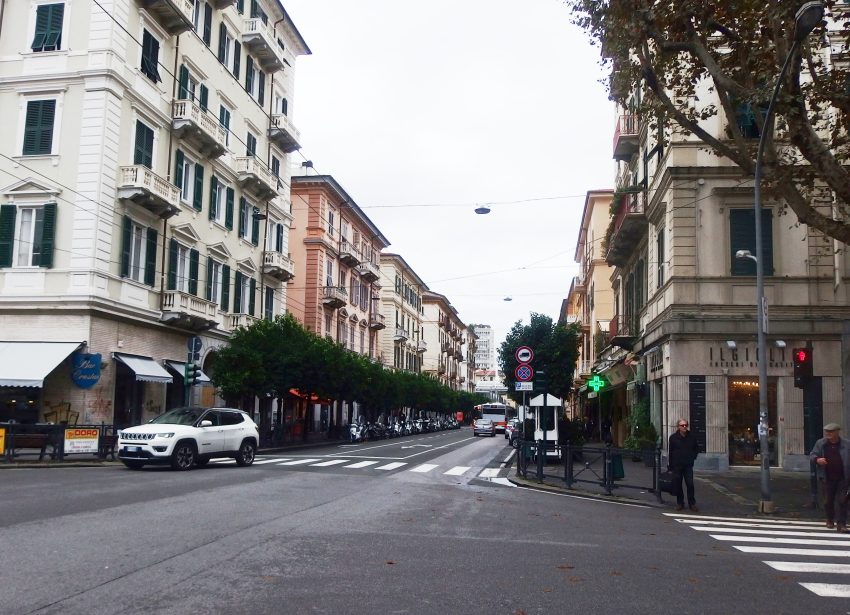
Corso Cavour is part of La Spezia’s modern street network, shaped during the period when the city was expanding and formalizing as a major naval and commercial center. “Corso” streets tend to be designed for movement and commerce, and this one carries that classic Italian mix: functional artery, shopping strip, and social promenade.
What to see is the urban fabric: storefronts, façades, and the shift from purely local businesses to more mixed retail. It’s also a useful street for noticing how La Spezia’s architecture often reflects a more modern, planned character compared with older, organically grown Ligurian towns nearby.
Walk it with purpose, but don’t treat it as just a corridor. It’s a good place for practical stops—food, essentials, a quick espresso—while still feeling connected to the city’s rhythm. If your route includes both the station area and the old center, Corso Cavour often becomes one of the easiest walking links.
Location: Corso Cavour, La Spezia, SP, Italy | Hours: 24 Hours. | Price: Free.
11. Piazza del Mercato
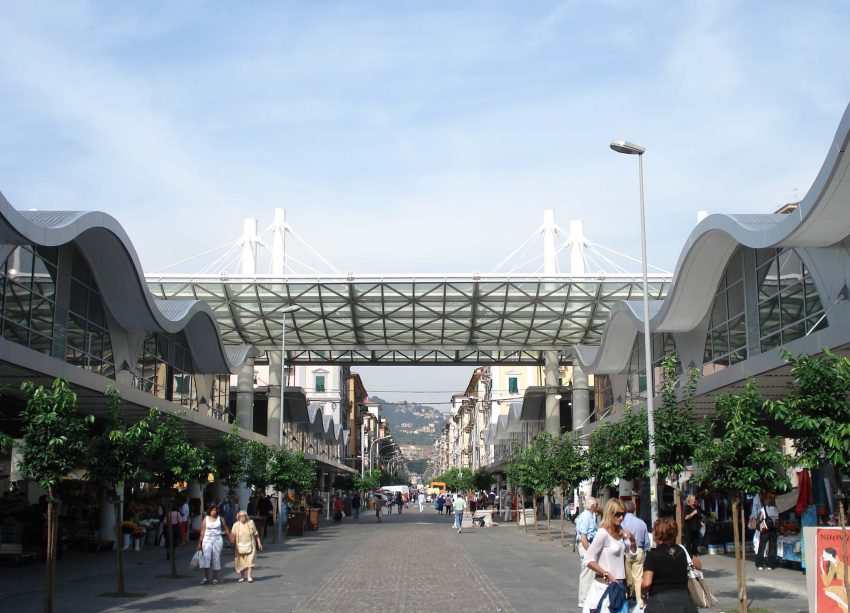
Market squares are among the most historically stable urban functions in Italy: even when buildings change, the need for a place to trade, gather, and feed the city persists. In La Spezia, the market square reflects that continuity—an everyday institution that anchors local life more reliably than any single “monument” can.
What to see depends on timing. When the market is active, the real attraction is the sensory detail: produce, seafood, regional staples, and the quick exchanges between vendors and regulars. Even when it’s quieter, the square still reads as a civic space designed for circulation and gathering, with surrounding streets that often hint at older commercial patterns.
For a walking tour, this is one of the best “local immersion” stops. It gives you an excuse to slow down, sample something seasonal, and understand the city through taste and routine rather than sightseeing. If you want one place that feels unmistakably La Spezia—practical, maritime, and lived-in—this is usually it.
Location: Piazza Cavour, La Spezia, Italy | Hours: Monday – Saturday: 07:30–13:30. Sunday: Closed. | Price: Free.
12. CAMeC - Centro Arte Moderna e Contemporanea
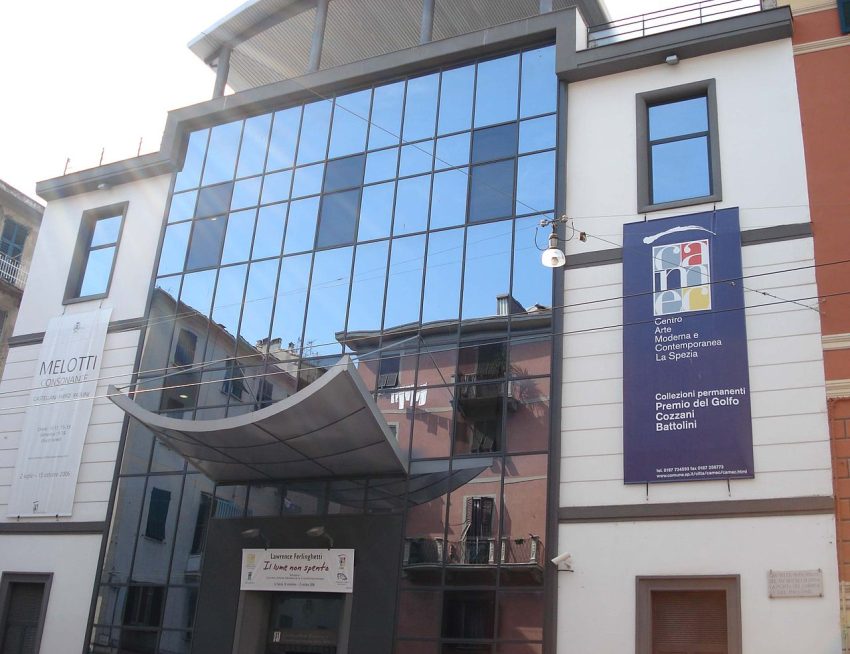
CAMeC is La Spezia’s dedicated museum for modern and contemporary art, created to give a permanent home to collections that were already deeply tied to the city’s cultural life. The museum’s core holdings grew around three pillars: works connected to the Premio del Golfo (a long-running art prize that brought major artists to the city), plus significant donations such as the Cozzani and Battolini collections. That origin matters, because CAMeC isn’t just “a contemporary museum dropped into town” – it’s a public-facing expression of local collecting, patronage, and the city’s post-war cultural ambitions.
What to see now is shaped by the museum’s recent relaunch: CAMeC reopened with a redesigned layout and a reinstalled permanent collection, intended to feel less like a chronological textbook and more like a set of ideas in conversation. The current collection display is organized thematically (with rooms that group or contrast styles and approaches), and it pulls you through subjects such as the body and performance, architecture, ecology, Pop, and the 1980s, rather than forcing a single linear story. If you like looking closely, the shifts between geometric and organic abstraction, and between object-making and conceptual gestures, are where the visit becomes most rewarding.
On a walking tour, CAMeC is best used as your “reset” stop: it gives you an indoor counterpoint to La Spezia’s maritime and street-life energy, and it’s central enough to slot between the main squares and the waterfront. Give yourself time for the highlights from the permanent holdings (the museum itself foregrounds notable names across the 20th century and beyond), and check what’s on temporarily, because the post-relaunch programming has been designed to keep the building active rather than static.
Location: CAMeC - Centro Arte Moderna e Contemporanea, Piazza Cesare Battisti, La Spezia, SP, Italy | Hours: Tuesday to Sunday 11.00 - 18.00 | Price: € 5.00 | Website
13. Museo Tecnico Navale della Spezia
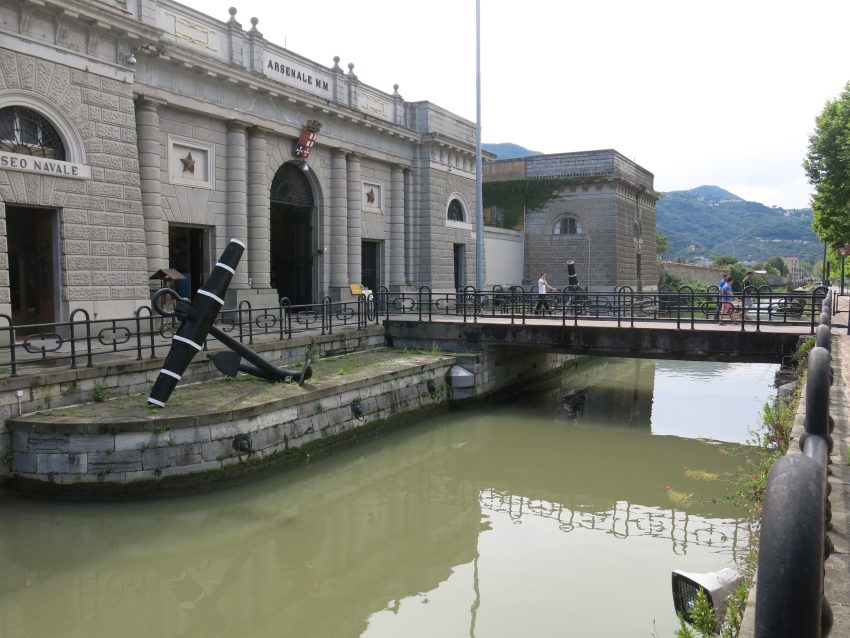
La Spezia’s identity is inseparable from the Italian navy, and the naval technical museum exists because the city has long been a strategic maritime hub. The collections reflect decades of naval development, from the age of iron and steam into the modern era, and they make tangible the reason La Spezia grew so rapidly compared with many Ligurian towns: it became a national naval center.
Inside, you’re looking for artifacts that translate “naval power” into real objects: instruments, models, mechanical components, and displays that explain how ships were navigated, armed, and maintained. Even if you’re not a naval enthusiast, the craftsmanship can be compelling—especially detailed ship models and technical pieces that reveal how complex maritime life is behind the scenes.
On a walking tour, this is your best stop for context. It turns the waterfront and port views into a story with depth: not just pretty boats, but a city built around engineering, logistics, and national defense. Pair it with the castle afterward to move from the sea-facing narrative to the older, hilltop one.
Location: Museo Tecnico Navale della Spezia, Viale Giovanni Amendola, La Spezia, SP, Italy | Hours: Daily: 08:30–19:30. Closed on Wednesday. Closed on January 1, August 15, December 25. | Price: Check official website. | Website
14. Monumento a Garibaldi
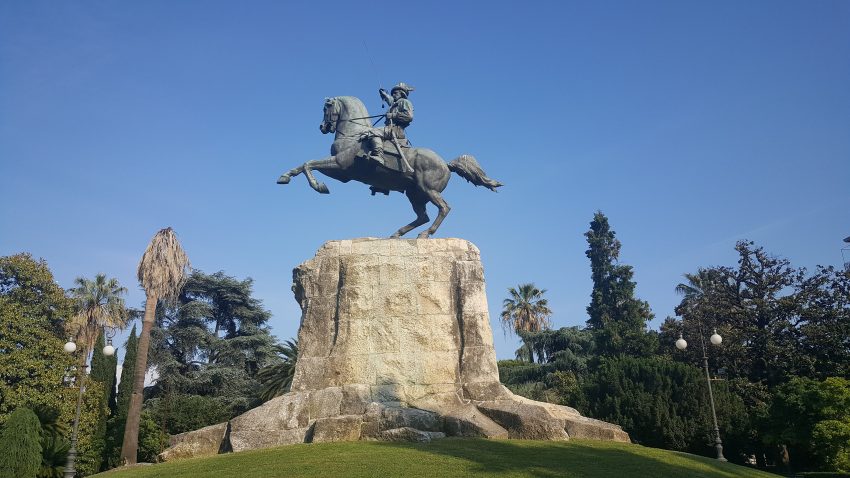
Monuments to Giuseppe Garibaldi appear across Italy, and in La Spezia they fit naturally into a city narrative tied to unification-era patriotism and later national service through the navy. The monument reflects the late 19th and early 20th centuries’ drive to anchor public spaces with civic heroes—figures meant to embody shared identity in a newly unified country.
When you visit, focus on the setting as much as the statue: its placement usually signals an important urban node, often close to a major square or thoroughfare. Look for inscriptions and symbolic details that point to the ideals associated with Garibaldi—unity, sacrifice, and popular mobilization—because those choices tell you what the city wanted to emphasize.
This is a quick stop that works best as a “pause point” on a walking tour rather than a standalone destination. Spend a minute reading the monument, then look outward at the surrounding streets: it’s a neat way to link La Spezia’s everyday modern life back to the national story that shaped its civic landscape.
Location: Monumento a Giuseppe Garibaldi, La Spezia, Italy | Hours: 24 Hours. | Price: Free.
15. Ponte Thaon di Revel
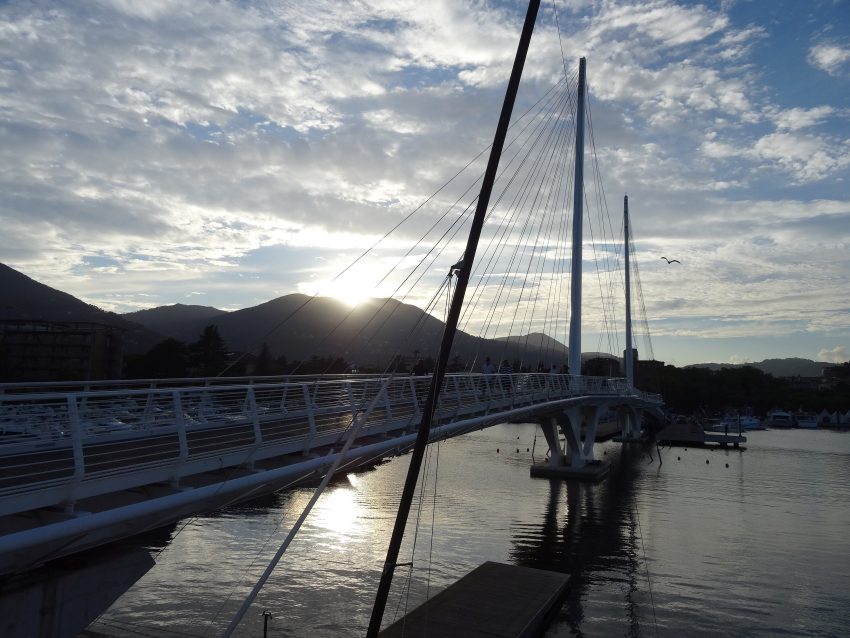
The pedestrian bridge is a very contemporary gesture in a city long defined by maritime infrastructure. Named after a prominent naval figure, it signals La Spezia’s modern emphasis on connecting the urban waterfront to its leisure harbor areas, making the “port city” experience feel walkable rather than purely industrial.
What to see is less about decoration and more about perspective. From the bridge you get clean sightlines across the marina and toward the working port edges, which helps you grasp the scale of La Spezia’s maritime economy. It’s also a useful photographic point for the geometry of masts, water reflections, and the surrounding hills.
Use it as a connector on foot between waterfront segments, especially if you’re stitching together a self-guided route. If you cross around sunset, the bridge becomes a front-row seat for the gulf’s changing light, and the city’s practical, naval character feels unexpectedly cinematic.
Location: Ponte Thaon di Revel, Thaon Di Revel, Italy | Hours: 24 Hours. | Price: Free.
16. Parco Salvador Allende
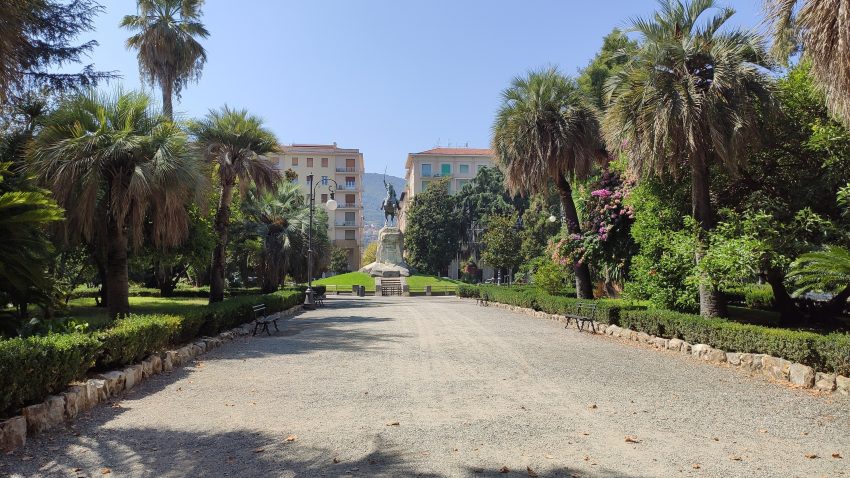
This park is part of La Spezia’s more modern layer—public green space shaped by 20th-century urban planning, when cities increasingly set aside waterfront-adjacent areas for leisure and civic life. The name signals an international political reference, which also hints at how public spaces can become statements of values and memory, not just recreation zones.
What to see is the atmosphere: open lawns, paths, and viewpoints that let you reset between denser streets and more “destination” stops. Parks like this often work as the city’s living room—families, dog walkers, teenagers, and older locals sharing the same space, especially in the late afternoon.
If you’re walking La Spezia, use the park tactically. It’s a good breather after the museum or waterfront stretch, and it gives you a quieter angle on the city’s maritime edge. Bring water, sit for ten minutes, and you’ll notice how the city’s pace changes as soon as you step off the main corridors.
Location: Parco Salvador Allende, Via Domenico Chiodo, La Spezia, SP, Italy | Hours: 24 Hours. | Price: Free.

Moira & Andy
Hey! We're Moira & Andy. From hiking the Camino to trips around Europe in Bert our campervan — we've been traveling together since retirement in 2020!
This website uses affiliate links which earn a small commission at no additional cost to you.
Walking Tour Summary
Distance: 3.5 km
Sites: 16
Walking Tour Map