Self-Guided Walking Tour of Cagliari (2026)
This website uses affiliate links which earn a small commission at no additional cost to you.
Cagliari is compact, layered, and made for wandering: medieval lanes on a hilltop citadel, elegant piazzas below, and salty sea air never far away. This self-guided walking tour is designed to help you experience the city's character at street level, moving between panoramic lookouts, historic quarters, and everyday local corners where cafés and small shops spill into the lanes. If you want a route that feels structured but still leaves room for detours, walking is the simplest way to get under Cagliari's skin.
The walk typically starts in Castello, the fortified old town, where stone stairways and narrow streets open onto sweeping terraces above the harbour. From there you can drift down into the lower districts, passing churches, civic buildings, and atmospheric backstreets that reveal how the city expanded beyond its hilltop core. Along the way you'll hit several of the best things to see in Cagliari, from landmark viewpoints to lively neighbourhood streets that show the city's daily rhythm.
Expect a route with short climbs and plenty of rewarding pauses: a quick espresso before a staircase, a shaded square to rest your feet, and viewpoints that make the uphill sections worthwhile. You can complete the full loop at a relaxed pace in a half day, or stretch it across a full day by adding museum visits, longer market stops, and a waterside finish. Either way, the aim is simple: a practical, walkable storyline of Cagliari that connects the sights with the city's atmosphere.
Table of Contents
- How to Get to Cagliari
- History of Cagliari
- Cagliari Before Rome: Early Settlements and Seafaring Foundations
- Cagliari Under Rome: Karalis and the Making of an Urban City
- Cagliari in the Medieval Era: Fortifications, Towers, and a Walled City
- Cagliari in the Spanish Period: Faith, Authority, and Courtly Power
- Cagliari in the Savoy and Italian Era: Civic Institutions and a Modern City
- Cagliari in the 19th–20th Centuries: Monumental Views and the Reframing of the City
- Cagliari Today: Preserving Layers Through Museums and Living Streets
- Where to Stay in Cagliari
- Your Self-Guided Walking Tour of Cagliari
- Portus Karalis
- Palazzo Civico
- Via Roma
- Nuragica Mostra Experience
- Torre dello Sperone
- Chiesa di San Michele
- Orto Botanico di Cagliari
- Roman Amphitheatre of Cagliari
- Galleria Comunale d’Arte
- Giardini Pubblici
- Cittadella dei Musei
- National Archaeological Museum of Cagliari
- Torre di San Pancrazio
- Palazzo Regio
- Cathedral of Cagliari
- Torre dell'Elefante
- Bastione di Saint Remy
- Archaeological Area of Sant'Eulalia
How to Get to Cagliari
By Air: Cagliari is served by Cagliari Elmas Airport, the main gateway to southern Sardinia, with frequent seasonal and year-round flights from major Italian cities and many European hubs. From the airport, the fastest option into the centre is the regional train to Cagliari station, while taxis and rideshares offer a direct door-to-door alternative; you can also pick up a rental car on arrival if you're continuing beyond the city. If your accommodation is in or near the old town, aim to arrive earlier in the day to avoid the busiest transfer times and to check in before heading out on foot. For the best deals and a seamless booking experience, check out these flights to Cagliari on Booking.com.
By Train: Trains are a practical way to reach Cagliari from other parts of Sardinia, with regular services linking the capital to towns and cities across the island via the regional network. The main station, Cagliari Centrale, sits close to the Marina district and the port area, making it an easy base for onward travel by local buses, taxis, or a short walk into central neighbourhoods. If you're continuing to beach areas or smaller inland destinations, check connections in advance because services can be less frequent outside peak times. Use Omnio to easily compare schedules, book train tickets, and find the best prices all in one place for a hassle-free journey across Italy.
By Car: Driving to Cagliari is straightforward if you're arriving via a Sardinian ferry port or touring the island, and it gives you maximum flexibility for day trips to beaches and archaeological sites. The trade-off is city parking and restricted traffic zones, especially near the historic centre, so it's often simplest to park once (or choose accommodation with parking) and then explore on foot. If you plan to keep a car in the city, look for secure garages or larger car parks on the edge of the centre and avoid relying on limited street spaces. If you are looking to rent a car in Italy I recommend having a look at Discover Cars, first, as they compare prices and review multiple car rental agencies for you.
By Bus: Intercity buses connect Cagliari with many towns across Sardinia and can be useful where train links are limited, particularly for smaller destinations. Services typically arrive near the city centre or at well-connected hubs where you can transfer to local buses or walk to nearby districts, but timetables can vary by season and day of the week. For the smoothest arrival, confirm the final stop location and last departure times if you're returning the same day. [bus]
History of Cagliari
Cagliari Before Rome: Early Settlements and Seafaring Foundations
Long before imperial rule, Cagliari grew around the advantages of trade, salt, and safe anchorage, with maritime exchange shaping daily life and the city's earliest urban patterns. The story is easiest to picture at Portus Karalis, where ships and cargo once tied the city into Mediterranean networks and where the practical business of provisioning, storage, and ship-handling helped define the local economy. Even in these early phases, Cagliari's identity was closely linked to movement: goods, people, and ideas arriving by sea, and local production flowing outward.
Cagliari Under Rome: Karalis and the Making of an Urban City
Under Roman rule, the city became more formally structured, with infrastructure and administration reinforcing Cagliari's role as an important regional centre. Archaeology provides some of the clearest evidence for how the Roman city functioned and evolved, and the Museo del Tesoro e Area Archeologica di Sant'Eulalia is a useful lens into layers of streets, buildings, and everyday material life that accumulated over centuries. For a broader, narrative view of longer timelines, the Museo Archeologico Nazionale di Cagliari brings together artefacts that help connect Roman-era Cagliari to what came before and after, showing continuity as well as disruption.
Cagliari in the Medieval Era: Fortifications, Towers, and a Walled City
As power shifted through medieval centuries, Cagliari’s defences became a defining feature, with the upper districts increasingly protected by walls, gates, and lookout points. The Torre di San Pancrazio and the Torre dell’Elefante embody this period’s priorities: control of access, surveillance, and security, built to withstand conflict and to signal authority over the city’s most strategic approaches. These towers also hint at how the medieval city was experienced on foot-compressed streets, steep climbs, and a clear separation between fortified heights and the lower commercial quarters.
Cagliari in the Spanish Period: Faith, Authority, and Courtly Power
During centuries of Spanish influence, religious institutions and civic authority shaped the city's public face, leaving a legacy that still anchors key monuments. The Cattedrale di Santa Maria Assunta e Santa Cecilia reflects the era's emphasis on ceremonial space and ecclesiastical prestige, while the Palazzo Regio points to the administrative and representative functions of rule, where power was performed as much as exercised. Together, they mark a Cagliari in which governance, religion, and urban identity were tightly interwoven, expressed through architecture and the choreography of public life.
Cagliari in the Savoy and Italian Era: Civic Institutions and a Modern City
With the transition into new political frameworks, Cagliari’s identity increasingly balanced historic fortification with modern civic life, building institutions that addressed administration, public services, and an expanding urban population. The Palazzo Civico is emblematic of this shift, representing a city that increasingly organised itself through municipal structures rather than purely aristocratic or ecclesiastical power. Everyday life also became more visibly “public” in shared spaces of commerce and routine, and the Mercato Civico di San Benedetto captures that modern rhythm: a place where the city’s food culture, daily habits, and community interactions become a living expression of continuity amid change.
Cagliari in the 19th-20th Centuries: Monumental Views and the Reframing of the City
As urban planning and public space evolved, Cagliari began to frame itself not only as a fortified stronghold but as a city of promenades, viewpoints, and civic pride. The Bastione di Saint Remy represents this transformation particularly well, turning former defensive lines into a grand terrace and passageway that reoriented how people moved through and looked over the city. It is the kind of landmark that signals a change in mindset: from fortification and separation toward openness, spectacle, and the creation of shared urban spaces designed for strolling, gathering, and taking in the panorama.
Cagliari Today: Preserving Layers Through Museums and Living Streets
Modern Cagliari actively interprets its past through curated collections and preserved districts, making it possible to read centuries of history without flattening them into a single story. The Cittadella dei Musei functions as a concentrated gateway into the city's archaeology and art, while the Museo Archeologico Nazionale di Cagliari provides the deeper time scale that places later periods in context. What keeps the history from feeling purely archival, though, is that these layers still sit alongside daily life-markets, civic buildings, port activity, and the enduring presence of towers, bastions, and sacred spaces that continue to shape how the city is experienced.
Where to Stay in Cagliari
To make the most of visiting Cagliari and this walking tour then you consider stay overnight at the centre. The most convenient base is the Marina district (near the port and Cagliari's main station), because you can walk straight into the historic core and still be close to cafés and evening restaurants after the tour. Good, walkable options here include Hotel Flora, Hotel Italia, and Regina Margherita Hotel.
If you want to be closer to the atmospheric lanes and viewpoints of the old town, look at the Castello area. You’ll be on the hill already, which makes early-morning photos and late-evening strolls much easier, and you can start the walk with the city’s headline panoramas. Strong choices around the historic centre include Hotel Nautilus (best if you still want a breezier, resort-leaning feel), Palazzo Doglio, and Hotel Villa Fanny.
For a slightly quieter, more residential base that still stays within easy walking range of the route, Villanova is a good compromise: calmer streets, local bars and bakeries, and a short walk to both the hilltop sights and the lower quarters. Consider UNAHOTELS T Hotel Cagliari, Ca' del Sol Cagliari, and Hotel Miramare if you want a central position with an easy walk back after dinner.
If you plan to combine the walking tour with beach time or you prefer more space and a relaxed evening atmosphere, staying near Poetto can work, but you’ll rely more on buses or taxis to reach the start of the route. This option suits travellers who don’t mind a short commute in exchange for shoreline walks and a calmer pace after sightseeing. Practical picks in this direction include Sardegna Hotel - Suites & Restaurant, Hotel Nautilus, and Hotel Calamosca.
Your Self-Guided Walking Tour of Cagliari
Discover Cagliari on foot with a walking tour map that guides you from stop to stop as you explore the city's historic streets, viewpoints, and lively neighbourhoods. Because it's a self-guided walk, you can set your own pace-skip any sights that don't interest you, linger where you want, and pause for coffee whenever the mood strikes.
1. Portus Karalis
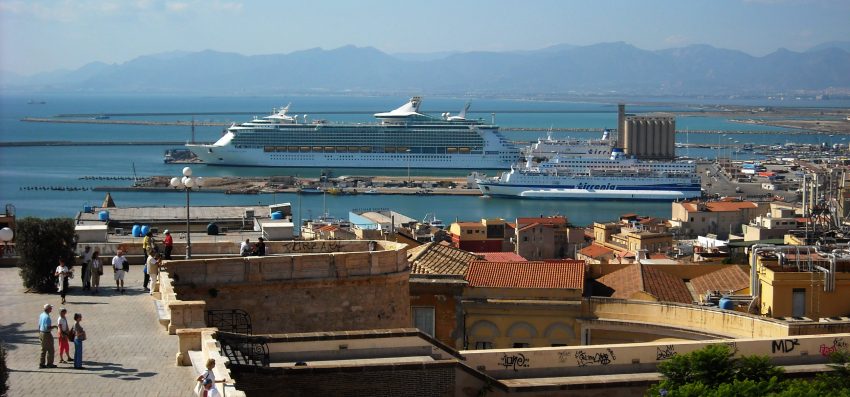
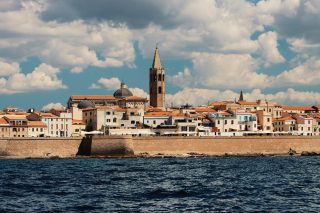
Cagliari’s harbour is the modern face of an ancient port. In Roman times, Karalis was a key maritime node on routes linking Sardinia to North Africa and the Italian peninsula, moving grain, salt, wine, and ceramics. Over centuries the shoreline was reshaped by fortifications, quays, and land reclamation, but the basic logic stayed the same: a sheltered anchorage beneath the city’s hills, with control of sea traffic feeding the wealth and importance of the settlement.
Start with the waterfront promenades and look back toward the layered skyline: the marina quarter below and the higher districts rising behind it. The port area today blends working infrastructure (ferries, cargo zones, cruise berths) with walkable stretches lined by cafés and palms, especially around the Marina and Via Roma frontage. If you like photographing “city-meets-sea” scenes, the best views come when ships are in and the light hits the limestone tones of the historic centre.
Location: Molo Dogana, 09125 Cagliari CA, Italy | Hours: 24 Hours. | Price: Free. | Website

2. Palazzo Civico
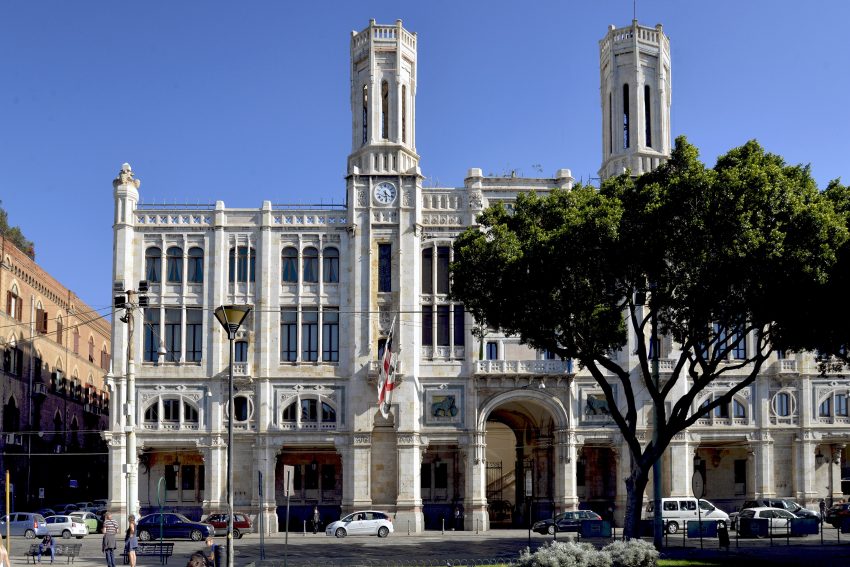
Cagliari’s Civic Palace is a statement building from the early 20th century, designed to project civic pride at a time when Italian cities were modernising their institutions and public spaces. Its architectural language leans into a historicist “revival” style—deliberately monumental, with references to medieval and Catalan-Gothic motifs that echo Sardinia’s complex past and Cagliari’s identity as a capital city.
From the outside, focus on the façade details—arcades, coats of arms, and the symmetry that reads well in photographs—especially along the Via Roma frontage. Inside (when access is possible), you’re typically looking for representative halls, ceremonial staircases, and occasional exhibitions or public displays tied to city life. Even if interiors aren’t open, the building’s real value is as an anchor point for understanding the city’s administrative heart.
Pair it with the surrounding urban fabric: the tree-lined street, the port-facing perspective, and the nearby Marina neighbourhood. It’s best seen as part of a “civic spine” walk that links the waterfront to the older hilltop quarters. If you’re interested in architecture, stand across the street to frame the full façade, then move closer to pick out the carved emblems and decorative stonework.
Location: Via Roma, 145, 09124 Cagliari CA, Italy | Hours: (Summer) Daily: 09:00–20:00. (Winter) Monday – Saturday: 10:00–13:00 & 14:00–18:00; Sunday: 10:00–13:00. | Price: Check official website. | Website
3. Via Roma
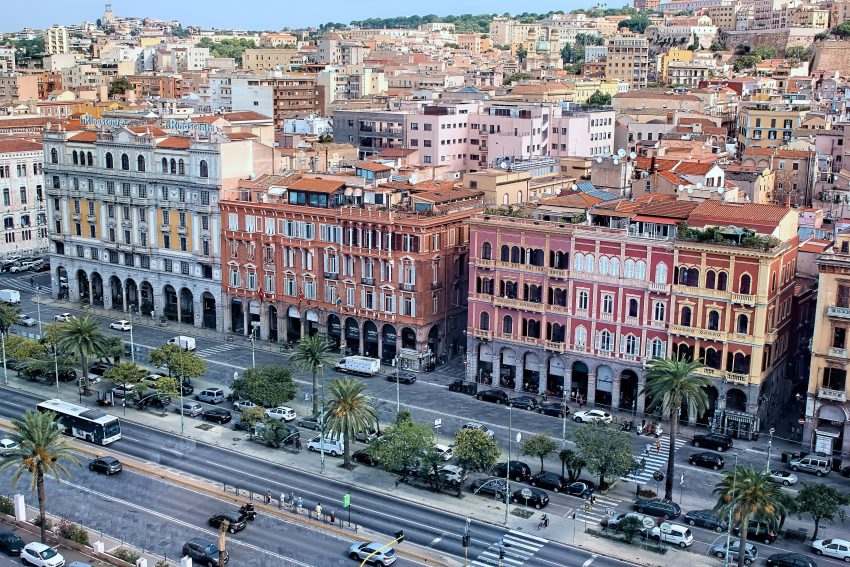
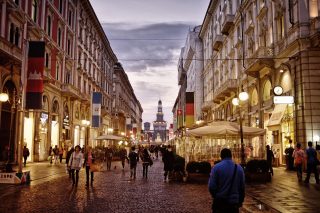
Via Roma is Cagliari’s waterfront boulevard, where the city’s “front door” opens onto the harbour. The main thing to see is the long run of arcaded porticoes and the palazzi behind them: look for the shifting colours, decorative details, and the way the architecture frames constant sea-and-ship views as you walk. It’s also one of the best people-watching strips in the city, especially at dusk when the light hits the facades.
For sightseeing, treat it as a linear promenade with detours. Walk under the porticoes to catch architectural details up close, then cross toward the harbour side for wider angles back at the “palazzata” (the unified frontage). If you like urban photography, the repeating arches give you strong leading lines, and the contrast between historic facades and the working port makes the street feel more alive than a typical shopping avenue.
Historically, the area was reshaped as Cagliari modernised in the late 19th century. Sources describe how, around 1870, the street was known as “Via San Francesco” and was lined with modest housing and small businesses tied to seafaring life; demolition near the dock began in the 1880s alongside port works, and the grand waterfront identity developed from that urban transformation. It’s a good example of how Cagliari shifted from older defensive urbanism toward a modern, outward-facing city.
Location: Via Roma, Cagliari CA, Italy | Hours: 24 Hours. | Price: Free.
4. Nuragica Mostra Experience
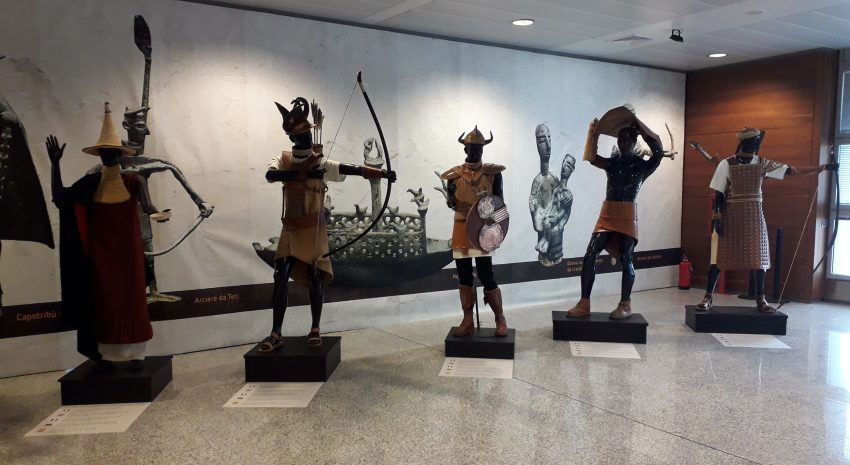
Nuragica Mostra Experience is designed as an immersive introduction to Sardinia’s Nuragic civilisation, using multimedia storytelling rather than a traditional “cases-and-labels” museum layout. What you’ll see is a guided narrative that moves through core themes (ritual, craft, monuments, daily life) and culminates in a virtual reality segment intended to place you inside reconstructed Nuragic settings.
To get the most out of it, go in with a short mental checklist: pay attention to how the exhibition explains the nuraghi (the island’s iconic stone towers), the “tombs of the giants,” sacred wells, and bronze figurines—these are the anchor points that will help you interpret archaeological sites later on your trip. The VR component is the “wow” moment, but the real value is that it gives you a usable framework for understanding what you’ll see across the island beyond Cagliari.
Historically, the exhibition’s purpose is interpretive: it packages a long timespan of ancient Sardinian culture into a single coherent story you can absorb quickly. Official descriptions frame it as a multimedia and sensory “museum experience” (and also a travelling exhibition concept), explicitly aimed at making an ancient civilisation legible to non-specialists. It’s less about displaying a single local excavation and more about building context for Nuragic Sardinia as a whole.
Location: Via Roma, 191, 09125 Cagliari CA, Italy | Hours: Daily: 10:00–13:00 & 17:00–21:00. Closed on Thursday. | Price: Adults: €15; Ages 6–18: €10; Under 5: free. | Website
5. Torre dello Sperone

Torre dello Sperone is one of the most tangible surviving fragments of medieval Cagliari’s fortifications, set in the historic Stampace quarter. What to see is the tower’s massing and masonry—built in pale limestone—and its relationship to the street level: it reads like a “gate” element, a defensive landmark that still shapes the neighbourhood’s geometry.
On site, focus on the details that reveal its original function. Look for openings and defensive features (including the telltale loophole mentioned in local descriptions), and pay attention to how the tower sits within today’s urban fabric rather than as an isolated monument. It’s not a grand interior experience; it’s a “read the city through its walls” stop, best appreciated by circling it and taking in the approaches from adjacent streets.
Historically, it dates to the Pisan period: sources describe it as a 13th-century fortification built by the Republic of Pisa, completed in March 1293, and associated with the fortified entrance in Stampace. It’s also referenced as “Alberti Tower,” and is often singled out as the oldest among the Pisan towers in the city—important not because it’s the biggest, but because it’s a rare survivor that marks how medieval power was projected through walls, gates, and controlled access.
Location: Via Ospedale, 1, 09123 Cagliari CA, Italy | Hours: 24 Hours. | Price: Free.
6. Chiesa di San Michele
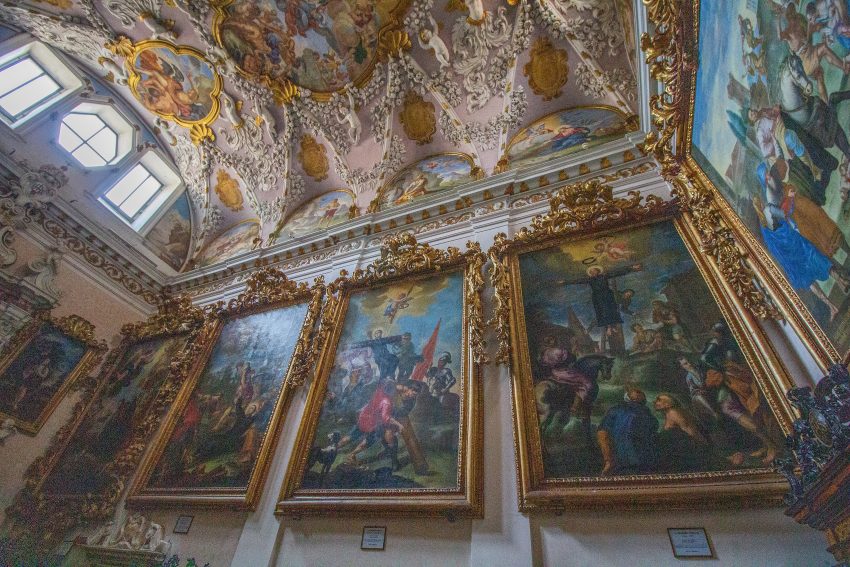
Chiesa di San Michele is one of Cagliari’s standout Baroque interiors, and it rewards slow looking. What to see is the theatrical, Jesuit-driven spatial design: a sense of controlled spectacle through chapels, rich decoration, and a dome that pulls your eyes upward. Even before you step inside, the building’s presence signals that it was meant to impress—this is faith expressed as architecture and persuasion.
For visiting, prioritise the interior sequence. Move from the entry into the main space and then work chapel by chapel, letting the decorations and artworks “stack up” into the overall Baroque effect. If it’s open, the sacristy and ancillary spaces can be as interesting as the nave because they often preserve the craft and iconography that explain how the church functioned day-to-day for its order.
Historically, it’s tied to the Society of Jesus and their presence in Sardinia. Scholarly and local sources describe construction spanning the late 17th to early 18th centuries (often given as roughly 1660s/1680s through the early 1700s), with the facade completed in the early 1700s and later works continuing into the 18th century, and it’s repeatedly described as a premier example of Baroque architecture in the city. In practical terms, it’s a built record of Jesuit influence: education, discipline, and the deliberate use of art and space to shape religious experience.
Location: Via Ospedale, 2, 09123 Cagliari CA, Italy | Hours: Monday – Friday: 10:30–12:30 & 17:00–20:30. Saturday: 10:30–12:30 & 19:00–21:00. Sunday: 10:00–12:00 & 19:00–21:00. | Price: Free; donations appreciated. | Website
7. Orto Botanico di Cagliari
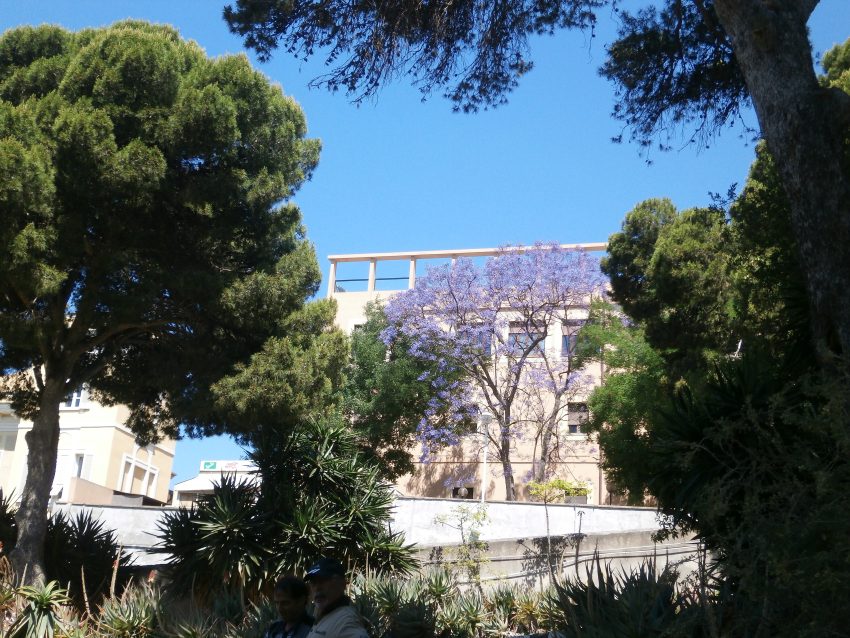
Orto Botanico di Cagliari is a green, low-stress counterpoint to the stone-and-street intensity of the historic quarters. What to see is both botanical and archaeological: Mediterranean plantings and succulent collections alongside physical traces of older infrastructure—sources note Roman cisterns and caves within the grounds—so your visit can shift between nature and deep-time urban history without leaving the garden.
For sightseeing, think in layers. Start with the broad layout (so you understand how the garden is organised), then choose a theme: Mediterranean flora, succulents, or the more exotic/tropical sections that make the collection feel global. Don’t rush past the “quiet” corners: shaded paths and the structural remnants are where the place starts to feel like a lived landscape rather than a curated display.
Historically, the botanical garden is closely linked to the University of Cagliari and the city’s scientific life. A first attempt at a garden dates back to 18th-century plantings, while the modern institution was inaugurated in 1866 under the direction of Patrizio Gennari; it was later damaged during World War II and restored. It’s a good example of how “useful” scientific spaces—acclimatisation, teaching, cataloguing—also become public heritage over time.
Location: Via Sant'Ignazio da Laconi, 11, 09123 Cagliari CA, Italy | Hours: (Summer) April 1 – October 31; Tuesday – Sunday: 09:00–18:00. Closed on Monday. (Winter) November 1 – March 31; Tuesday – Sunday: 09:00–16:00. Closed on Monday. | Price: Adults: €6; Reduced: €4; Under 6: free. | Website
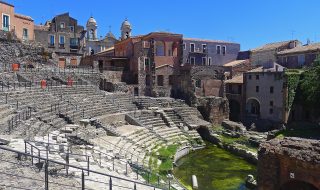
8. Roman Amphitheatre of Cagliari
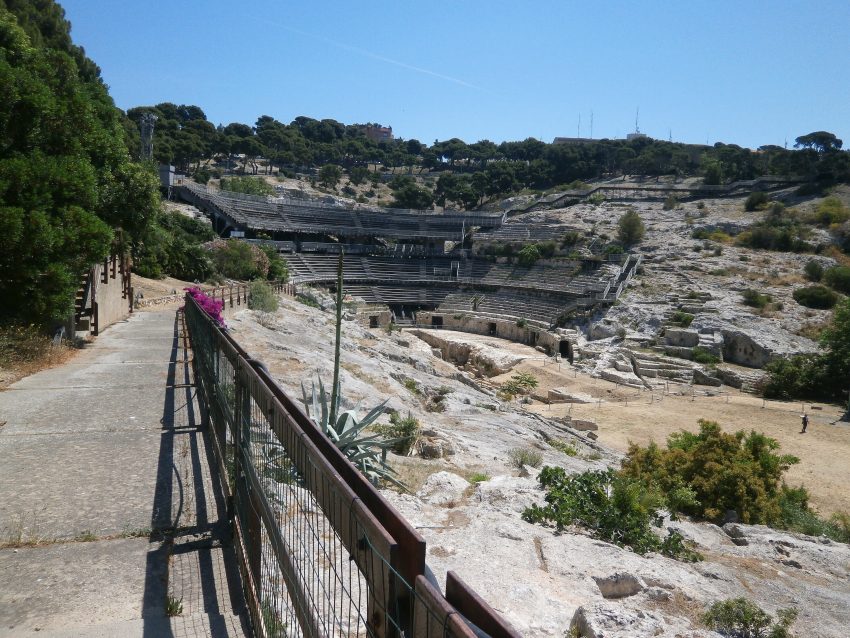
The Roman Amphitheatre is one of those sites where construction technique is the main spectacle. What to see is the way the building is literally shaped from the landscape: sources describe it as partly carved into rock and partly built in local limestone, which makes the monument feel fused to the hillside rather than placed on it. Even when access is limited, the outline and cut-stone logic are readable from viewpoints around the perimeter.
When you visit, look for the functional anatomy—arena, seating zones, and the rock-cut passages that once handled crowds and performers. Try to imagine sightlines: where spectators sat, how they entered, and how the stage-management of animals, gladiators, and officials might have worked. Because it’s not a fully “rebuilt” amphitheatre, the experience is partly interpretive: you’re reconstructing the missing volumes in your head from what survives.
Historically, it dates to the 2nd century AD and served Roman Caralis as a venue for spectacles, including gladiatorial combat, animal fights, and executions. Sources also note a long afterlife: it fell out of use by around the 5th century and was later quarried for stone under successive rulers (including Byzantine, Pisan, and Aragonese phases), before 19th-century acquisition and excavation work. That “use, abandonment, reuse” arc is the real history lesson: the monument isn’t just Roman—it’s a record of how every later era treated the Roman city as a resource.
Location: Via Sant'Ignazio da Laconi, 09123 Cagliari CA, Italy | Hours: (Summer) April 28 – September 30; Daily: 10:00–13:00 & 15:00–19:00. (Winter) October 1 – April 27; Daily: 10:00–17:00. | Price: Adults: €3 | Website
9. Galleria Comunale d’Arte
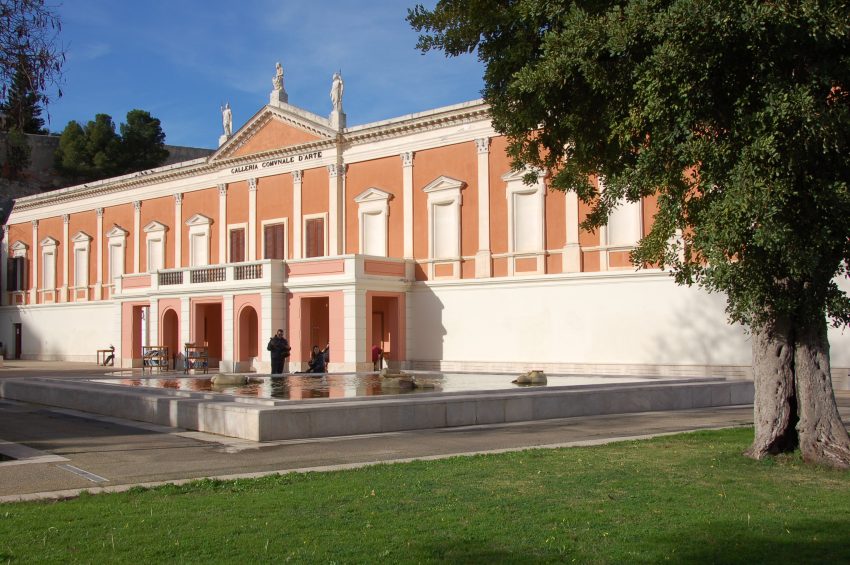
Galleria Comunale d’Arte is the city’s key stop if you want to balance archaeology and architecture with modern and contemporary visual culture. What to see depends on your interests: sources highlight that it houses major local collections, including works by Italian and Sardinian artists, and it’s often positioned as the place to get a coherent sense of 20th-century artistic identity on the island.
For a satisfying visit, pick a thread and follow it rather than trying to “cover everything.” If you’re new to Sardinian art, start with the Sardinian-focused holdings to learn the names, motifs, and materials that recur; then move outward to see how those artists sit within wider Italian currents. The building’s setting near the public gardens also makes it easy to combine art with a slower, restorative walk.
Historically, the gallery became a permanent civic institution in the early 20th century: Sardegna Cultura notes a transformation into a permanent art gallery in 1928, while Cagliari’s tourism material highlights an inauguration in 1933 and emphasises growth through donations and acquisitions. Either way, the story is clear: it’s a modern municipal project—built around collecting, preserving, and publicly presenting art as part of the city’s identity, not just as private taste.
Location: Viale S. Vincenzo, 2, 09123 Cagliari CA, Italy | Hours: Tuesday – Sunday: 10:00–18:00. Closed on Monday. | Price: Adults: €6; Reduced: €3; Children under 6: free. | Website
10. Giardini Pubblici

Giardini Pubblici sit at the edge of the Castello area as a classic “pause point” in the city: shady, landscaped, and elevated enough to feel like a viewpoint as well as a park. What to see is the overall garden composition—mature trees, formal paths, and sculptural elements—plus the way the greenery frames your sense of the city’s topography (old quarter above, newer districts and sea beyond).
For visiting, treat it as a sequence rather than a single lawn. Walk the main avenues first, then peel off into quieter corners; the best moments are often small—light on stone, an unexpected statue, a bench with a view. It pairs well with the nearby art gallery because you can alternate focused indoor time with open-air decompression.
Historically, these are described as the city’s oldest gardens: sources note municipal acquisition around 1839–1840 and construction under the reign of the House of Savoy. That matters because it places the gardens in the 19th-century civic turn toward public spaces—greenery as urban improvement, health, and prestige—rather than private aristocratic enclosure. In other words, the gardens are not just “pretty”; they’re a marker of modern municipal Cagliari taking shape.
Location: Largo Giuseppe Dessì, 09123 Cagliari CA, Italy | Hours: (Winter) October 1 – April 30; Daily: 06:30–24:00. (Summer) May 1 – September 30; Daily: 05:30–24:00. | Price: Free. | Website
11. Cittadella dei Musei

The Cittadella dei Musei is Cagliari’s main museum complex, set within a fortified or elevated area that already feels historically “institutional.” It functions as a cultural hub rather than a single museum, gathering multiple collections into one walkable cluster. The setting reinforces the theme: you’re in the historic high city, where defence, power, and learning have long overlapped.
What to see depends on which museums you enter, but the overall appeal is the breadth: archaeology, art, and specialised collections that together sketch Sardinia’s story across millennia. Even between buildings, pause for the views and the sense of moving through a “citadel” of culture—courtyards, stone edges, and the urban drop-offs that remind you Cagliari is a city of levels.
Plan this as a half-day if you want to do it properly, especially if you’re also tackling the National Archaeological Museum in depth. The complex is ideal when the weather is hot or windy because it gives you structured indoor time without losing the feeling of being in the historic centre. If you’re trying to understand Sardinia beyond postcards, start here early in your trip: the collections give context that makes later walks through ruins, churches, and city streets more legible.
Location: Piazza Arsenale, 1, 09123 Cagliari CA, Italy | Hours: Monday: 08:30–19:30. Tuesday: Closed. Wednesday – Sunday: 08:30–19:30. | Price: Adults: €10; Reduced: €5; EU ages 18–24: €2; Under 18: free. | Website
12. National Archaeological Museum of Cagliari
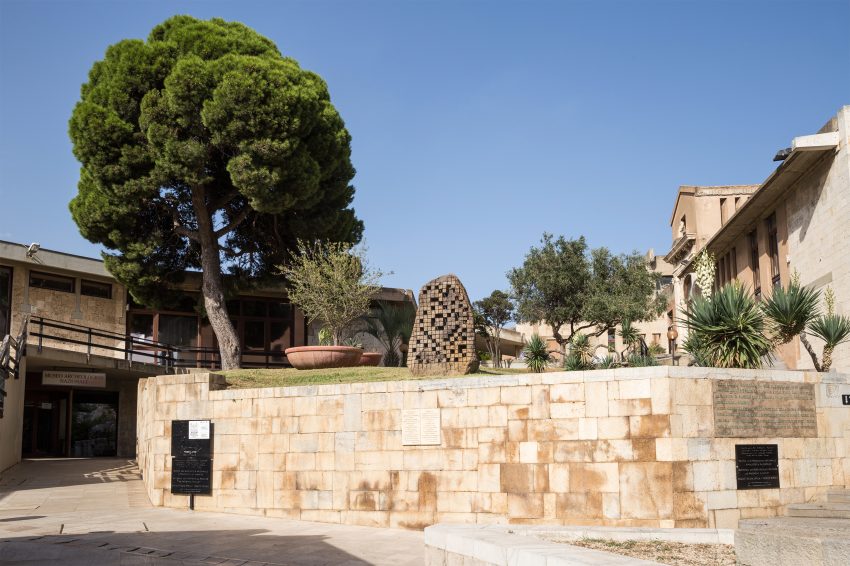
This is the essential museum for understanding Sardinia’s deep past, especially the Nuragic civilisation and the island’s role in wider Mediterranean networks. Sardinia wasn’t an isolated backwater; it was a crossroads where local traditions interacted with Phoenician, Carthaginian, Roman, and later influences. The museum’s collections reflect that complexity, showing how an island can be both distinct and profoundly connected.
What to see includes iconic Nuragic materials—stone and bronze objects, votive figures, and artefacts that hint at ritual, status, and trade. Pay attention to changes in craftsmanship and symbolism across time: the shift from local forms to imported styles (and hybrid combinations) is one of the clearest ways to “read” contact and conquest. If you like maps and timelines, use them; they help link what you’re seeing to specific regions across the island.
Give yourself time and pace it. A useful approach is to do a first pass for the big themes (Nuragic identity, external contacts, urban life under Rome) and then a second pass for details that catch your eye. It pairs naturally with a city walk that includes the towers and cathedral: you’ll see how the medieval city sits atop much older layers of Sardinian history. If you’re visiting archaeological sites outside Cagliari later, this museum will make those experiences significantly richer.
Location: Piazza Arsenale, 1, 09124 Cagliari CA, Italy | Hours: Wednesday – Monday: 08:30–19:30. Tuesday: Closed. Ticket office closes at 18:45. | Price: Adults: €10; Reduced: €5; EU citizens 18–24: €2; Under 18: free. Free entry on the first Sunday of each month. | Website
13. Torre di San Pancrazio
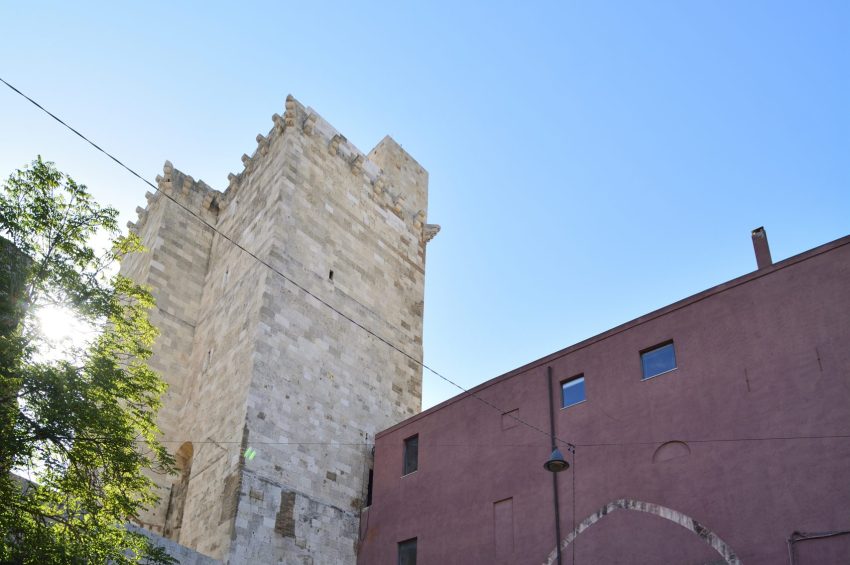
The Tower of San Pancrazio is a major medieval defensive structure built to protect the northern approaches to the Castello district. Along with other towers and walls, it formed part of a security system meant to withstand sieges and control movement. Its mass and simplicity are the point: a vertical stone machine for surveillance and defence, designed more for function than ornament.
Climbing the tower is again the headline. The views differ from other viewpoints because of its position and height: you get a clearer sense of the inland directions as well as the city’s upper walls and bastions. Look closely at the construction—stone blocks, openings, and the layout that allowed defenders to monitor and respond. The tower’s interior can feel austere, which is appropriate: it’s easier to imagine the stress and discipline of a fortified city when you’re in a space built for vigilance.
Combine it with nearby museum stops, since it sits close to Cagliari’s main cultural cluster in the Castello area. If you’re visiting multiple towers, do them at different times of day to vary the light and atmosphere; even small changes shift the experience. For a history-focused walk, connect the tower to the city walls and then descend toward the lower districts, tracing how defence and daily life interacted across elevation.
Location: Piazza dell' Indipendenza, 09124 Cagliari CA, Italy | Hours: Check official website. | Price: Check official website. | Website
14. Palazzo Regio
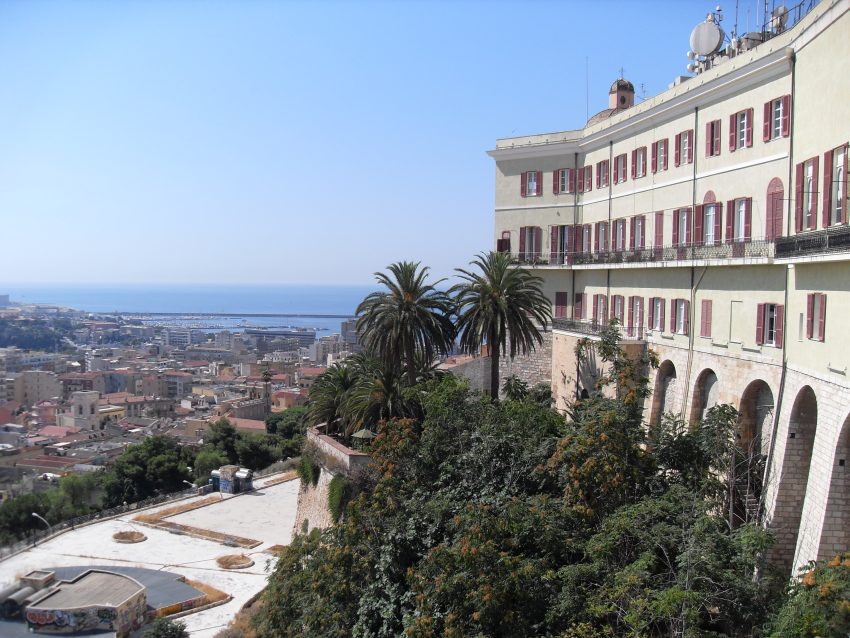
The Royal Palace in Cagliari is tied to the city’s role as an administrative capital, especially during periods when Sardinia’s governance required a formal seat for authority. Over time, the building absorbed layers of political meaning—less about “royal glamour” in the modern tourist sense and more about bureaucracy, representation, and the projection of state power in a strategically important Mediterranean city.
What to see typically centres on the ceremonial rooms: grand halls, formal staircases, and interiors that use decoration to communicate legitimacy—frescoes, gilding, portraits, and period furnishings where preserved. Even when access varies, the palace’s exterior and setting are worth attention because they sit within the densest historic fabric of Castello, surrounded by other institutions and major monuments.
Treat it as part of a Castello circuit with the cathedral, towers, and museum areas. The interest is strongest if you like political history and the architecture of governance—how buildings are designed to impress, organise, and separate public and private power. After your visit, step to nearby viewpoints to connect the palace’s authority with the geography it helped administer: harbour below, road routes inland, and the defensive heights around you.
Location: Piazza Palazzo, 1, 09124 Cagliari CA, Italy | Hours: (Summer) May 1 – October 31; Daily: 10:00–19:00. (Winter) November 1 – April 30; Daily: 10:00–18:30. | Price: Palace visit: €3; Palace + temporary exhibitions (if any): €4; Guided visit: €5.
15. Cathedral of Cagliari
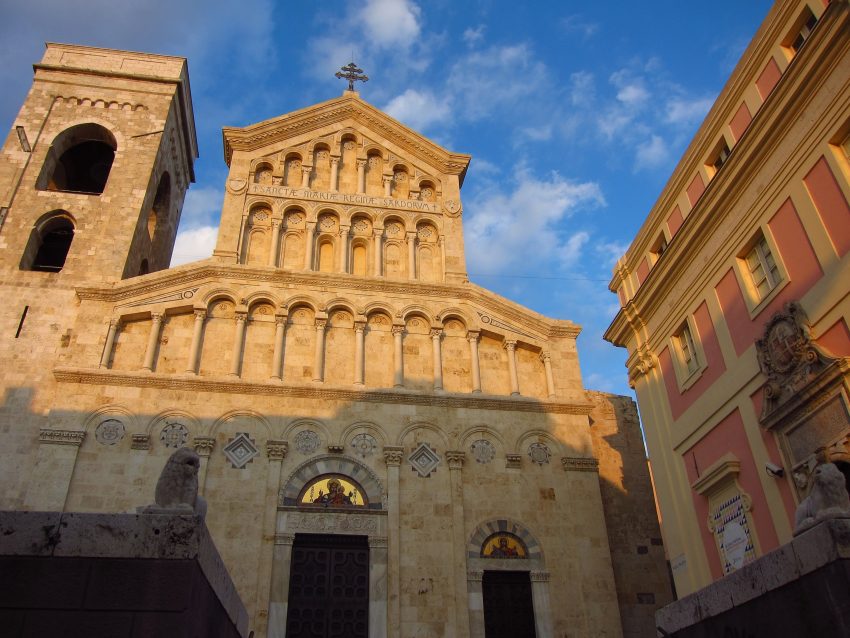
Cagliari’s cathedral is the spiritual centre of the Castello district and a building shaped by centuries of alteration—an architectural palimpsest. Founded in the medieval period and remodelled multiple times, it reflects changing tastes, political powers, and liturgical needs. Like many cathedrals in the Mediterranean, it balances a fortress-like presence (appropriate to its hilltop setting) with richly detailed interiors that signal wealth and devotion.
Inside, focus on the nave proportions, side chapels, and the accumulation of artworks and decorative elements that reveal patronage across generations. Look for sculptural details, marble work, and any crypt or treasury areas that deepen the visit beyond a quick glance. Cathedrals reward slow looking: small iconographic choices, tombs, and inscriptions often tell you as much about the city’s social history as the grand altar does.
The cathedral also works as a “pivot” for exploring Castello. Step outside and you’re immediately in an environment of bastions, viewpoints, and narrow lanes—so it’s easy to pair sacred history with urban panoramas. Visit earlier in the day for a calmer interior atmosphere, then do the viewpoints afterward. If you’re sensitive to dress codes or quiet spaces, plan accordingly and treat the interior as a living place of worship, not just a monument.
Location: Piazza Palazzo, 4/a, 09124 Cagliari CA, Italy | Hours: Monday – Saturday: 09:00–20:00. Sunday: 08:00–13:00 & 16:00–20:30. Monday – Saturday (Bell Tower): 13:00–16:00. | Price: Free; donations appreciated. | Website
16. Torre dell'Elefante
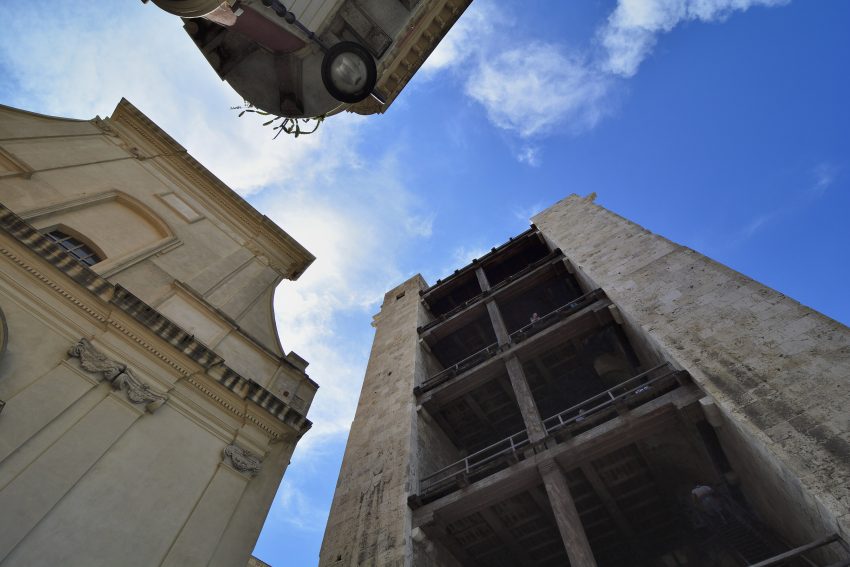
The Elephant Tower is one of Cagliari’s best-preserved medieval defenses, built when the city needed strong fortifications to protect the Castello district. Its design reflects the practical priorities of the era: thick stone, elevated platforms, and controlled access points that allowed defenders to watch approaches and respond quickly. The tower’s name comes from a small elephant sculpture associated with the site, a memorable detail that helps it stand out among the city’s many historic stones.
Climbing the tower is the main “what to see” experience. As you ascend, pay attention to the masonry and the way openings frame the city in slices—alleys below, rooftops stepping down the hill, and distant water. The upper levels deliver one of the most satisfying viewpoints in the old town, with a sense of being “inside” the fortifications rather than merely looking at them from outside.
Build it into a Castello walk with nearby gates, walls, and the cathedral area. The tower is especially good in the morning when the light is clearer and the streets below are quieter. If you’re interested in defensive history, imagine how visibility and height mattered: the tower isn’t just a lookout, it’s part of an integrated system of walls and choke points that shaped how people moved through the city.
Location: Piazza S. Giuseppe, 5, 09124 Cagliari CA, Italy | Hours: (Summer) April 28 – September 30; Monday – Sunday: 10:00–13:00 & 15:00–19:00. (Winter) October 1 – April 27; Monday – Sunday: 10:00–17:00. | Price: Adults: €3; Reduced: €2; School groups: €1; Combined cultural-sites ticket: €8; Free for people with disabilities and one companion. | Website
17. Bastione di Saint Remy
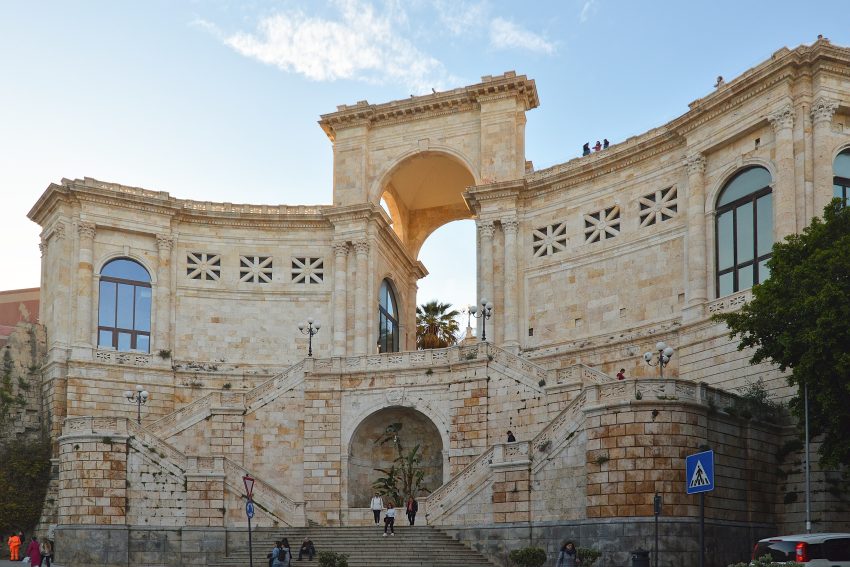
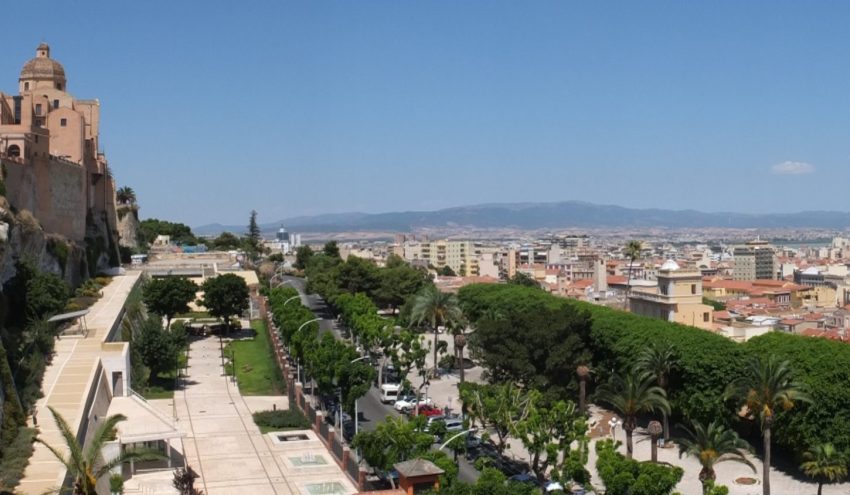
The Bastion of Saint Remy is a relatively modern monument built on older defensive lines, created when Cagliari’s fortifications were transformed into a grand urban terrace. It sits at the junction between the historic districts and the lower city, using the logic of military architecture—height, sightlines, solid retaining walls—but reimagined for civic life and public display.
What to see is straightforward and satisfying: the monumental staircase, the grand terrace, and the sweeping views across rooftops, the marina, and out toward the sea. The architecture itself is part of the attraction—arches, balustrades, and the sense of arriving at a “stage” above the city. It’s one of the best places to understand Cagliari’s topography in a single glance, especially how the city climbs from the waterfront to the Castello heights.
Time your visit for late afternoon into sunset when the stone warms and the city lights start to pick up. The bastion is also a natural connector: from here you can drift into the Castello quarter, drop down into shopping streets, or head toward cafés in the Villanova area. If you like atmosphere, come back after dark as well—the viewpoint becomes calmer and the geometry of the arches reads differently under lighting.
Location: Piazza Costituzione, 09121 Cagliari CA, Italy | Hours: (Summer) April 28 – September 30; Daily: 10:00–13:00 & 15:00–19:00. (Winter) October 1 – April 27; Daily: 10:00–17:00. | Price: Terraces: Free. Covered Walkway + Sperone Gallery: Adults from €3; Reduced from €2; School groups €1; Under 6: free. | Website
18. Archaeological Area of Sant'Eulalia
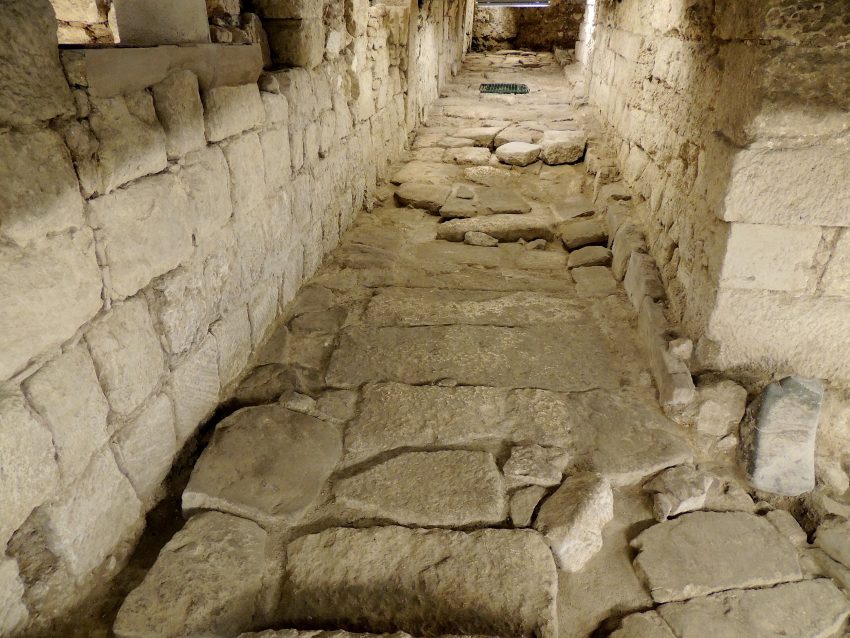
This site is one of Cagliari’s most rewarding “beneath the surface” visits because it combines sacred art with archaeology in the same footprint. The church of Sant’Eulalia sits in the Marina district, an area long shaped by merchants, sailors, and successive waves of rebuilding. Under and around it, excavations reveal earlier phases of the city—street levels, structures, and traces of daily life that show how the neighbourhood evolved across Roman and later periods.
In the museum spaces, look for liturgical objects and devotional artworks that reflect the church’s role in community life: silverwork, reliquaries, vestments, and pieces tied to local patronage. The experience is often less about one headline masterpiece and more about the cumulative sense of craft and continuity—how belief, wealth, and maritime trade intersected in a busy port-adjacent quarter.
The archaeological area is the highlight for many visitors: you move through exposed layers that make urban history tangible—stone surfaces, foundations, and fragments that map older routes through the district. Go slowly and read the interpretive panels; they’re what turns “ruins” into a narrative. If you’re planning a day, this pairs neatly with the Marina’s lanes, nearby churches, and a later climb up to Castello for the citywide context.
Location: V. del Collegio, 2, 09124 Cagliari CA, Italy | Hours: Monday – Sunday: 09:30–13:00 & 16:00–19:00. | Price: Adults: €5.00; Reduced (children aged 6+, students up to 26): €2.50; Under 6 & visitors with disabilities: free. | Website

Moira & Andy
Hey! We're Moira & Andy. From hiking the Camino to trips around Europe in Bert our campervan — we've been traveling together since retirement in 2020!
This website uses affiliate links which earn a small commission at no additional cost to you.
Walking Tour Summary
Distance: 4.5 km
Sites: 18