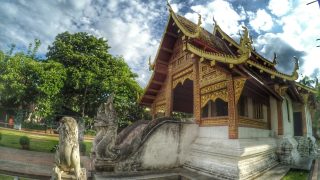
Wat Tung Yu, Chiang Mai
Buddhist Temple in Chiang Mai
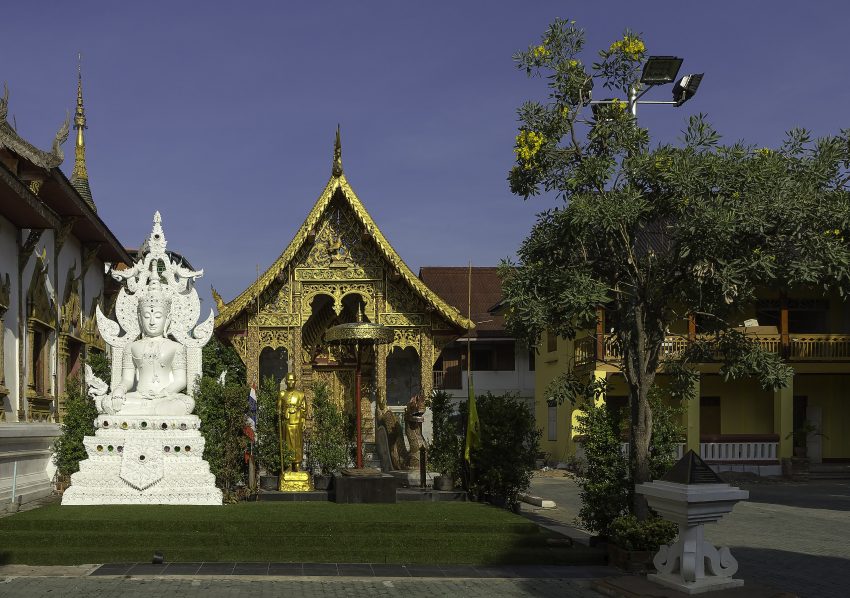
Wat Thung Yu, sometimes spelled Wat Tung Yu, is one of Chiang Mai's most intriguing historic temples, blending royal heritage with striking Buddhist artwork. Believed to be over 500 years old, it is referenced in the poetical work Nirat Hariphunchai from around 1517 and has enjoyed royal patronage for centuries. Even in the early 20th century, royal princes continued to honour the temple, including Prince Intawarot Suriyawang, who commissioned the tiered umbrella atop the chedi in 1909. For visitors exploring the Old City, this is one of the must-see places in Chiang Mai for anyone interested in Lanna art, architecture, and Buddhist storytelling.
Though less famous than temples like Wat Phra Singh or Wat Chedi Luang, Wat Thung Yu is often visited on walking tours of Chiang Mai because of its haunting murals, royal connections, and beautifully preserved structures. Its blend of quiet atmosphere and artistic richness makes it an unforgettable stop for temple explorers.
History and Significance of Wat Thung Yu
Wat Thung Yu's long history is tied to royalty and literature. Its name is thought to reference a ceremonial umbrella symbolising princely rank, making it likely connected to noble patronage from its earliest days. The temple's mention in Nirat Hariphunchai reflects its importance as early as the 16th century, a time when Chiang Mai was at the height of Lanna cultural development.
Over the centuries, the temple continued to receive support from royal families, culminating in the 1909 tiered umbrella atop the chedi-an architectural feature that further solidified the temple’s status. Wat Thung Yu stands today as a vivid reminder of the city’s cultural and religious evolution, with structures that showcase both traditional craftsmanship and vibrant Buddhist storytelling through murals.
Things to See and Do in Wat Thung Yu
One of the temple’s most striking elements is the collection of murals depicting scenes of hell, located at the back of the viharn. These graphic portrayals of punishment-naked figures enduring vivid tortures-serve as dramatic visual lessons about karma and morality. While depictions of hell appear in temples across Thailand, Wat Thung Yu’s murals are among the largest and most compelling in Chiang Mai’s Old City.
The viharn itself is impressive, raised on a high base and crowned with a three-tiered roof topped by eagle-shaped chofas. Gilt naga heads gleam at the roof corners, while colourful glass mosaics form the bodies of nagas along the bargeboards. The entrance is guarded by green-scaled nagas with gilded heads, leading into a hall filled with murals from the Jataka tales. Red-lacquered pillars with gilt floral motifs rise toward the ceiling, and the windows feature beautifully carved golden Deva figures. The altar stands out for its nine crystal Buddhas in vibrant colours-yellow, pink, blue, red, and green-reminiscent of the famous Emerald Buddha.
The chedi behind the viharn is a quintessential Lanna-style structure with layered square bases, a half-bell form, and decorations of coloured glass and porcelain. Though weathered, its lotus-flower pinnacle and small hti umbrella reflect the artistry of earlier centuries. Chinthe lions guard the corners, while a Buddha image in a niche and the golden cloth draped around the base add to its sacred presence.
The ubosot is smaller but even more ornate. Built from marble-like stone and left unwhitewashed, it features colourful makaras disgorging nagas, gilded bargeboards, and a richly detailed gable of floral motifs and mosaic tiles. The entrance is framed with gilt mouldings, while the carved doors depict Deva figures standing on elephants, showcasing remarkable craftsmanship.
How to Get to Wat Thung Yu
From Chiang Mai International Airport, Wat Thung Yu is an easy 10-15 minute drive by taxi or rideshare. For the best deals and a seamless booking experience, check out these flights to Chiang Mai on Booking.com. From Chiang Mai Railway Station, travellers can take a red songthaew or taxi into the Old City, with a short walk required depending on the drop-off point. Train schedules and bookings can be found on Omio. Visitors arriving by car can follow the Old City moat road, enter through the nearest gate, and find parking along the nearby streets.
Practical Tips on Visiting Wat Thung Yu
- Best time to visit Wat Thung Yu: Early morning for quiet and soft light.
- Entrance fee in Euros: Free.
- Opening hours: Generally daylight hours.
- Official website: None.
- How long to spend: 20-30 minutes.
- Accessibility: Mostly flat; some steps into buildings.
- Facilities: Limited; cafés and shops nearby.
- Photography tip: Capture the colourful crystal Buddhas against the darker interior for contrast.
- Guided tours: Sometimes included in Old City temple walks.
- Nearby food options: Numerous cafés within a short walk.
Where to Stay close to Wat Thung Yu
Staying near Wat Thung Yu places you in a culturally rich area of Chiang Mai’s Old City. For boutique charm in a quiet garden setting, Tamarind Village is an excellent choice. A stylish and centrally located hotel, perfect for exploring the city on foot, is U Chiang Mai. Travellers seeking refined interiors and luxury may prefer The Inside House.
Is Wat Thung Yu Worth Visiting?
Yes. Wat Thung Yu is absolutely worth visiting for its unusual hell murals, crystal Buddha altar, and rich architectural details. It offers a mix of historic charm and artistic depth, making it a rewarding stop for travellers seeking something beyond Chiang Mai’s most famous temples.
What Other Travellers Say...

Wat Tung Yu, on Rachadamnoen Road in Chiang Mai, is a calm, welcoming temple known for meditation instruction and open, friendly volunteers who answer questions and guide visitors; highlights include a large white Buddha between two buildings and displays of jade Buddhas, and visitors praise teachers (notably David) and volunteers (such as Vee) for free teachings, guided prayer, and a personal, peaceful experience — the site is compact but beautiful and worth a visit if you want meditation, conversation, and quiet reflection rather than a long excursion.


FAQs for Visiting Wat Thung Yu
Nearby Attractions to Wat Thung Yu
- Wat Phra Singh - One of Chiang Mai's most revered temples with elegant Lanna architecture.
- Wat Chedi Luang - A towering 14th-century chedi and the city pillar shrine.
- Wat Phan Tao - A beautifully crafted wooden viharn built from recycled teak.
- Three Kings Monument - A central landmark honouring the founders of Chiang Mai.
- Lanna Folklife Museum - Exhibits exploring the culture, beliefs, and traditions of the Lanna kingdom.
The Wat Tung Yu appears in our Complete Guide to Visiting Chiang Mai!

Moira & Andy
Hey! We're Moira & Andy. From hiking the Camino to trips around Europe in Bert our campervan — we've been traveling together since retirement in 2020!
This website uses affiliate links which may earn a commission at no additional cost to you!
Planning Your Visit
Nearby Attractions
- Wat Pha Bong (0.2) km
Buddhist Temple - Wat Phra Singh (0.2) km
Buddhist Temple - Wat Inthakhin Sadue Mueang (0.3) km
Buddhist Temple - Wat Chedi Luang (0.3) km
Buddhist Temple - Wat Prasat (0.3) km
Buddhist Temple - Chiang Mai City Arts & Cultural Centre (0.3) km
Museum - Three Kings Monument (0.4) km
Statue - Wat Phan Tao (0.4) km
Buddhist Temple - Lanna Folklife Museum (0.5) km
Museum - Wat Saen Muang Ma Luang (0.7) km
Buddhist Temple