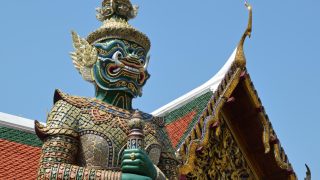
Wat Ratchapradit, Bangkok
Buddhist Temple in Bangkok
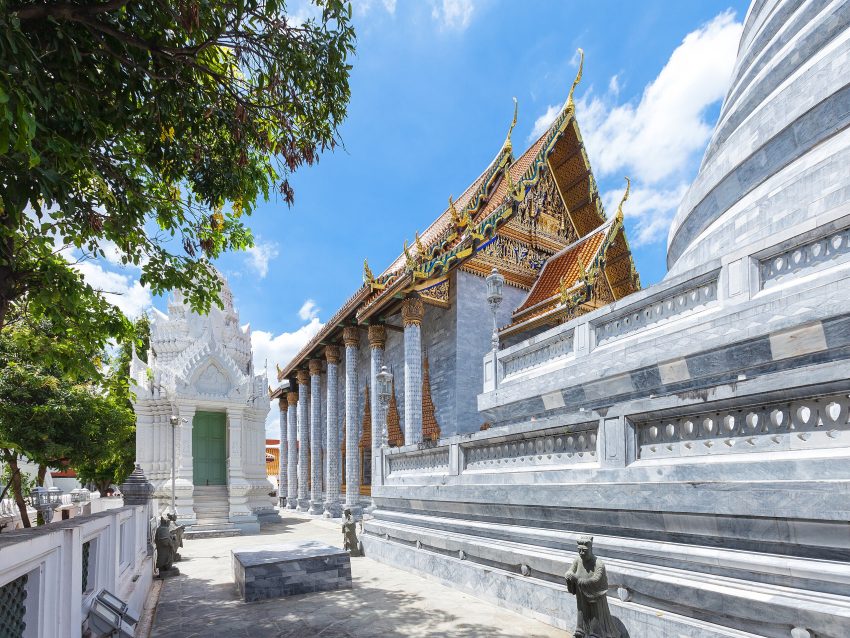
Wat Ratchabophit is one of the top sights in Bangkok, a temple where East meets West in remarkable harmony. Its colorful tiled roofs, intricate goldwork, and marble interiors make it one of the most striking examples of 19th-century Thai architecture. Located near the city's most famous landmarks, it's a serene yet visually captivating site that reflects King Rama V's deep appreciation for both Thai artistry and European design.
A highlight of any walking tour of Bangkok, the temple's atmosphere is calm and reverent, contrasting beautifully with the nearby bustle of the city. From its shimmering chedi to its Italian-inspired interiors, Wat Ratchabophit offers visitors a glimpse into the artistic ambitions of Thailand's royal past and its openness to global influences.
History and Significance of Wat Ratchabophit
Commissioned by King Rama V (King Chulalongkorn) in 1869, Wat Ratchabophit was built to symbolize his vision of modernizing Thailand while preserving its cultural roots. The temple's name means “Temple of the King's Assembly,” reflecting its close royal connections. Its layout and design reflect a careful balance between Thai religious architecture and European decorative sensibilities, a hallmark of Rama V's reign.
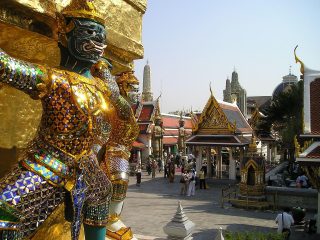
The temple’s most distinctive feature is its circular courtyard centered around a gilded chedi in the Sri Lankan style, standing 43 meters high. This golden stupa is surrounded by cloisters decorated with elaborate glazed tiles reminiscent of traditional benjarong porcelain. The ubosot (ordination hall) and wiharn (assembly hall) mirror each other in design, a feature rarely seen in Thai temples.
Every doorway and window frame is embellished with gold, colored glass, and lacquerwork depicting mythical figures and floral motifs. The temple grounds also include the royal cemetery of the Chakri dynasty, with beautifully crafted monuments built for members of the royal family.
Things to See and Do in Wat Ratchabophit
Wat Ratchabophit’s beauty lies in its details, and each section of the temple offers something unique. The central chedi, sheathed in gold and gleaming in the sunlight, represents enlightenment and the eternal presence of the Buddha. Surrounding it is a circular gallery filled with Buddha images from different periods of Thai history.
One of the temple’s hidden gems is the Golden Pig Statue, located across a small canal to the north. This bridge and statue were commissioned by one of King Rama V’s queens, who was born in the Year of the Pig. Crossing this bridge is considered auspicious, symbolizing good fortune and prosperity.
Equally fascinating is the Gothic-style burial ground on the western side of the temple, where small chapels and chedis are built in distinctly European architectural styles. Some resemble miniature cathedrals, their pointed arches and stained-glass details reflecting the Western influences that shaped King Rama V’s reign. The temple’s prayer halls (wiharns) are decorated with gold and mirrored tiles, blending seamlessly with the surrounding chedis.
Visitors interested in architecture and symbolism will also appreciate the educational displays explaining Buddhist structures such as the chedi, housing relics or ashes, and the wiharn, where laypeople come to pray. Together, these features make Wat Ratchabophit one of the must-see places in Bangkok for lovers of art, history, and design.
How to Get There
Wat Ratchabophit is located in the Phra Nakhon district, not far from the Grand Palace and Wat Pho. The easiest way to reach it is by taking the Chao Phraya Express Boat to Tha Tien Pier, followed by a short 10-minute walk. Taxis and tuk-tuks are readily available, though walking from nearby attractions is often the best way to explore the area. For those using the MRT, the Sanam Chai Station provides convenient access to the neighborhood.
Practical Tips on Visiting Wat Ratchabophit
- Best time to visit Wat Ratchabophit: Early morning or late afternoon, when the light enhances the gold detailing and the temple is less crowded.
- Entrance fee in Thai Baht: Free.
- Opening hours: Daily from 8:00 AM to 5:00 PM.
- Official website: None; updates can be found on local tourism websites.
- How long to spend: Around 45 minutes to 1 hour.
- Accessibility: Flat grounds with paved walkways suitable for wheelchairs.
- Facilities: Restrooms and shaded seating areas available nearby.
- Photography tip: Capture the reflection of the golden chedi in the circular courtyard for a perfect symmetry shot.
- Guided tours: Occasionally included in temple or architecture walking tours.
- Nearby food options: Local eateries around Phra Nakhon serve Thai dishes like pad kra pao, mango sticky rice, and fresh coconut juice.
Is Wat Ratchabophit Worth Visiting?
Absolutely. Wat Ratchabophit is a hidden gem that blends the grace of Thai temple architecture with the elegance of European artistry. It's quieter than many of Bangkok's other temples, offering a more intimate experience of royal craftsmanship and cultural fusion. For travelers exploring the historic heart of the city, this is one of the things to do in Bangkok that truly stands out.
What Other Travellers Say...

Wat Ratchapradit Sathit Maha Simaram sits beside Saranrom Park and rewards a short visit with fine marble tiles, gilded teak, vivid mosaics and intricate murals; though compact compared with Bangkok's larger temples, visitors praise its stunning decorative detail, quiet atmosphere and an impressive viharn and ordination hall that house the principal Buddha image and royal memorials, but note the site can be closed at times and on-site history signage may be only in Thai.


FAQs for Visiting Wat Ratchabophit
The temple was commissioned by King Rama V (Chulalongkorn) and completed in 1869.
It combines traditional Thai design with Western architectural elements, including Gothic-inspired chedis and Italian-style interiors.
No, entrance is free for all visitors.
Most visitors spend about an hour exploring the temple and its surrounding grounds.
Dress modestly, covering shoulders and knees, as this is an active temple.
Nearby Attractions to Wat Ratchabophit
- Wat Pho - Home to the Reclining Buddha and Thailand's traditional massage school.
- The Grand Palace - Bangkok's most famous landmark, featuring the Temple of the Emerald Buddha.
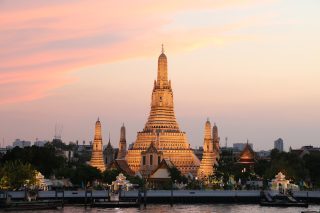
- Wat Arun - The Temple of Dawn, located across the Chao Phraya River.
- Sanam Luang - A historic royal field used for ceremonies and festivals.
- The National Museum Bangkok - Thailand's leading museum showcasing art, culture, and royal artifacts.
The Wat Ratchapradit appears in our Complete Guide to Visiting Bangkok!

Moira & Andy
Hey! We're Moira & Andy. From hiking the Camino to trips around Europe in Bert our campervan — we've been traveling together since retirement in 2020!
This website uses affiliate links which may earn a commission at no additional cost to you!
Planning Your Visit
8am until 5pm
Free entry
Nearby Attractions
- Saranrom Palace (0.2) km
Palace - Wat Ratchabophit (0.2) km
Buddhist Temple - Lak Mueang (0.4) km
Historic Site - Wat Phra Kaew (Temple of the Emerald Buddha) (0.4) km
Buddhist Temple - The Royal Grand Palace (0.5) km
Palace - Wat Pho (Temple of the Reclining Buddha) (0.5) km
Buddhist Temple - Bangkok Wat Suthat (Giant Swing) (0.6) km
Historic Site - Museum of Siam (0.6) km
Museum - Wat Mahathat (Temple of the Great Relic) (0.7) km
Buddhist Temple - Phahurat Market (0.7) km
Market